

Are you passionate about both sports and healthcare? If you are, then you might be looking into Sports medicine careers. It offers a unique opportunity to make a difference in athletes’ lives.
There is a growing awareness about fitness and injury management in sports. Hence, careers in this field are expanding rapidly. One can get to work with professional teams and top-class athletes. Pursuing a career in this field can give you rewarding opportunities. It can allow you to turn your passion into a fulfilling career. But what exactly does sports medicine entail?
Understanding Sports Medicine and the Current State of the Industry
Sports medicine focuses on helping people improve their athletic performance. It also focuses on the prevention and recovery of injury. Sports medicine careers involve working with all kinds of people; They help amateur athletes looking to get better results. They also work with people who want to recover from injuries. Sports medicine encompasses all the stages: prevention, diagnosis, and treatment.
The current sports medicine industry is going through robust growth. This is due to the increased participation in sports and fitness activities. As well as rising emphasis on injury prevention and rehabilitation. According to the University of Western States, the sports medicine industry is expected to add 72,500 new jobs in the field by 2029.
So, this booming industry is all about looking at sports from a healthcare and fitness perspective. And that is just in the broader sense. There are various big and small branches in sports medicine careers. You can truly find your niche. What are they? Let us find out.
What are the Different Careers in Sports Medicine?
1. Physical Therapist

A physical therapist focuses on helping patients who have nerve, joint, or muscle injuries. They assist these people in regaining motion and strength. Their job involves teaching patients exercises that can help them.
A physical therapist in sports medicine helps athletes recover from injuries and improve performance. They also educate athletes on proper body mechanics. They often collaborate with coaches and physicians. Working in a sports setting, you will be treating both acute and long-term injuries. To be a physical therapist, you must complete a bachelor’s degree, obtain a doctor of physical therapy degree, and pass a licensure exam.
2. Athletic Trainer
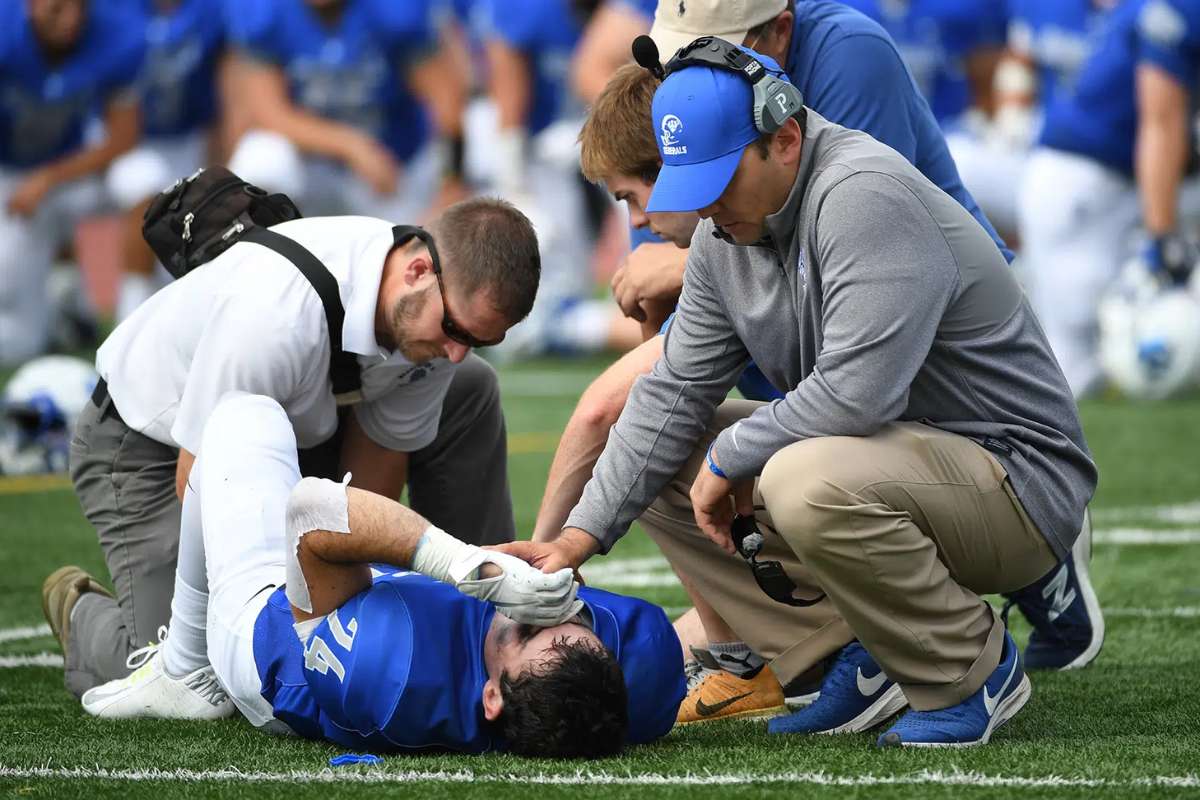
An athletic trainer supports optimal athletic performance. This can be for an individual athlete or a team of athletes. This job involves recommending them with effective exercises. Athletic trainers often travel with teams. An athletic trainer is responsible for assessing the injuries on-site and providing first aid.
Athletic trainers can work in a variety of different settings. They can work in fitness centers, doctors’ offices, and even in a college as a trainer for their sports team.
They work closely with athletes during practices and competitions to ensure safety and peak performance. This role requires quick decision-making, problem-solving, and strong communication skills. To be an athletic trainer, you must complete a master’s or bachelor’s degree in athletic training. You must also pass the Board of Certification Athletic Training exam.
3. Orthopedic Nurse
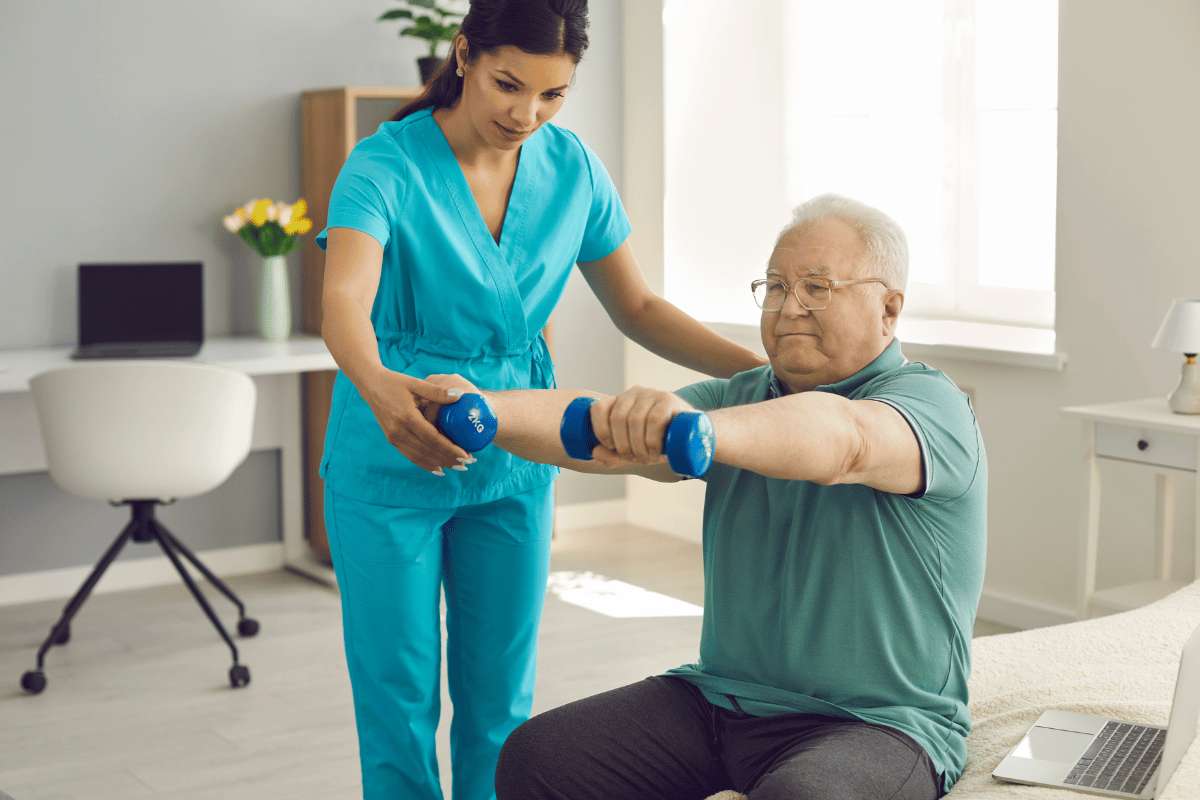
Orthopedic nurses assist athletes recovering from injuries to bones, joints, ligaments, and tendons. Their role includes managing pain and monitoring wound care. They support athletes with mobility improvement after surgery. They also provide them with self-care strategies.
Orthopedic nurses work alongside orthopedic surgeons and physical therapists. They make sure that complications such as infections or improper healing don’t occur. From a sports perspective, the main role of this job is to help athletes get back on the field as quickly as possible. To be an orthopedic nurse, you must have an Associate’s or Bachelor’s Degree in Nursing. You must also pass the National Council Licensure Examination-Registered Nurse.
4. Sports Psychologist

Another one of the sports medicine careers is a sports psychologist. A sports psychologist focuses on the mental aspects of an athlete. They help develop and maintain mindsets that are important for athletic success. In sports medicine, they address issues like anxiety, stress, motivation, concentration, and confidence.
Sports psychologists use techniques such as goal setting and visualization to overcome setbacks due to injuries. They can also work with the entire sports team to improve communication. It plays a key role in helping athletes build resilience. Their work complements physical rehabilitation, as well as mental health.
The minimum requirement to become a sports psychologist is a Bachelor’s degree. But many sports psychologists choose to get a Master’s or a doctoral degree as well.
5. Physiatrist

A physiatrist is a medical doctor specializing in physical medicine. A physiatrist helps athletes deal with pain and mobility issues. They diagnose conditions affecting muscles, bones, and nerves. They also create treatment plans that include therapies, medication, and assistive devices. Their role is especially important in managing chronic injuries.
Physiatrists help athletes restore physical function and improve athletic performance. This career offers the chance to work in hospitals, sports clinics, or with professional teams. To become a physiatrist, you must obtain a bachelor’s degree as well as a doctor of medicine degree.
Those were some sports medicine careers. The opportunities in this field are endless. But you still might feel a bit hesitant. Is a career in this field really beneficial?
What are the Benefits of Pursuing a Career in Sports Medicine?
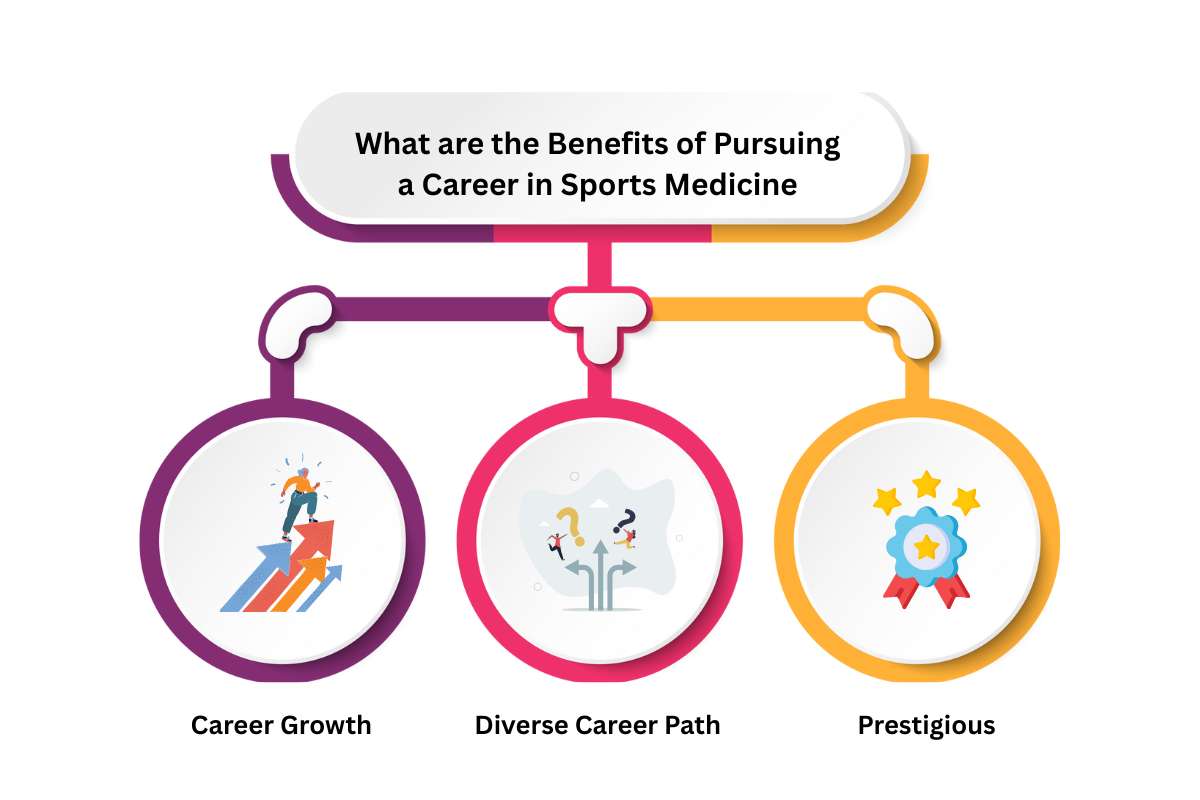
1. Career Growth:
There is a lot of demand for sports medicine careers. They are required at multiple levels. From the school sports league to professional tournaments. This also means that there are various entry-level points in this field. Hence, a sports medicine career can offer a lot of growth.
2. Diverse Career Path:
Following the last topic, sports medicine has a lot of potential career paths. Schools and colleges across countries need trainers to support their sports programs. Athletic organizations and park districts also sometimes employ people who have a sports medicine career.
3. Prestigious:
Having medical knowledge comes with a certain level of prestige. Combining this with sports brings you a certain level of cultural interest. It also allows you to work with athletes and gain access to sports games.
These different career paths and benefits might have convinced you to start a career in this field. But where exactly do you begin?
Road Map for a Career in Sports Medicine
1. Undergraduate:
The best undergraduate majors for sports medicine careers need to have a strong foundation in anatomy, physiology, and biomechanics. The most common majors include biology, kinesiology, and exercise science.
2. Postgraduate:
Some sports medicine careers require a higher level of knowledge and education. Especially if you are looking to enter a niche within this industry. These degrees include: Doctor of Physical Therapy (DPT), Master of Occupational Therapy (MOT), or Master of Science in Athletic Training (MSAT).
3. Additional Certifications:
Apart from these degrees, you may also need additional certifications. These are credentials required to stay updated on current sports medicine practices.
Conclusion:
The world of sports is changing day by day. There is a lot of emphasis on fitness, injury prevention, and the overall health of athletes. Pursuing a sports medicine career allows you to work closely with athletes. You have the opportunity to make a significant impact on their well-being. Ultimately, sports medicine careers present endless possibilities for growth, learning, and making a difference.
Also Read: 10 Best Countries to Study Medicine: A Comprehensive Guide for Aspiring Doctors.