
Key Points:
- Pittsburgh Public Schools board rejects plan to close nine schools, keeping current campuses operational.
- District leaders will reassess facility strategies to address enrollment declines and resource equity.
- Community feedback heavily influenced the decision, emphasizing student experience and neighborhood impact.
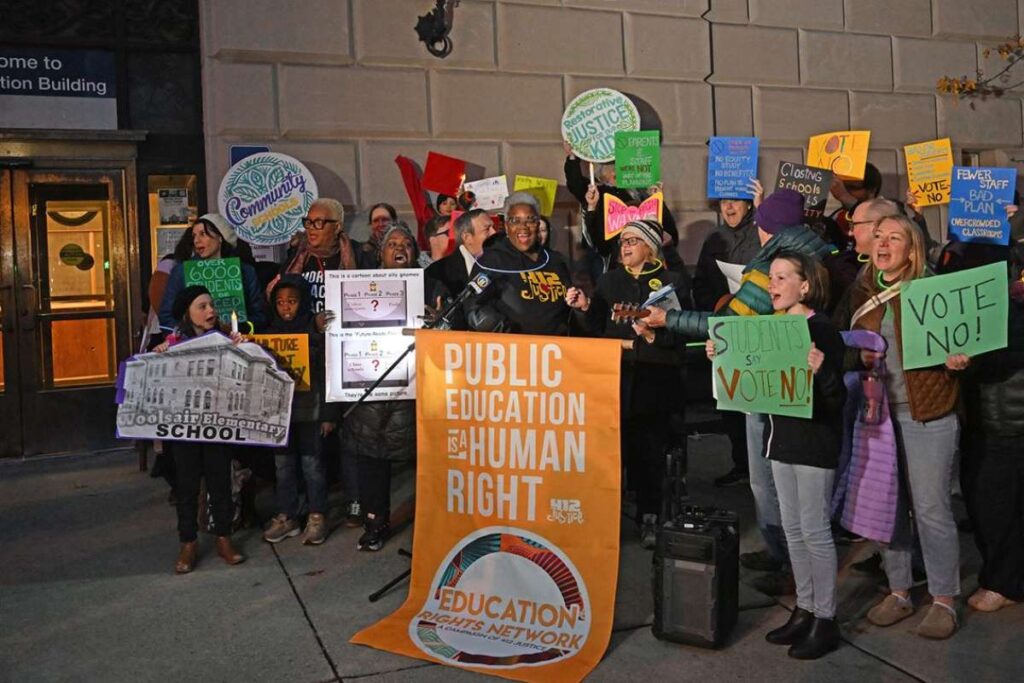
The Pittsburgh Public Schools board voted down the Future Ready Facilities Plan on Tuesday night, halting a proposal that would have closed nine schools and restructured several grade configurations across the district. The motion failed with three members in support and six opposed, ending months of debate over how the district should respond to long-term enrollment declines and uneven distribution of programs.
Board President Gene Walker of Pittsburgh Public Schools, who voted against the plan despite previously expressing support, said the decision reflected concerns raised by the community and the board itself. He said many factors influenced the shift, noting that feedback over several months made it clear that more work was needed before moving forward. Several board members said the district requires a deeper review of how school changes may affect students, staffing, and classrooms across multiple neighborhoods within Pittsburgh Public Schools.
The meeting lasted more than two hours and included multiple attempts to adjust or postpone the vote. An initial motion to delay the decision failed, followed by proposed amendments that would have pushed the timeline further back. Those amendments also did not pass. The plan’s supporters said that, while difficult, the changes were intended to expand access to programs currently offered in only some buildings. The proposal would have closed Baxter, Friendship, Fulton, Manchester, McKelvey, Morrow, Schiller, Spring Hill, and Woolslair—schools that are part of the broader Pittsburgh Public Schools system.
District Leaders Say More Review Is Needed
Superintendent Wayne Walters said his team will return to planning and evaluate what steps could gain broader board approval. He noted that without significant facility changes, the district will continue to have differences in resources and opportunities from school to school. Walters emphasized that the goal remains improving the educational experience for all students, even as Pittsburgh Public Schools reconsiders its next steps.
Retiring board member Sylvia Wilson, who supported the plan, said some discussions focused too heavily on individual neighborhoods rather than the needs of the entire district. She said the plan aimed to create a more consistent experience for students across all campuses by streamlining grade configurations and distributing programs more evenly.
Community Concerns About Enrollment and Student Experience
The plan was originally introduced to address decades of enrollment decline, financial strain from maintaining underused buildings, and the need to expand academic and student support programs. Some parents, including those who opposed the closures, acknowledged that earlier versions of the proposal contained improvements made after community feedback. Adjustments included removing a special needs school from the closure list and abandoning a proposal to merge two large high schoolsin Pittsburgh Public Schools.
However, many families continued to worry that the plan would not fully solve equity issues or strengthen academic opportunities as intended. Some said they supported longer-term planning but felt the district did not establish enough collaboration with students, families, and educators.
Financial and Operational Factors Behind the Proposal
A recent district presentation estimated that closing nine schools would save more than $100 million in long-term facility costs. Leaders also outlined other components of the proposal, including updated staffing projections, new attendance zone structures, transportation changes, and expanded student services. Education groups said the number of buildings should reflect the district’s current enrollment levels, and some believed the plan could have allowed schools to offer more diverse academic programs over time.
Supporters of the plan said grade-band reconfiguration — shifting to PreK–5, 6–8, and 9–12 schools — would create more predictable learning pathways for students. They also noted that job loss among staff was expected to be minimal.
With the plan voted down, the district returns to reassessing how to manage declining enrollment, aging buildings, and uneven program access. Walters said his administration will continue working toward solutions that support students and educators across all schools within Pittsburgh Public Schools while considering the concerns raised during the planning process.