
Key Points:
- Education Legislation Amendment Bill passes Senate with four key Opposition amendments targeting international education rules.
- Independent review, limits on retrospective reporting, and expanded provider exemptions strengthen oversight and clarity.
- New safeguards added to ministerial powers as the Bill heads back to the House for final approval.
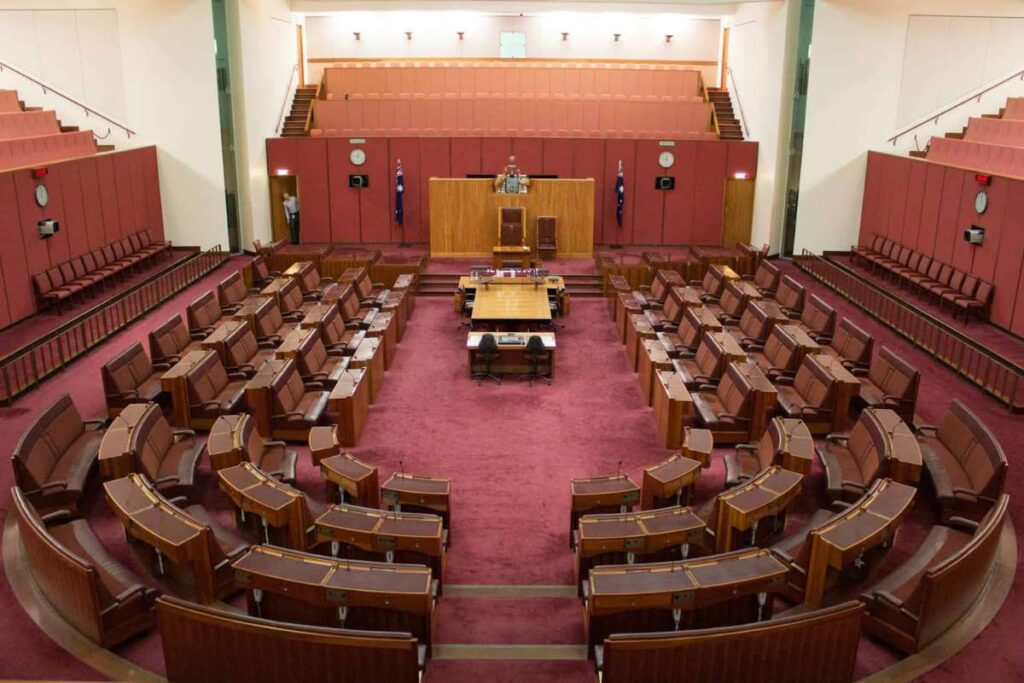
The Senate passed the Education Legislation Amendment Bill 2025 (Integrity and Other Measures) on Nov. 27, approving four amendments proposed by the Opposition that target the Bill’s international education provisions. The vote came late Thursday in Canberra, following weeks of debate and committee scrutiny. The Bill will return to the House of Representatives on Nov. 28 for confirmation of the changes.
The Education Legislation Amendment Bill respond to concerns raised during a Senate Education and Employment Legislation Committee inquiry, including issues around ministerial authority, departmental powers, and new requirements for providers delivering courses to international students.
Opposition amendments gain support
The Government agreed to the four amendments introduced by Senator Jonathon Duniam. Coalition senators had signaled their intentions earlier in the week when they tabled additional comments to the committee’s report. Although the broader sector raised several concerns during the inquiry, the changes adopted by the Senate address some of the most significant points.
Independent review requirement
One amendment mandates an independent review of the changes made under Schedule 1 of the Education Legislation Amendment Bill, which includes amendments to the Education Services for Overseas Students Act, the Tertiary Education Quality and Standards Agency Act, and the Higher Education Support Act. The review must occur within two years, with findings submitted to the Minister and tabled in Parliament. The measure aims to ensure oversight of the reforms and assess their impact on the international education system.
Limits on retrospective information requests
Another amendment of Education Legislation Amendment Bill, clarifies that the Secretary’s power to request commission information from education agents cannot apply retrospectively. The Bill initially allowed reporting periods to begin before its commencement date. The approved change removes references to activity “before” the Bill starts, ensuring providers only report information generated after the law takes effect.
Exemptions for higher education and TAFE providers
The Education Legislation Amendment Bill includes a requirement that providers deliver courses to domestic students for two years before offering them to international students. Existing exemptions cover English-language and foundation program providers, as well as public universities. The Senate expanded these exemptions to all registered higher education providers under the TEQSA Act and to all TAFE providers. The amendment also establishes a definition for a registered TAFE provider, offering clarity for regulators and institutions.
Safeguards on course suspension powers
Concerns over broad ministerial powers to suspend or cancel courses prompted additional safeguards in the legislation. The agreed amendment adds language requiring the Minister to act on “reasonable grounds” when identifying classes of courses with systemic delivery issues. It also revises clauses to specify that the Minister must consider a defined set of factors before issuing such decisions. Consultation with regulators and relevant parties becomes mandatory, and any legislative instrument issued under this authority must be accompanied by a statement tabled in Parliament explaining the reasons for the action.
Additional proposals rejected
Earlier in the debate, Greens Senator Mehreen Faruqi introduced a second-reading amendment that criticized the Government’s treatment of international students and called for lower visa application fees and increased support. The amendment also urged the Senate to acknowledge that international students contribute significantly to educational institutions and local communities. The chamber voted against the proposal.
Senator Sarah Henderson introduced two further amendments, and the Greens brought forward one more. All three were defeated, and the content of the failed amendments was not published on the Senate website at the time of writing.
Next steps for the legislation
The Education Legislation Amendment Bill will return to the House of Representatives for consideration of the Senate’s amendments. Although Nov. 28 was originally set as the final sitting day of the year, the House will convene on Friday due to the number of Bills amended in the Senate. The Government’s majority in the House is expected to secure approval of the changes.
Once approved, the Education Legislation Amendment Bill will proceed to Royal Assent, completing a key stage in the Government’s 2025 education reform agenda. The amendments adopted on Thursday will shape how international education providers operate and how regulatory oversight is applied in the years ahead.