
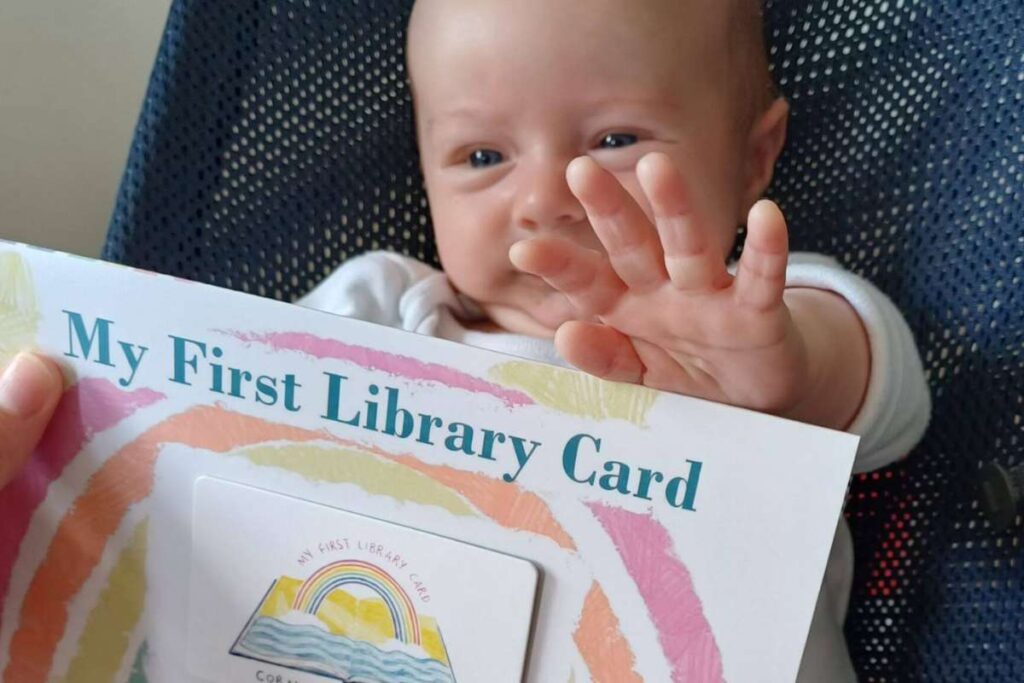
Key Points:
- Automatic Library Cards for Newborns give every baby a library card at birth to boost early literacy.
- Linking library membership to birth registration makes access easier and more inclusive for all families.
- Well-funded libraries can support learning, social development, and early childhood programs.
A group of well-known authors is urging that every newborn baby receive Automatic Library Cards for Newborns at birth, a move they say could strengthen early literacy and make libraries feel more welcoming to all families.
Writers including Sir Philip Pullman, Richard Osman, Kate Mosse, and Louie Stowell have backed a proposal from the Cultural Policy Unit that would link library membership to birth registration. Under the plan, each child would be issued a lifelong library membership, with a card ready at their local library from the start of life.
Supporters say the idea focuses on education at its earliest stage, helping children build familiarity with books, language, and shared reading experiences from infancy.
Building reading habits from birth
Advocates of the proposal argue that reading should begin well before children enter school. Issuing Automatic Library Cards for Newborns sends a clear message that books and libraries are part of everyday learning from birth.
Kate Mosse said the approach could help families who might not otherwise think libraries are for them. She explained that early exposure to libraries can support language development while also offering social benefits through story sessions and parent groups. According to Mosse, libraries can play a valuable role for new parents, especially those who lack strong local support networks.
Sir Philip Pullman described the proposal as optimistic and inclusive, saying it promotes reading as a shared cultural experience rather than an activity limited to certain groups. Richard Osman echoed that view, noting that the idea is about widening children’s worlds through access to books, not accelerating childhood.
How the system would work
Currently, parents must apply for library cards on behalf of their children, often providing identification or proof of address. The proposed system would remove that step by linking membership directly to birth registration.
The Cultural Policy Unit has suggested creating a National Library Card that would provide access across the country. While libraries are currently managed by local authorities, the think tank believes a universal system would reduce barriers and normalize library use for all families.
The plan also includes closer coordination with professionals who regularly interact with young families. Midwives, health visitors, and nursery staff could introduce parents to library services as part of early childhood support, helping families understand how reading and library activities fit into child development.
Educational and community benefits
Supporters highlight that libraries offer more than books. They often provide early years programs, language development support, and safe community spaces where children and caregivers can learn together.
Children’s author Louie Stowell said the proposal reinforces the idea that babies benefit from being read to from birth. She added that even small administrative hurdles can discourage new parents, especially during an already demanding period of life. Removing those steps could make a meaningful difference in participation.
At the same time, Stowell and others stressed that access must be matched with investment. Automatic Library Cards for Newborns would only be effective if libraries are well-funded and staffed by trained librarians who can support families and educational programs.
Cost and implementation considerations
The Cultural Policy Unit estimates the annual cost of the scheme at between £14 million and £22 million. The organization says this figure reflects administration and coordination rather than large infrastructure changes.
Libraries already play a role in supporting children’s speech, language, and social development. Advocates believe that making Automatic Library Cards for Newborns standard practice would strengthen that role by embedding libraries into early learning routines rather than leaving access to chance.
While details of implementation would need careful planning, supporters argue that the educational benefits outweigh the logistical challenges.
For students, teachers, and families, the proposal centers on a simple idea. Reading is a foundational skill, and access to books should begin at birth. Providing Automatic Library Cards for Newborns aims to make that access universal, visible, and lasting.