

Every year, over 1.5 million aspiring doctors across India sit for the NEET UG exam, vying for a limited number of seats in the Top Indian Medical Colleges. India boasts over 740 recognized medical colleges, making it one of the largest hubs for medical education in the world.
From the globally acclaimed AIIMS Delhi, topping the NIRF rankings year after year, to elite private institutions like Christian Medical College, Vellore, these colleges are shaping the future of healthcare both in India and globally.
With annual fees ranging from as low as ₹7,000 in government colleges to over ₹25 lakh in top private colleges, the journey to becoming a doctor in India is competitive, demanding, and immensely rewarding. Choosing the right institution from the top Indian medical colleges isn’t just a career decision; it’s a stepping stone to becoming a leader in medicine.
Why India is a Global Hub for Medical Education?
India’s reputation as a global leader in medical education is no coincidence. With over 740 recognized medical colleges and more than 90,000 MBBS seats annually, the country offers unmatched opportunities for aspiring doctors aiming for the Top Indian Medical Colleges. India’s medical education system has a rich legacy dating back over a century, producing healthcare professionals who have excelled nationally and internationally.
The NEET exam, now the mandatory gateway for MBBS admissions, ensures a merit-based selection process, making India one of the most competitive medical landscapes in the world. Each year, millions of students compete for limited seats, driving excellence and fostering a culture of high standards.
Top Indian medical institutions, such as AIIMS Delhi, CMC Vellore, and JIPMER Puducherry, are globally recognized not only for undergraduate education but also for research and clinical innovation. Graduates from these colleges often pursue advanced specializations, international fellowships, and pioneering research, contributing significantly to global healthcare.
Moreover, India’s medical education system bridges traditional knowledge with modern medicine, offering career pathways ranging from MBBS and postgraduate degrees to specialized research in fields like oncology, neurology, and public health. This blend of quantity, quality, and global recognition is what makes India a true hub for medical education.
Top 15 Indian Medical Colleges: 2025-2026 Edition
India is home to some of the world’s most prestigious medical institutions, combining rigorous academics, cutting-edge research, and clinical excellence. Choosing from the top Indian medical colleges can be challenging, but the following 15 institutions stand out for their reputation, rankings, and NEET cut-offs. These colleges not only produce top doctors but also drive medical innovations and research that gain global recognition.
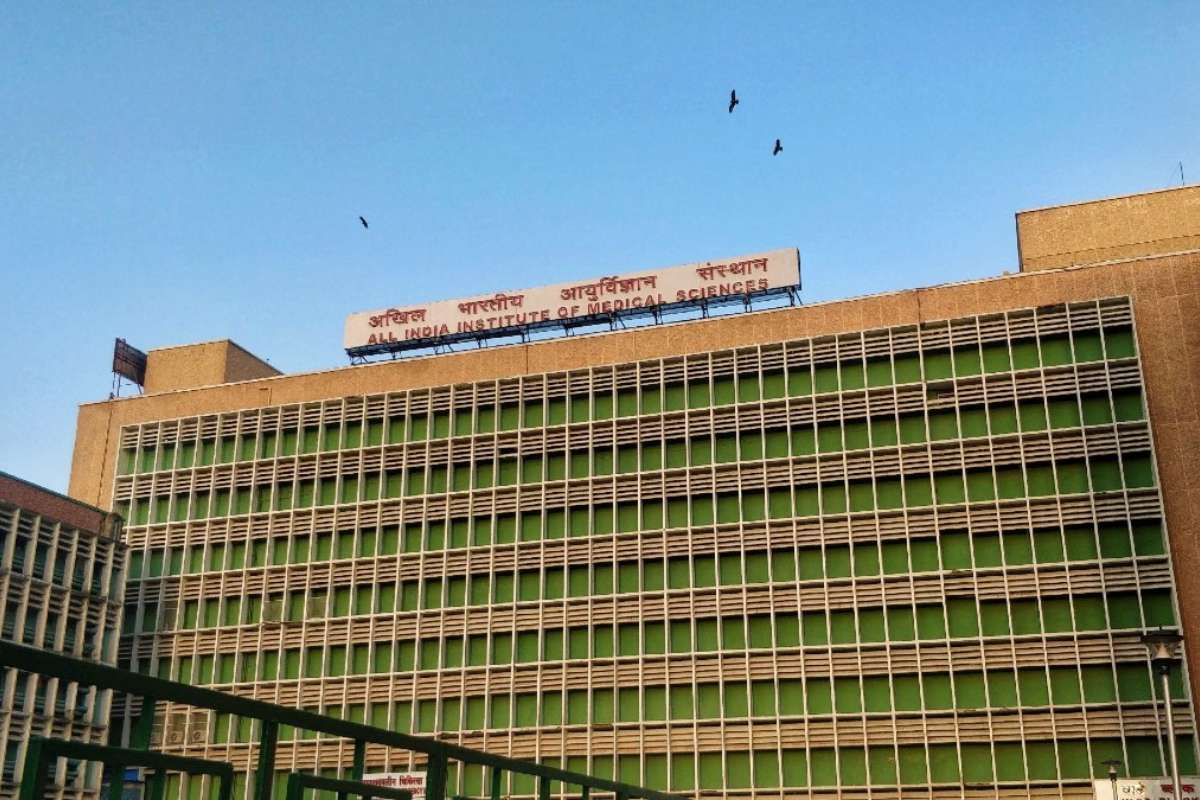
1. All India Institute of Medical Sciences (AIIMS), Delhi
| NIRF Rank | 1 |
| City | New Delhi |
| Type | Government |
| NEET Cut Off | ~700+ |
AIIMS Delhi is India’s most prestigious medical institution and a benchmark for healthcare education. Established in 1956, it admits around 100 MBBS students annually, making it extremely competitive. The institute treats over 3.5 million patients every year, providing unmatched clinical exposure. It consistently ranks No.1 in NIRF Medical Rankings for academic and research excellence. AIIMS graduates are globally respected in medicine and research.
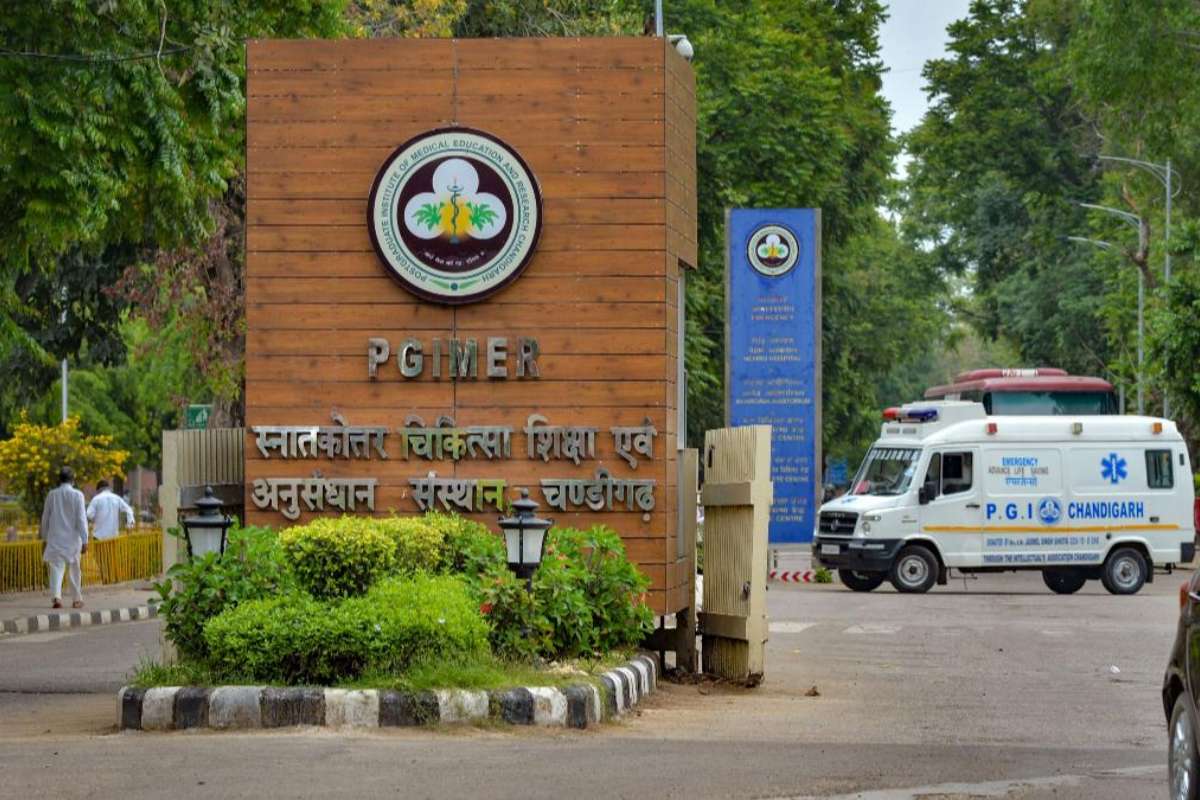
2. Postgraduate Institute of Medical Education & Research (PGIMER), Chandigarh
| NIRF Rank | 2 |
| City | Chandigarh |
| Type | Government |
| NEET Cut Off | ~650+ |
PGIMER Chandigarh is known for advanced training and research. Founded in 1962, it specializes in postgraduate and super-specialty education with high patient exposure. The institute treats over two million patients annually, ensuring strong clinical learning, and consistently ranks among the top three under NIRF, making it one of the top Indian medical colleges.
3. Christian Medical College (CMC), Vellore

| NIRF Rank | 3 |
| City | Vellore |
| Type | Private/Deemed |
| NEET Cut Off | ~640+ |
CMC Vellore is internationally known for ethical and patient-focused medical education. Established in 1900, it blends academics with community healthcare services. The college treats over 8,000 patients daily, offering extensive clinical exposure. CMC regularly ranks among India’s top private medical institutions. Its alumni work across leading hospitals worldwide.
Also Read: Top 10 Best Colleges in India: A Comprehensive Guide to Premier Educational Institutions
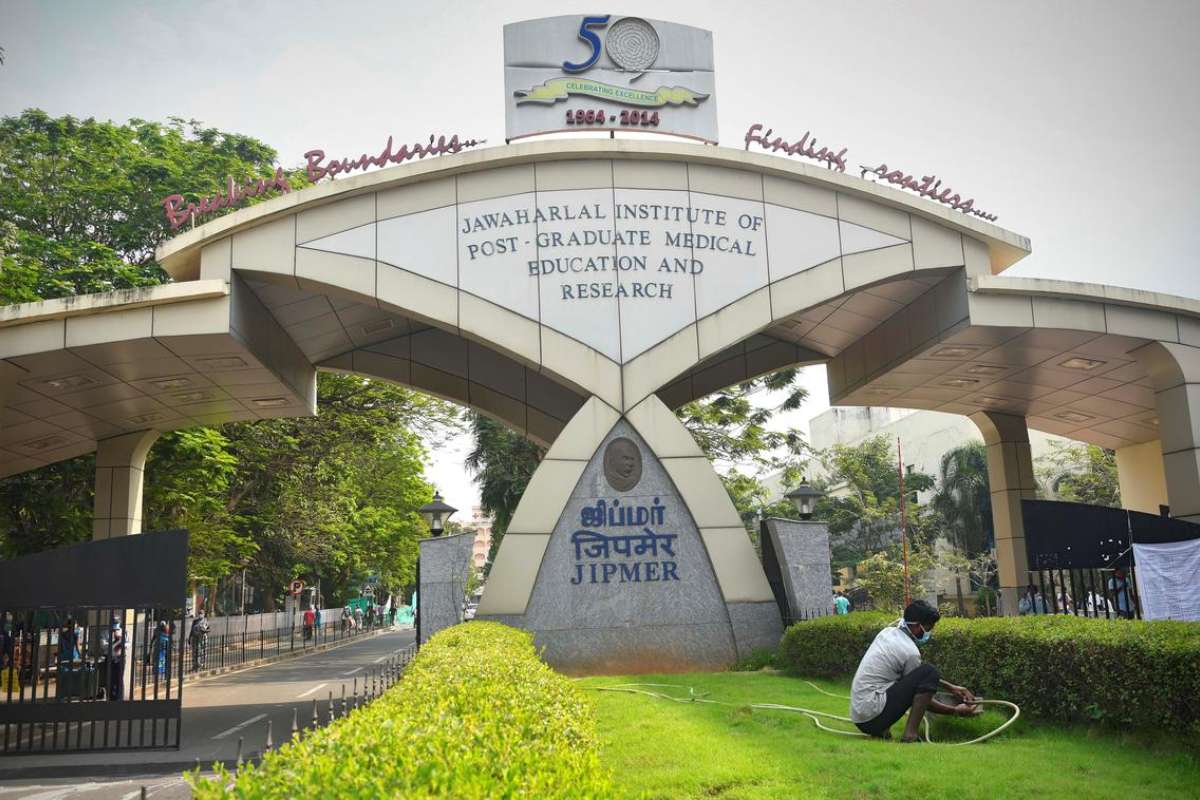
4. Jawaharlal Institute of Postgraduate Medical Education & Research (JIPMER), Puducherry
| NIRF Rank | 4 |
| City | Puducherry |
| Type | Government |
| NEET Cut Off | ~630+ |
JIPMER Puducherry is recognized as one of the top Indian medical colleges for academic excellence and research output. Established in 1956, it functions as an autonomous central government institute. The hospital records over 1.8 million outpatient visits every year. JIPMER is known for strong public health and clinical training programs. Its consistent NIRF ranking reflects national academic trust.
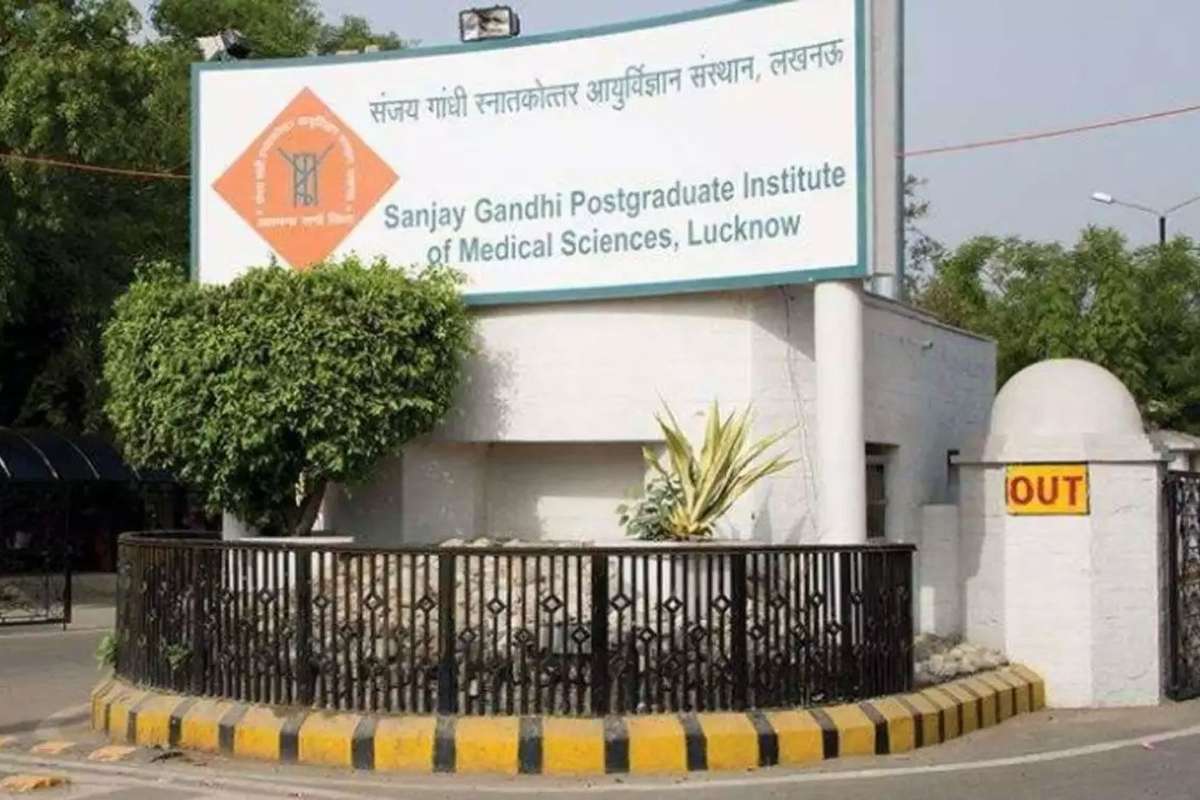
5. Sanjay Gandhi Postgraduate Institute of Medical Sciences (SGPGIMS), Lucknow
| NIRF Rank | 5 |
| City | Lucknow |
| Type | Government |
| NEET Cut Off | ~620+ |
SGPGIMS Lucknow is a premier institute dedicated to super-specialty medical education. Founded in 1983, it is known for cardiology, nephrology, and oncology programs. The institute publishes hundreds of peer-reviewed research papers annually. SGPGIMS maintains high academic standards with government support. It attracts top medical talent from across India.
6. Institute of Medical Sciences, Banaras Hindu University (IMS‑BHU), Varanasi
| NIRF Rank | 6 |
| City | Varanasi |
| Type | Government |
| NEET Cut Off | ~610+ |
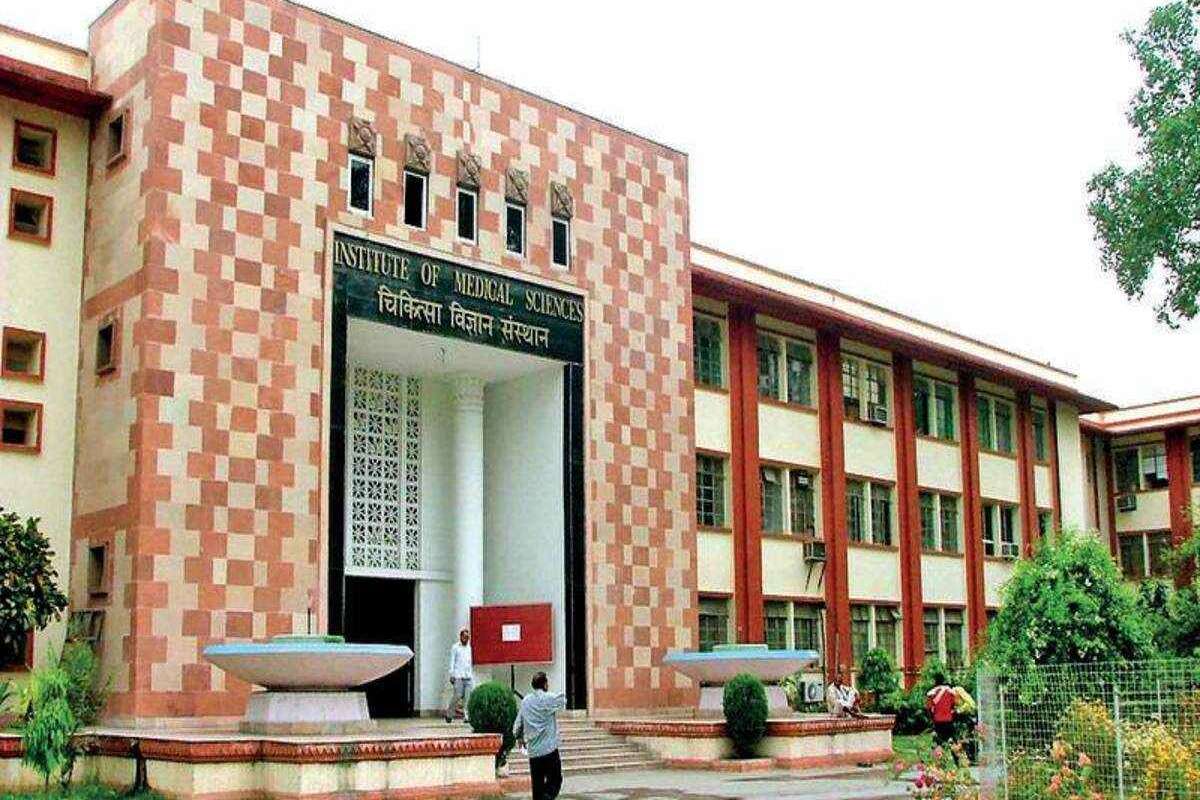
IMS-BHU, part of Banaras Hindu University, is widely regarded for its academic legacy and clinical exposure, making it one of the top Indian medical colleges. The institute benefits from a strong interdisciplinary environment, with a 1,200+ bed hospital serving eastern India, and its graduates play a key role in public healthcare.
7. National Institute of Mental Health & Neurosciences (NIMHANS), Bengaluru
| NIRF Rank | 7 |
| City | Bengaluru |
| Type | Government |
| NEET Cut Off | ~600+ |
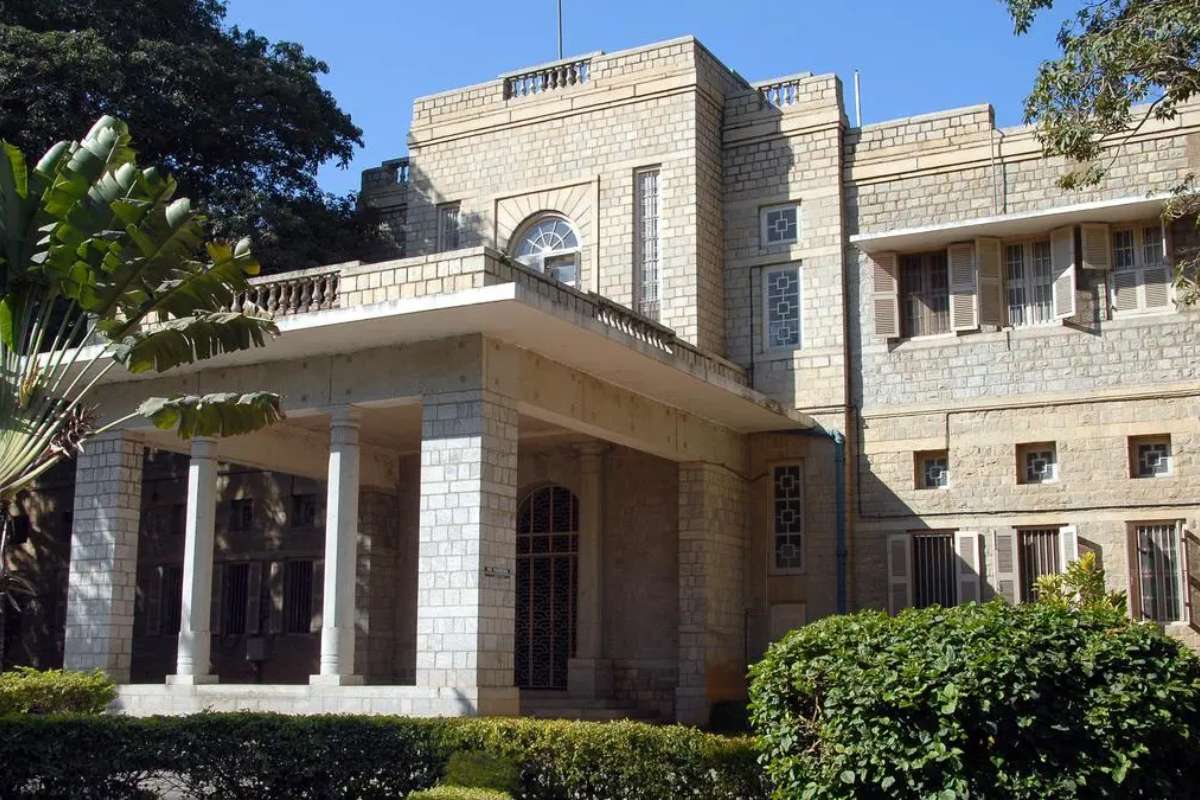
NIMHANS Bengaluru is India’s leading institute for mental health and neuroscience education. It treats more than 600,000 patients annually, making it a national referral center. The institute excels in psychiatric and neurological research. NIMHANS also supports policy development in mental healthcare. It is globally respected for clinical innovation.
8. King George’s Medical University (KGMU), Lucknow
| NIRF Rank | 8 |
| City | Lucknow |
| Type | Government |
| NEET Cut Off | ~600+ |
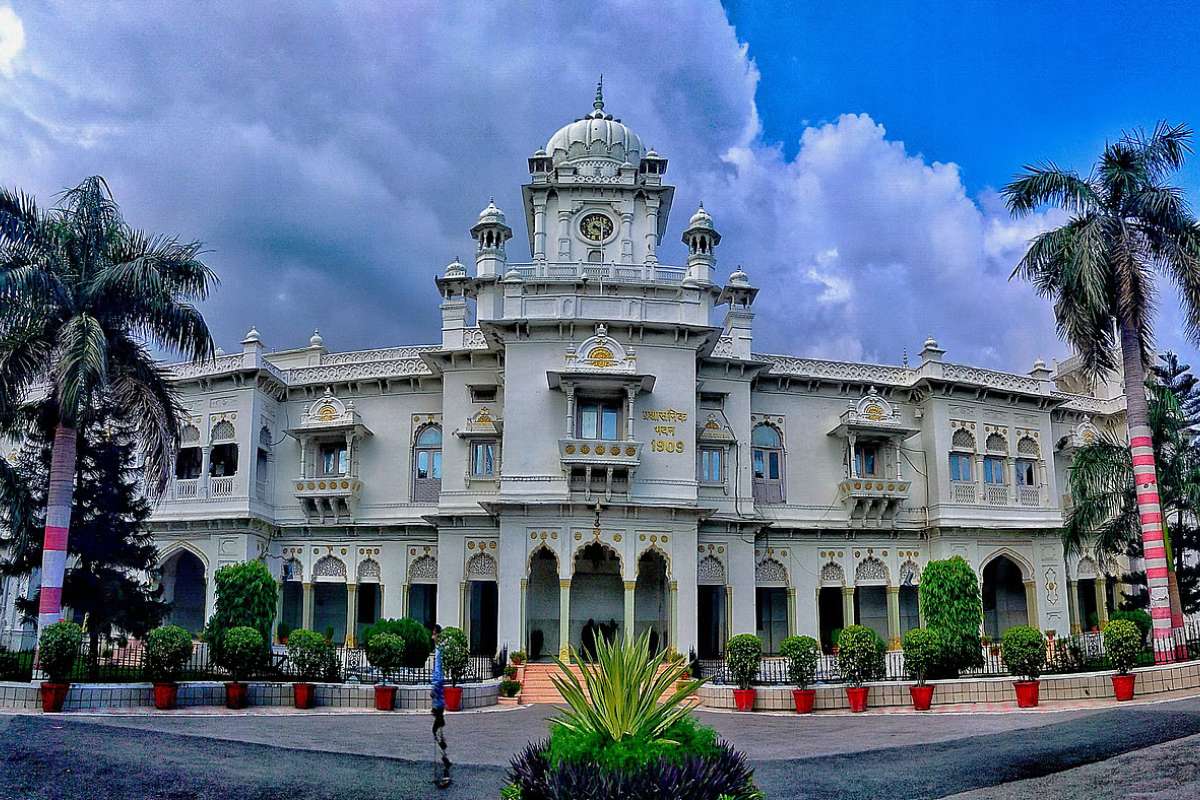
Established in 1911, King George’s Medical University (KGMU) is one of India’s oldest and most respected government medical institutions. Located in Lucknow, it operates a massive teaching hospital with 4,500+ beds, making it one of the largest in North India. The university records over 3 million outpatient visits annually, giving students extensive clinical exposure. KGMU offers MBBS, MD/MS, super-specialty, and doctoral programs across multiple disciplines. It is consistently recognized among the top Indian medical colleges.
9. Amrita Vishwa Vidyapeetham, Coimbatore
| NIRF Rank | 9 |
| City | Coimbatore |
| Type | Private/Deemed |
| NEET Cut Off | ~580+ |
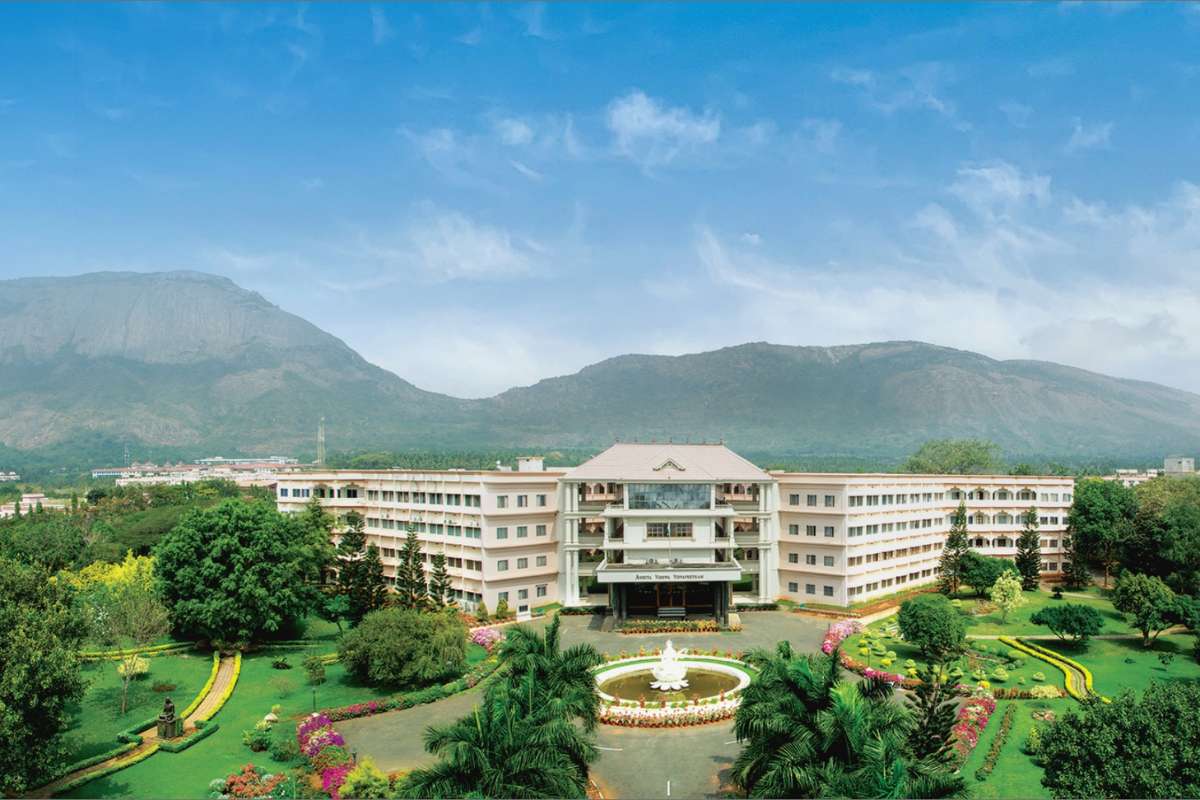
Amrita Vishwa Vidyapeetham is a leading private medical institution known for ethical education and strong clinical training. It operates a 1,300+ bed NABH-accredited teaching hospital, offering consistent patient exposure to students. The university is equipped with modern labs, simulation centers, and research facilities. Amrita has been consistently ranked among India’s top medical institutions by NIRF.
10. Kasturba Medical College (KMC), Manipal
| NIRF Rank | 10 |
| City | Manipal |
| Type | Private/Deemed |
| NEET Cut Off | ~570+ |
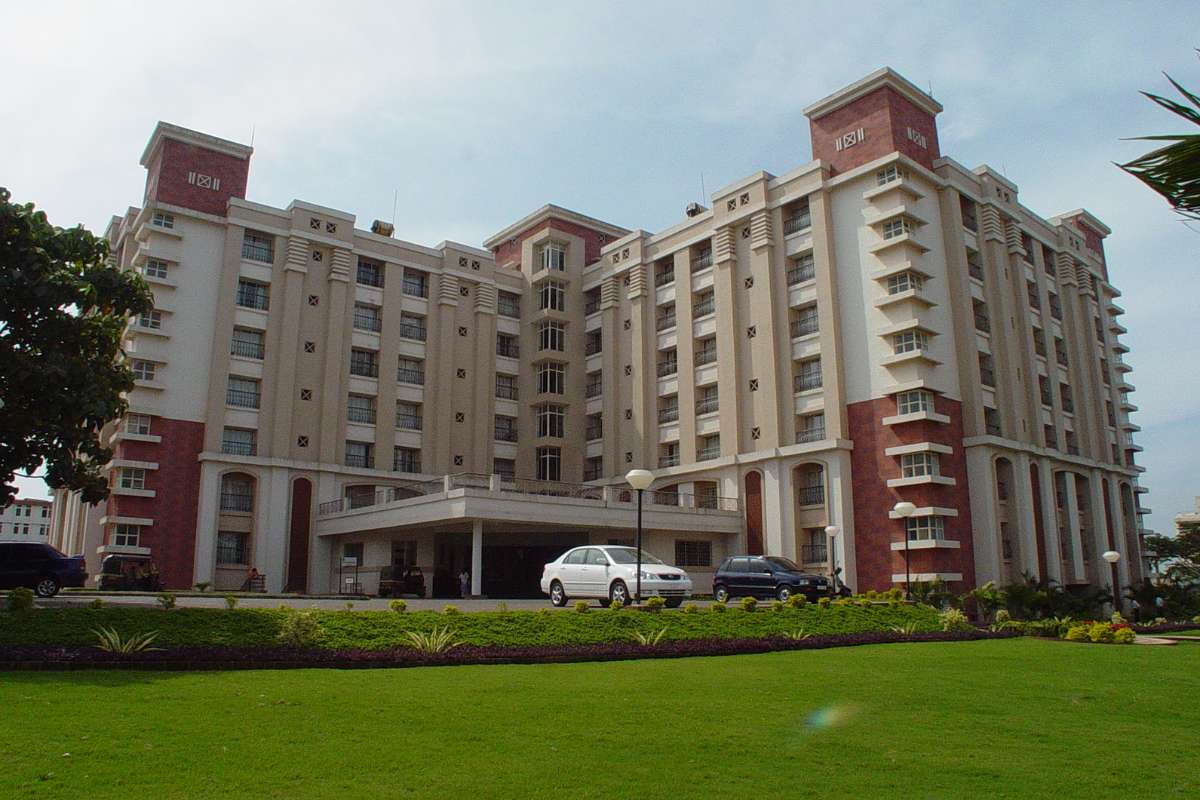
KMC Manipal is globally recognized among the top Indian medical colleges for academic quality and exposure. Established in 1953, it is one of India’s oldest private medical colleges. The institution collaborates with 25+ international universities. KMC graduates frequently pursue international medical careers. Its teaching hospitals offer diverse clinical experience.
11. Saveetha Institute of Medical and Technical Sciences, Chennai
| NIRF Rank | 11 |
| City | Chennai |
| Type | Private/Deemed |
| NEET Cut Off | ~560+ |
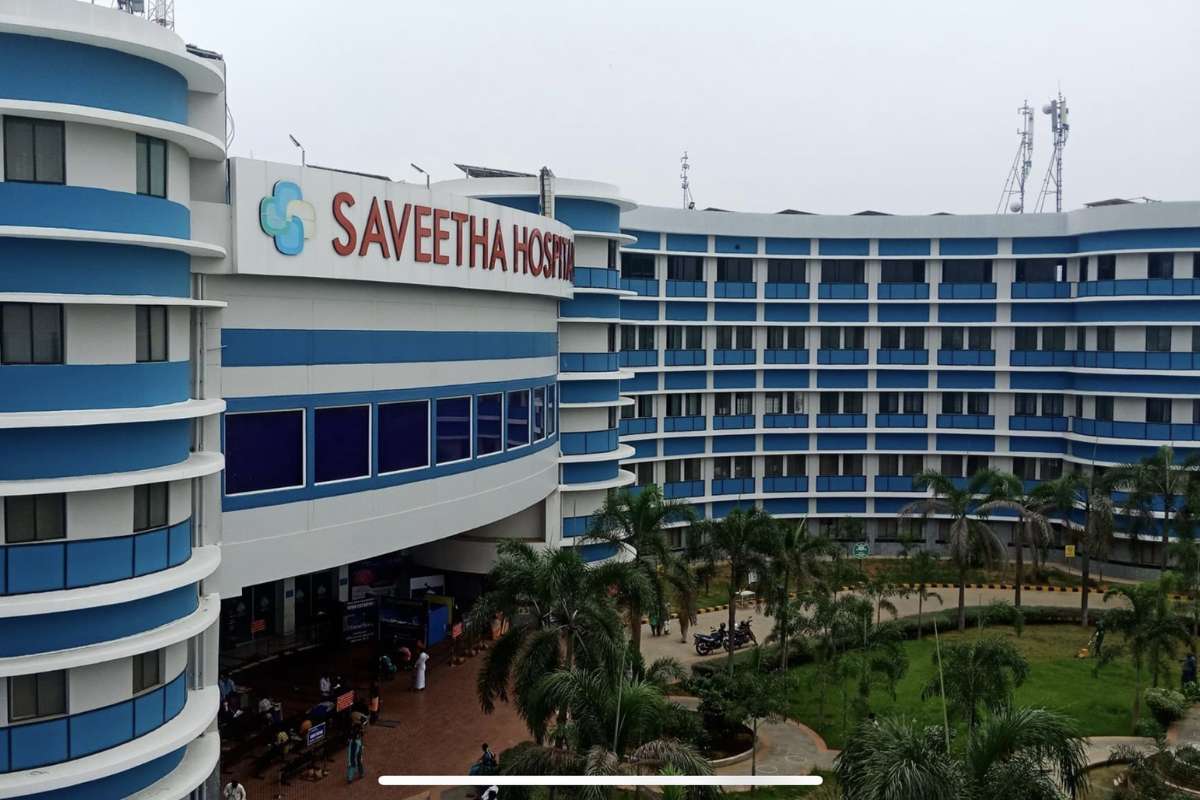
Saveetha Institute of Medical and Technical Sciences (SIMATS) is a leading private medical university in Chennai. It operates a 1,000+ bed multi-specialty teaching hospital, offering strong clinical exposure across major departments. The institute is known for its high research output, with numerous publications in Scopus-indexed journals each year. Saveetha has consistently improved its position in NIRF medical rankings due to modern infrastructure.
12. Dr. D. Y. Patil Vidyapeeth, Pune
| NIRF Rank | 12 |
| City | Pune |
| Type | Private/Deemed |
| NEET Cut Off | ~555+ |
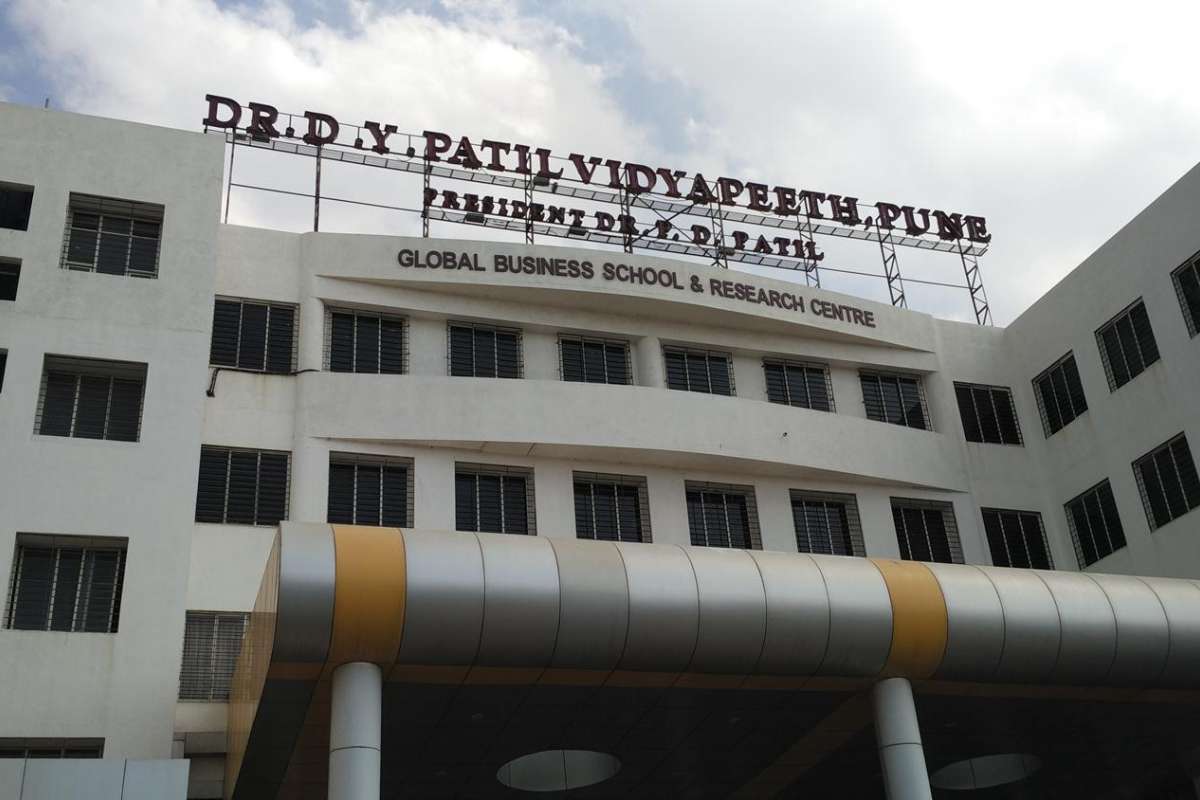
Dr. D. Y. Patil Vidyapeeth, Pune, is a well-known deemed medical university in Maharashtra. It operates a 2,000+ bed multi-specialty teaching hospital, offering strong hands-on clinical exposure. Admissions are conducted through NEET UG, attracting students from across India. The university focuses on practical training, modern infrastructure, and research activities. Its consistent presence in NIRF Medical Rankings reflects steady academic performance.
13. AIIMS Rishikesh
| NIRF Rank | 13 |
| City | Rishikesh |
| Type | Government |
| NEET Cut Off | ~550+ |
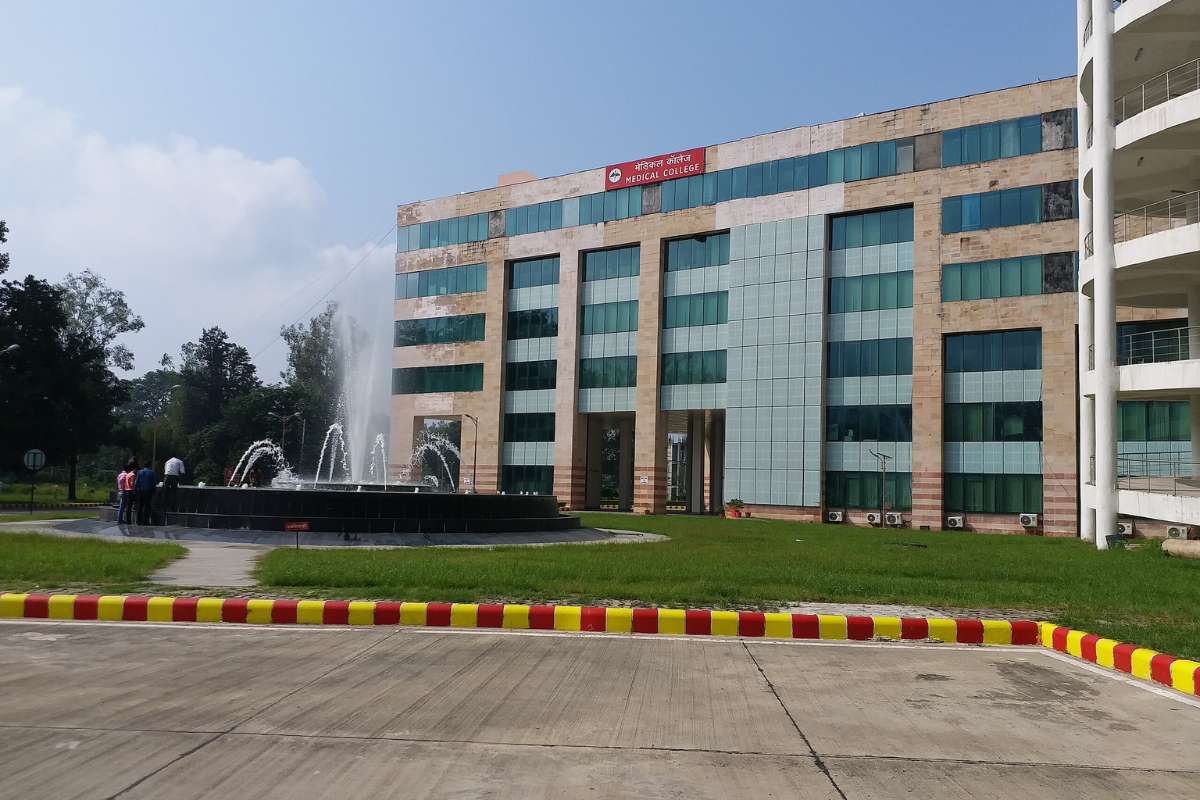
AIIMS Rishikesh, established in 2012 to provide high-quality medical education and healthcare in Uttarakhand, is recognized as one of the top Indian medical colleges. It serves as a major tertiary referral center with 900+ hospital beds and advanced facilities, while steadily improving in NIRF Medical Rankings.
14. AIIMS Bhubaneswar
| NIRF Rank | 14 |
| City | Bhubaneswar |
| Type | Government |
| NEET Cut Off | ~545+ |
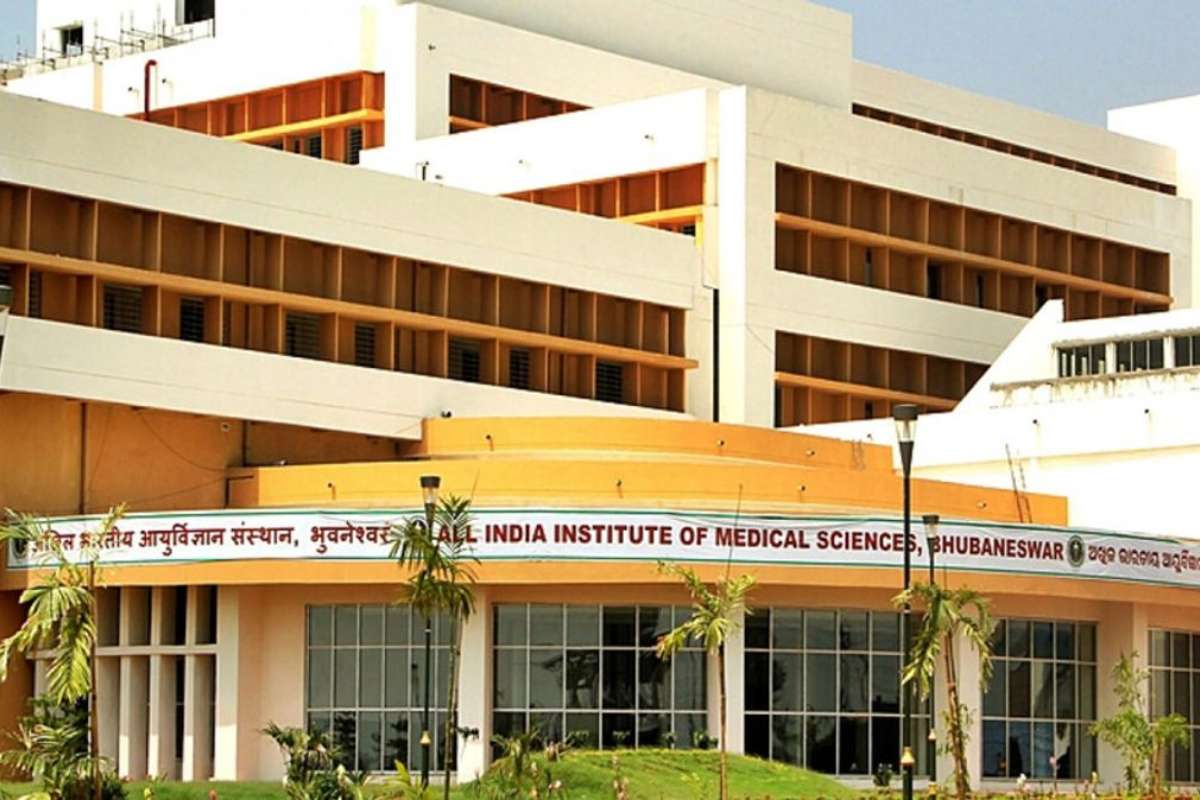
AIIMS Bhubaneswar is a premier central medical institution in eastern India, offering advanced healthcare and education. Established in 2012, it has a 1,000+ bed multi-specialty hospital serving thousands of patients daily. The institute provides MBBS, postgraduate, and super-specialty courses across various disciplines. It focuses on research in public health, neurology, and oncology, contributing to regional healthcare improvement.
15. Siksha O Anusandhan, Bhubaneswar
| NIRF Rank | 15 |
| City | Bhubaneswar |
| Type | Private/Deemed |
| NEET Cut Off | ~540+ |
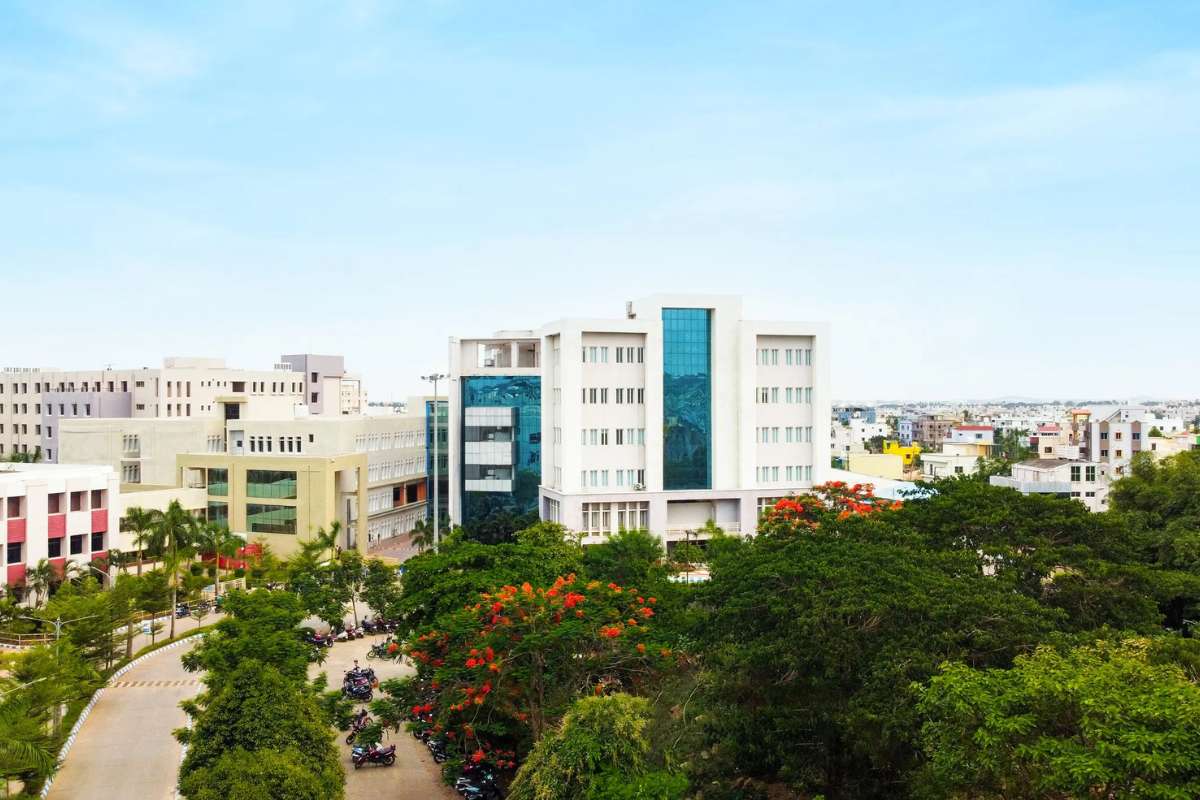
Siksha ‘O’ Anusandhan is a prominent private medical university in Odisha. It operates a 1,200-bed teaching hospital. The university emphasizes applied research and clinical training. It offers strong academic mentoring and infrastructure. SOA continues to expand its medical research presence.
These institutions are consistently cited among the top Indian medical colleges due to their world-class infrastructure, experienced faculty, and research output. Students graduating from these colleges not only secure high-paying residencies and fellowships in India and abroad but also contribute to medical breakthroughs, reflecting the excellence and competitiveness of India’s medical education system.
Whether it’s AIIMS Delhi’s cutting-edge research labs or CMC Vellore’s patient-centered clinical training, these colleges represent the pinnacle of medical education in India, shaping the doctors of tomorrow.
Also Read: 5 Best Exchange Programs for Medical Students
Conclusion:
India’s medical education ecosystem stands out not just because of its scale, but because of the depth of training, early clinical exposure, and strong academic discipline it offers. The colleges highlighted above consistently set benchmarks in patient care, innovation, and academic rigor, making them preferred choices for serious medical aspirants.
What truly differentiates the top Indian medical colleges is their ability to balance theory with real-world medical practice, preparing students for the realities of modern healthcare. As competition intensifies each year, informed decision-making becomes essential. By evaluating colleges based on rankings, infrastructure, mentorship, and long-term career outcomes, students can align their ambitions with institutions that best support their growth as future doctors.
FAQs
Q1. How should students shortlist the top Indian Medical Colleges after NEET results?
Students should consider factors such as college reputation, hospital exposure, faculty strength, alumni success, location, and future specialization opportunities, rather than relying solely on rank or popularity.
Q2. Do top medical colleges offer better clinical exposure?
Yes. Leading institutions are usually attached to high-volume teaching hospitals, ensuring hands-on experience with diverse cases an essential factor in developing clinical confidence.
Q3. Is studying in a metro city better for medical education?
Not always. While metro cities offer exposure and resources, several non-metro institutions among the top Indian medical colleges provide equally strong academics, patient inflow, and research opportunities.
Q4. Can students from top Indian colleges pursue careers abroad?
Graduates from reputed Indian medical colleges often pursue international exams, fellowships, and research roles, as their training is widely respected for its rigor and clinical depth.
Q5. What makes a medical college truly “top-tier”?
A top-tier medical college is defined by consistent academic outcomes, ethical medical training, research contribution, mentorship quality, and long-term career support, not just rankings alone.