
Key Points:
- Foreign funding in U.S. universities will face stricter oversight under a new State Education Department partnership to boost transparency and security.
- The initiative strengthens Section 117 reporting, improving accuracy and public access to foreign funding data.
- The move protects academic integrity and helps monitor potential foreign influence in higher education.
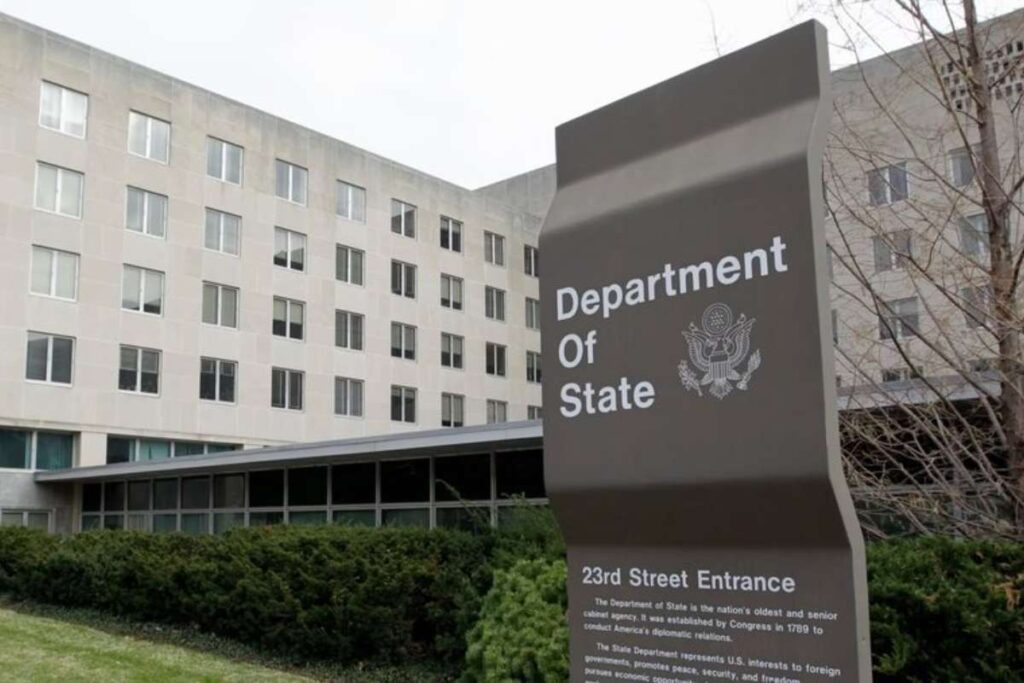
The U.S. Departments of State and Education have announced a new interagency partnership to strengthen oversight of foreign funding in U.S. universities. The initiative aims to improve accuracy and transparency in reporting, helping higher education institutions comply with Section 117 of the Higher Education Act of 1965, which requires disclosure of foreign gifts and contracts totaling $250,000 or more in a calendar year.
State Department Brings Expertise in Security and Academic Oversight
Under the agreement, the State Department’s Bureau of Educational and Cultural Affairs will assist Education in administering Section 117 reporting related to foreign funding in U.S. universities. The partnership leverages the State Department’s experience in national security and foreign-national academic admissions. Data collected from the Section 117 reporting portal will now be more easily used by national security experts and made accessible to the public, allowing potential risks to be addressed quickly and effectively.
This effort ensures that colleges and universities maintain clear records of foreign funding while providing authorities with the information needed to protect students and research programs. By combining Education’s program management with the State Department’s oversight capabilities, the initiative strengthens compliance and safeguards critical academic work.
Improving Transparency and Protecting Academic Integrity
The partnership emphasizes transparency, accuracy, and accountability in the reporting process concerning foreign funding in U.S. universities. Section 117 obligates higher education institutions to report foreign gifts and contracts that collectively meet or exceed $250,000 within a year. By supporting the administration of this law, the collaboration allows federal agencies to identify potential threats and monitor foreign influence on research and educational programs.
Education institutions will benefit from clearer guidance on compliance, while stakeholders, including researchers and the public, gain better access to information about foreign contributions. The initiative also helps streamline reporting procedures, reducing confusion and ensuring institutions meet federal requirements efficiently.
Officials highlighted that this partnership represents a proactive approach to safeguarding higher education. By making data from Section 117 reporting more accurate and accessible, the initiative strengthens the integrity of academic programs and ensures institutions operate with transparency.
The effort underscores the importance of collaboration between federal agencies to manage complex education requirements effectively. Through this interagency agreement, colleges and universities can continue to conduct research and host programs with confidence, while authorities can monitor foreign contributions and maintain oversight of potential risks.
Ultimately, the partnership aims to create a system where transparency, compliance, and academic integrity are strengthened. The combined expertise of the Departments of Education and State ensures that foreign funding in U.S. universities is properly reported and managed, supporting safe and accountable higher education environments for students and faculty.
This new collaboration sets a precedent for effective oversight in higher education and emphasizes the role of interagency partnerships in ensuring transparency and protecting the integrity of academic research and programs nationwide.
Visit Future Education Magazine to read more.