
Key Points:
- Student mentoring programs help students with academic guidance, college planning, and personal development.
- The Mentor for College Success Program connects students with adult mentors for regular guidance and support.
- A peer mentoring program allows senior students to mentor younger classmates and help them adjust to high school.
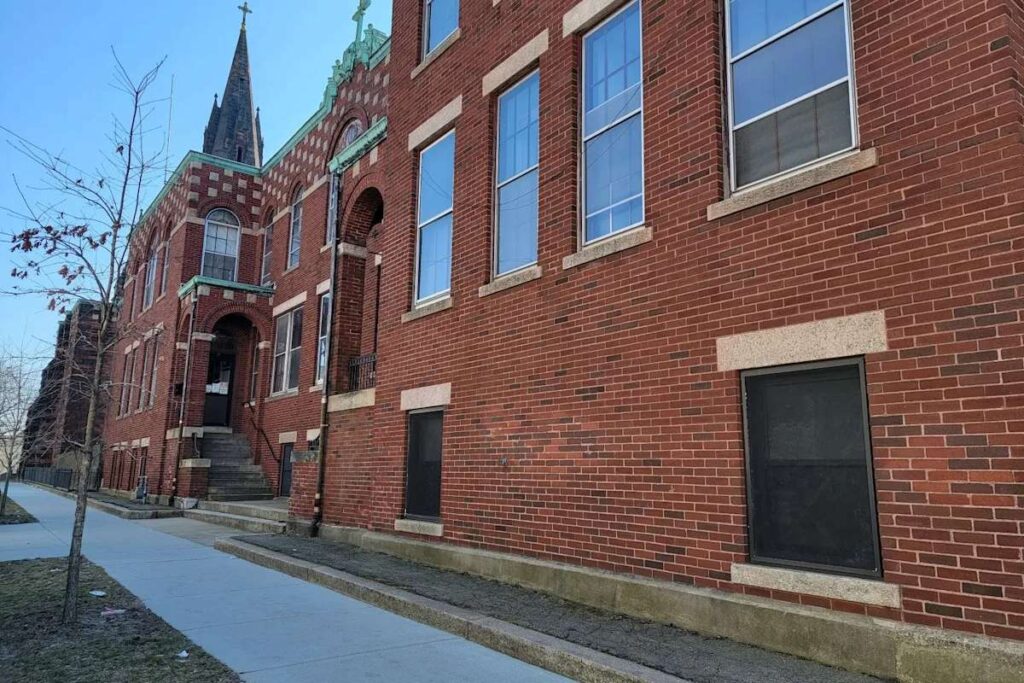
Students at Global Learning Charter Public School are taking part in student mentoring programs that focus on academic guidance and personal development. The school has introduced two initiatives that connect students with mentors who can help them plan for college and build confidence during their high school years. The programs are designed to support students as they prepare for higher education and develop strong learning habits.
College Mentoring Program Supports Students Through Higher Education Planning
The Mentor for College Success Program connects high school students with adult mentors who guide them through academic and career planning as part of the school’s broader student mentoring programs. Each mentor works closely with one student, forming a relationship that allows for consistent advice and encouragement.
Mentors and students meet in person once each month. These meetings allow students to discuss their goals, academic progress, and plans for college. In addition to these sessions, the program also organizes group meetings where participants focus on college preparation and career exploration.
Mentors maintain regular contact with their assigned students. As part of these student mentoring programs, they communicate through text messages, phone calls, or email at least once each week. This steady communication helps students stay engaged and gives them an opportunity to ask questions or seek advice whenever needed.
Students and mentors who cannot attend the scheduled monthly gathering still meet at school during lunchtime for a private session. These meetings ensure that each student receives personal guidance at least once every month.
Before mentoring begins, both mentors and students take part in an orientation and training session. The program also includes group activities that help participants get comfortable with each other. These sessions include icebreaker activities that help students and mentors build trust and open communication.
After these early meetings, mentors and students are matched. The pairing process considers student interests, mentor preferences, and observations from school staff. This method helps create partnerships that can support students throughout their academic journey.
School leaders hope that the relationships will continue even after students graduate. Mentors can remain a source of advice as students adjust to college life and academic challenges.
Student Mentoring Program Encourages Support Within The School Community
Alongside the college mentoring program, the school also operates a student mentoring program initiative that connects older students with younger classmates in order to build confidence and encourage collaboration within the school community.
Students in grades eleven and twelve serve as mentors for students in grades nine and ten. At present, six students from each group participate in the program. The goal is to introduce younger students to the value of mentorship and guidance at an early stage of high school.
Participants meet once every two weeks in the morning. During these meetings, students discuss school life, academic challenges, and strategies for success in their classes. Older students share their own experiences and provide advice that helps younger students adjust to high school expectations.
The mentoring initiative also serves as preparation for the community mentoring program that supports college planning. By working with experienced classmates, younger students gain confidence and learn how guidance from mentors can support their growth.
Global Learning Charter Public School serves about five hundred students in grades five through twelve. The school focuses on building strong relationships between students and teachers. Smaller class sizes allow teachers to understand the needs of each student and adjust instruction accordingly.
Students take part in an interdisciplinary curriculum that encourages collaboration and communication. They also learn to use technology in their coursework and develop the skills needed for responsible participation in a global society. The Student mentoring programs are part of the school’s broader effort to help students succeed both in school and in their future studies.
Visit Future Education Magazine to read more.