
Finding the best boarding schools in the U.S. used to be simple. People would look at a ranking list. They often chose schools with the oldest buildings and the highest Ivy League placement.
But in 2026, the ‘best’ school is no longer just about prestige. Parents are now looking for a high-return environment where return is measured in a child’s mental health, their social confidence, and their specific academic niche.
If you are searching for top U.S. boarding schools, this guide covers everything you need to know for your child’s growth and happiness.
How We Identified the Best Boarding Schools in the U.S.
To determine which institutions truly stand out, we reviewed academic performance, college placement records, student-faculty ratios, campus life, and financial aid availability. We also considered accreditation and membership in the National Association of Independent Schools, along with parent and student feedback.
Our focus is on established U.S. institutions with a strong history of academic excellence and student development. We focused on what makes these institutions truly the best boarding schools, from academics to campus culture.
In the list below of the best boarding schools in the U.S., we arranged the schools according to their boarding enrollment as of 2026.
1. Phillips Exeter Academy
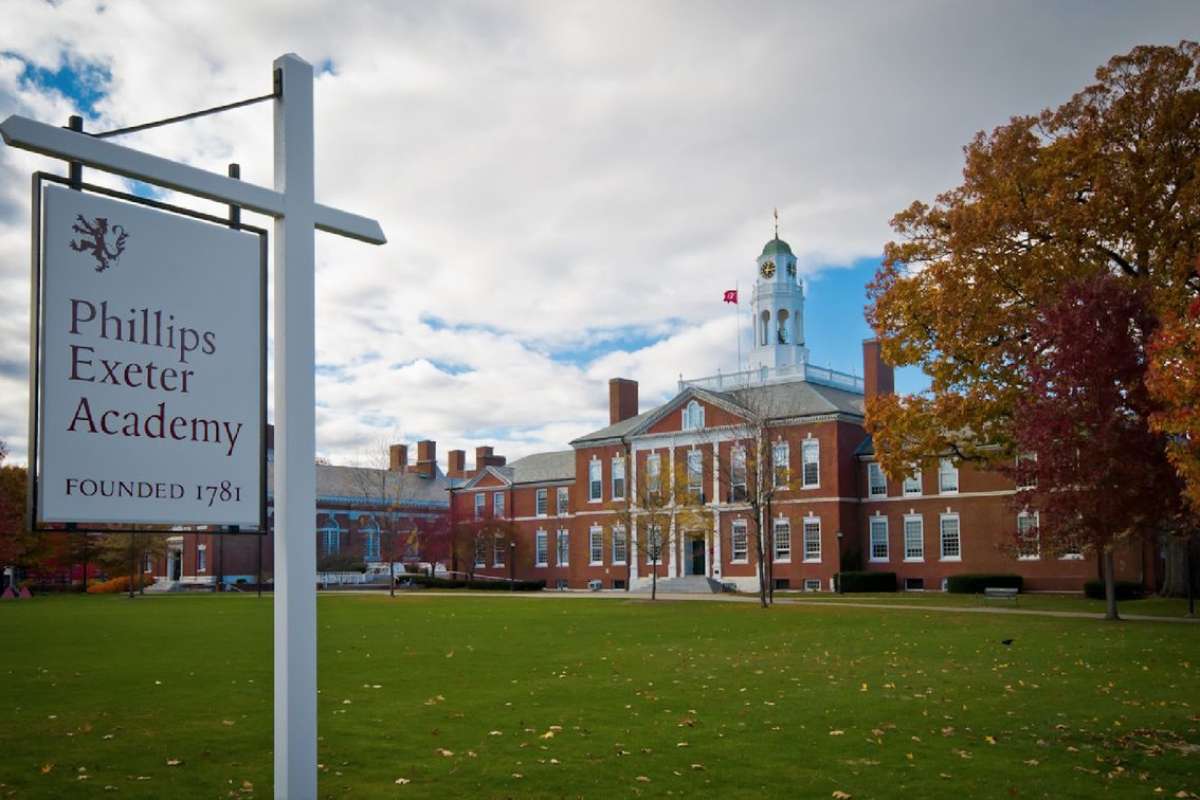
Dr. John and Elizabeth Phillips established Exeter in 1781. It is one of the oldest boarding schools in the U.S. The school uses the Harkness method. Students and teachers sit around a table for discussions. Exeter offers more than 250 courses, arts and athletics programs, travel opportunities, and research fellowships. The school also provides college counseling. Many graduates go on to top U.S. universities and remain connected through the alumni network.
- Number of Boarding Students: 892
- Location: Exeter, New Hampshire
- Notable Alumni: Mark Zuckerberg, Gore Vidal, John Irving
- College Placements: 25% Ivy League; 85% top-50 U.S. universities (Class of 2024-25).
2. Phillips Academy Andover
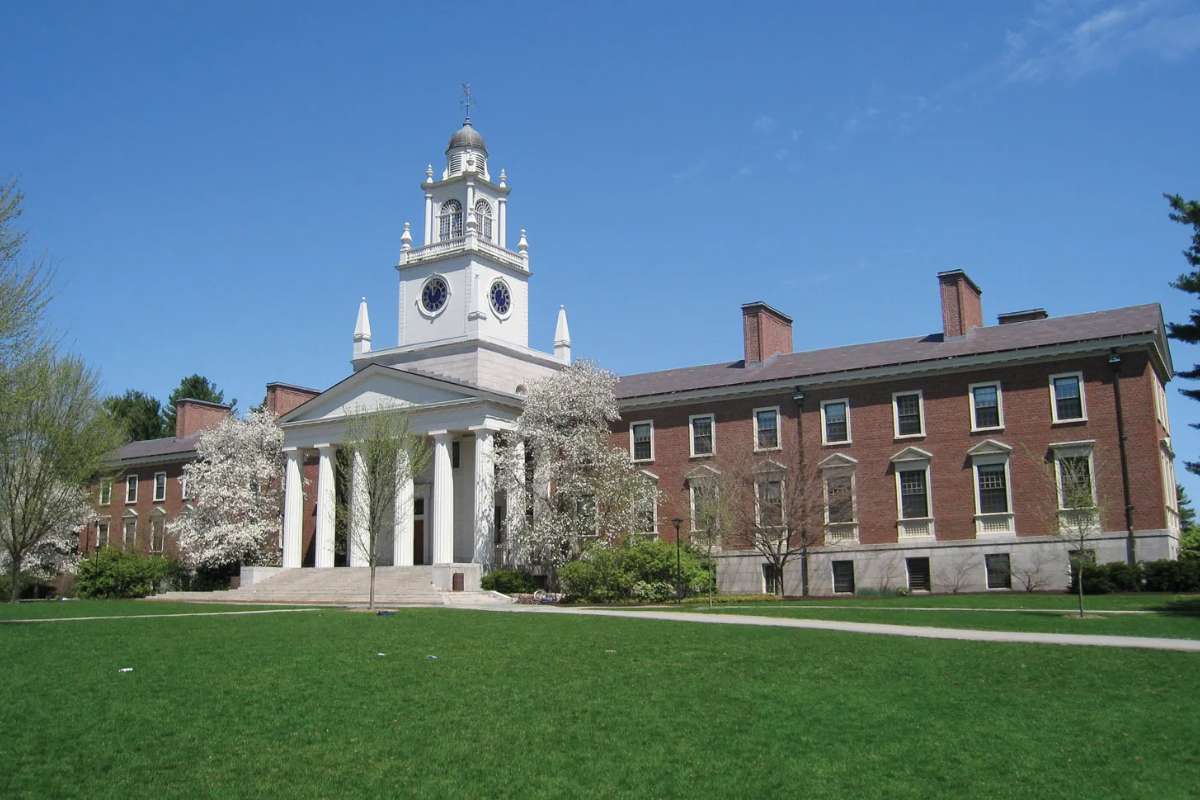
Samuel Phillips Jr. founded Andover in 1778. It is the oldest incorporated academy in the U.S. Andover is consistently ranked among the best boarding schools in the U.S. for academics and extracurricular programs. It includes debate, robotics, arts, and athletics. The campus covers more than 700 acres. It has science labs, performance venues, and residential houses.
- Number of Students: 874
- Location: Andover, Massachusetts
- Notable Alumni: Presidents George H.W. Bush, George W. Bush, Bill Belichick
- College Placements: 28% Ivy League and 90%+ to top-50 U.S. universities.
3. Choate Rosemary Hall
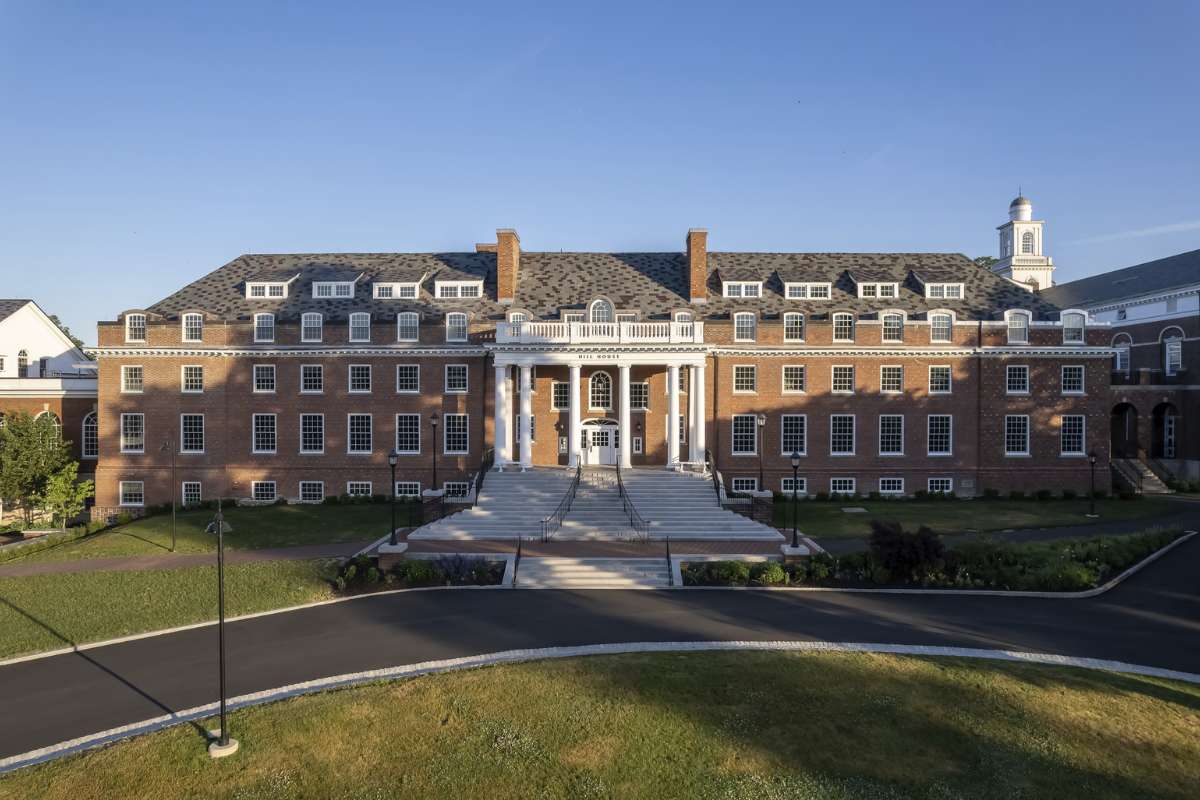
Two schools merged to form Choate. Rosemary Hall for girls opened in 1890. The Choate School for boys opened in 1896. Today, Choate operates as a coeducational boarding school. The school offers courses in science, arts, and languages. Students can join global programs and participate in campus activities.
- Number of Boarding Students: 645
- Location: Wallingford, Connecticut
- Notable Alumni: John F. Kennedy, Glenn Close, Ivanka Trump
- College Placements: 32% Ivy League; 15% top STEM like MIT/Caltech; 88% top-50 U.S. universities.
4. The Hotchkiss School
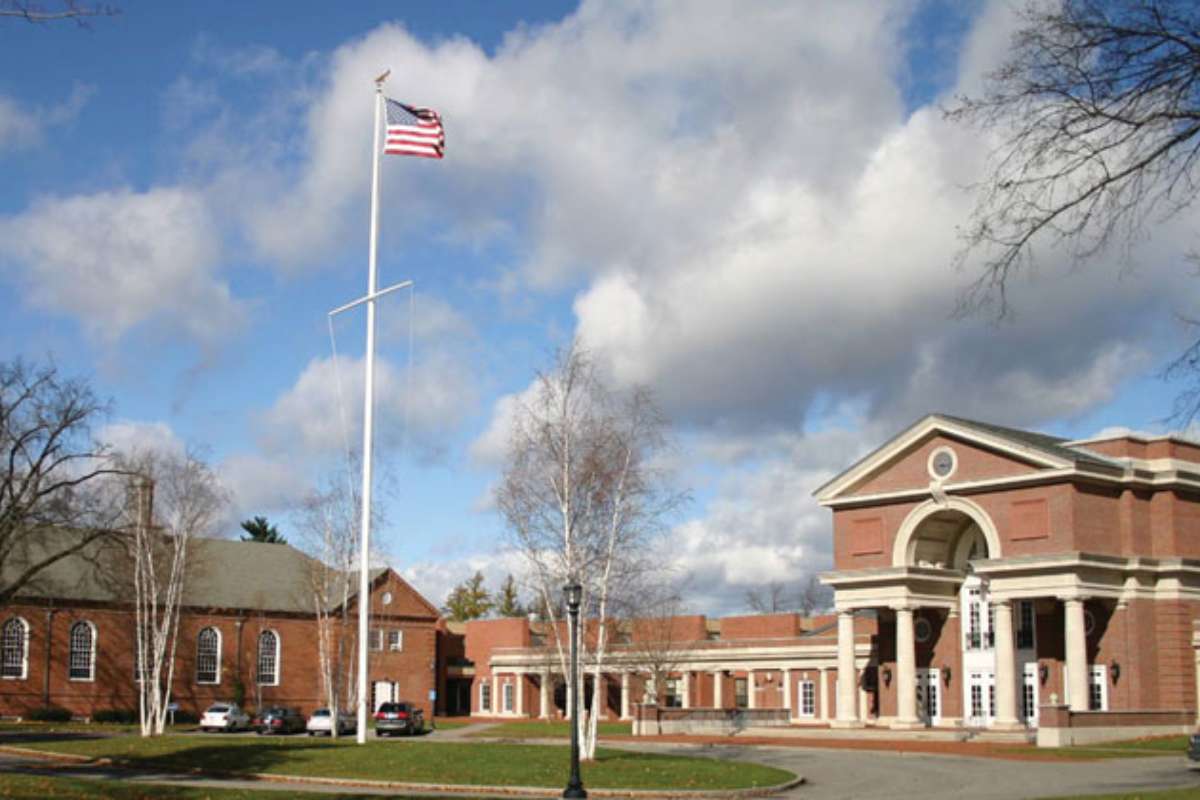
Maria Hotchkiss founded Hotchkiss in 1891. The school offers courses in sciences, humanities, and seven foreign languages. Students can participate in athletics and arts programs. Hotchkiss has outdoor learning areas and sports facilities. Many graduates attend leading colleges in the U.S.
- Number of Students: 587
- Location: Lakeville, Connecticut
- Notable Alumni: Allison Janney, Tom Werner
- College Placements: 27% Ivy League; 35% top liberal arts like Williams/Amherst.
5. The Lawrenceville School
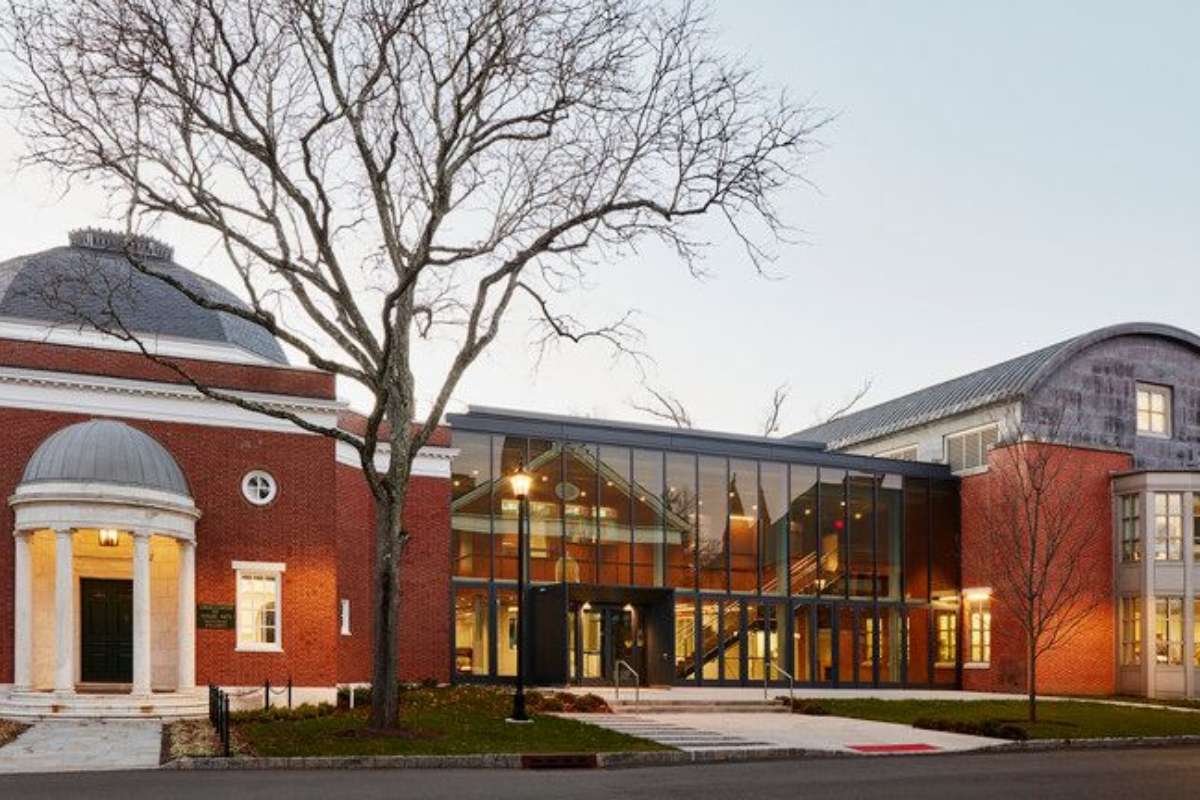
John Cleve Green founded Lawrenceville in 1810. The School stands out as one of the best boarding schools in the U.S., with its unique House System. Each house creates a smaller community within the school. Lawrenceville offers courses in humanities, sciences, and math. Students can join clubs, arts programs, and sports teams.
- Number of Boarding Students: 590
- Location: Lawrenceville, New Jersey
- Notable Alumni: Malcolm Forbes, Michael Eisner, Huey Lewis
- College Placements: 30% Ivy League; 25% top publics like UMich/UVA
You may also like: Feeling Overwhelmed by Academic Deadlines? Stay Organized With These 10 Study Planning Apps
6. Deerfield Academy
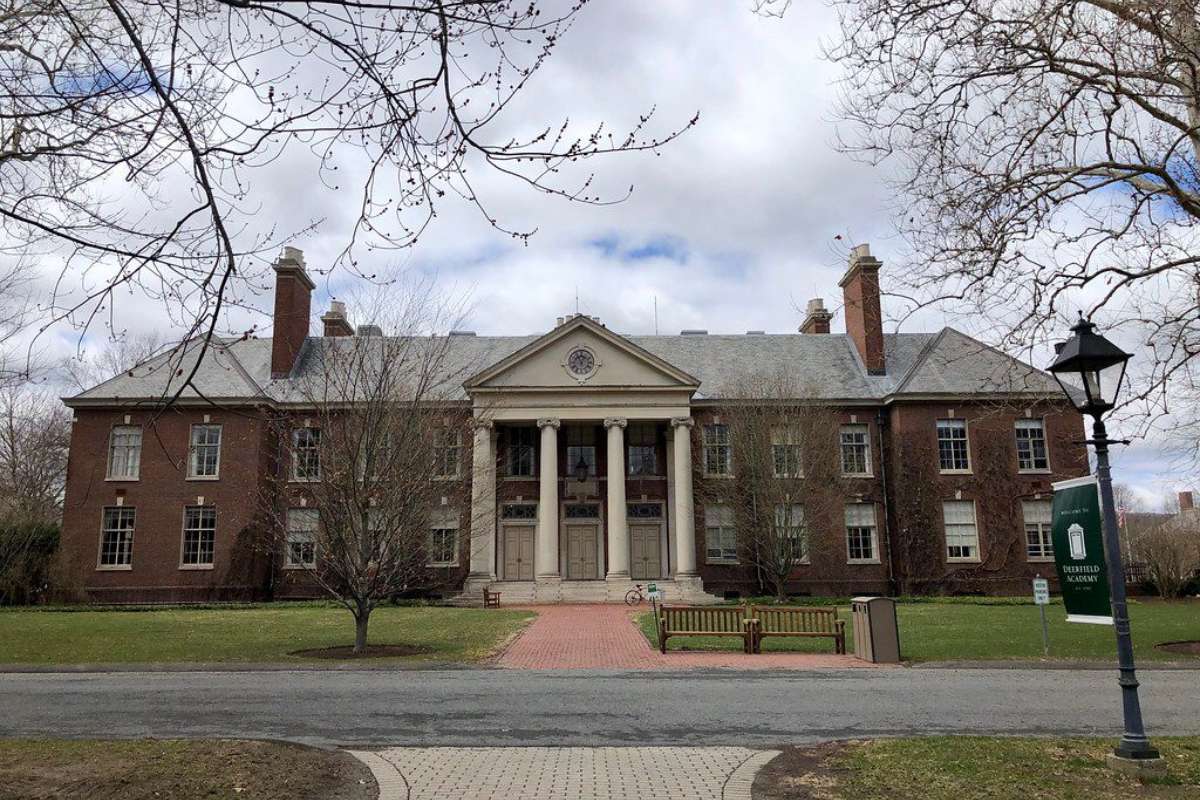
Deerfield Academy opened in 1797 in Deerfield, Massachusetts. The school offers courses in science, math, history, and writing. Students can join athletics, arts programs, and service activities. Deerfield updated its financial aid programs recently.
- Number of Students: 575
- Location: Deerfield, Massachusetts
- Notable Alumni: King Abdullah II of Jordan, Brian Simmons
- College Placements: 29% Ivy League; 40% top-25 U.S. universities (2025-26 Profile).
7. St. Paul’s School
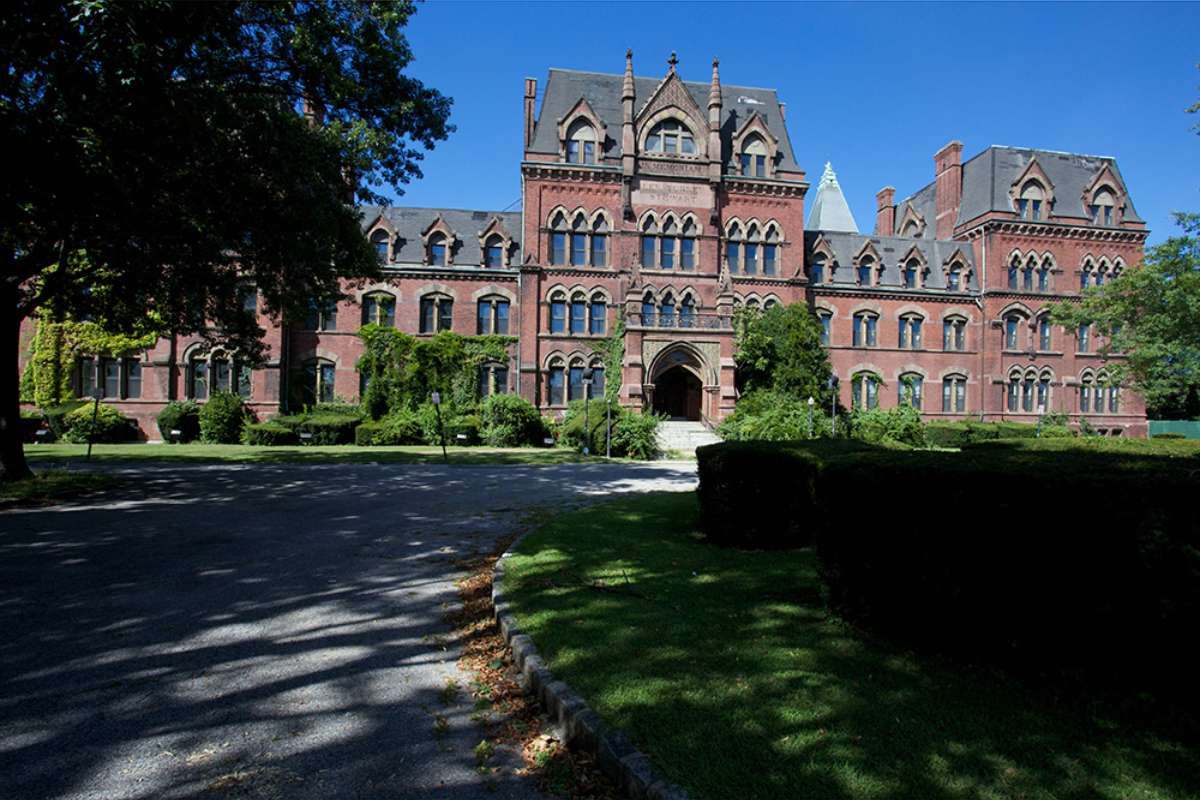
Dr. George Cheyne Shattuck Jr. founded St. Paul’s in 1856. It is a fully residential school in Concord, New Hampshire. All students live on the campus. The school offers core courses and electives in arts and sciences. Students can join sports, clubs, and community activities.
- Number of Students: 538
- Location: Concord, New Hampshire
- Notable Alumni: John Kerry, Robert Mueller
- College Placements: 33% Ivy League; 92% top-50 universities.
8. The Taft School
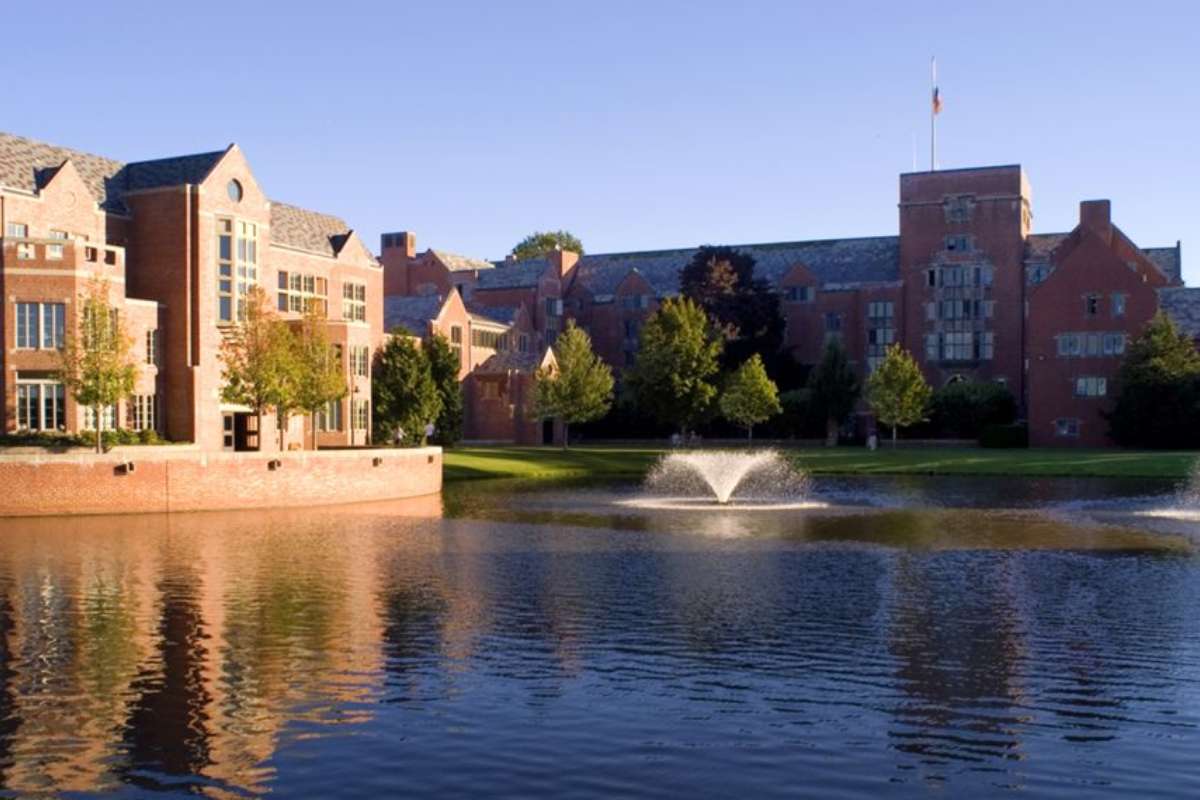
Horace Dutton Taft founded the Taft School in 1890 in Watertown, Connecticut. The school offers courses in history, science, and languages. Students can join sports teams and arts programs. The campus has academic buildings, sports facilities, and dormitories. Graduates attend colleges across the U.S.
- Number of Students: 495
- Location: Watertown, Connecticut
- Notable Alumni: Trey Anastasio, Mary Chapin Carpenter
- College Placements: 16% to top-25 U.S. universities; 18% to top-50 universities (past 5 years 2020–2024)
9. Milton Academy
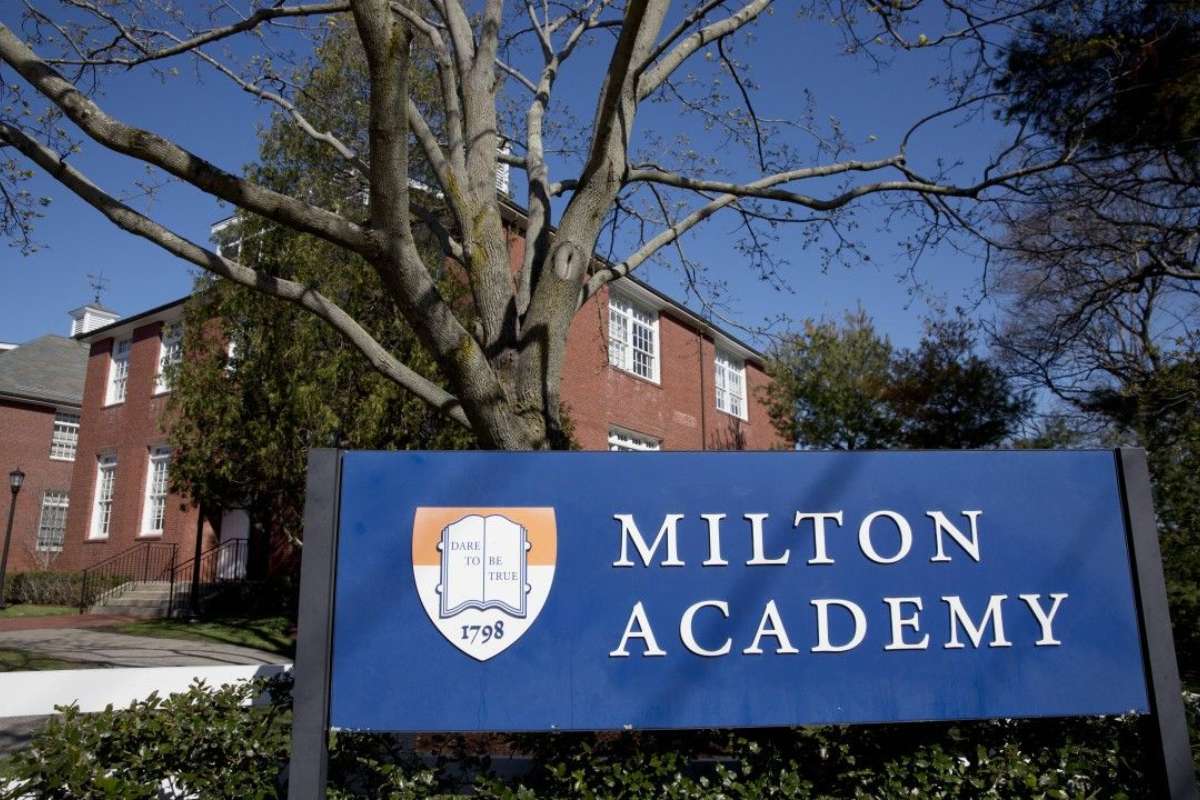
Milton Academy opened in 1798 near Boston, Massachusetts. The school offers college-prep courses, research opportunities, and advanced classes. Students can join arts and athletics programs. Both boarding and day students attend. Many graduates continue to competitive colleges.
- Number of Students: 357
- Location: Milton, Massachusetts
- Notable Alumni: T.S. Eliot, Robert F. Kennedy
- College Placements: 17% Ivy League; 183 graduates to 75 colleges.
10. Groton School
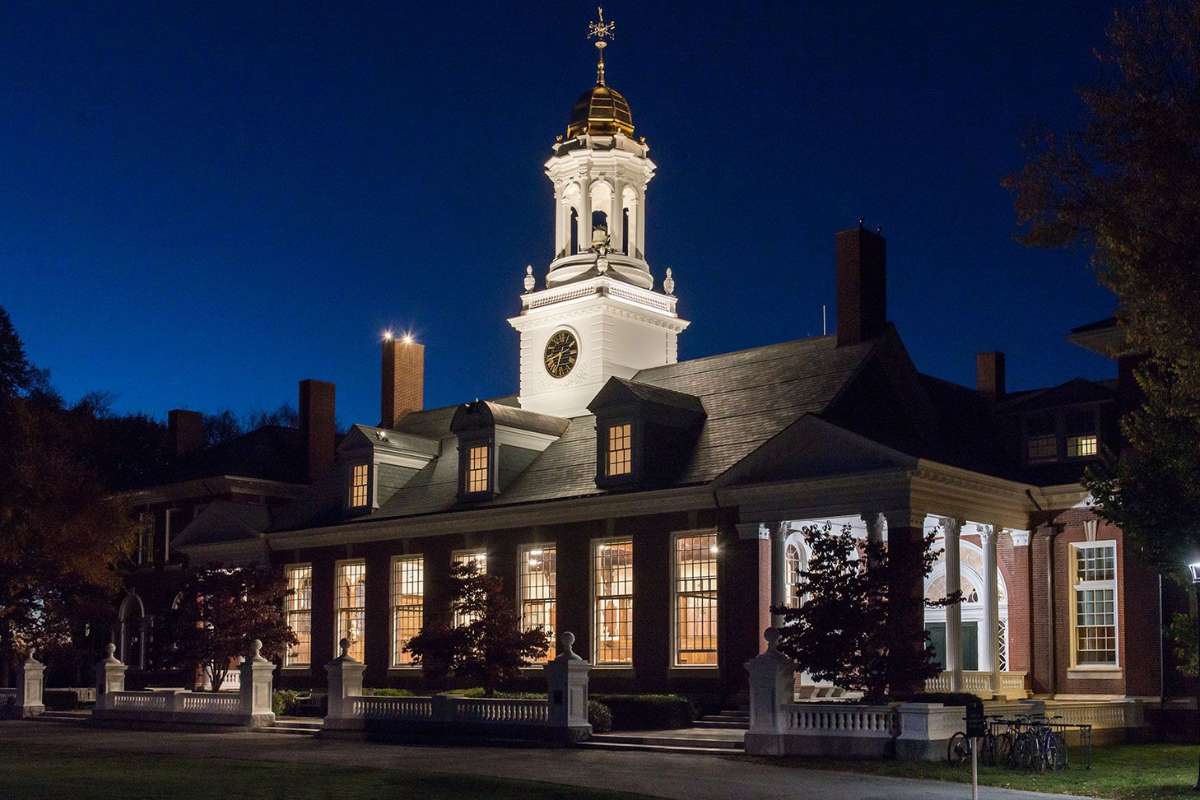
Episcopal priest Endicott Peabody founded Groton in 1884. He wanted the school to combine academics, moral development, and service. Groton has a small community and focuses on character and leadership. The curriculum prepares students for top colleges and future careers. The Circle campus and long-standing traditions make Groton stand out among boarding schools.
- Number of Students: 323
- Location: Groton, Massachusetts
- Notable Alumni: Franklin D. Roosevelt, Curtis Roosevelt
- College Placements: 35% Ivy League; 22% top-25 U.S. universities like UChicago/Stanford; strong to Williams/Amherst.
How to Choose Between the Best Boarding Schools in the U.S.?
To choose the right school for your child is not just about rankings or prestige. It’s about finding a place where your child can grow, flourish, and feel at home. Here’s a step-by-step approach to make that choice easier and more meaningful:
1. Match Your Goals
Before touring campuses, clarify your family’s priorities. Decide what matters most for your child’s growth. Are you looking for college preparation, arts or athletics, leadership, or a balanced environment? Defining these goals early keeps your search focused and avoids schools that look impressive but don’t fit your child’s needs.
2. Visit and Observe
Visit campuses whenever possible. Take tours and participate in shadow days. Walk through dorms, classrooms, and dining halls. Watch how students interact with teachers and peers. Are they engaged and confident? These visits reveal the school culture and whether your child would feel supported.
3. Academic Fit
Check class sizes, course options, and teacher credentials. Ask about honors, Advanced Placement, or special programs. See how teachers support struggling students. A strong academic fit challenges your child while giving the right support to succeed.
4. Student Support
Ask about counseling, health services, and dorm supervision. Students spend most of their time on campus. Emotional well-being and safety are essential. A school with strong support helps your child grow into a confident, balanced individual.
5. Budget Planning
Compare tuition, room and board, and extra costs. Find financial aid and scholarships. Knowing the costs early ensures your child can access the best opportunities without stress.
You may also like: Trade School Programs: Hands-on Learning Experience for a Successful Career
Cost & Financial Aid Secrets for Best Boarding Schools in the U.S.
Choosing the right boarding school raises a big question: How much will it cost, and what financial help is available? Financial aid grants can cover a large portion of tuition. This makes these schools more accessible than the sticker price suggests. Need‑based aid is common.
Most of the best boarding schools in the U.S. meet 100% of demonstrated need for the families who apply on time. Income thresholds also matter. Schools like Phillips Exeter Academy and St. Paul’s School may offer full tuition support to families below certain income levels.
It’s also helpful to understand the difference between need-blind and need-based admissions.
- Need-blind admissions: The school does not consider a family’s financial situation when admitting a student. Decisions are based solely on merit and fit.
- Need-based admissions: The school evaluates both the student’s qualifications and the family’s ability to pay. Financial aid is then provided to meet the demonstrated need.
Most top boarding schools combine these approaches: they admit students without considering finances and then provide aid to cover costs, making high-quality education accessible to a wider range of families. Below are factual costs and aid facts from the school so you can plan with confidence.
| School | Boarding Tuition (Approx / Year) | % Students on Aid | Average Grant / Aid |
| Phillips Exeter Academy | $69,537 | ~50% | $57,832 |
| Phillips Academy Andover | $76,731 | ~47% on aid | – |
| Choate Rosemary Hall | $73,530 | ~35% | ~80% of tuition |
| The Lawrenceville School | $82,710 | ~32–34% | $60,000 |
| The Hotchkiss School | $79,350 | ~37% | ~$65,701 |
| Deerfield Academy | $77,420 | ~39% | ~$64,300; free tuition for incomes ≤ $150K |
| St. Paul’s School (NH) | $71,800 | ~38% | 87% discount on tuition |
| The Taft School | ~$75,250 | ~35% | – |
| Milton Academy | $79,900 | ~37% | ~77% of tuition |
| Groton School | $62,740 | ~40–44% | ~$47,245; free under ~$150K income |
What it Really Takes to Get Accepted to the Best Boarding Schools in the U.S.?
Top boarding schools don’t just look at grades. They want to understand your child as a whole person. They seek students with passion, curiosity, and potential. Here’s what they usually consider:
1. Academic performance: Strong grades in core subjects show readiness for rigorous work.
2. Standardized tests: Some schools look at SSAT, ISEE, or other test scores.
3. Teacher recommendations: Insight from teachers helps schools understand your child’s work habits and character.
4. Essays and personal statements: These let students share their voice, goals, and personality.
5. Interviews: Schools often interview applicants to see if they fit, have confidence, and have good communication skills.
6. Extracurricular involvement: Sports, arts, clubs, service, or leadership roles show passion and balance.
7. Character and potential: Schools look for resilience, curiosity, kindness, and eagerness to learn.
How to Secure Financial Aid for Your Child’s Dream Boarding School
Financial aid helps families bring top schools within reach. It is almost always need‑based, meaning it depends on your family’s financial situation.
Here’s how schools typically decide:
- Family income and assets: Schools ask for tax returns and financial documents to understand the ability to pay.
- Household size: The number of people in your family affects aid eligibility.
- Number of children in school: If you have multiple children in school, this may influence the aid award.
- Special circumstances: Job loss, medical expenses, or other unique situations may be considered.
- Timely application: Meeting deadlines is critical. Aid is not guaranteed if forms are late.
Mostly, all the best boarding schools in the U.S. meet 100% of demonstrated financial need for families who qualify. This means they fill the gap between tuition and what your family can reasonably afford.
Conclusion:
The best boarding schools in the U.S. help your child grow, explore, and succeed. It’s a community where academics, arts, sports, and leadership come together to nurture curiosity and resilience. Thoughtful planning, understanding financial aid, and visiting campuses give families the clarity to choose a school that truly fits.