
Key Points:
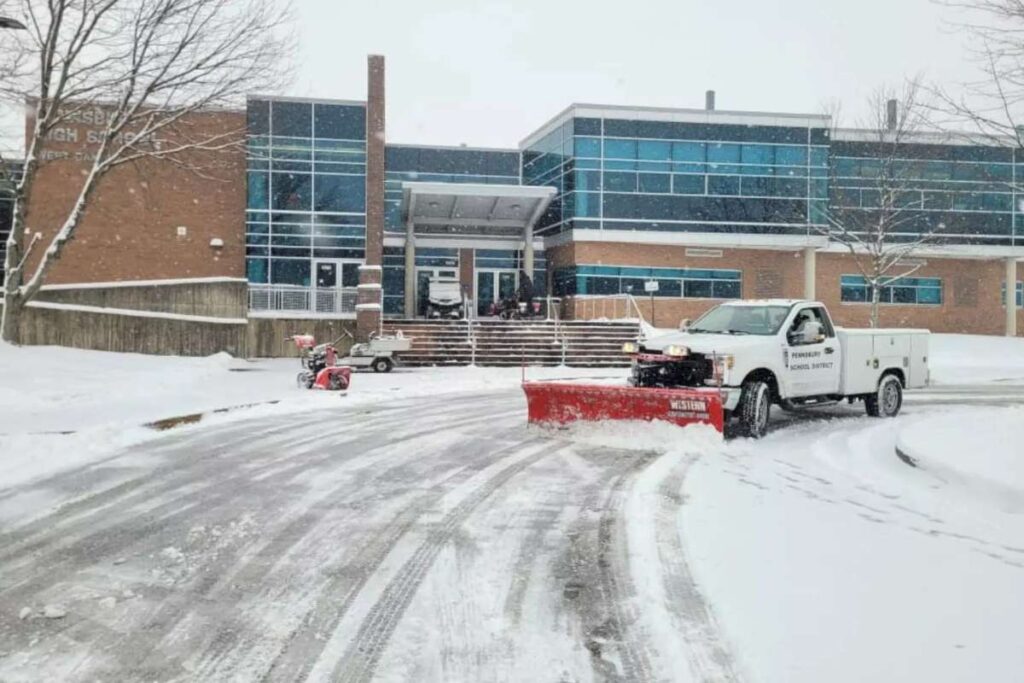
- Schools delayed or moved to online classes due to unsafe travel conditions caused by winter weather school disruptions.
- Power outages and strong winds added to operational challenges.
- Weather advisories may cause further schedule changes.
Schools across western Pennsylvania are adjusting daily schedules as fresh snowfall impacts travel and safety conditions for students and staff. The changes come shortly after strong winds caused power outages and fallen trees in several areas, creating additional challenges for school operations. Educators and administrators are working to maintain learning continuity while ensuring student safety during the ongoing weather conditions.
Schools Adjust Timings To Ensure Student Safety
Many schools in the region have delayed start times or shifted to remote learning options in response to the snowfall, reflecting ongoing winter weather school disruptions. Road conditions remain a primary concern, especially in areas where snow accumulation has made travel difficult. School transport services are also affected, with buses facing delays or route changes due to icy roads and reduced visibility.
For students and teachers, these schedule changes require quick adjustments during winter weather school disruptions. Morning routines have shifted, and classrooms have adapted to either later start times or virtual instruction. Schools are communicating updates through official channels to ensure that families remain informed about daily changes.
The recent weather follows a period of strong winds that led to power disruptions in multiple communities. Some schools are still managing the impact of those outages, which affected heating systems, lighting, and digital infrastructure. In such cases, administrators are prioritizing safe and functional learning environments before resuming normal schedules.
Teachers are also adapting lesson plans to account for these interruptions. In classrooms that remain open, lessons may be shortened or modified. In virtual settings, educators are focusing on essential topics to keep students on track despite the disruptions.
Weather Advisory Continues To Impact Learning Environment
A winter weather advisory remains in effect for several counties, including Clarion, Forest, Garrett, Indiana, Preston, and Venango, as well as higher elevation areas in Monongalia, Fayette, and Westmoreland counties. The advisory is expected to remain active until late evening in some regions, indicating continued snowfall and potentially hazardous conditions.
For students, this means that school schedules may continue to change depending on how the weather develops amid ongoing winter weather school disruptions. Parents and teachers are staying alert for updates, as conditions can shift quickly during winter weather events. Safety remains the primary concern, especially for younger students and those who rely on school transport.
Snow-covered roads and reduced visibility can make commuting risky, which is why many schools choose to delay or modify schedules rather than operate under normal conditions. These decisions are made with careful consideration of both student safety and the need to maintain consistent learning progress.
Despite the disruptions, schools are working to ensure that students continue to receive instruction. Digital tools and flexible teaching methods are helping bridge the gap during days when in-person classes are not possible. This approach allows students to stay engaged with their studies even when weather conditions prevent regular attendance.
The situation highlights the importance of adaptability within the education system during winter weather school disruptions. Both students and teachers are learning to navigate unexpected changes while continuing to focus on academic goals. As weather conditions improve, schools are expected to gradually return to normal schedules, but for now, flexibility remains key in managing the ongoing impact of winter weather.
Visit Future Education Magazine to read more.