
Key Takeaways
- The number of challenged books remains near record highs across libraries amid rising Book bans in US libraries
- The American Library Association recorded 4,235 challenged titles in 2025
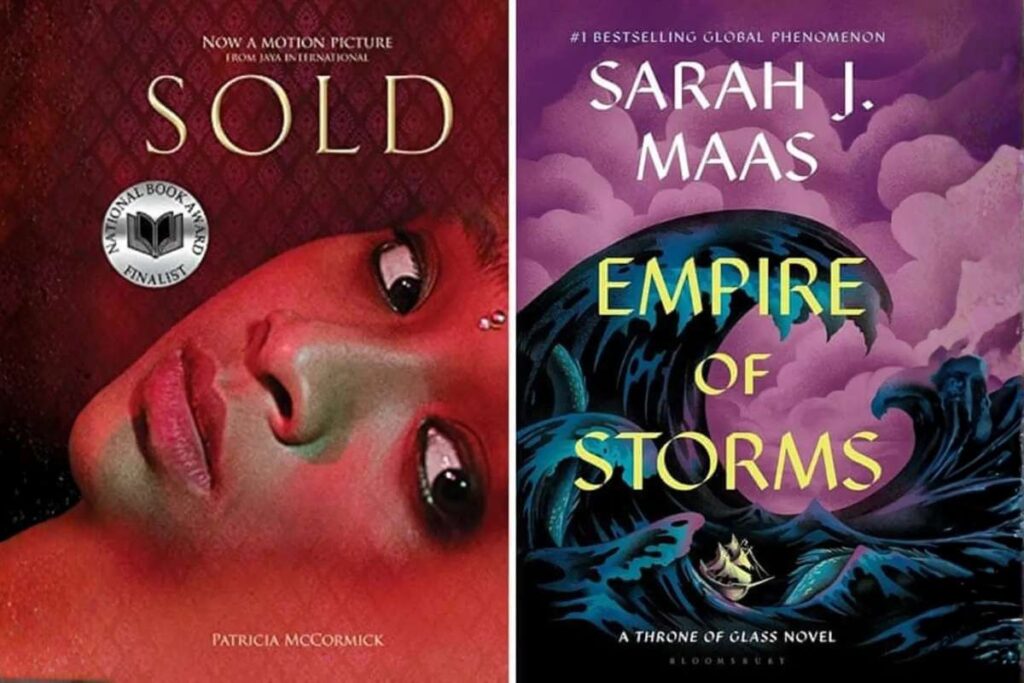
- The most challenged book was Sold
- The majority of challenges now come from organized groups rather than individuals
- The trend highlights growing pressure on educators and librarians to manage content access
Libraries across the United States are facing a continued rise in Book bans in US libraries, with new data showing that the number of contested titles remains close to historic highs. The latest figures reflect ongoing changes in how books are reviewed and questioned within educational and public library systems.
Most Challenged Books Reflect Diverse Themes
The American Library Association released its annual list of the most challenged books as part of its State of America’s Libraries Report. This year’s list included eleven titles due to multiple ties, showing a wide range of themes and genres under review.
Among the most challenged works were The Perks of Being a Wallflower, Gender Queer, and Empire of Storms. Other titles included A Clockwork Orange and Looking for Alaska.
The reasons for challenges varied across titles. Some books were questioned for their themes, while others were noted for their portrayal of sensitive topics or character behavior. The variety of concerns shows the broad scope of content being evaluated in libraries.
The association defines a challenge as an attempt to remove or restrict access to a resource based on objections from a person or a group. In total, 4,235 different works were challenged in 2025, a figure close to the highest level recorded by the organization.
Changing Patterns In Library Challenges
The data also shows a shift in how these challenges are initiated, influencing the pattern of Book bans in US libraries. In the past, most requests came from individuals within local communities. Recent patterns indicate that a larger share now comes from organized groups and coordinated efforts.
More than 90 percent of the challenges in 2025 were linked to such organized actions. This marks a notable change in how books are being reviewed and questioned across educational environments.
The report also notes that the number of actual removals exceeded the number of titles challenged, with more than 5,600 recorded cases. This suggests that once a book is challenged, it may face repeated reviews across multiple locations, reinforcing the impact of book bans in US libraries.
For students and teachers, these developments highlight the evolving role of libraries in managing access to a wide range of materials. Libraries continue to balance the goal of offering diverse content with the need to respond to concerns raised by communities.
The findings also show that many incidents may go unreported, meaning the total number of challenges could be higher. As libraries continue to adapt, the focus remains on maintaining access to educational resources while addressing feedback from readers and stakeholders.
The ongoing trend reflects a broader shift in how educational content is evaluated and shared, with libraries playing a central role in shaping access to knowledge and learning materials during a period of increasing book bans in US libraries.
Visit Future Education Magazine For The Most Recent Information.