
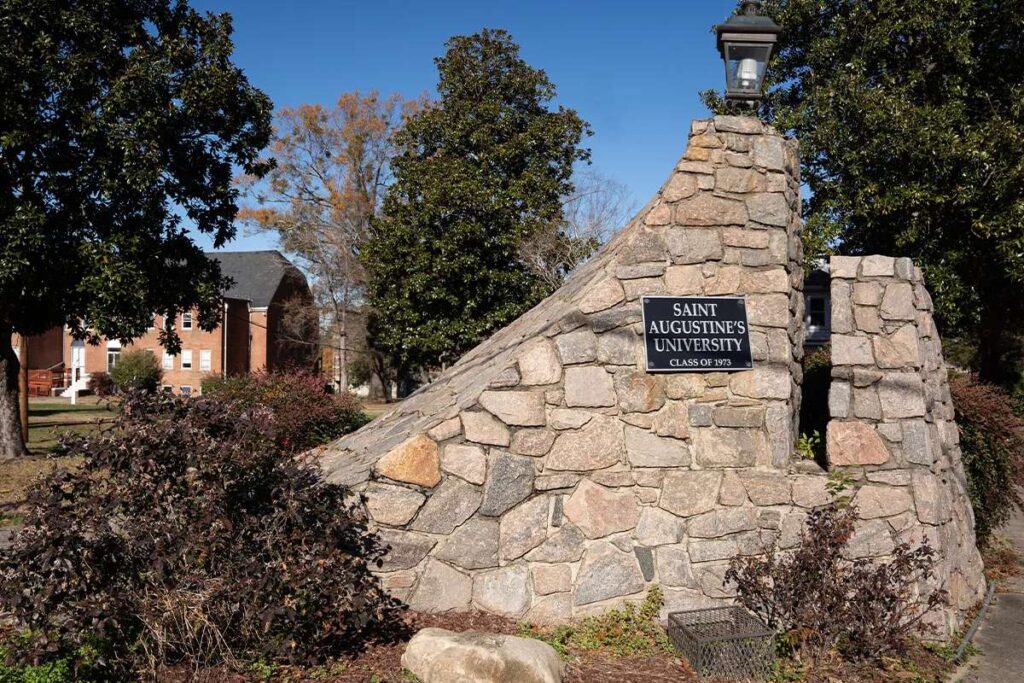
Key Takeaways
- Saint Augustine’s University reports reports $50M to $100M debt, 200 to 999 creditors.
- The filings list $14.4M owed to IRS, assets up to $500M.
- The accreditation process ends May 15.
Saint Augustine’s University has filed for Chapter 11 bankruptcy as it seeks to address ongoing financial challenges and stabilize its operations. The institution described the move as voluntary and stated that it intends to continue operating while restructuring its financial position.
Financial Position And Operational Continuity
Court filings indicate that Saint Augustine’s University owes between $50 million and $100 million to creditors. The number of creditors is estimated to range from 200 to 999. Asset valuations vary widely, with estimates ranging from $1 million to $500 million.
The filings also show that the institution owes $14.4 million to the Internal Revenue Service. Despite these financial pressures, the university has stated that it will continue academic operations during the restructuring process.
Campus activity appears reduced at Saint Augustine’s University, with limited visible operations. However, essential services such as electricity remain active, indicating that the institution is maintaining basic functionality while addressing its financial situation.
Leadership changes have also been confirmed. Interim President Dr. Jennie Ward Robinson has stepped down, and Dr. Verjanis Peoples has assumed the interim role. The transition comes as the university works through a period of financial and administrative adjustment.
Accreditation Decision And Academic Pathways
Saint Augustine’s University has confirmed that it will no longer continue efforts related to maintaining its accreditation status. The accreditation process is set to conclude on May 15. Current students nearing graduation are expected to receive degrees from an accredited institution.
For future students, the university plans to focus on alternative academic pathways. These include teach-out agreements with other institutions, as well as the development of certificate programs and apprenticeship opportunities.
The decision to discontinue the accreditation effort reflects a shift in resource allocation. The institution has indicated that it will prioritize supporting students through transition pathways and maintaining access to educational outcomes.
Experts note that Chapter 11 allows organizations to reorganize financial obligations while continuing operations. However, the process requires detailed reporting of assets and liabilities within a defined timeframe.
The university is expected to submit a full financial accounting to the court within 14 days, unless an extension is granted. This step will provide further clarity on its financial position and future plans.
The situation highlights the financial pressures faced by some higher education institutions like Saint Augustine’s University and the importance of sustainable funding models. For students and educators, the developments emphasize the need to understand how institutional stability can affect academic continuity and long-term planning.
Visit more of our news! Future Education Magazine