
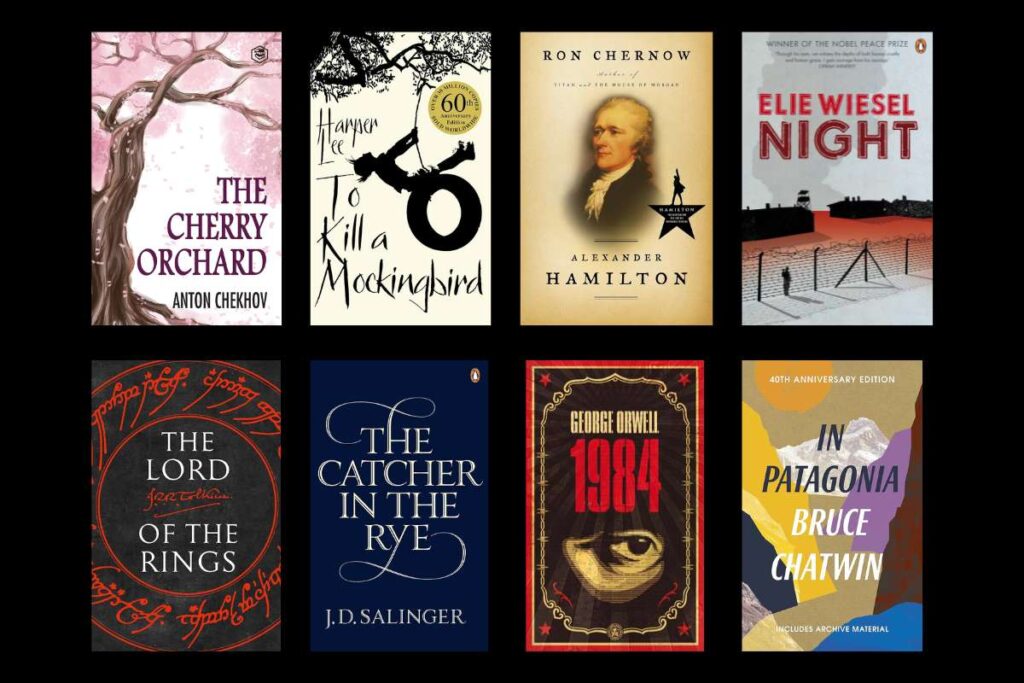
Have you ever lost yourself in the pages of a book? The stories within can capture emotions and put forth challenging ideas that make you think. They can take readers to worlds that feel both distant and familiar. Classic novels can hold this kind of power.
For students, these stories are lessons in literature and life. Courage, love, ambition, and justice, every page helps shape how young minds think and feel. Each novel is a journey that connects generations through the power of words and imagination.
In this article, we will look at some of the best classic novels to read to expand the horizons of your knowledge, understanding, and imagination.
How did Classic Literature Come to Be?
Classic literature grew from centuries of storytelling and reflection on human nature. Early writers explored the ideas of love, power, and morality that still shape modern thought. As society changed, new genres emerged.
The romantic era of the late 18th century brought emotion and imagination through authors like Jane Austen, William Wordsworth, and Mary Shelley. The Victorian period followed, with Charles Dickens and Charlotte Brontë revealing the struggles of everyday life. Realist writers such as Leo Tolstoy and George Eliot captured ordinary experiences, while Gothic tales by Edgar Allan Poe and Bram Stoker added mystery and suspense.
By the 20th century, modernists like Virginia Woolf and James Joyce broke traditions with bold narrative styles. Genres like romantic, realist, gothic, and modernist helped define classic literature, giving it the depth and power that continue to move readers today.
As you can see, the literature of the past has given us many classic novels to read. So, without further ado, let us uncover some of these gems that have withstood the test of time.
Here are 30 Classic Novels to Read across Every Genre
This list covers the classic novels that shaped literature across fiction, non-fiction, poetry, and drama. Dive into epic adventures, heartfelt memoirs, philosophical reflections, and poetic masterpieces that defined generations. Each title reveals the beauty, emotion, and wisdom that make these works timeless and essential for every reader.
| No. | Title | Genre | Author | Year Published |
| Fiction Books | ||||
| 1 | To Kill a Mockingbird | Coming-of-Age | Harper Lee | 1960 |
| 2 | The Lord of the Rings | Fantasy | J.R.R. Tolkien | 1954 |
| 3 | The Catcher in the Rye | Modern Literary Fiction | J.D. Salinger | 1951 |
| 4 | 1984 | Dystopian | George Orwell | 1949 |
| 5 | Brave New World | Dystopian Science Fiction | Aldous Huxley | 1932 |
| 6 | Murder on the Orient Express | Mystery | Agatha Christie | 1934 |
| 7 | The Great Gatsby | Jazz Age Literary | F. Scott Fitzgerald | 1925 |
| 8 | The Adventures of Huckleberry Finn | Adventure/Satire | Mark Twain | 1884 |
| 9 | War and Peace | Historical Epic | Leo Tolstoy | 1869 |
| 10 | Little Women | Domestic Coming-of-Age | Louisa May Alcott | 1868 |
| 11 | Alice’s Adventures in Wonderland | Surreal Fantasy | Lewis Carroll | 1865 |
| 12 | A Tale of Two Cities | Historical Fiction | Charles Dickens | 1859 |
| 13 | Jane Eyre | Gothic Romance | Charlotte Brontë | 1847 |
| 14 | Frankenstein | Gothic Science Fiction | Mary Shelley | 1818 |
| 15 | Pride and Prejudice | Romance | Jane Austen | 1813 |
| Non-Fiction Books | ||||
| 16 | Alexander Hamilton | Biography | Ron Chernow | 2004 |
| 17 | In Patagonia | Travel/Memoir | Bruce Chatwin | 1977 |
| 18 | Night | Memoir (Survival) | Elie Wiesel | 1956 |
| 19 | The Diary of a Young Girl | Memoir (Holocaust) | Anne Frank | 1947 |
| 20 | The Story of My Experiments with Truth | Autobiography | Mahatma Gandhi | 1927 |
| 21 | Travels with a Donkey in the Cévennes | Travelogue | Robert Louis Stevenson | 1879 |
| 22 | The Origin of Species | Science | Charles Darwin | 1859 |
| 23 | Walden | Nature/Philosophy | Henry David Thoreau | 1854 |
| 24 | The Histories | History | Herodotus | Around 440 BC |
| 25 | Meditations | Philosophy (Stoicism) | Marcus Aurelius | Around 180 AD |
| Dramas and Plays | ||||
| 26 | The Cherry Orchard | Social Realism | Anton Chekhov | 1904 |
| 27 | A Doll’s House | Realist Drama | Henrik Ibsen | 1879 |
| 28 | King Lear | Tragedy | William Shakespeare | 1606 |
| 29 | The Bacchae | Greek Tragedy | Euripides | Around 405 BC |
| 30 | Oedipus the King | Greek Tragedy | Sophocles | Around 429 BC |
Fiction Books
Fiction classics are the heart of literature. They explore human emotions, society, and imagination through unforgettable characters and vivid storytelling. These books reveal how people think, dream, and act when faced with love, fear, or change. Each story opens a new window into a different time, yet still feels deeply personal.
1. To Kill a Mockingbird
- Genre: Coming-of-Age
- Author: Harper Lee
- Year Published: 1960
Harper Lee’s work blends innocence with moral courage. Through the eyes of a child, it examines justice and kindness in a divided world. People still turn to this book for its message about empathy and standing up for what’s right, even when it’s hard.
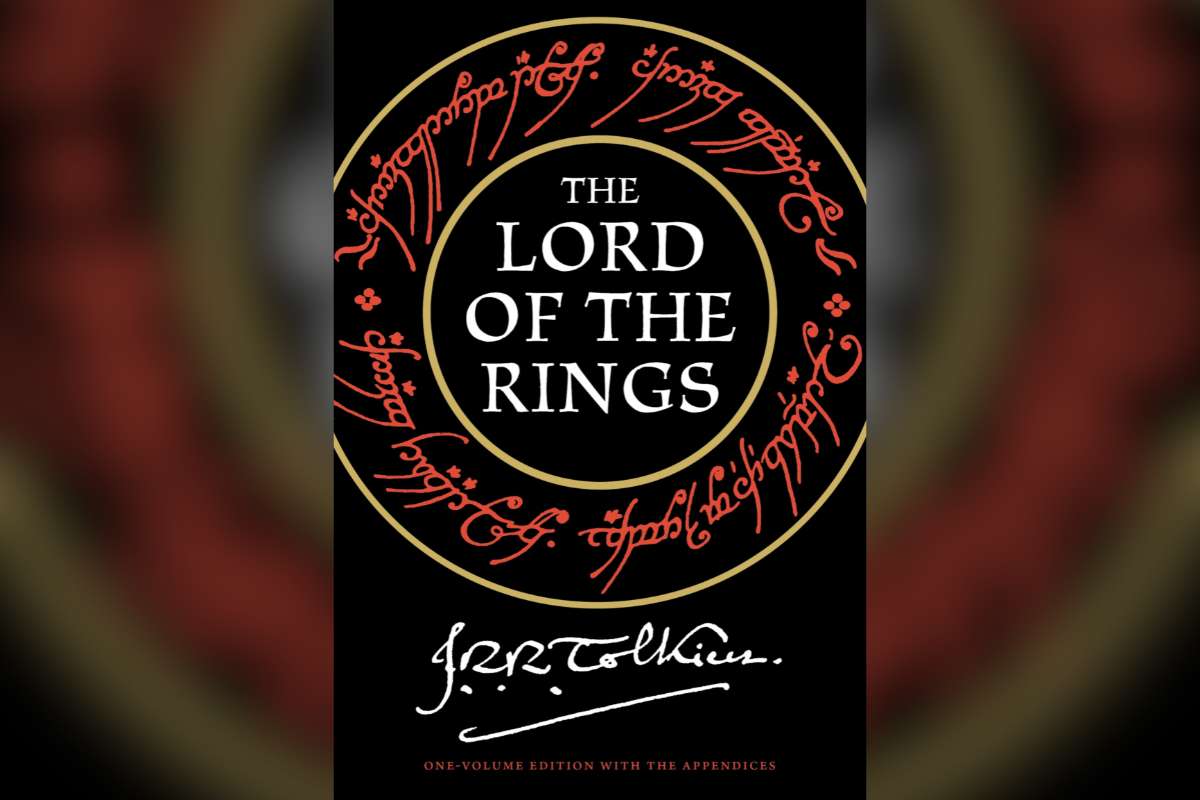
2. The Lord of the Rings
- Genre: Fantasy
- Author: J.R.R. Tolkien
- Year Published: 1954
Adventure awaits in “The Lord of the Rings,” one of the most beloved classic novels to read in fantasy literature. Tolkien built one of the most detailed fantasy worlds ever created. His rich mythology, languages, and characters defined what modern fantasy became. The book inspires readers to see courage, friendship, and hope as forces that overcome darkness. It remains a model for all epic storytelling.
3. The Catcher in the Rye
- Genre: Modern Literary Fiction
- Author: J.D. Salinger
- Year Published: 1951
This book is a staple if you want classic novels to read. Salinger’s simple but honest writing speaks to every generation. The voice of Holden Caulfield feels real, lost, and searching for meaning. The novel gave teenage rebellion a voice and helped shape the idea of youth identity in literature.
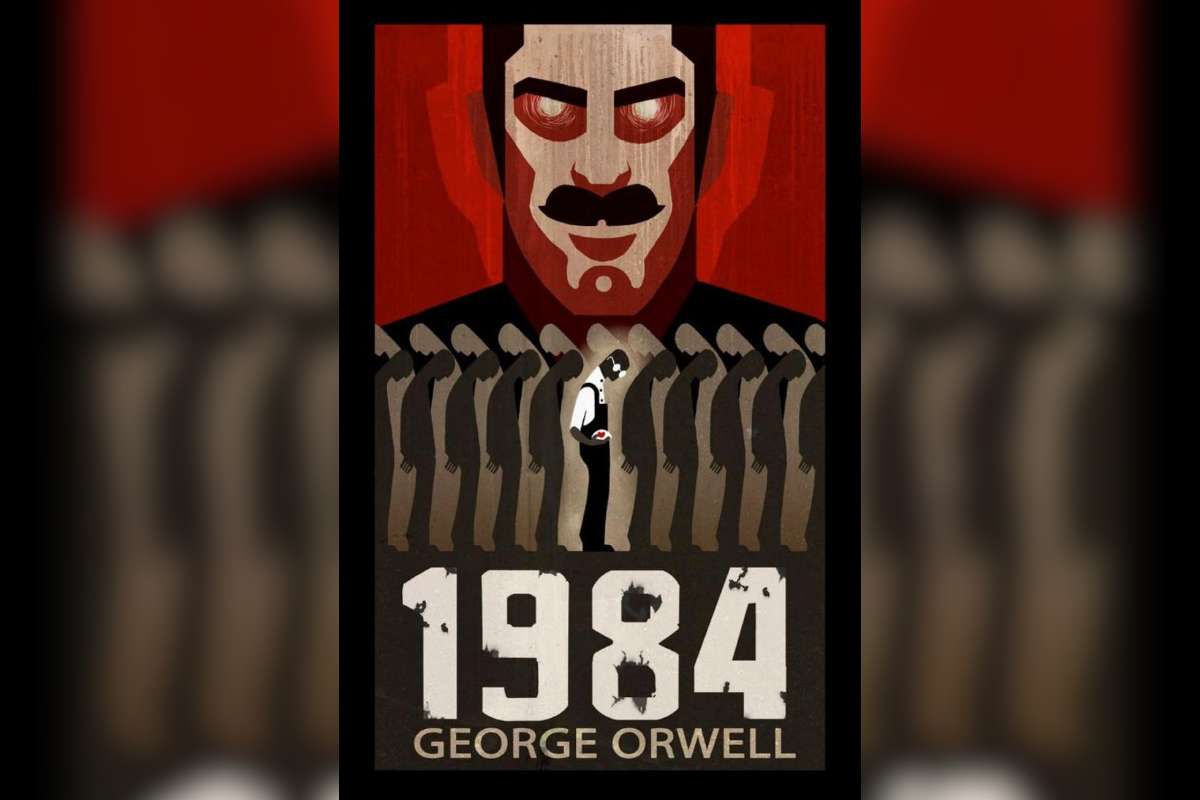
4. 1984
- Genre: Dystopian
- Author: George Orwell
- Year Published: 1949
Orwell’s chilling vision of a world ruled by control and lies still feels relevant. His ideas about surveillance, truth, and freedom echo in today’s digital age. The book’s bold honesty and thought-provoking language make it one of the most powerful political novels ever written. For readers seeking cautionary tales, “1984” is a key entry in their list of classic novels to read.
5. Brave New World
- Genre: Dystopian Science Fiction
- Author: Aldous Huxley
- Year Published: 1932
Huxley imagined a future shaped by comfort and control. The novel questions what happens when people trade freedom for pleasure. Its ideas about technology, conformity, and individuality remain deeply thought-provoking, showing how easily progress can lose its soul.
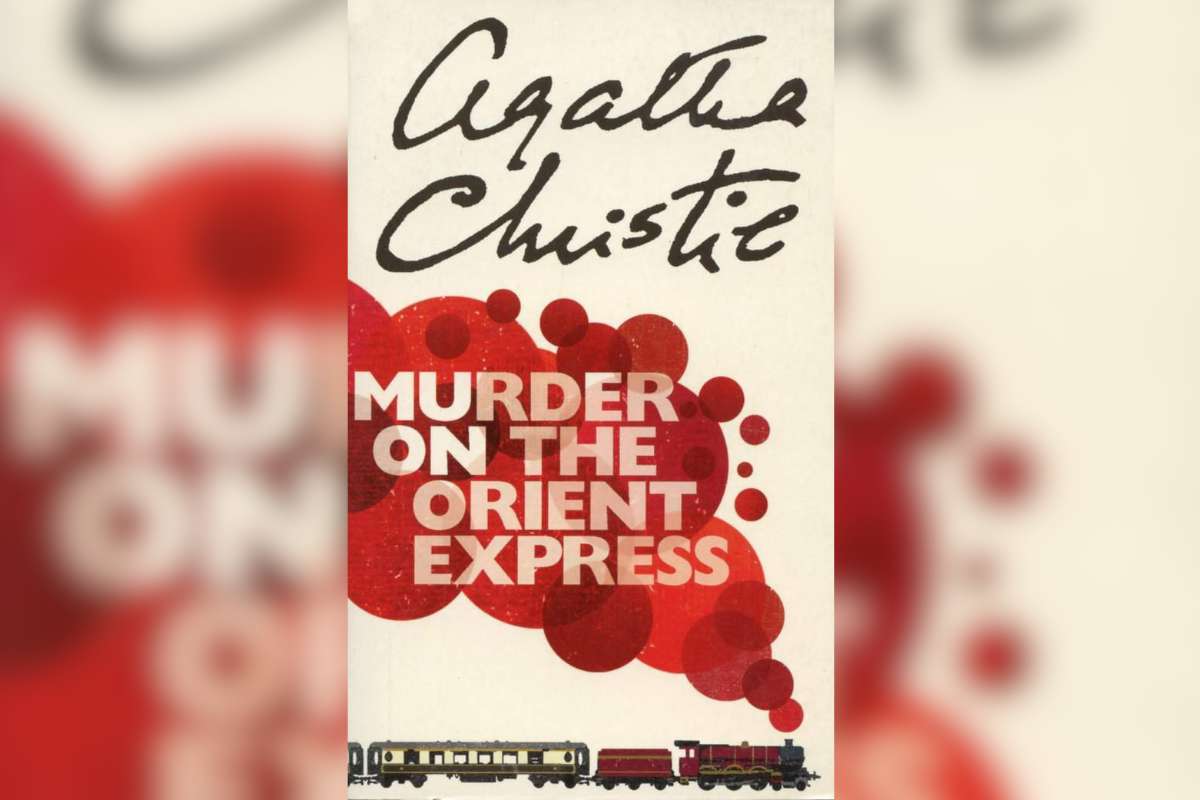
6. Murder on the Orient Express
- Genre: Mystery
- Author: Agatha Christie
- Year Published: 1934
Mystery fans looking for classic novels to read cannot miss this thrilling whodunit. Christie’s skill in crafting puzzles and suspense remains unmatched. Her detective, Hercule Poirot, is known worldwide. This story’s unique twist redefined mystery writing, showing how logic and psychology can make a crime story unforgettable.
7. The Great Gatsby
- Genre: Jazz Age Literary
- Author: F. Scott Fitzgerald
- Year Published: 1925
Fitzgerald captured the beauty and emptiness of the American Dream. His poetic language and tragic vision of love and ambition created a masterpiece. Readers connect with its longing for something just out of reach, a timeless symbol of human desire.
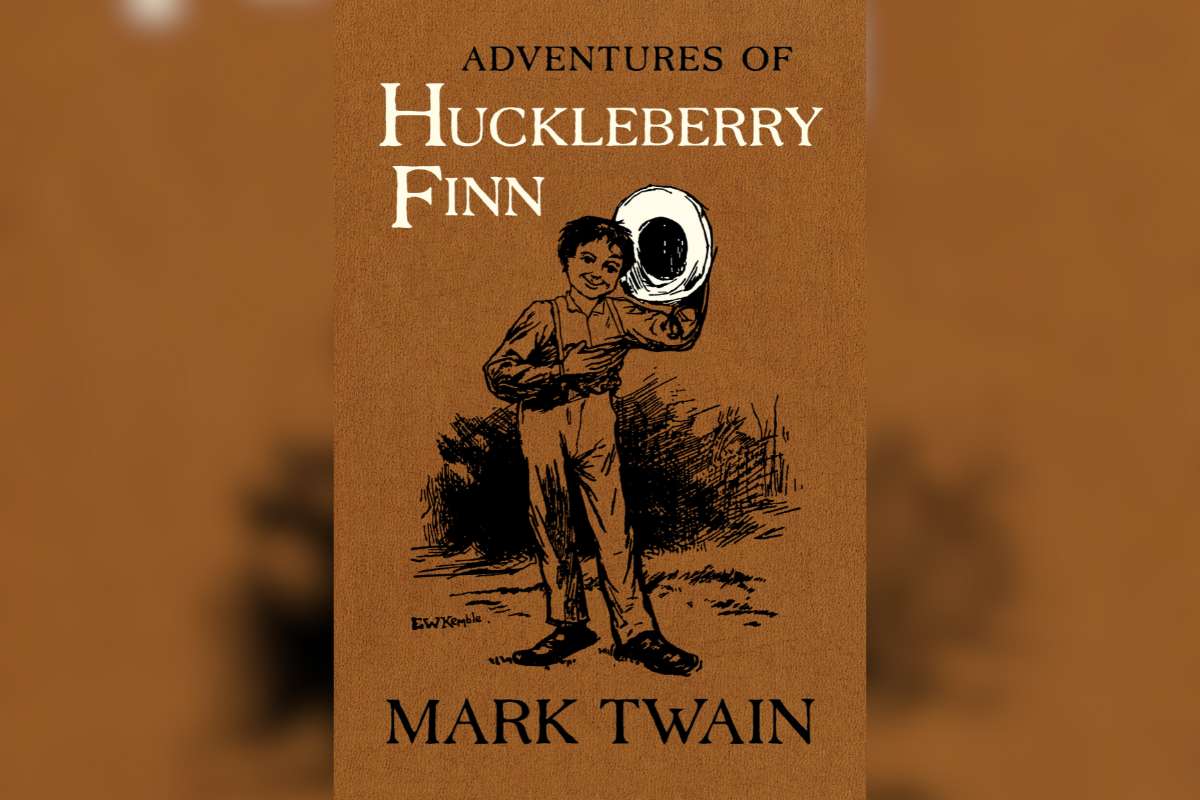
8. The Adventures of Huckleberry Finn
- Genre: Adventure/Satire
- Author: Mark Twain
- Year Published: 1884
Mark Twain’s humor and honesty make this book both entertaining and brave. It questions society’s morals through the voice of a young boy. Twain’s sharp eye for truth and equality helped shape American literature and inspired generations of storytellers.
9. War and Peace
- Genre: Historical Epic
- Author: Leo Tolstoy
- Year Published: 1869
Tolstoy blended personal stories with grand history, showing how war shapes lives. Among the Classic Novels to Read, his attention to detail and human emotion made this book one of the greatest achievements in literature. It explores love, fate, and purpose with unmatched depth.
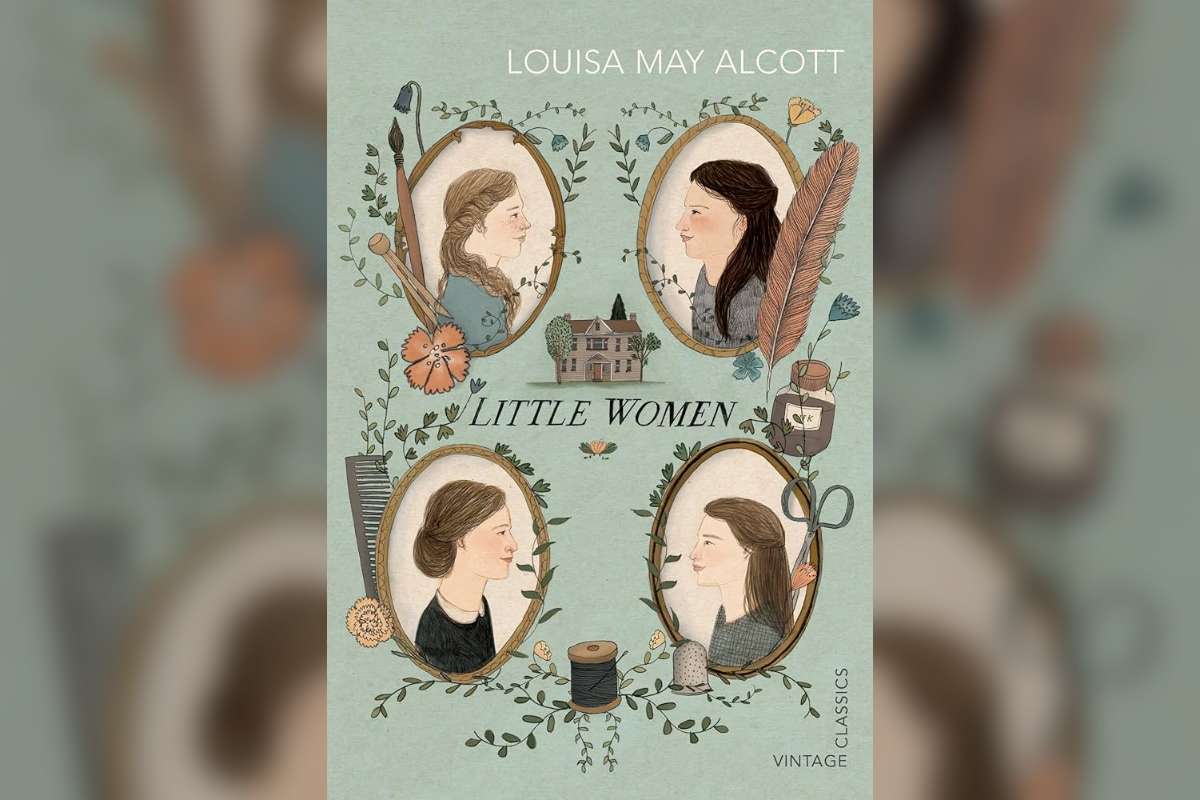
10. Little Women
- Genre: Domestic Coming-of-Age
- Author: Louisa May Alcott
- Year Published: 1868
Alcott’s story of four sisters growing up remains beloved for its warmth and truth. It celebrates family, dreams, and kindness. Her gentle storytelling and focus on women’s choices made it a landmark in children’s and women’s fiction.
11. Alice’s Adventures in Wonderland
- Genre: Surreal Fantasy
- Author: Lewis Carroll
- Year Published: 1865
Carroll’s playful imagination created a world of wonder and nonsense. Beneath the humor lies a clever look at growing up and finding one’s place. His creative language and logic games changed how people saw storytelling itself.
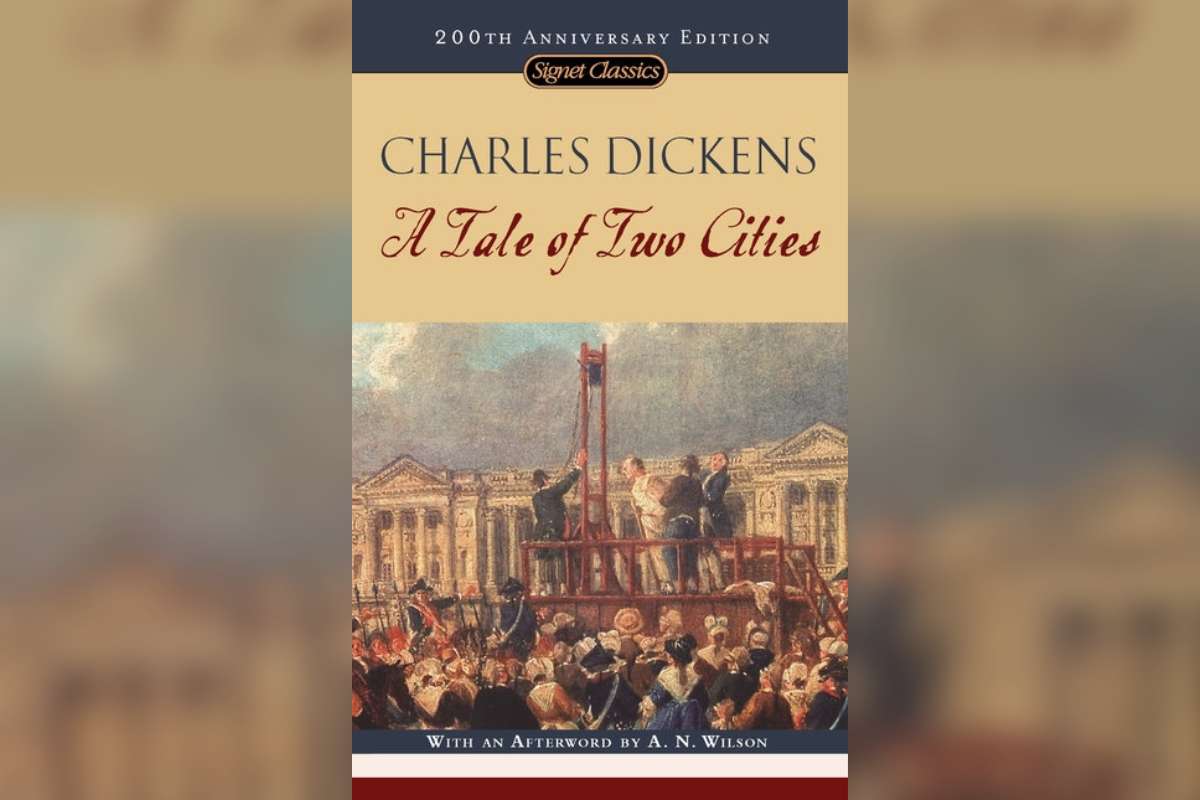
12. A Tale of Two Cities
- Genre: Historical Fiction
- Author: Charles Dickens
- Year Published: 1859
Dickens combined romance, sacrifice, and revolution in one powerful story. His rich writing captures both the pain and beauty of human nature. The revolutionary drama and human struggle make “A Tale of Two Cities” a perfect choice among classic novels to read. The novel’s famous opening line and moving finale made it one of history’s most-read classics.
13. Jane Eyre
- Genre: Gothic Romance
- Author: Charlotte Brontë
- Year Published: 1847
Charlotte Brontë gave readers a strong, independent heroine who values self-respect as much as love. The novel’s dark setting and emotional depth draw readers into Jane’s inner world. It changed how women were portrayed in fiction and remains a story of resilience and self-worth.
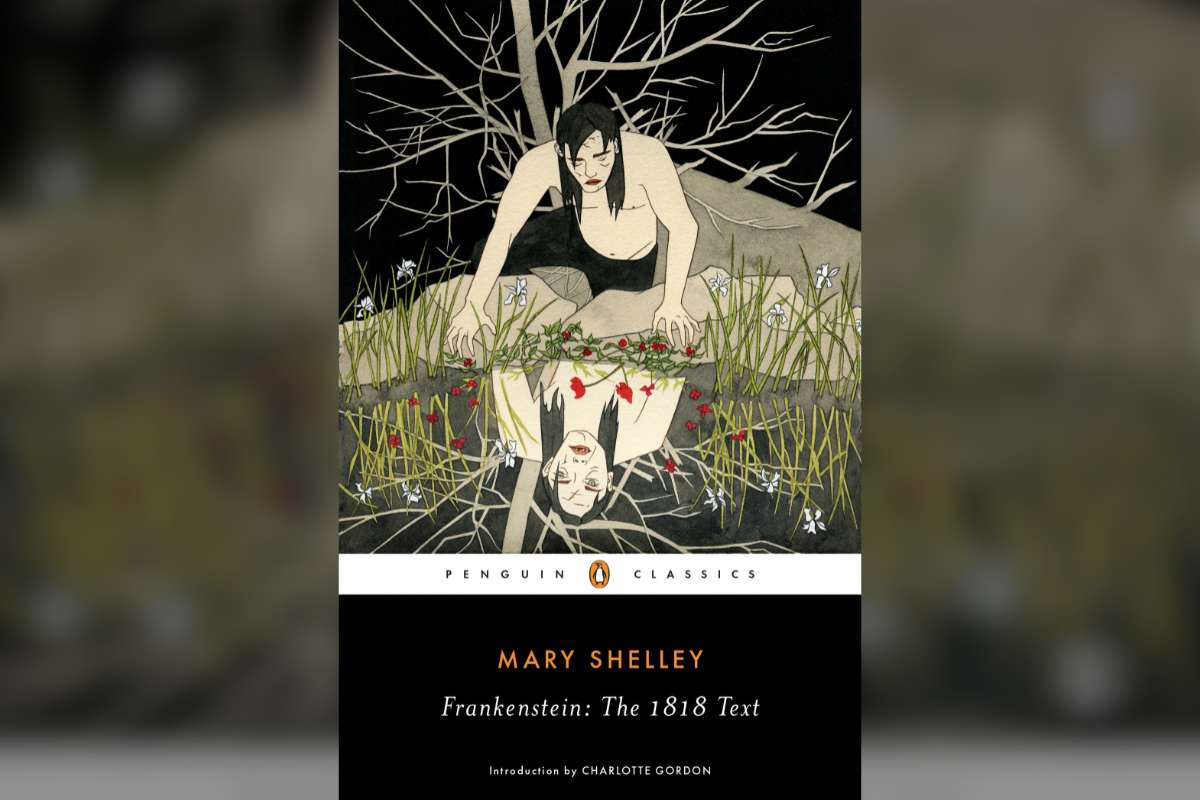
14. Frankenstein
- Genre: Gothic Science Fiction
- Author: Mary Shelley
- Year Published: 1818
Frankenstein is one of the most influential classic novels that blends horror, science, and deep moral questions. It tells of human ambition and the cost of pushing beyond natural limits. Mary Shelley wrote it when she was only eighteen, creating a story that shaped both science fiction and Gothic literature. This novel stands out for its emotional depth and haunting themes. It asks readers what makes someone truly human: their creator or their choices.
15. Pride and Prejudice
- Genre: Romance
- Author: Jane Austen
- Year Published: 1813
This novel explores love, pride, and class in 19th-century England. Among the Classic Novels to Read, Jane Austen’s wit and insight into human behavior made her writing timeless. Readers love her sharp dialogue and the way she captures the tension between emotion and reason. Austen’s clear, observant style shaped modern romantic fiction.
Non-Fiction Books
Non-fiction classics explore real lives, ideas, and discoveries that shaped human history. These works connect readers to truth, reason, and human experience. From memoirs to philosophy, they invite reflection and show how reality can be as powerful as fiction. Each book offers wisdom that endures through time.
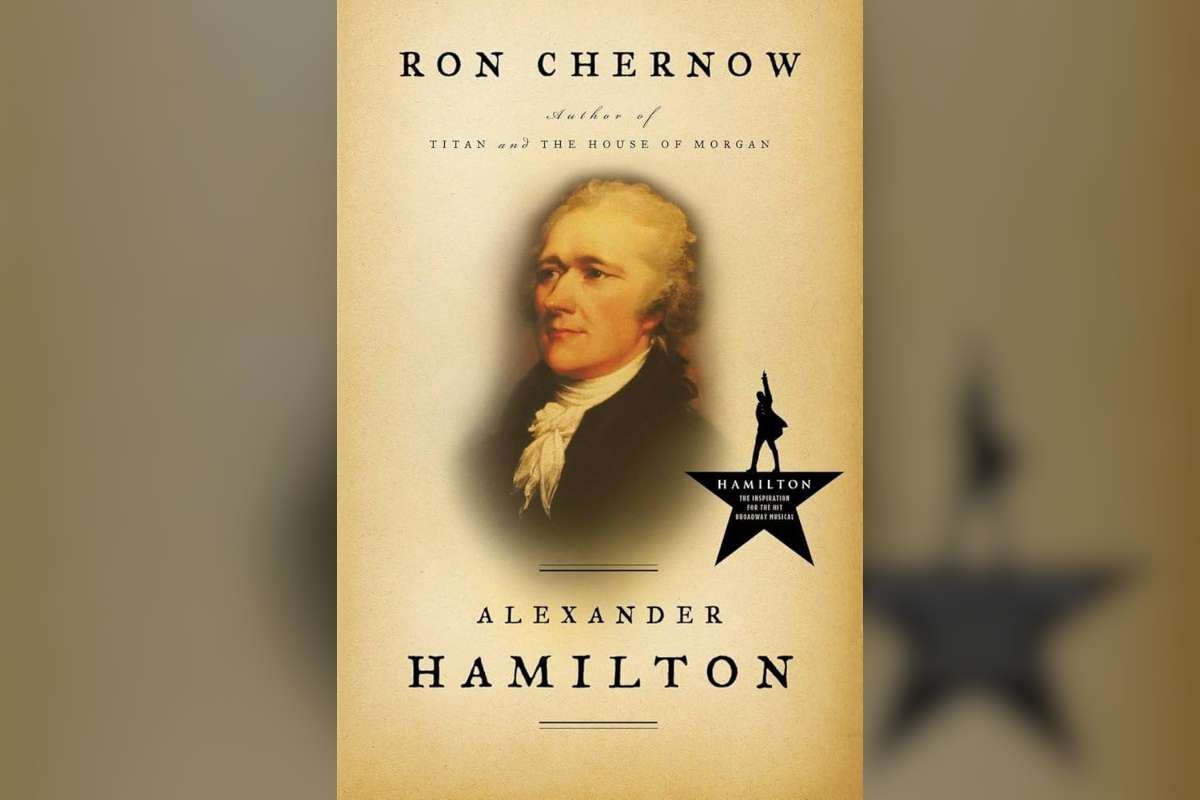
16. Alexander Hamilton
- Genre: Biography
- Author: Ron Chernow
- Year Published: 2004
Chernow’s detailed work revived interest in one of America’s most influential founders. He presents Hamilton as both visionary and flawed, giving a full portrait of his impact on modern democracy. The book inspired the award-winning musical “Hamilton” and remains a masterclass in biographical writing.
17. In Patagonia
- Genre: Travel/Memoir
- Author: Bruce Chatwin
- Year Published: 1977
Chatwin’s travel narrative blends myth, history, and personal discovery. His poetic style inspired a new wave of literary travel writing. The book explores the idea of wandering and belonging, making readers question what it means to call a place “home.”
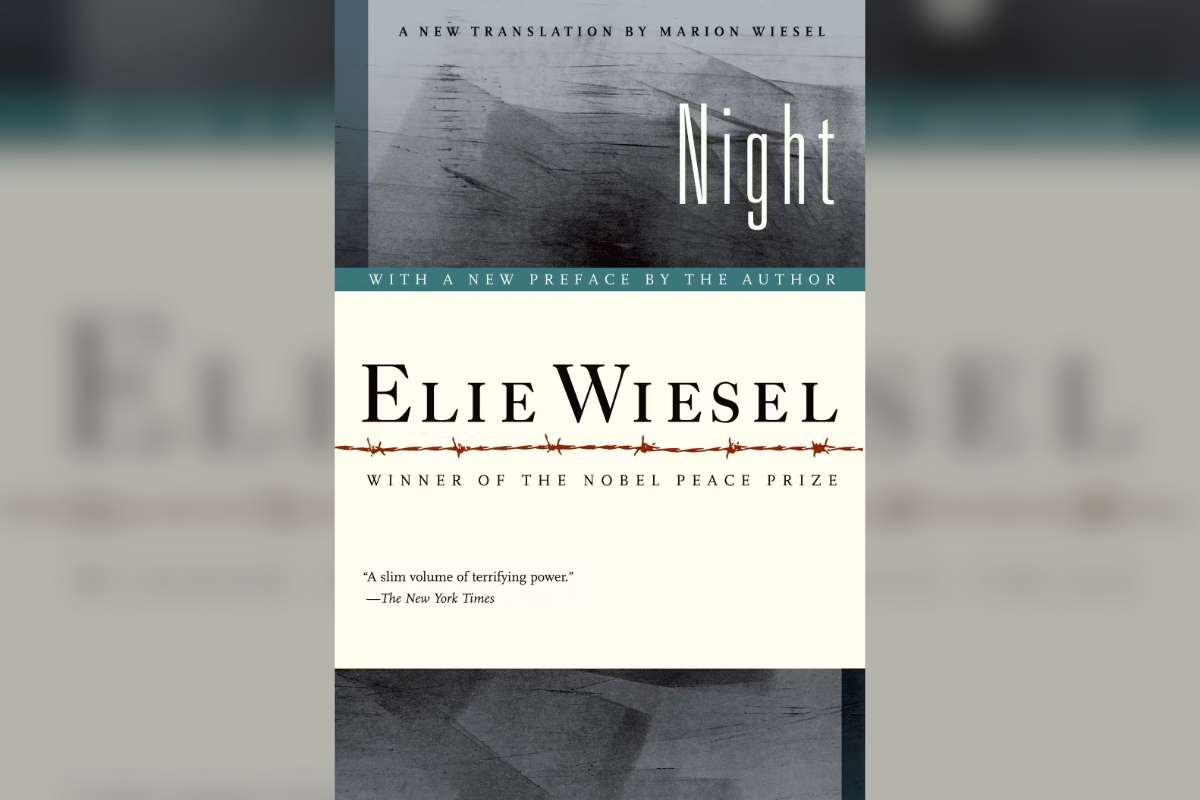
18. Night
- Genre: Memoir (Survival)
- Author: Elie Wiesel
- Year Published: 1956
Elie Wiesel’s account of surviving the Holocaust is both painful and profound. His clear, simple words carry deep emotion. The book stands as a warning against hate and indifference. Wiesel’s courage in sharing his truth gives readers a lasting lesson in humanity.
19. The Diary of a Young Girl
- Genre: Memoir (Holocaust)
- Author: Anne Frank
- Year Published: 1947
Anne Frank’s diary captures the hope and fear of a young girl during war. Her honesty, courage, and faith in humanity continue to move readers. This book reminds us of resilience and innocence even in dark times. Anne’s voice turned a personal story into a global symbol of strength.
20. The Story of My Experiments with Truth

- Genre: Autobiography
- Author: Mahatma Gandhi
- Year Published: 1927
Gandhi’s autobiography reveals how his ideas of nonviolence and truth were shaped. It shows his growth from a shy lawyer to a global leader. His honesty about personal struggles makes the book deeply human. It continues to guide readers toward moral clarity and peace.
21. Travels with a Donkey in the Cévennes
- Genre: Travelogue
- Author: Robert Louis Stevenson
- Year Published: 1879
Stevenson’s journey through the French countryside shows humor, solitude, and curiosity. His easy tone made travel writing more personal and poetic. This short, charming book reminds readers that adventure often begins with curiosity and openness to the unknown.
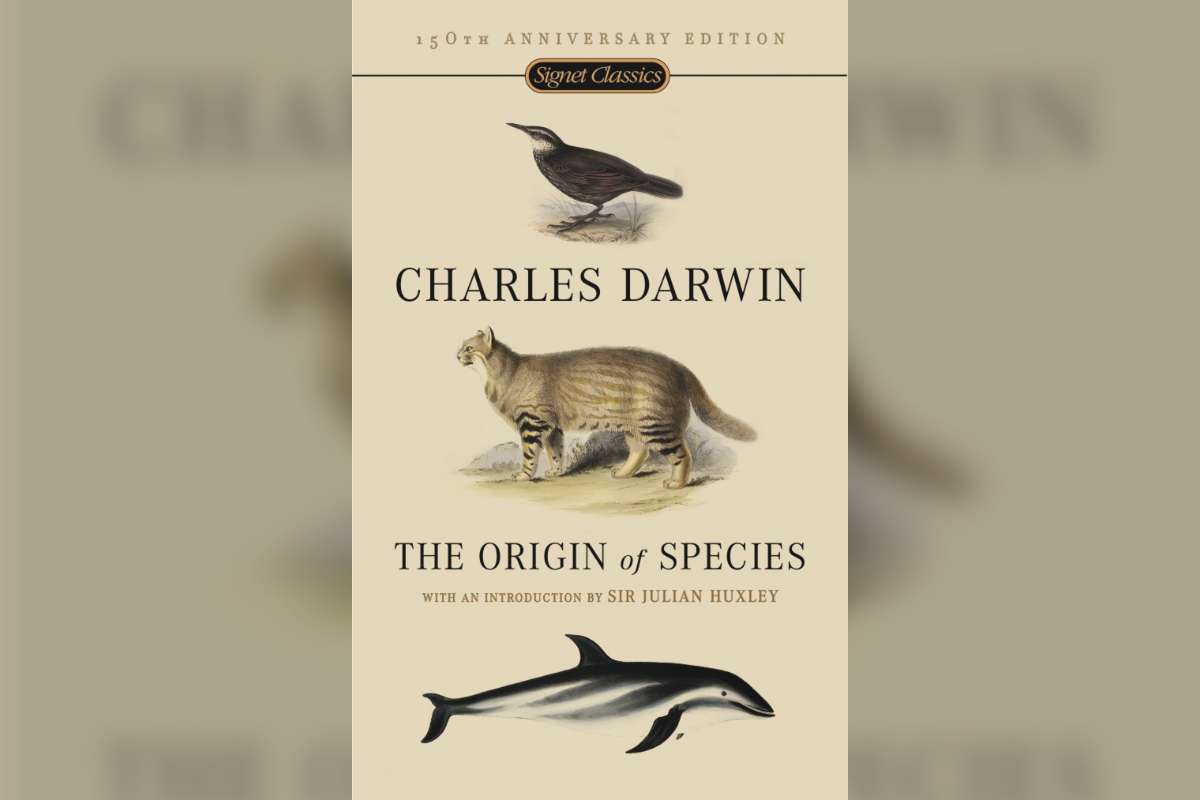
22. The Origin of Species
- Genre: Science
- Author: Charles Darwin
- Year Published: 1859
Darwin’s groundbreaking work changed how humans understood life. His clear, logical explanations of evolution shaped modern biology. Beyond science, the book taught readers the value of observation and open-minded thinking. It’s one of the most influential works ever written.
23. Walden
- Genre: Nature/Philosophy
- Author: Henry David Thoreau
- Year Published: 1854
Thoreau’s book celebrates simplicity and connection to nature. His time at Walden Pond became a symbol of peaceful living and independent thought. The book urges readers to slow down and find beauty in quiet moments. It’s both a reflection and a call to live meaningfully.
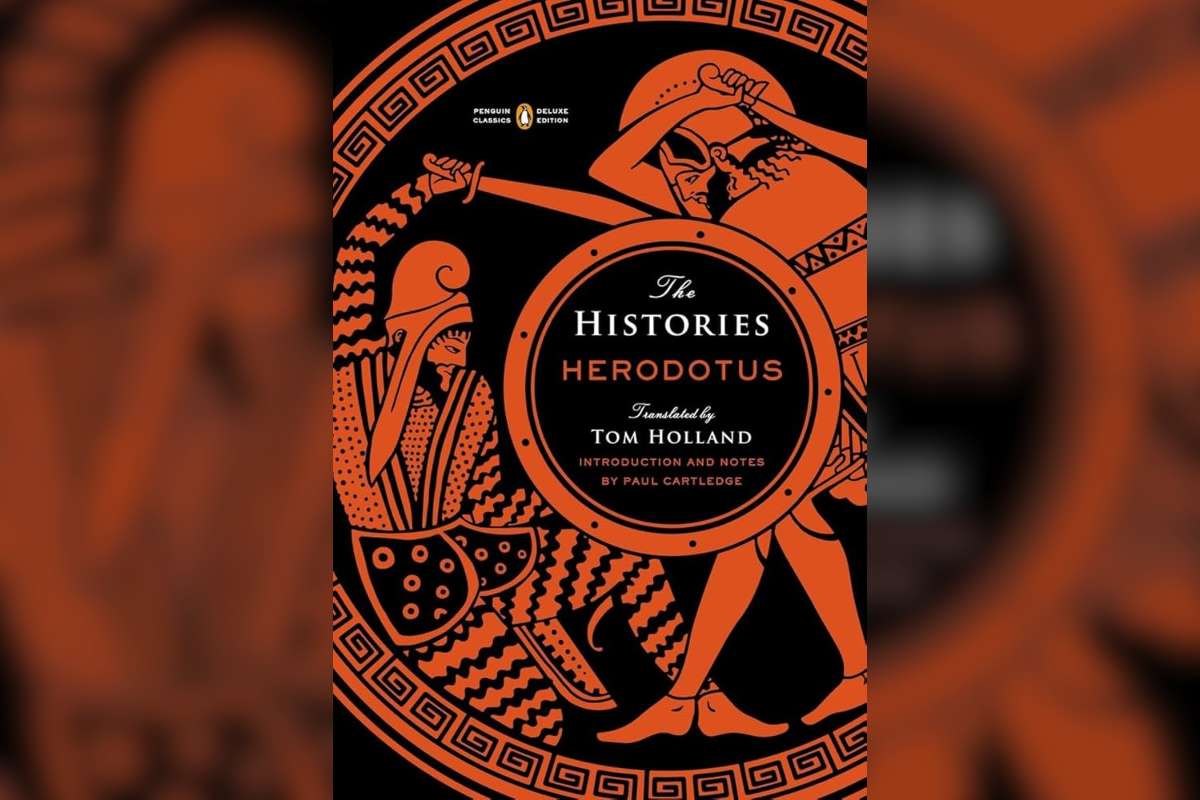
24. The Histories
- Genre: History
- Author: Herodotus
- Year Published: Around 440 BC
Known as the “Father of History,” Herodotus gathered stories of wars, cultures, and myths. His curiosity and storytelling brought the ancient world to life, and among the Classic Novels to Read, this book remains a powerful example of how history can be told. The book teaches readers that history is not only facts but also the stories that shape civilizations.
25. Meditations
- Genre: Philosophy (Stoicism)
- Author: Marcus Aurelius
- Year Published: Around 180 AD
Written by a Roman emperor, “Meditations” is a quiet guide to self-control, purpose, and calm. Marcus Aurelius reflects on life, leadership, and virtue with wisdom that feels modern. His words teach readers how to stay grounded in a chaotic world.
Dramas and Plays
Classic dramas bring human conflict to life through dialogue and performance. They explore power, love, and fate in ways that still move audiences today. Each play listed below shaped theater and storytelling across generations.
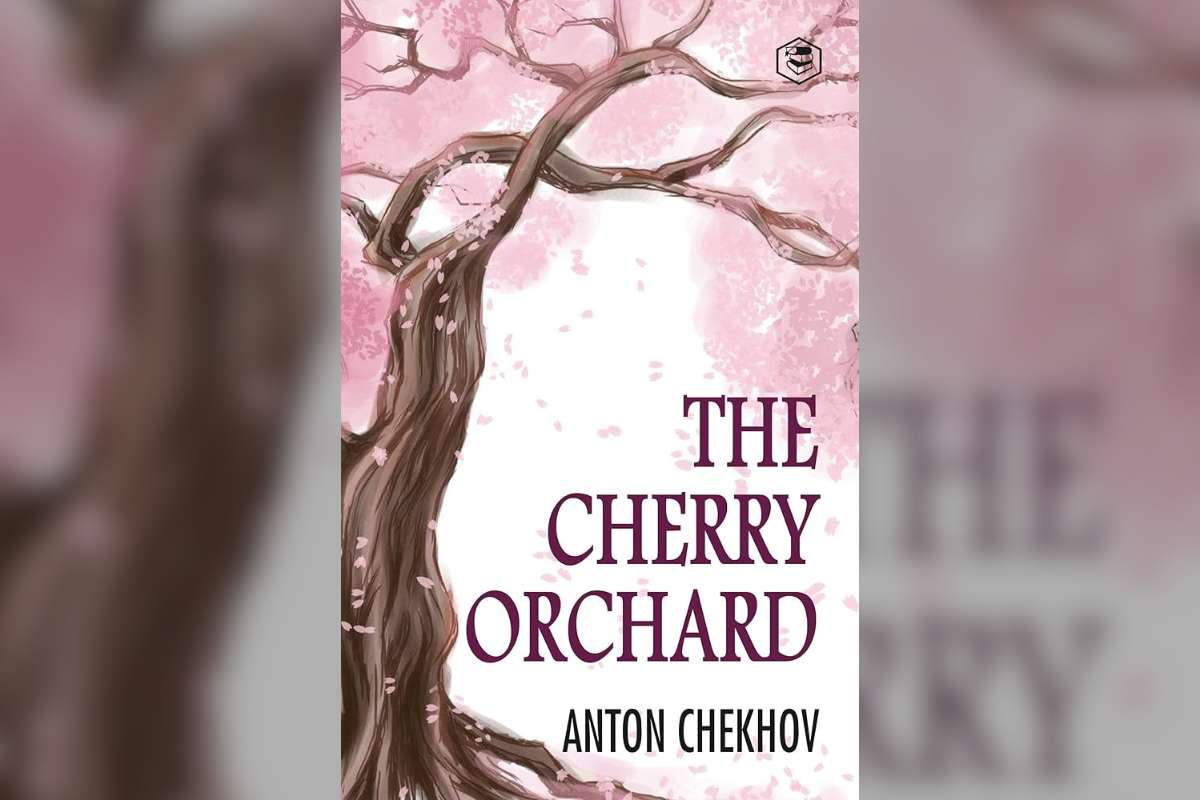
26. The Cherry Orchard
- Genre: Social Realism
- Author: Anton Chekhov
- Year Published: 1904
Chekhov’s quiet drama shows change and loss in a fading world. His realistic characters and subtle humor made the theater more human and emotional. The play’s gentle sadness and honesty still touch readers and viewers alike..
27. A Doll’s House
- Genre: Realist Drama
- Author: Henrik Ibsen
- Year Published: 1879
Ibsen’s play questioned gender roles and social norms. It shocked audiences by showing a woman’s need for independence. The story continues to inspire discussions about identity, freedom, and courage.
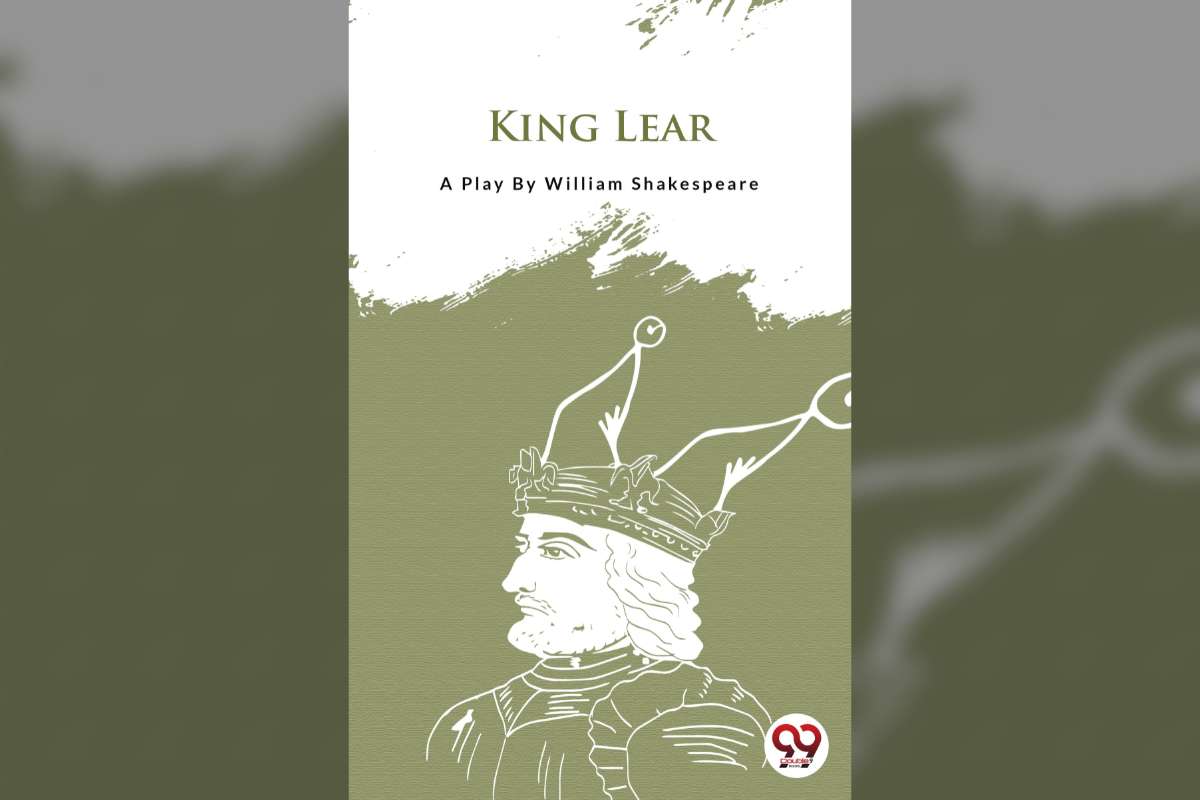
28. King Lear
- Genre: Tragedy
- Author: William Shakespeare
- Year Published: 1606
When making a list of classic novels to read, you cannot miss Shakespeare. His tale of pride, loyalty, and madness is one of his deepest works. It shows the pain of losing power and love. The play’s poetic lines and complex emotions make it a timeless study of human weakness and grace
29. The Bacchae
- Genre: Greek Tragedy
- Author: Euripides
- Year Published: Around 405 BC
Greek tragedy comes alive in “The Bacchae,” an enduring pick in the list of classic novels to read. Euripides explored the clash between reason and passion. The play’s energy and chaos reflect the danger of denying emotion. Its mix of wildness and wisdom gives it lasting power in the study of human nature.
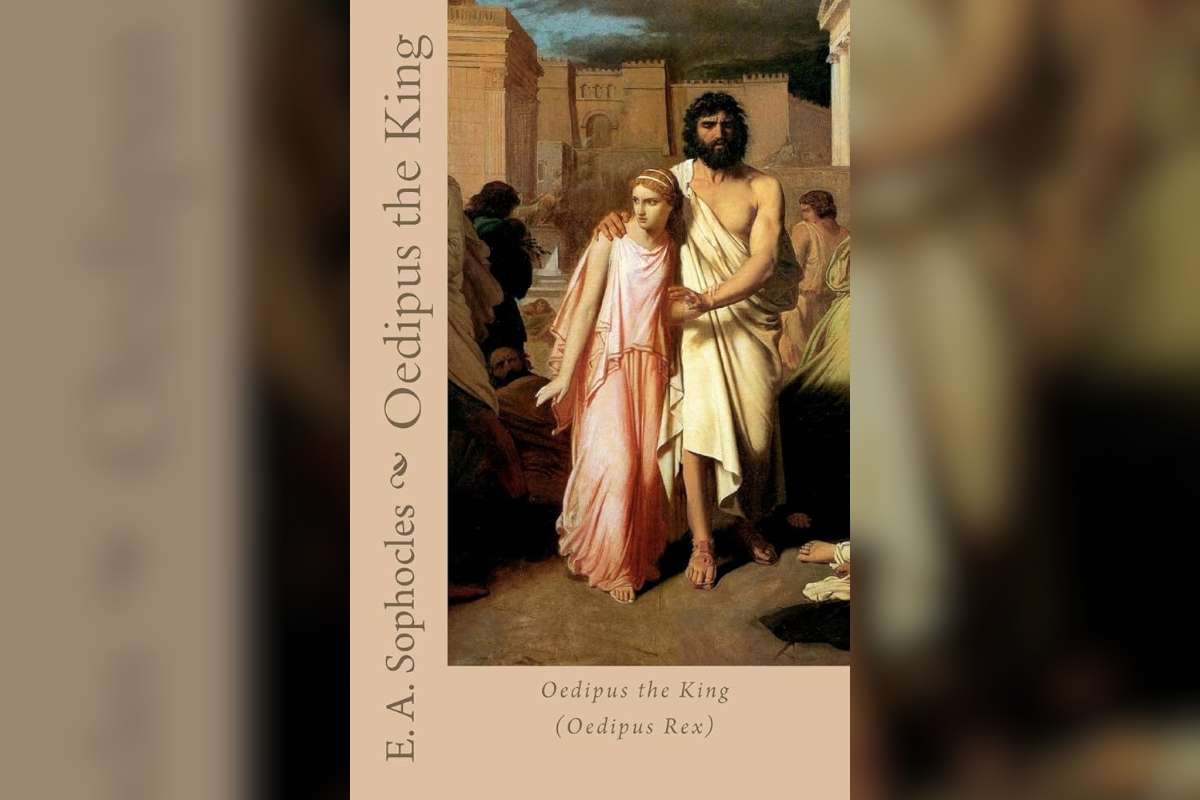
30. Oedipus the King
- Genre: Greek Tragedy
- Author: Sophocles
- Year Published: Around 429 BC
Sophocles’ masterpiece explores fate, guilt, and truth. Oedipus’s search for knowledge leads to his downfall, raising questions that still challenge readers today. The play remains a cornerstone of ancient drama and moral reflection.
Why You Should Read Classic Books? Key Benefits
Classic books are windows into how people once thought, felt, and lived. They have stood the test of time because their ideas, emotions, and lessons still matter today. Whether you love adventure, deep thoughts, or simple truths, classics remind us that human nature never changes.
1. They Build a Stronger Imagination
Classic books take you to worlds that feel both real and magical. The language may be older, but the ideas are vivid. They help you see how different cultures and times imagined love, fear, and courage. Reading them expands how you picture people and places beyond your own life.
2. They Teach History Through Stories
Having classic novels to read is like having a small piece of history. When you read Dickens or Tolstoy, you learn about the past as well as live in it. These stories reveal how people dressed, spoke, and fought for change. You understand how the world grew from their struggles and dreams.
3. They Help You Think Deeply
Classics often raise questions instead of giving easy answers. They challenge your opinions and make you reflect. Books like “1984” or “Brave New World” push you to ask what freedom, truth, or happiness really mean. That’s how they build critical thinking in a natural way.
4. They Improve Language and Focus
The writing in classic books can be poetic or detailed. Reading them improves your vocabulary and focus without feeling like studying. The rhythm of old writing teaches patience, which is an important skill in a fast-moving world. It helps you read with attention and meaning.
5. They Connect You with Culture
Quoting Shakespeare, knowing Austen, or recognizing lines from “The Odyssey” connects you to world culture. Many films, songs, and books draw from these classics. Investing in classic novels to read can give you a deeper understanding of today’s art, references, and ideas.
6. They Offer Lifelong Wisdom
Classic books show how people face love, loss, power, and failure. Their lessons are timeless. You might see yourself in a character from centuries ago and learn something new about your own life. Each classic carries wisdom that still feels fresh.
Tips for Reading Classic Books
Classic books can feel challenging at first, but with the right approach, they become rewarding journeys. Here’s how to make your reading experience enjoyable and meaningful.
1. Start with What Interests You
Choose a topic or genre you enjoy. It can be anything from romance, mystery, or philosophy. When the subject excites you, the older language becomes easier to follow. After all, picking classic novels to read should feel like a discovery, not homework.
2. Learn a Little About the Author or Time
Knowing when and why a book was written adds context. For example, “1984” feels deeper when you know it came from post-war fears. Understanding history turns a story into an experience.
3. Take It Slow
Classics are meant to be savored, not rushed. Read a few chapters at a time and think about what stands out. The slower pace helps you notice meaning and rhythm in the writing.
4. Use Modern Aids
Don’t hesitate to use summaries, guides, or audiobooks. These tools make older texts easier to enjoy. Hearing or reading explanations of tough passages helps you appreciate the beauty behind the words.
5. Discuss What You Read
Join a reading group or talk with friends. Sharing thoughts can reveal details you missed. Classics often spark great conversations about life, choices, and society.
6. Keep an Open Mind
Some classics reflect values different from today’s world. Read them as a chance to understand how thinking has evolved. You may discover surprising wisdom in unexpected places.
Conclusion:
Having classic novels to read helps students grow academically and personally. These books teach valuable life lessons, spark imagination, and improve critical thinking. By exploring stories from different times and cultures, students gain perspective and empathy. Including them in their routine can inspire a lifelong love for literature while sharpening their minds.
FAQ
1. What are some recommended classic novels to read for students?
Popular choices include To Kill a Mockingbird, Pride and Prejudice, The Great Gatsby, Jane Eyre, and 1984.
2. How do classic novels benefit student learning?
They enhance vocabulary, comprehension, empathy, and understanding of historical and cultural contexts.
3. How can students stay motivated to read classic novels?
Setting goals, joining reading groups, and relating stories to real-life experiences keep students engaged.
Also Read: Study Smarter, Not Harder: Secret Methods for Studying