
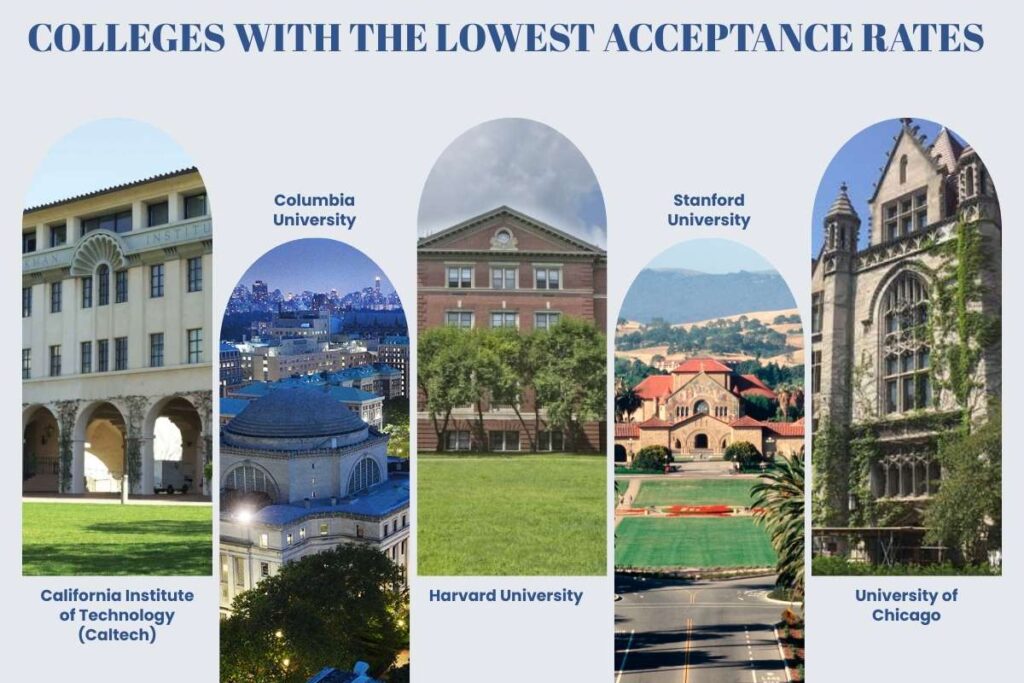
We have all eagerly hoped to receive an acceptance letter from Hogwarts at some point in our lives. But the fictional school of magic is not the only educational institution that feels impossible to get into.
Some college acceptance letters are rare for a reason. Behind those thin admit lists are years of intense competition, high expectations, and a selection process that admits only a small fraction of applicants. For many students, getting into these institutions feels like reaching the very top of the academic ladder.
Colleges with lowest acceptance rates are known for their rigorous standards, limited seats, and global demand. These schools attract top-performing students from around the world, making admission highly selective. Understanding which colleges fall into this category helps set realistic expectations and highlights what it truly takes to stand out in the admissions process.
But first, to understand why these schools are considered colleges with lowest acceptance rates, it helps to know how acceptance rates are calculated
How are Acceptance Rates Calculated?
Colleges calculate acceptance rates using a simple formula. They divide the number of students admitted by the total number of applications received. The result is then shown as a percentage. This number reflects how selective a college is during a specific admission cycle.
For example, if a college receives 50,000 applications and admits 2,500 students, the acceptance rate is 5%. Schools usually include early decision, early action, and regular decision applicants in this count. Some colleges also include deferred applicants from earlier rounds.
Acceptance rates can change every year. An increase in applications often lowers the acceptance rate, even if the college admits the same number of students. Changes in class size, yield goals, or admission policies can also affect the final number. This is why acceptance rates should always be viewed in context, not in isolation.
Here are the 15 colleges with lowest acceptance rates in the U.S
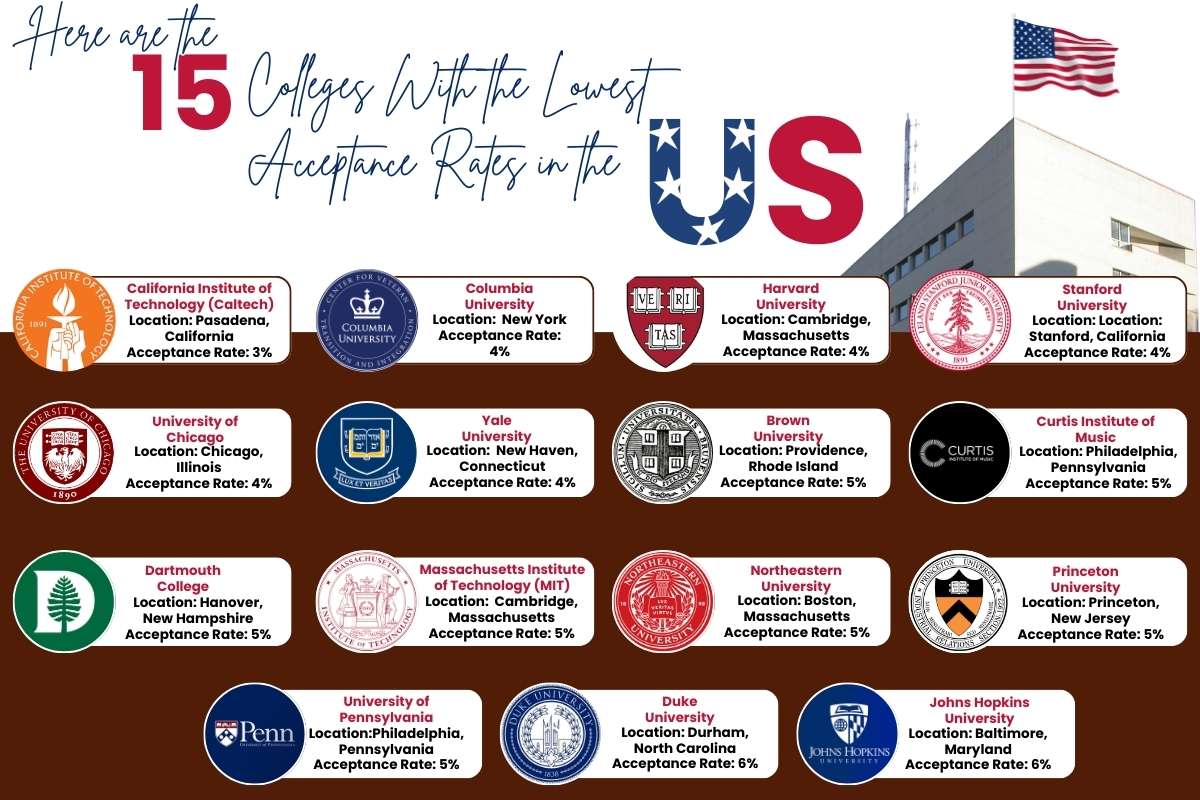
Getting into these colleges with lowest acceptance rates is not just about strong grades. Each school on this list accepts only a small fraction of applicants every year. Understanding why they are so selective helps set realistic expectations and smarter application strategies. We have ranked these 15 institutions from highest to lowest acceptance rates.
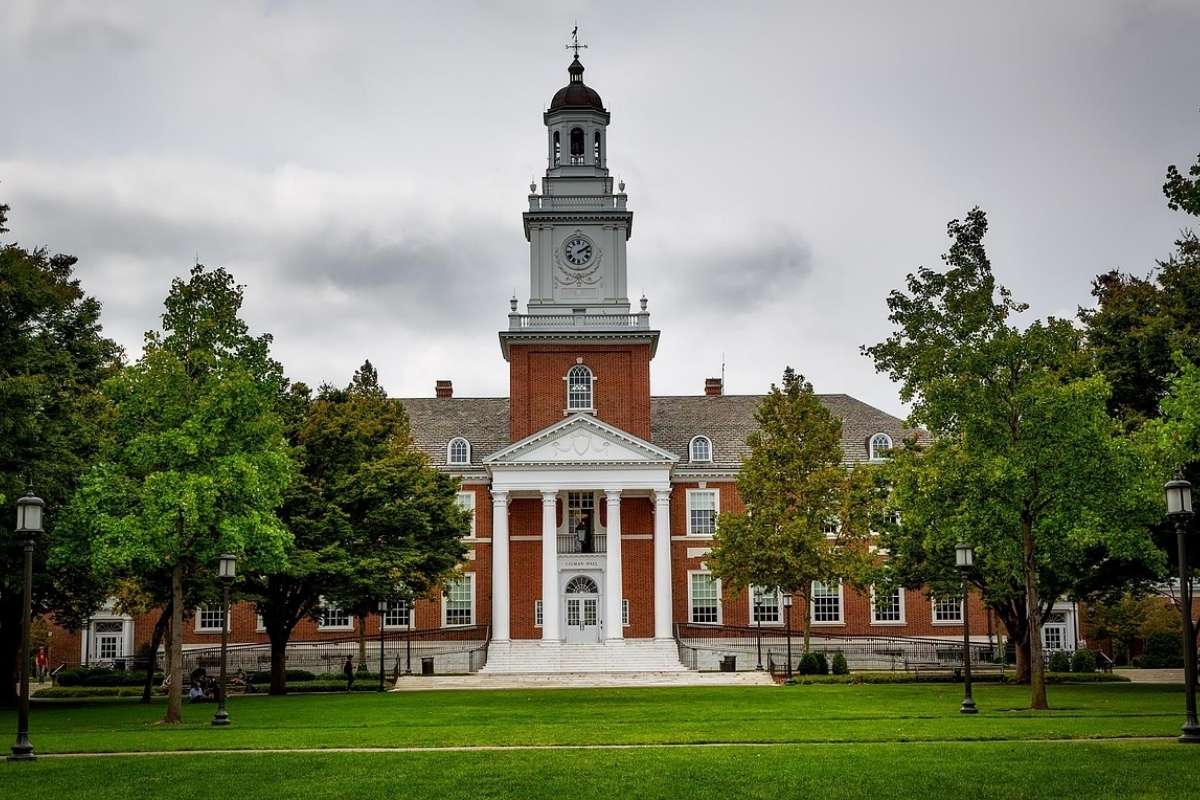
15. Johns Hopkins University
- Location: Baltimore, Maryland
- Acceptance Rate: 6%
- Undergraduate Enrollment: 6,356
Johns Hopkins University focuses heavily on research and academic rigor. Many undergraduate students take part in lab work, studies, and guided research projects. Courses often demand strong discipline and time management skills. Science, medicine, and public health shape much of the academic culture. Students face a fast pace and high expectations throughout the year.
Why is it Hard to Get Accepted?
Applicants usually present high grades and challenging coursework. Many also show early interest in research or science-related fields. The admissions team looks for proof of academic focus and long-term commitment. Limited seats and a strong global reputation increase competition.
14. Duke University

- Location: Durham, North Carolina
- Acceptance Rate: 6%
- Undergraduate Enrollment: 6,523
At Duke University, academics and campus life move together. Students study across science, policy, business, and humanities programs. Group work and collaboration appear often in coursework. Duke also supports leadership development and global learning. This mix attracts driven and competitive students.
Why is it Hard to Get Accepted?
Duke receives a large number of applications every year. Many applicants show strong grades, test scores, and extracurricular involvement. The admissions team evaluates both academic ability and personal initiative. A selective class size keeps acceptance rates low.
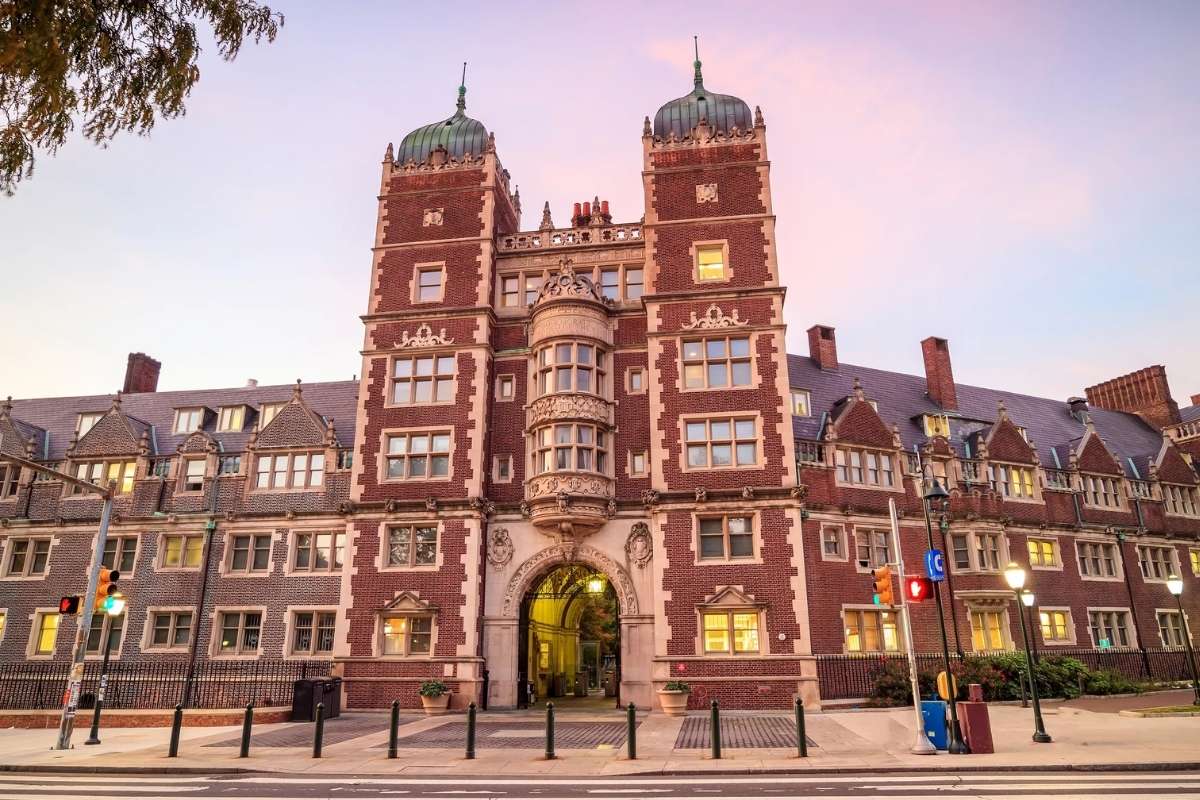
13. University of Pennsylvania
- Location: Philadelphia, Pennsylvania
- Acceptance Rate: 5%
- Undergraduate Enrollment: 10,013
The University of Pennsylvania allows students to study across multiple academic schools. Like many colleges with lowest acceptance rates, Penn faces overwhelming demand from high-achieving applicants. Many undergraduates combine liberal arts courses with professional subjects. Programs often connect classroom learning with real-world applications. This structure appeals to students with clear academic direction. The workload remains demanding across most majors.
Why is it Hard to Get Accepted?
Penn attracts applicants interested in competitive programs like business and engineering. Most candidates present strong academic records and advanced coursework. The admissions team values focus, consistency, and motivation. High demand across popular programs reduces acceptance chances.
12. Princeton University
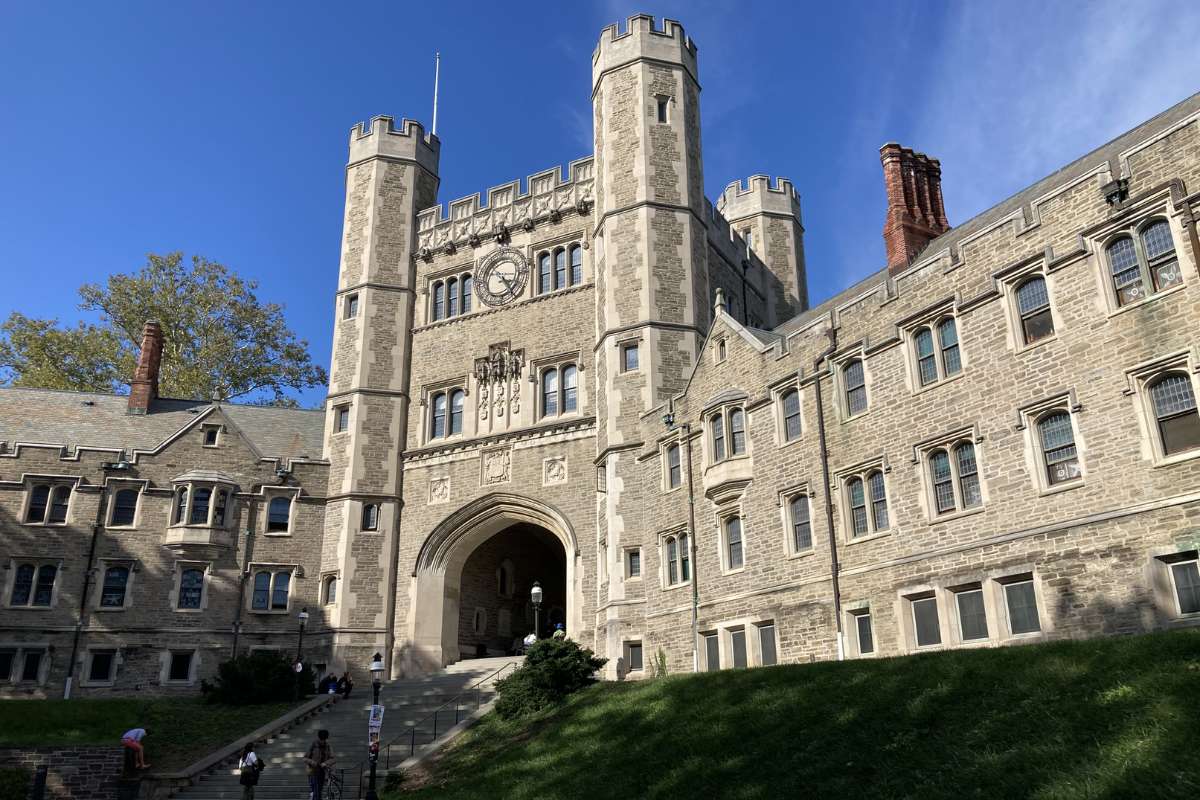
- Location: Princeton, New Jersey
- Acceptance Rate: 5%
- Undergraduate Enrollment: 5,813
Princeton University offers a strong focus on undergraduate education. Classes remain small, which allows direct interaction with professors. The university places a high value on independent study and original thinking. Many students complete research projects or senior theses. Academic pressure stays high across most fields of study.
Why is it Hard to Get Accepted?
Princeton attracts applicants with top grades and demanding coursework. Many students also show strong writing and analytical skills. The admissions team looks for academic excellence and intellectual curiosity. Limited undergraduate seats make selection extremely competitive.
11. Northeastern University
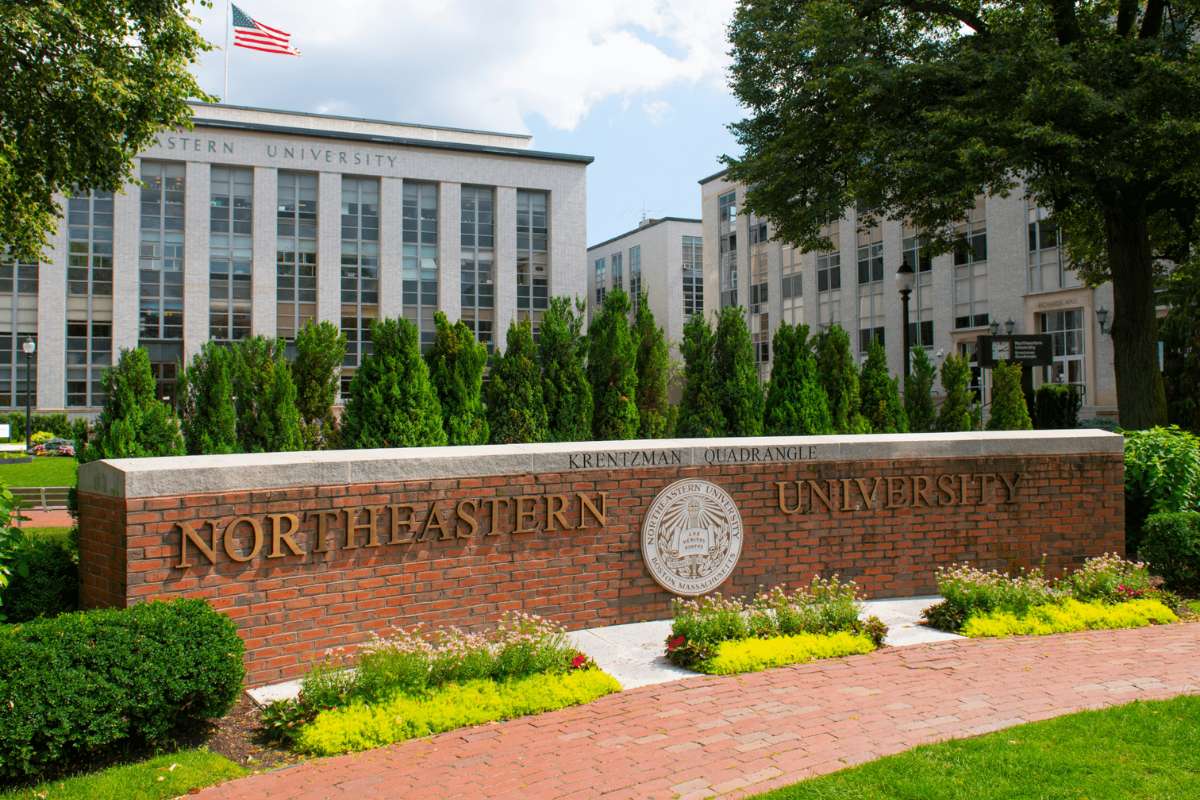
- Location: Boston, Massachusetts
- Acceptance Rate: 5%
- Undergraduate Enrollment: 6,523
Northeastern University is known for its focus on experiential learning. Many students take part in cooperative education programs alongside their studies. Courses connect theory with real workplace experience. This model appeals to students with clear career goals. The academic environment remains structured and competitive.
Why is it Hard to Get Accepted?
Northeastern receives a high number of applications each year. Many applicants show strong academics and early career planning. The university values practical experience and academic performance. Rising demand and limited space reduce acceptance rates.
10. Massachusetts Institute of Technology (MIT)
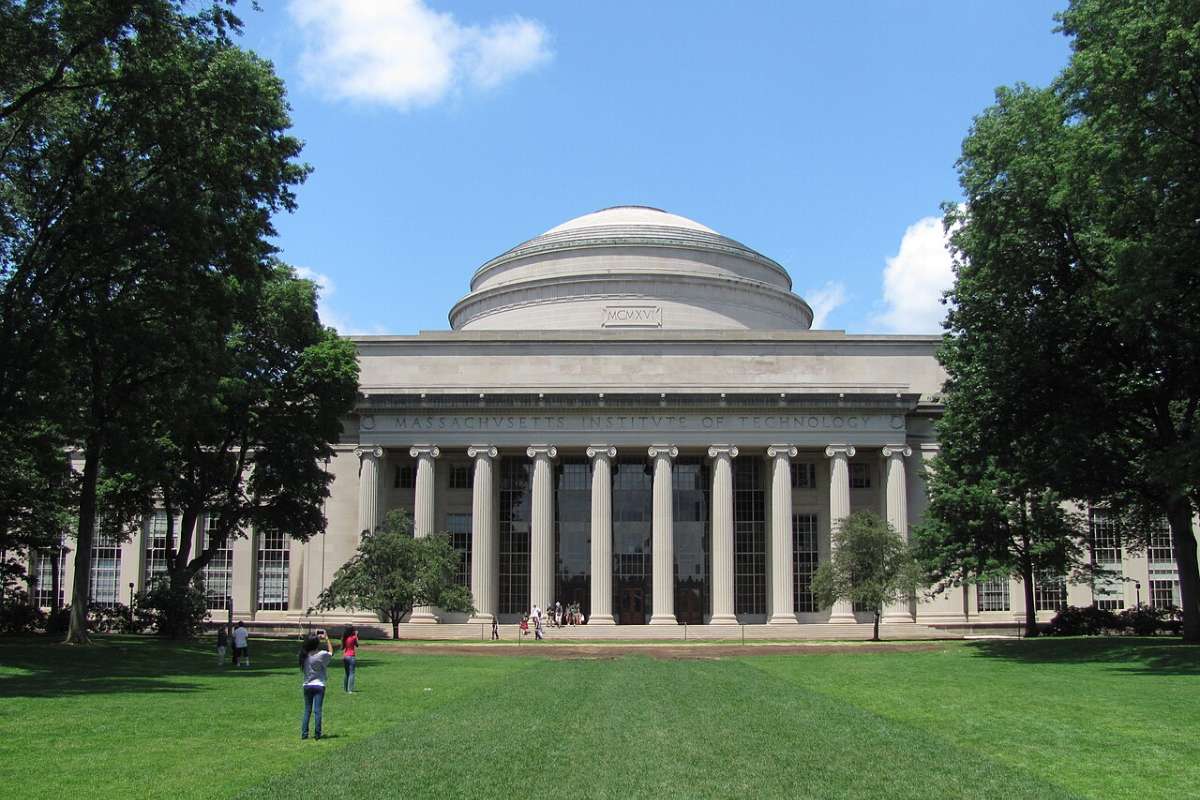
- Location: Cambridge, Massachusetts
- Acceptance Rate: 5%
- Undergraduate Enrollment: 4,535
MIT focuses on science, engineering, and technology education. Students spend much of their time solving complex problems and building projects. Courses demand strong skills in math and analytical thinking. Collaboration and innovation shape daily academic life. The pace remains intense throughout the year.
Why is it Hard to Get Accepted?
MIT attracts students with exceptional academic ability. MIT consistently appears on lists of colleges with lowest acceptance rates due to its intense academic focus and limited seats. Many applicants show advanced preparation in math and science. The admissions team looks for creativity and problem-solving skills. Small class sizes and global demand increase competition.
Also Read:
- Doors to Success: Exploring Scholarship Opportunities
- Discover the Best Places to Study Abroad for Your Education Journey
9. Dartmouth College
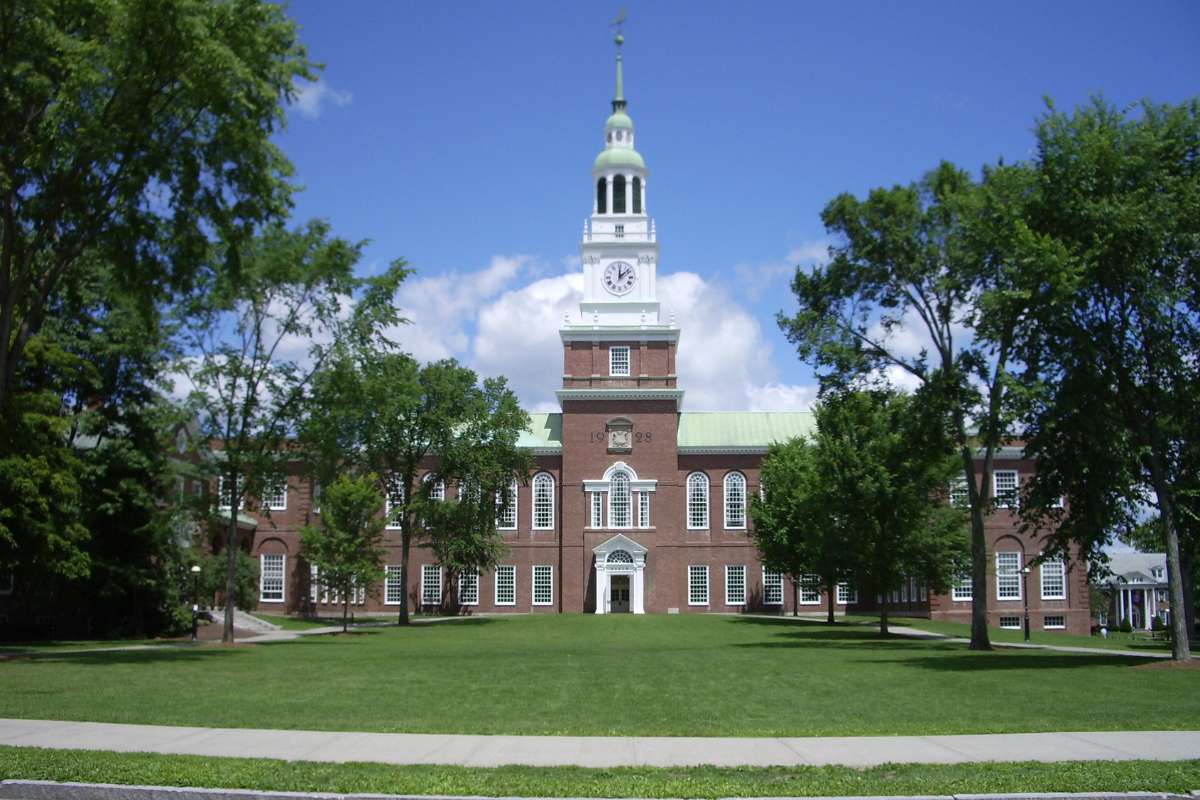
- Location: Hanover, New Hampshire
- Acceptance Rate: 5%
- Undergraduate Enrollment: 4,570
Set in a small town, Dartmouth offers a close-knit academic environment. Students follow a quarter system, which allows them to explore more subjects during the year. Research, internships, and off-campus programs fit easily into the academic schedule. Faculty interaction remains frequent due to smaller class sizes. The workload stays steady and challenging.
Why is it Hard to Get Accepted?
Dartmouth receives applications from high-performing students across many interests. Many candidates show leadership, academic depth, and community involvement. The college values fit alongside achievement. Limited enrollment makes selection highly competitive.
8. Curtis Institute of Music

- Location: Philadelphia, Pennsylvania
- Acceptance Rate: 5%
- Undergraduate Enrollment: 106
Next on this list of colleges with lowest acceptance rates is an institution that specializes in teaching music. Training at Curtis centers on performance and mastery. Students work closely with accomplished musicians through one-on-one instruction. The institute offers full-tuition scholarships to every admitted student. This model allows students to focus fully on their craft. Daily practice and performance shape the academic routine.
Why is it Hard to Get Accepted?
Admission depends almost entirely on musical ability. Auditions set a very high standard for skill and preparation. Only a small number of students gain entry each year. Its limited undergraduate enrollment is a defining trait of colleges with lowest acceptance rates.
7. Brown University

- Location: Providence, Rhode Island
- Acceptance Rate: 5%
- Undergraduate Enrollment: 7,910
Academic freedom defines the student experience at Brown. Learners choose courses without a strict core requirement. This system supports exploration across disciplines. Classes focus on discussion, analysis, and original thinking. Students take active control of their education.
Why is it Hard to Get Accepted?
Brown attracts applicants who value independence in learning. Many candidates combine strong academics with creative or personal projects. The admissions team looks for motivation and self-direction. High demand keeps acceptance rates low.
Also Read: Unlocking Opportunities: A Comprehensive Guide on How to Find a Scholarship
6. Yale University

- Location: New Haven, Connecticut
- Acceptance Rate: 4%
- Undergraduate Enrollment: 6,740
Campus life at Yale blends academic intensity with residential learning. Students live in residential colleges that shape daily study and social life. Courses emphasize reading, discussion, and original analysis. Many students work closely with faculty on research or writing projects. Academic expectations remain high across all majors.
Why is it Hard to Get Accepted?
Yale draws applicants with strong academic and creative backgrounds. Many candidates show excellence beyond the classroom. The admissions team looks for intellectual depth and personal impact. High demand and limited spaces keep acceptance rates very low.
5. University of Chicago
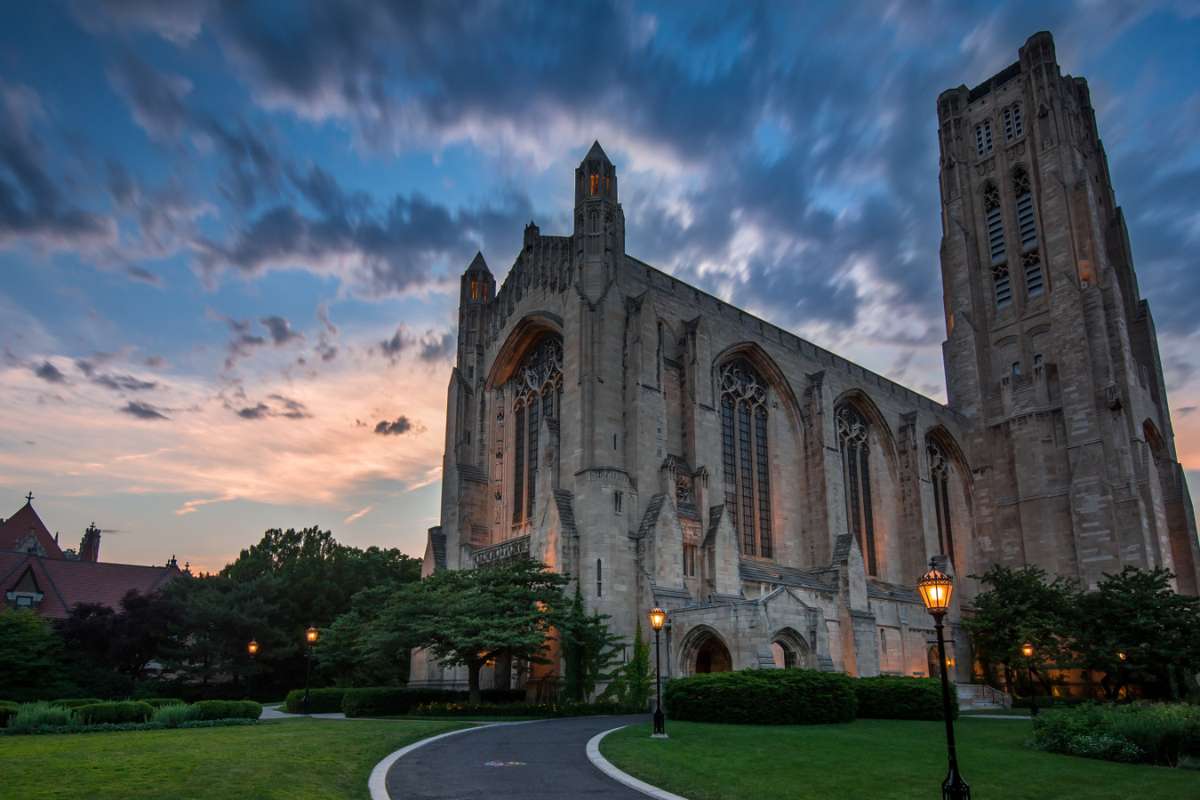
- Location: Chicago, Illinois
- Acceptance Rate: 4%
- Undergraduate Enrollment: 7,519
Learning at the University of Chicago centers on inquiry and debate. Students engage deeply with theory, data, and complex texts. The curriculum encourages questioning and independent thought. Classes often involve discussion-based learning. The academic pace stays rigorous throughout the year.
Why is it Hard to Get Accepted?
Applicants often show strong analytical and problem-solving skills. Many express interest in research or intensive academic study. The admissions process favors intellectual curiosity and academic focus. A selective class size raises competition.
4. Stanford University
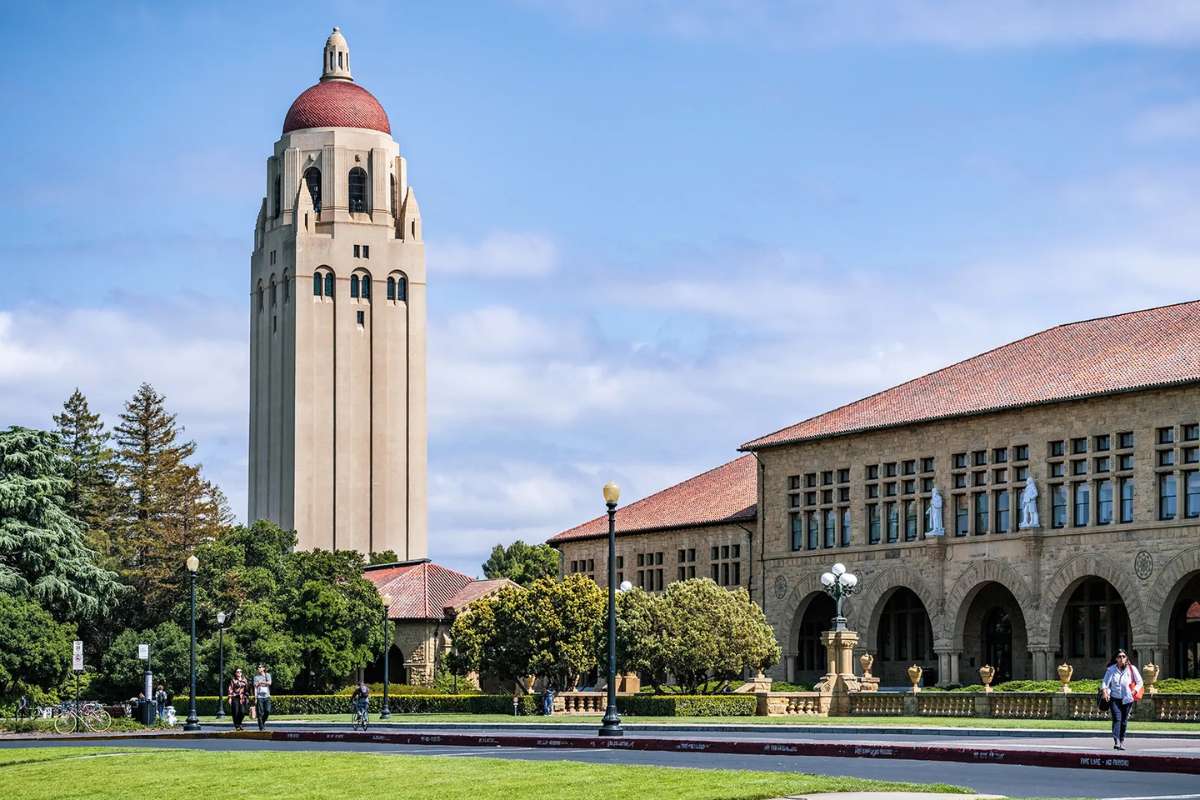
- Location: Stanford, California
- Acceptance Rate: 4%
- Undergraduate Enrollment: 7,904
Stanford’s academic environment connects learning with innovation. Students often combine coursework with research or startup projects. The campus encourages collaboration across disciplines. Technology and entrepreneurship shape many academic paths. The workload remains demanding and fast-paced.
Why is it Hard to Get Accepted?
Stanford attracts applicants with exceptional academic and personal achievements. Many students present strong leadership or creative work. The admissions team values initiative and impact. Global demand and limited seats drive extreme selectivity.
3. Harvard University
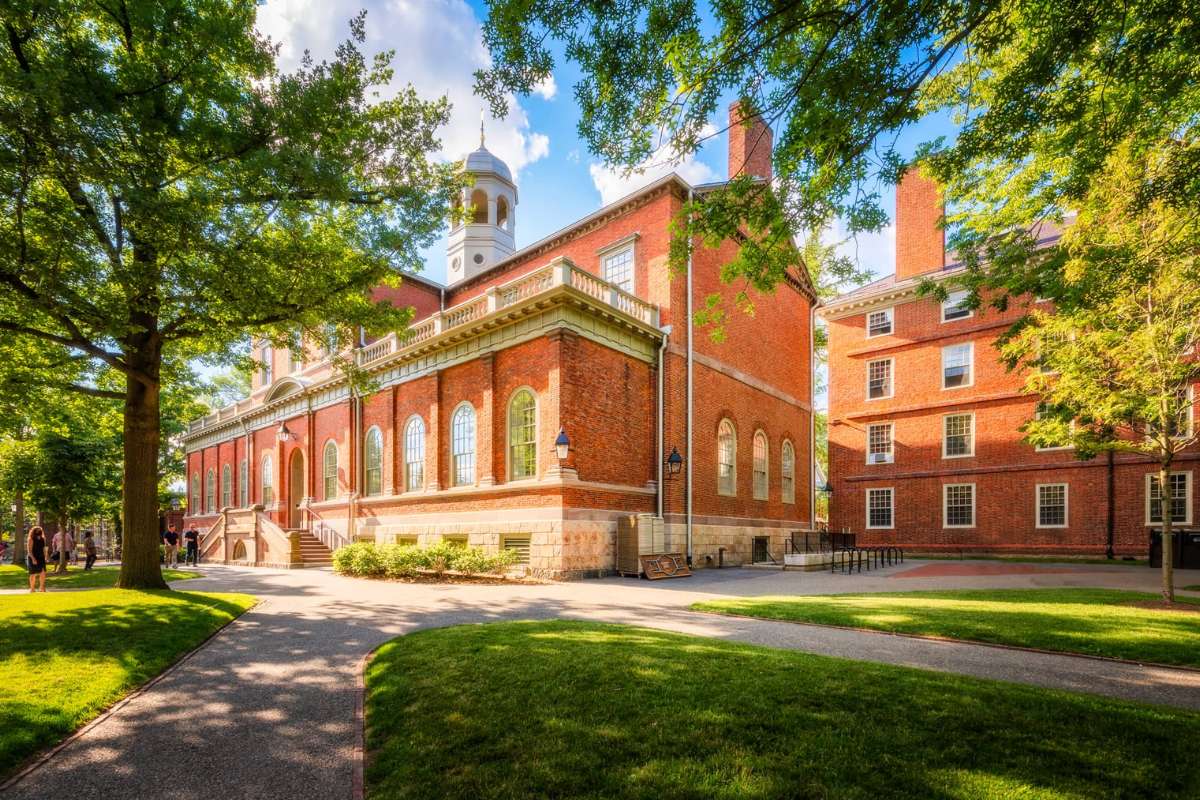
- Location: Cambridge, Massachusetts
- Acceptance Rate: 4%
- Undergraduate Enrollment: 7,038
Harvard University stands among the colleges with lowest acceptance rates, drawing top students from around the world each year. Learning at Harvard centers on depth and academic challenge. Students choose from a wide range of fields across arts, sciences, and professional studies. Classes encourage critical thinking through discussion, writing, and analysis.
Why is it Hard to Get Accepted?
Harvard receives applications from top students across the world. Many applicants show strong academics along with leadership or creative achievements. The admissions team looks for impact, curiosity, and long-term potential. Limited spots and global demand keep acceptance rates extremely low.
2. Columbia University
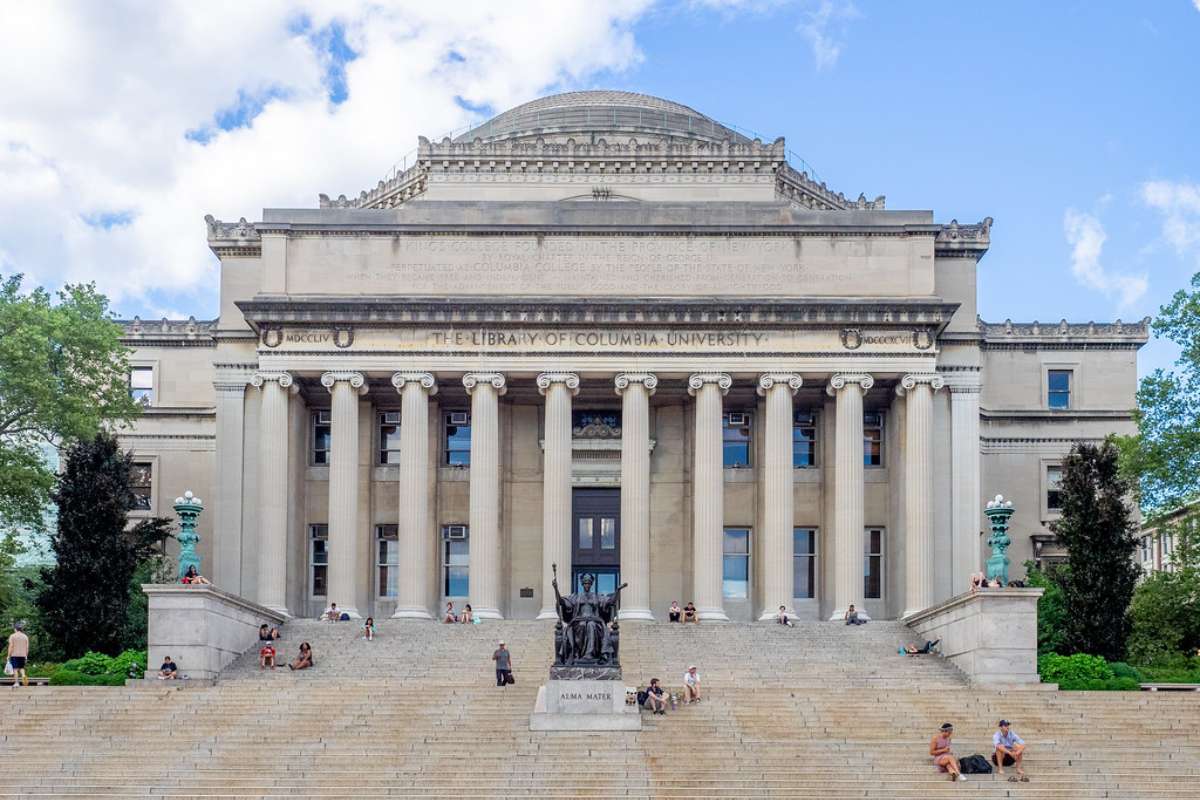
- Location: New York, New York
- Acceptance Rate: 4%
- Undergraduate Enrollment: 9,111
Columbia University is a private Ivy League institution located in New York City. It offers a broad range of undergraduate programs. They range across arts, sciences, and interdisciplinary fields. The university combines rigorous academics with access to global research and professional networks. Students benefit from academic flexibility and strong faculty mentorship.
Why is it Hard to Get Accepted?
Columbia attracts a very large pool of high-achieving applicants each year. Many students apply because of its academic reputation and urban location. The university uses a holistic admissions process. The process evaluates academics, activities, and personal qualities. Limited seats and high demand keep acceptance rates extremely low.
1. California Institute of Technology (Caltech)

- Location: Pasadena, California
- Acceptance Rate: 3%
- Undergraduate Enrollment: 987
Finally, last on this list of colleges with lowest acceptance rates is the California Institute of Technology. It is a private research university focused on science, engineering, and technology. It operates on a small scale, which allows close interaction between students and faculty members. Caltech emphasizes hands-on research, problem-solving, and academic depth. Undergraduate students often participate in advanced research projects during their early years.
Why is it Hard to Get Accepted?
Caltech receives applications from some of the strongest science students in the world. Its small undergraduate enrollment limits the number of available seats each year. The admissions team expects exceptional performance in mathematics and science subjects. Many applicants also present strong research experience, which increases competition.
What are Some Tips to Improve Your Chances?
Low acceptance rates do not mean admission is impossible. Many successful applicants share clear patterns in how they prepare and apply. The following tips focus on actions that can improve your chances of getting into the colleges with lowest acceptance rates.
1. Focus on Academic Consistency:
Strong grades across all years matter more than one-time high scores. colleges with lowest acceptance rates look for steady performance in challenging courses. Consistency builds trust in your academic ability.
2. Build Depth in Activities:
Admissions teams prefer commitment over long lists of clubs. Long-term involvement shows focus and growth. Leadership roles add extra weight. Depth helps your application stand out.
3. Craft an Honest Application:
Every part of your application should support a single narrative. Essays, activities, and recommendations should align. A clear story helps reviewers understand your goals. Clarity improves memorability.
4. Secure Strong Recommendation Letters:
Choose teachers who know your work well. Specific examples matter more than praise. Strong letters confirm your academic and personal strengths. They add credibility to your application.
5. Use Essays to Show Thinking:
Avoid repeating your resume in essay form. Share how you think and learn. Reflection matters more than awards. This gives context to your achievements.
6. Apply Early:
Early application rounds often have higher admit rates. This option works best for students with strong academic records. Early commitment also signals serious interest. Timing can improve odds.
Conclusion:
Applying to colleges with lowest acceptance rates requires preparation, patience, and a clear understanding of what these institutions value. These schools look beyond grades and test scores. They seek students who show curiosity, commitment, leadership, and the ability to contribute meaningfully to campus life.
While the competition is intense, the outcome does not define a student’s potential or future success. Many paths lead to strong careers and fulfilling experiences. What matters most is finding a college that aligns with your goals, strengths, and interests, not just its acceptance rate.
FAQs
1. What does a low acceptance rate mean?
A low acceptance rate means a college admits only a small percentage of applicants, making the admissions process highly competitive.
2. Are colleges with lowest acceptance rates always better?
Not necessarily. These colleges are selective, but the best college is one that fits your academic goals, learning style, and personal needs.
3. What factors do selective colleges consider beyond grades?
They often evaluate essays, extracurricular activities, recommendations, leadership, and personal achievements.