
Key Points:
- Dolls social skills: Playing with dolls improves empathy and perspective-taking in children.
- Interactive play: Dolls encourage social interaction with peers and family.
- Balanced play: Combining dolls and digital games supports overall development.
New research suggests that traditional play methods may play a key role in early childhood development. A study from Cardiff University found that children who play with dolls show stronger progress in dolls social skills than those who use digital tablets for play.
Study Highlights Role Of Doll Play In Cognitive Growth
The study focused on children aged 4 to 8 and explored how different types of play affect what experts call false belief understanding. This skill allows children to recognize that others can hold beliefs that are different from reality. It is an important step in developing empathy, tolerance, and social awareness, helping improve dolls social skills.
Researchers conducted a six-week trial with 81 children from South Wales. The children were divided into two groups. One group played with dolls, while the other used tablets with creative and open-ended games. The children did not choose their group. Parents recorded details of play sessions, which often lasted several hours.
At the end of the trial, children who played with dolls showed greater improvement in their ability to separate their own knowledge from what others might believe. This skill helps children understand different viewpoints and handle social situations more effectively, enhancing dolls social skills.
To measure progress, researchers used the Sandbox Task, a tool that tests how well children understand that others can have incorrect beliefs. This method builds on earlier psychological experiments such as the Sally Anne Task, which remains a widely used way to study social thinking in children.
Social Interaction And Imaginative Play Drive Learning
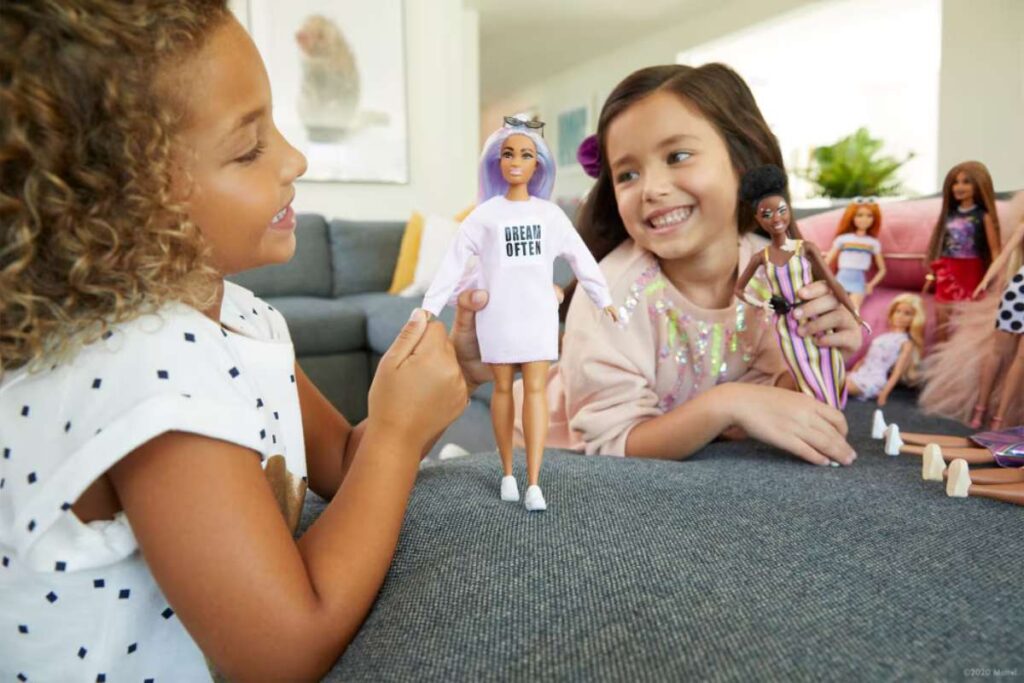
The study also observed clear differences in how children engaged during play. Those in the doll group often included friends, siblings, and parents in their activities. They gave their dolls personalities and spoke about what the dolls might feel or think. This type of imaginative play appeared to support social learning.
In contrast, children using tablets tended to play alone more often. While the games were creative, they did not always involve the same level of social interaction. Researchers noted that this difference may influence how children practice understanding others.
The findings suggest that dolls may act as simple tools for children to explore social roles and emotions. By creating stories and interactions, children can practice real-world communication skills in a safe and flexible setting.
At the same time, the study does not suggest that digital devices are harmful. Instead, it highlights that different types of play support different areas of development. Tablets can still offer learning benefits, especially in areas such as problem-solving and creativity.
The study also reflects broader trends in technology use among children. Many young learners now interact with digital devices at an early age. This makes it important for parents and educators to balance screen-based activities with traditional forms of play.
Experts note that early childhood is a critical period for developing social and emotional skills. Activities that encourage interaction, imagination, and perspective-taking can help children build a strong foundation for future learning.
For teachers and parents, the findings offer a simple insight. Encouraging children to engage in imaginative play with objects like dolls can support the growth of empathy, understanding, and dolls social skills, essential abilities as children navigate both classroom environments and everyday social situations.
Visit more of our news! Future Education Magazine