

“The library is the temple of learning, and learning has liberated more people than all the wars in history.”
Carl T. Rowan
Books have always shaped how we learn, explore ideas, and preserve history. Some places take that role to an entirely different scale. The largest libraries in the world are home to millions of books, manuscripts, maps, and digital records that reflect centuries of human knowledge.
These libraries are not just quiet reading spaces. They support research, protect rare collections, and make information accessible to people across the globe. From ancient texts to modern archives, each one tells a story about culture, discovery, and the power of shared knowledge.
Ranking the 14 Largest Libraries in the World
These libraries grew through centuries of careful collection. Each one reflects the intellectual journey of its nation. Together, they support research, culture, and shared memory. We have ranked the libraries from lowest to highest number of media units in their catalogue.
| Rank | Name | Location | Current Catalogue |
| 14 | Bavarian State Library | Munich, Germany | 34.4 million+ media units |
| 13 | National Library of Russia | Saint Petersburg, Russia | 36.5 million+ items |
| 12 | University of Illinois Library | Urbana, Illinois, USA | 38 million+ items |
| 11 | Bibliothèque nationale de France | Paris, France | 41+ million items |
| 10 | Royal Danish Library | Copenhagen, Denmark | 42.5 million items |
| 9 | National Diet Library | Tokyo and Kyoto, Japan | 44.1 million+ items |
| 8 | National Library of China | Beijing, China | 44.93 million volumes |
| 7 | Russian State Library | Moscow, Russia | 48+ million items |
| 6 | German National Library | Leipzig and Frankfurt, Germany | 53.1 million+ items |
| 5 | New York Public Library | New York City, USA | 56 million items |
| 4 | Shanghai Library | Shanghai, China | 58–60 million+ items |
| 3 | Milli Kütüphane (Nation’s Library) | Ankara, Turkey | 141+ million items |
| 2 | British Library | London, United Kingdom | 170 million+ items |
| 1 | Library of Congress | Washington, D.C., USA | 178.2 million items |
14. Bavarian State Library
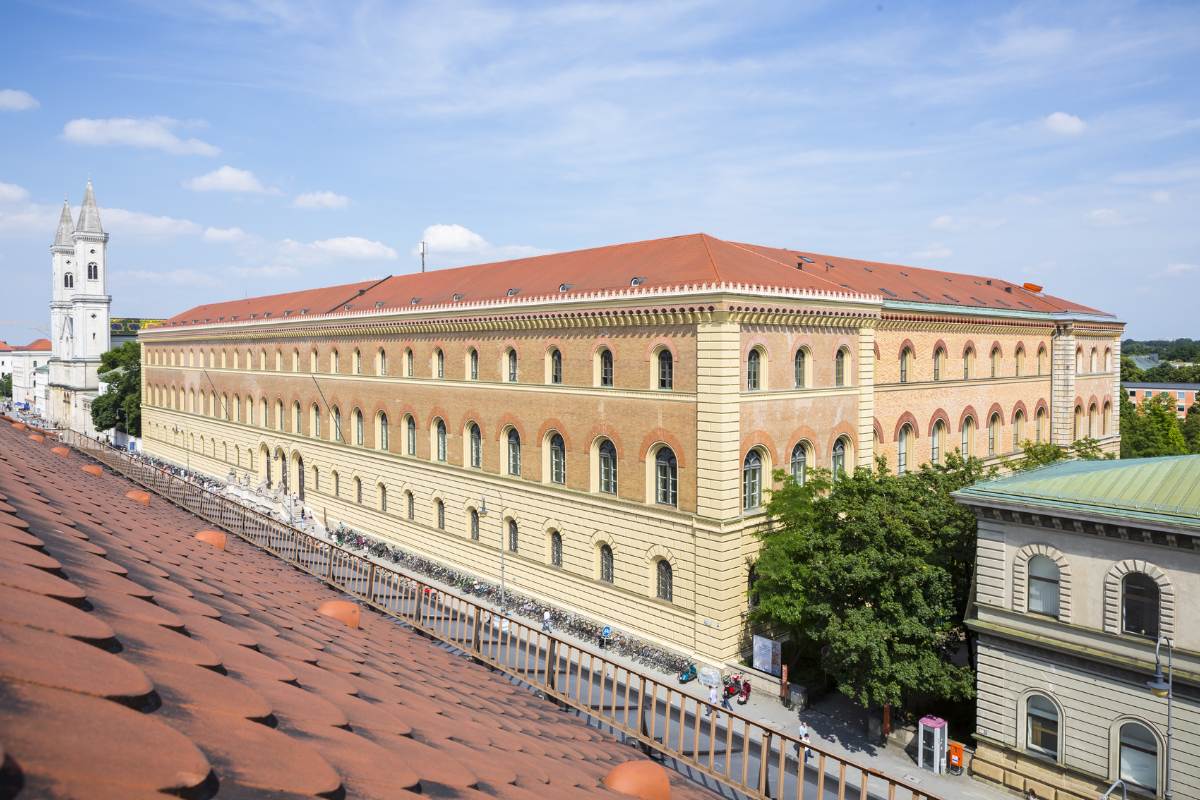
- Location: Munich, Germany
- Current Catalogue: 34.4 million+ media units
- Fun Fact: It holds one of the largest manuscript collections in Germany.
The Bavarian State Library, one of the largest libraries in the world, began in 1558 as a court library for the House of Wittelsbach. It grew fast through royal collections, monastery acquisitions, and early printing works. Today, it stands as one of Europe’s most important research libraries. The library holds rare medieval manuscripts, early printed books, and one of the best collections of incunabula in the world. Scholars often visit for its strong focus on European history, music, and classical studies.
13. National Library of Russia
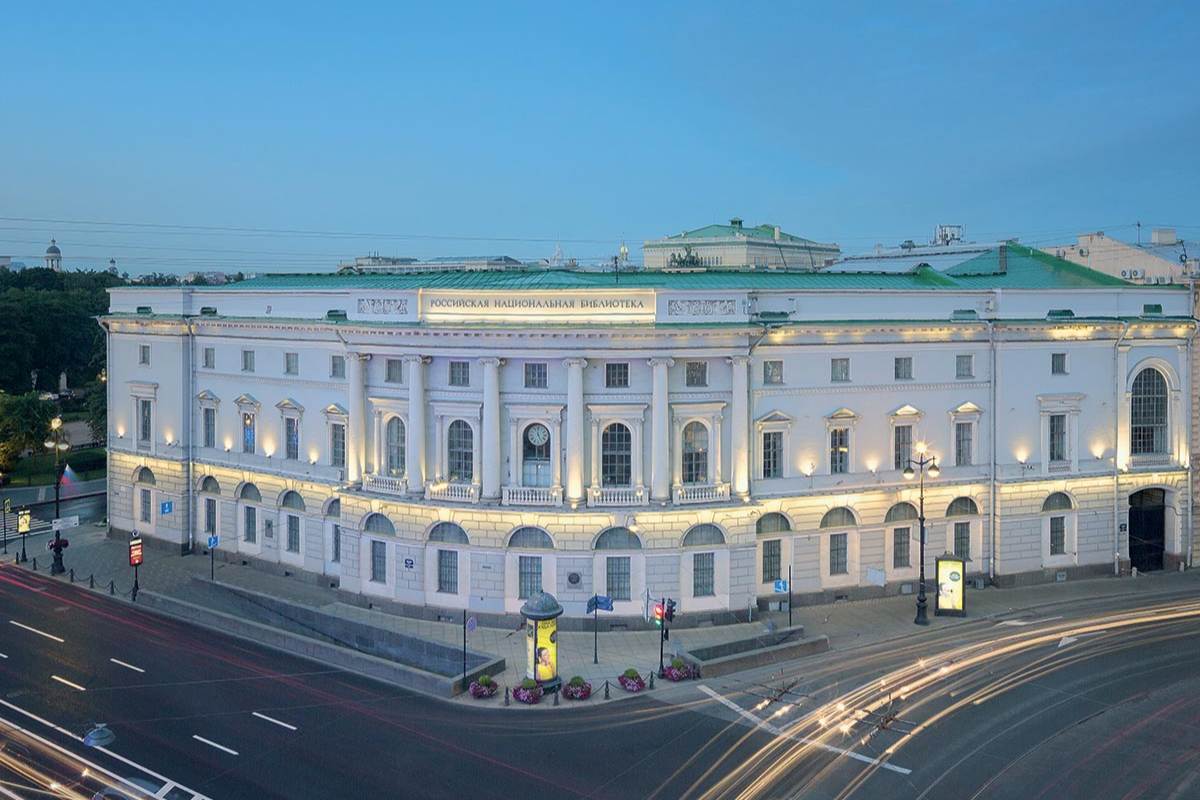
- Location: Saint Petersburg, Russia
- Current Catalogue: 36.5 million+ items
- Fun Fact: It is one of the oldest public libraries in Russia.
Founded in 1795, the National Library of Russia started as the Imperial Public Library. It played a major role in preserving Russian literary heritage. The collection includes ancient Slavic manuscripts, rare maps, and early printed books. It also holds first editions of works by Pushkin, Tolstoy, and Dostoevsky. The library serves both researchers and the general public.
12. University of Illinois Library
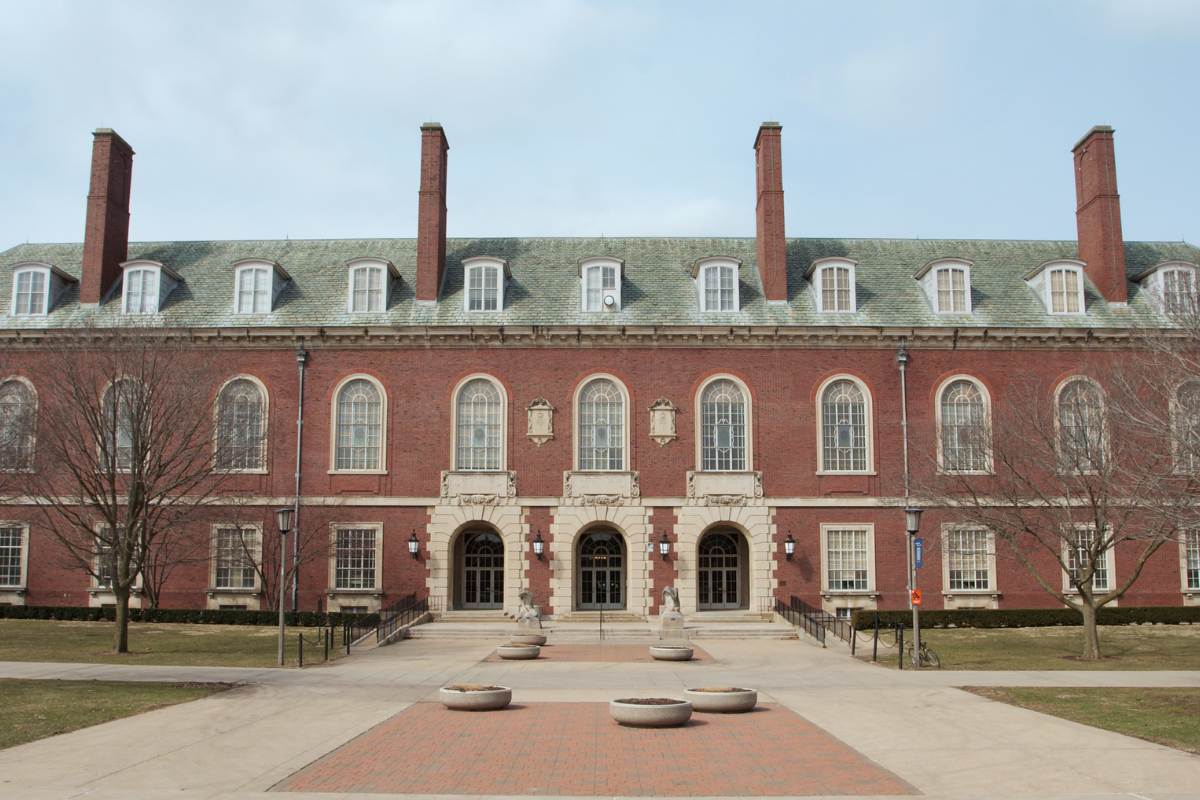
- Location: Urbana, Illinois, USA
- Current Catalogue: 38 million+ items
- Fun Fact: It operates more than 20 departmental libraries on campus.
The University of Illinois Library began in the mid-1800s alongside the university. Over time, it became the largest public university library system in the world. Its collection spans science, engineering, humanities, and social sciences, solidifying itself as one of the largest libraries in the world. The library also holds rare books, maps, and one of the largest collections of newspapers in the United States. It supports both academic research and public access.
11. Bibliothèque nationale de France
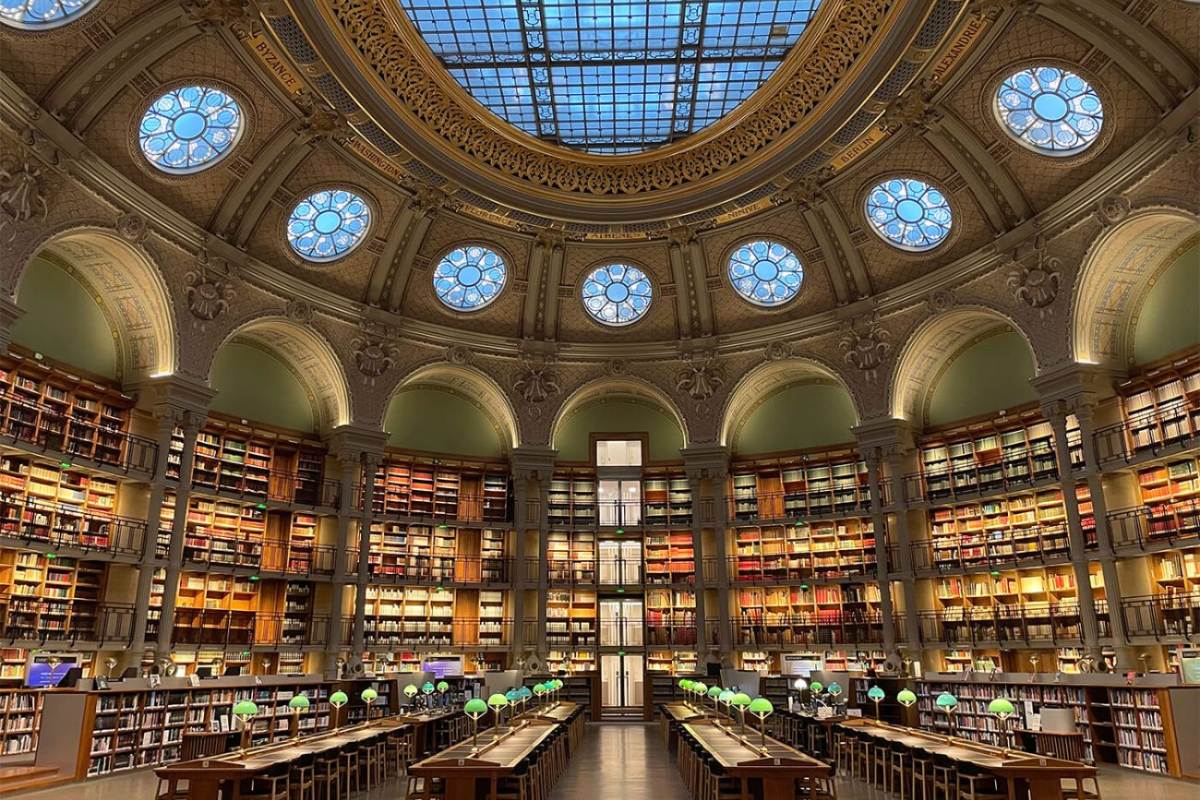
- Location: Paris, France
- Current Catalogue: 41+ million items
- Fun Fact: Every book published in France must submit a copy here.
The national library of France traces its roots back to 1368 under King Charles V. It expanded through royal collections and legal deposit laws. The library preserves French publications, manuscripts, prints, and coins. It also holds early editions of works by Voltaire, Rousseau, and Victor Hugo. Its modern site at François-Mitterrand reflects its blend of tradition and technology.
10. Royal Danish Library

- Location: Copenhagen, Denmark
- Current Catalogue: 42.5 million items
- Fun Fact: It serves as both a national and university library.
Established in 1648, the Royal Danish Library began as a royal collection. It later opened to the public and researchers. The library holds medieval manuscripts, historical maps, and Danish cultural records. It also stores works by Hans Christian Andersen and Søren Kierkegaard. The Black Diamond building made it a modern cultural landmark.
9. National Diet Library

- Location: Tokyo and Kyoto, Japan
- Current Catalogue: 44.1 million+ items
- Fun Fact: It follows a system inspired by the U.S. Library of Congress.
The National Diet Library was founded in 1948 after World War II. It supports Japan’s parliament and preserves the nation’s publications. The collection includes books, journals, maps, and digital media. It also holds rare Edo-period texts and early modern Japanese works. Public access remains a key part of its mission.
8. National Library of China

- Location: Beijing, China
- Current Catalogue: 44.93 million volumes
- Fun Fact: It houses the largest collection of ancient Chinese books globally.
Next on this list of the largest libraries in the world is the National Library of China. Founded in 1909, it began as the Imperial Library of the Qing Dynasty. It preserves China’s written heritage across thousands of years. The library holds oracle bones, Dunhuang manuscripts, and ancient Chinese classics. It also collects modern Chinese and foreign publications. Researchers from across the world visit its reading halls.
Also Read: Best Libraries in New York: A Bibliophile’s Paradise
7. Russian State Library
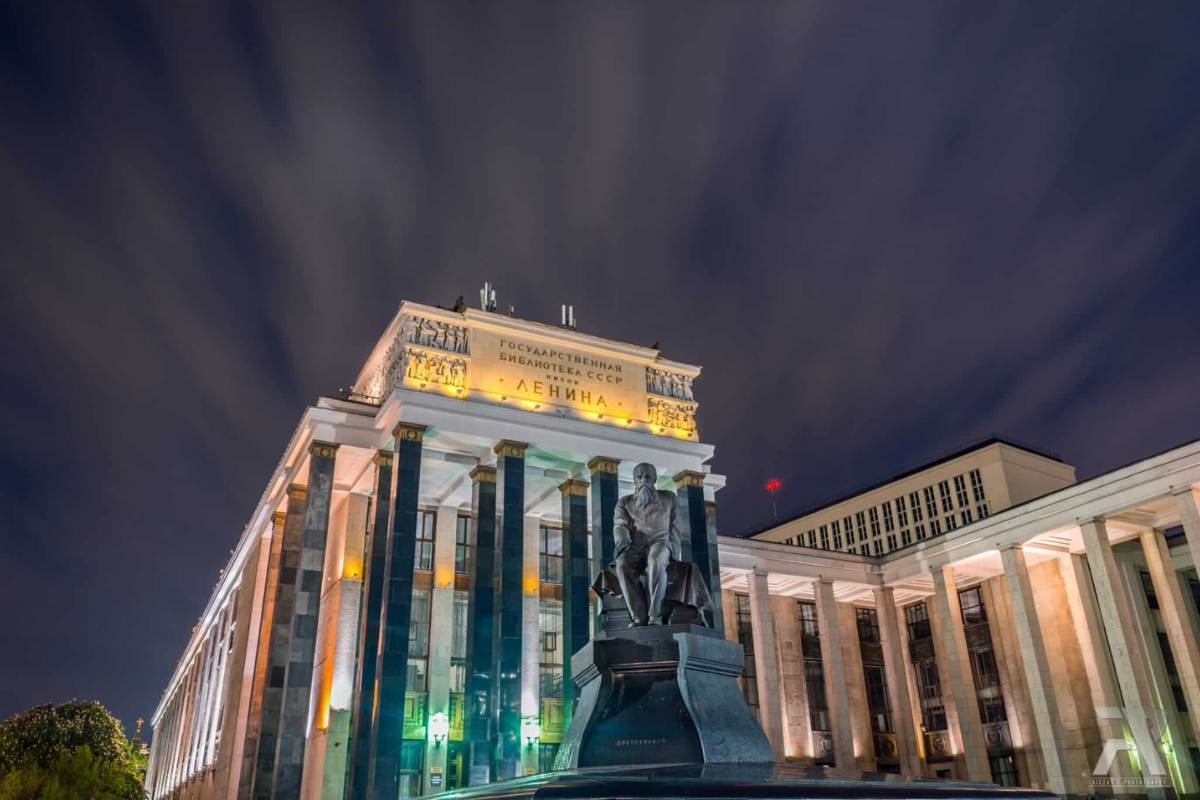
- Location: Moscow, Russia
- Current Catalogue: 48+ million items
- Fun Fact: It has underground storage extending several floors below ground.
The Russian State Library started in 1862 as part of the Rumyantsev Museum. It later became the main national library of Russia. The collection includes books, maps, music scores, and manuscripts in many languages. It holds rare Slavic texts and early Russian printed works. The library supports national preservation and research.
6. German National Library
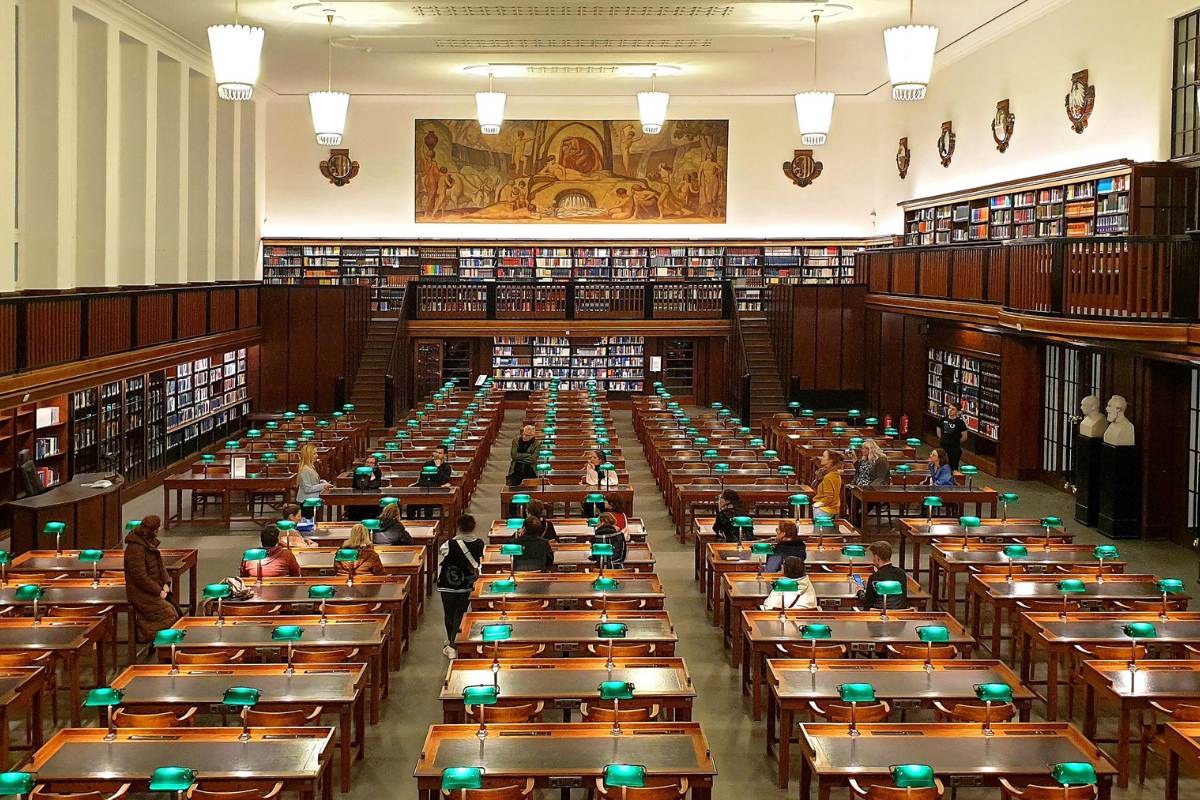
- Location: Leipzig and Frankfurt, Germany
- Current Catalogue: 53.1 million+ items
- Fun Fact: It also maintains the official German National Bibliography.
Founded in 1912, the German National Library, one of the largest libraries in the world, collects all German-language publications. It operates from two main locations. The collection includes books, journals, sound recordings, and digital media. It also preserves works published abroad in German. The library serves as Germany’s central archival library.
5. New York Public Library
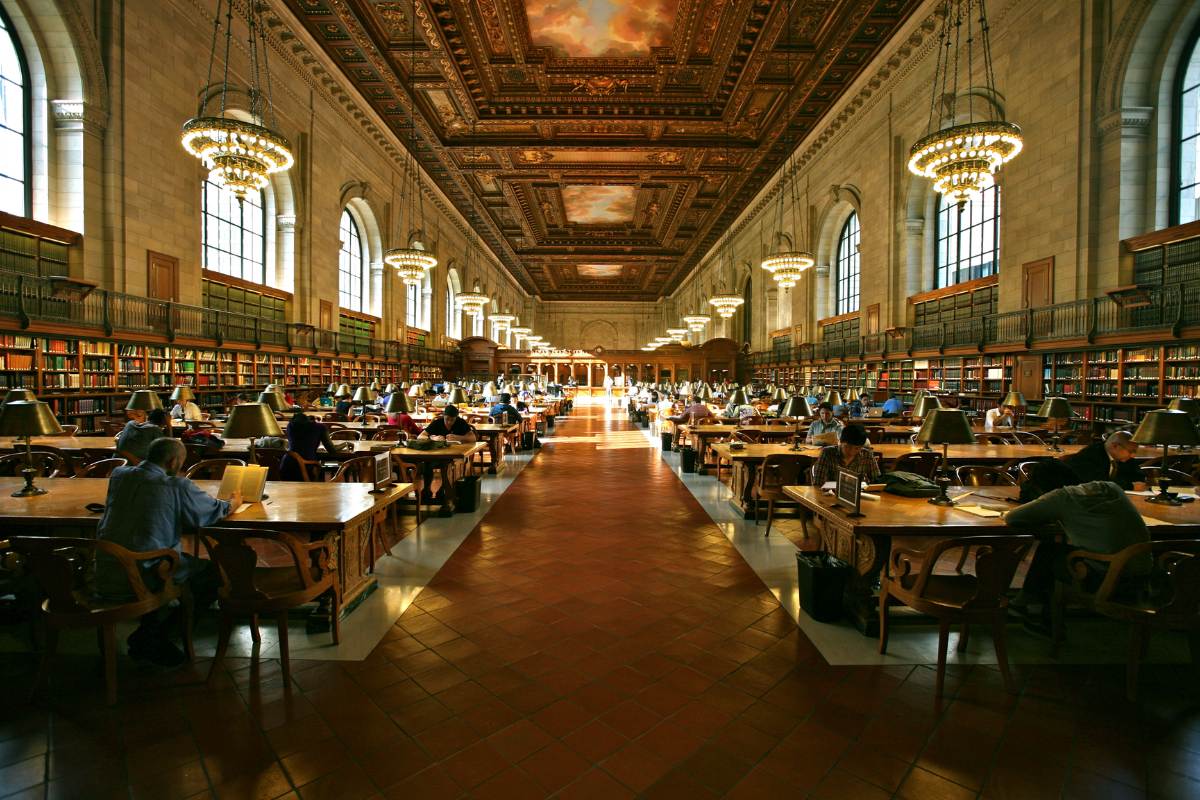
- Location: New York City, USA
- Current Catalogue: 56 million items
- Fun Fact: The iconic lion statues have official names, Patience and Fortitude.
The New York Public Library was formed in 1895 through a merger of private collections. It grew into one of the most accessible libraries in the world. The collection includes rare books, photographs, maps, and manuscripts. It holds items like a Gutenberg Bible and original manuscripts by famous authors. Millions of visitors use its services each year.
4. Shanghai Library

- Location: Shanghai, China
- Current Catalogue: 58–60 million+ items
- Fun Fact: It holds one of the world’s largest genealogy collections.
Established in 1952, the Shanghai Library serves as both a public and research library. It merged with the Institute of Scientific and Technical Information of Shanghai in 1995. The collection includes ancient Chinese texts, genealogy records, and foreign publications. It also focuses on business and technical resources. The library plays a key role in urban research and is also one of the largest libraries in the world.
3. Milli Kütüphane (Nation’s Library)

- Location: Ankara, Turkey
- Current Catalogue: 141+ million items
- Fun Fact: It houses rare Ottoman manuscripts written in multiple scripts.
The National Library of Turkey was founded in 1946. It preserves Turkish cultural and intellectual output. The collection includes manuscripts, Ottoman-era works, maps, and periodicals. It also holds rare calligraphy and early Turkish prints. The library supports research and national preservation.
2. British Library

- Location: London, United Kingdom
- Current Catalogue: 170–200 million+ items
- Fun Fact: It adds thousands of new items to its collection every day.
The British Library was established in 1973 but can be traced back to its roots to earlier collections. It serves as the national library of the UK. The collection includes books, manuscripts, maps, sound recordings, and stamps. Famous holdings include the Magna Carta and Shakespeare’s First Folio. It continues to expand through legal deposit.
1. Library of Congress

- Location: Washington, D.C., USA
- Current Catalogue: 178.2 million items
- Fun Fact: It shelves enough material to circle the Earth several times if laid end to end.
Founded in 1800, the Library of Congress serves as the research arm of the U.S. Congress. It is the largest libraries in the world by size. It stands amongst the largest libraries in the world as its collection spans books, manuscripts, maps, films, and sound recordings. It holds a Gutenberg Bible and early American historical documents. The library supports lawmakers, researchers, and the public.
Also Read: Diverse Books for Students: Why Representation Matters in Education
Conclusion:
As you reach the end of this journey, it becomes clear why these institutions matter so much. The largest libraries in the world protect knowledge that might otherwise be lost to time. They serve students, researchers, and curious minds by offering access to rare texts and vast digital collections. Each library reflects the culture and history of the society that built it. Visiting or learning about them reminds us how ideas travel across generations. Today, these libraries continue to stand as trusted spaces for learning, discovery, and reflection.
FAQ
1. Are the largest libraries in the world open to the public?
Many are open to visitors and readers. Some collections may have restricted access to protect rare or fragile materials.
2. Do large libraries only store books?
No. They also preserve photographs, audio recordings, films, historical documents, and digital archives.
3. Why are national libraries often among the largest libraries in the world?
National libraries collect published works from their country. Over time, this creates massive and diverse collections.