

Have you ever wondered why some lessons feel more meaningful than others? It’s often because they connect to who we are. That’s what culturally responsive teaching, or culturally relevant pedagogy, is all about. It’s a way of teaching that respects a student’s background, language, and experiences.
Instead of using one method for everyone, teachers adapt their approach to fit the students in front of them. This creates stronger relationships, deeper understanding, and a classroom where every student feels seen and supported. It helps students feel like they belong. In this article, we will be looking at how this method works and how teachers can use it in classrooms to deliver a better learning experience.
What is Culturally Responsive Teaching and Why is it Important?
This theory was first put forward by Gloria Ladson-Billings. She argued that Culturally Responsive Teaching can connect education to students’ cultural backgrounds. It can honor diversity and make learning relatable. When students see their culture reflected in class, they feel valued and more involved.
This teaching method helps close learning gaps. Many students come from homes with different languages, traditions, and values. If teachers ignore this, students may feel disconnected or misunderstood. Culturally Relevant Pedagogy helps fix that by making learning feel personal.
It also encourages fairness in education. Every student gets the support they need. This method is not only about adding multicultural books. It is about creating lessons that match how students think and communicate.
This approach builds trust between teachers and students. When students feel respected, they engage more in class and perform better. They take part in discussions, share ideas, and show more confidence. Teachers also grow by learning about different cultures. It makes teaching more rewarding and meaningful.
What are the 6 Elements of Culturally Responsive Teaching?
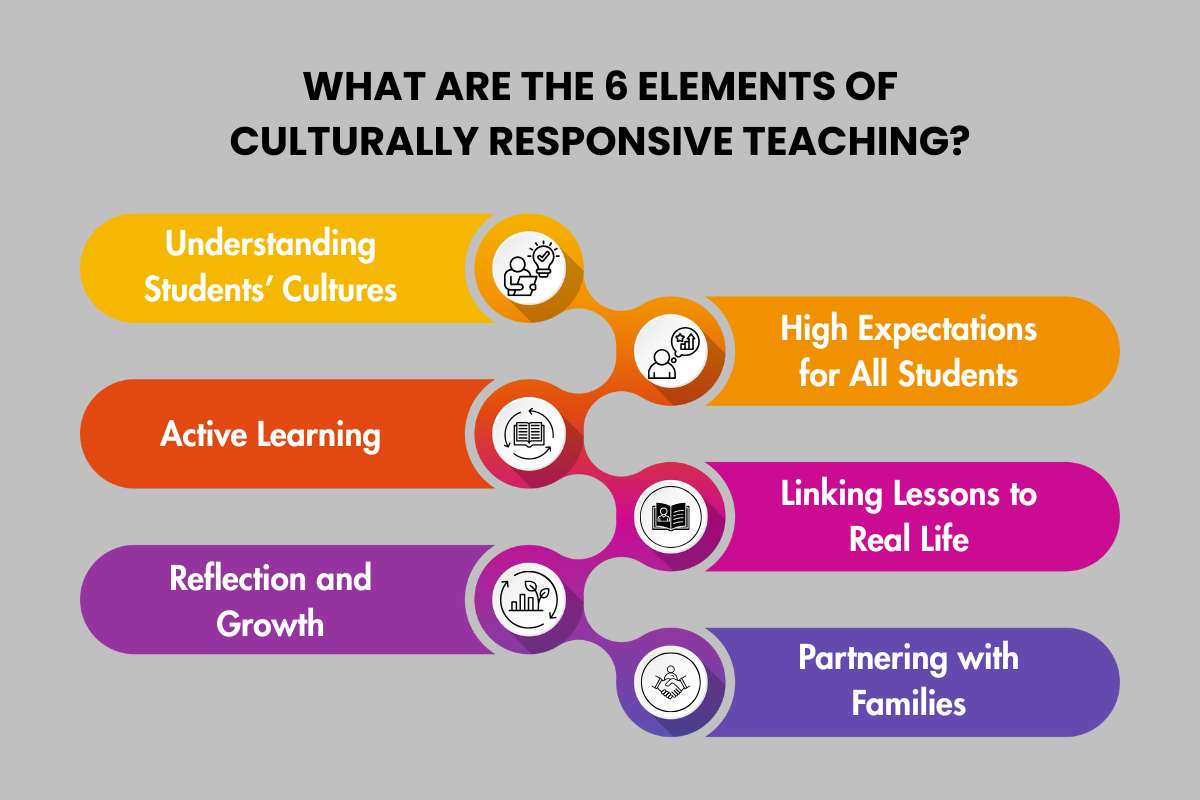
Culturally Responsive Teaching has key elements that help students feel included. Each element shapes how lessons connect to students’ backgrounds. These parts work together to create a fair and engaging classroom.
1. Understanding Students’ Cultures
Teachers learn about students’ cultures through conversations, surveys, or family events. This helps them understand how each student learns best. Culture affects communication styles, body language, and even how students solve problems.
When teachers use this knowledge in lessons, students stay interested. They feel seen and valued. This also helps teachers avoid using biased examples. It creates a safe space where every student can share who they are.
2. High Expectations for All Students
Teachers using Culturally Responsive Teaching believe all students can succeed. They set high standards but give support to reach them. Students can take this belief and use it as motivation.
This approach avoids labeling students as “slow” or “difficult.” Instead, teachers help students grow with positive feedback. When students feel capable, they try harder and show better results. They gain confidence with every step forward.
3. Active Learning
Students learn better when they take part in lessons. Culturally Responsive Teaching includes group work, discussions, and hands-on activities. It makes learning interactive and engaging.
This method helps students gain knowledge from each other. They share ideas and understand how to respect different views. Active learning also builds skills like teamwork and communication.
4. Linking Lessons to Real Life
Teachers make lessons relevant by connecting them to real-life issues or personal experiences. This keeps students interested and helps them understand better.
For example, a math class can study budgets from local markets. A history class can compare past events with their community’s traditions. When lessons make sense, students pay attention. They see how school links to their own life.
5. Reflection and Growth
Teachers reflect on their approach often. They ask themselves if all students feel included. They make changes to improve the learning experience.
Reflection helps teachers spot areas where bias may happen. It also helps them celebrate what works. Teachers grow along with their students, making the classroom a better space for everyone.
6. Partnering with Families
Families are a key part of students’ learning journey. Teachers connect with families through meetings, calls, or events. They learn about students’ home life and values.
When families and teachers work together, students feel more supported. They perform better in class. Parents also feel welcome and included in their child’s education.
Also Read: Culturally Relevant Pedagogy: Fostering Inclusive Education in a Diverse World
Advantages and Disadvantages of Culturally Responsive Teaching

This approach brings many benefits for students and teachers. It supports learning, respect, and equity, but also requires effort and support. Understanding the pros and cons helps schools plan better. So what are they?
Advantages:
- Improves student engagement: Students feel that lessons reflect their lives. This makes them more likely to take part in class and stay focused. A 2018 study published in the SRATE Journal involving nearly 200 K-12 teachers found that culturally responsive teaching helps cultivate student empowerment and can boost overall classroom engagement.
- Boosts academic performance: When students connect with the material, they understand it better. This leads to higher grades and better test scores.
- Promotes respect and community: Students learn about and appreciate different cultures. It can build a caring and inclusive classroom community.
- Supports equity in learning: Every student gets a fair chance. Culturally Responsive Teaching reduces learning gaps by meeting students where they are.
- Reduces dropout rates: Students who feel respected and understood are more likely to stay in school. They feel like they belong, which can, in turn, reduce the dropout rate of the school
Disadvantages:
- Takes time and effort to implement: Teachers must learn about each student’s culture. This requires ongoing effort and research.
- Needs proper training: Some teachers might feel unprepared. They need workshops and support to feel confident.
- Requires school support: Teachers need materials that show different cultures. Schools may need to update books, posters, and resources.
- Risk of cultural mistakes: Teachers may worry about saying something wrong. This fear may slow progress.
- Family misunderstanding: Some families might not understand this new approach. They may think traditional methods are better and need more explanation.
How Can Teachers Implement Culturally Responsive Teaching?
Teachers can use simple, practical methods to apply this approach. These examples show how they can make lessons relevant and welcoming. Each method helps students feel seen and valued in class.
1. Use Diverse Books and Media:
Teachers can choose books that show different cultures and experiences. For example, a reading lesson can include African folktales, Asian myths, or biographies of Indigenous leaders. This helps students see themselves in the material and exposes them to new cultures. Teachers can also show videos, music, or images from diverse communities. This keeps students interested and builds a welcoming environment.
2. Connect Lessons to Student Experience:
Teachers start lessons by asking students questions about their lives. For example, when teaching math, they might ask students to share how their families budget. In a science class, students might talk about natural remedies or family health practices. These connections make lessons feel real. Students work harder when they see how school intermingles in their daily lives.
3. Encourage Student Voice:
Teachers invite students to lead discussions or suggest project ideas. Students might choose a topic that matters to their culture. They can share their opinions, feelings, and experiences. This builds confidence and encourages leadership. When students feel comfortable speaking, they also learn about other cultures.
4. Learn Key Words in Students’ Home Languages:
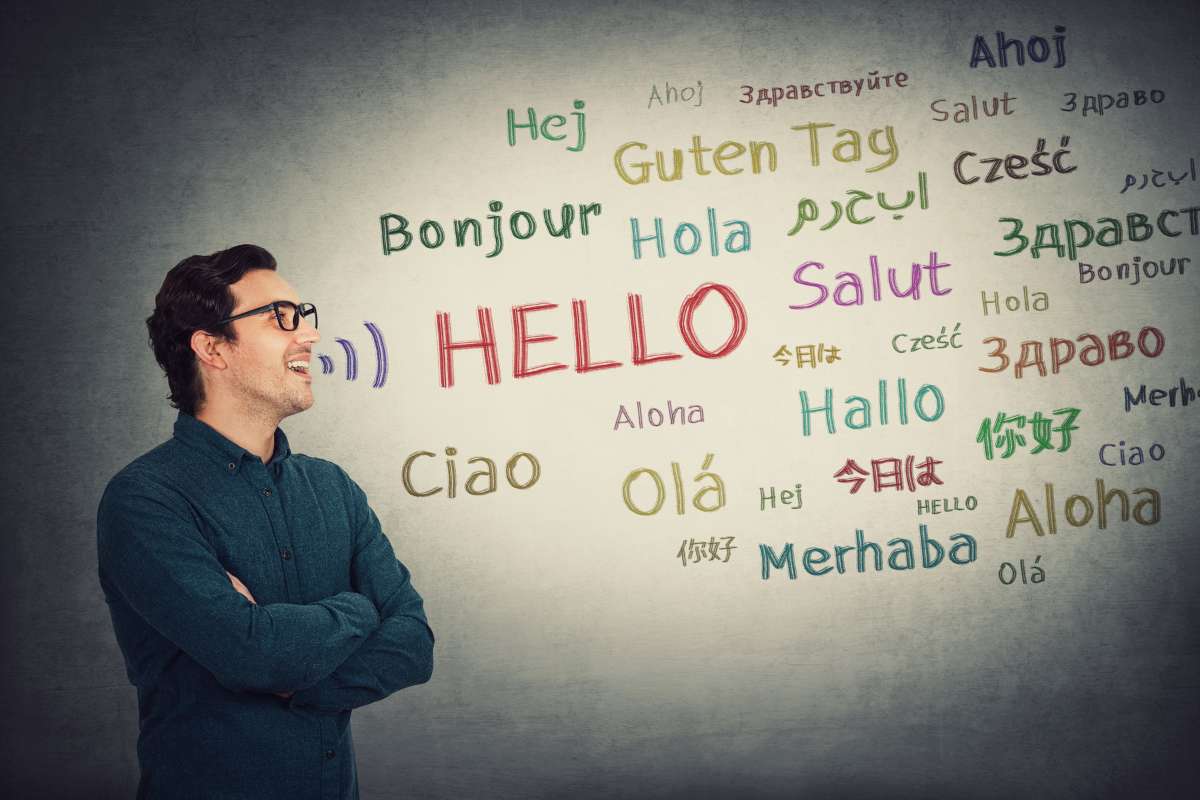
Teachers can learn simple words like “hello,” “thank you,” or “good job” in their students’ languages. They can use these words during class. Students feel proud and happy when they hear their language spoken. This small act helps build trust and connection. It shows that the teacher values their identity.
5. Celebrate Cultural Traditions:
Teachers can hold classroom celebrations for cultural holidays. Students and families can bring food or items related to the celebration. For example, parents can teach the class how they celebrate Diwali or Eid. Students learn about each other’s traditions in a fun way. This creates a classroom full of respect and curiosity.
6. Use Real-World Connections:
One can use real places and events to teach lessons. For example, a geography lesson can use maps of students’ home regions. A social studies class can explore local heroes or changing community traditions. When lessons match the world students live in, learning becomes powerful and practical.
7. Group Work and Projects:
Another great idea is to create mixed groups for projects. Each group member brings different ideas and viewpoints. For example, students can work together to solve a problem, create a presentation, or build a model. They can learn to share and work together.
8. Technology and Global Connections:

Teachers can also use online tools to connect students with others around the world. For example, students can video chat with a classroom in another country. They can learn how students in another place live, study, or celebrate. This teaches students global awareness and builds new friendships.
9. Create a Cultural Display Area:
Teachers can set up a display area in the classroom for cultural items. Students can add photos, drawings, flags, or artifacts from their culture. The display can grow throughout the year and show that every background is welcome. Ultimately, it can lead students to feel proud to see their identity on display.
10. Provide Assignment Choices:
Teachers can give students options on how to show their progress. Students might write a story, draw a poster, make a video, or build a model. This helps students who learn in different ways. It also gives them ownership and pride in their work. Giving a choice can give everyone a chance to shine.
Case Study: Culturally Responsive Math Teaching – Rosanne Fulton
Rosanne Fulton studied three middle school math teachers in a diverse school in the United States. She watched how they used culturally responsive teaching every day. The teachers built a strong classroom community where students felt safe and supported. They helped each other understand math problems and learned together as a team.
The teachers also changed their teaching to fit the students’ backgrounds. They used examples from real life and explained ideas in different ways. Their goal was to help every student succeed in math. They set high expectations and believed every child could grow. Because of this, students became more confident and better at explaining their thinking. They understood math concepts, not just answers.
Fulton found that this approach helped students learn more deeply. It also made students value other cultures and ideas. Her study showed that culturally responsive teaching works even in subjects like math. It helps both learning and respect grow in the classroom.
Conclusion:
Culturally responsive teaching is a mindset and not just a method. It helps teachers connect with students by honoring their identities and experiences. Students are more likely to actively participate when they feel seen and understood.
This approach builds trust, boosts confidence, and makes learning meaningful for everyone. By using culturally relevant pedagogy, we can create classrooms where every student belongs and thrives.
FAQ
1. How can teachers start using culturally responsive teaching?
Teachers can begin by learning about their students’ cultures, using diverse materials, and creating a safe, inclusive classroom environment.
2. Does this method of teaching take extra time?
It may take some planning at first, but it becomes natural with practice. The positive impact on learning is worth the effort.
3. Can culturally relevant pedagogy work in any subject?
Yes, this approach can be used in all subjects. It’s about how we teach, not just what we teach.
Also Read: Culturally Responsive Teaching: Nurturing Inclusive and Empowering Learning Environments