
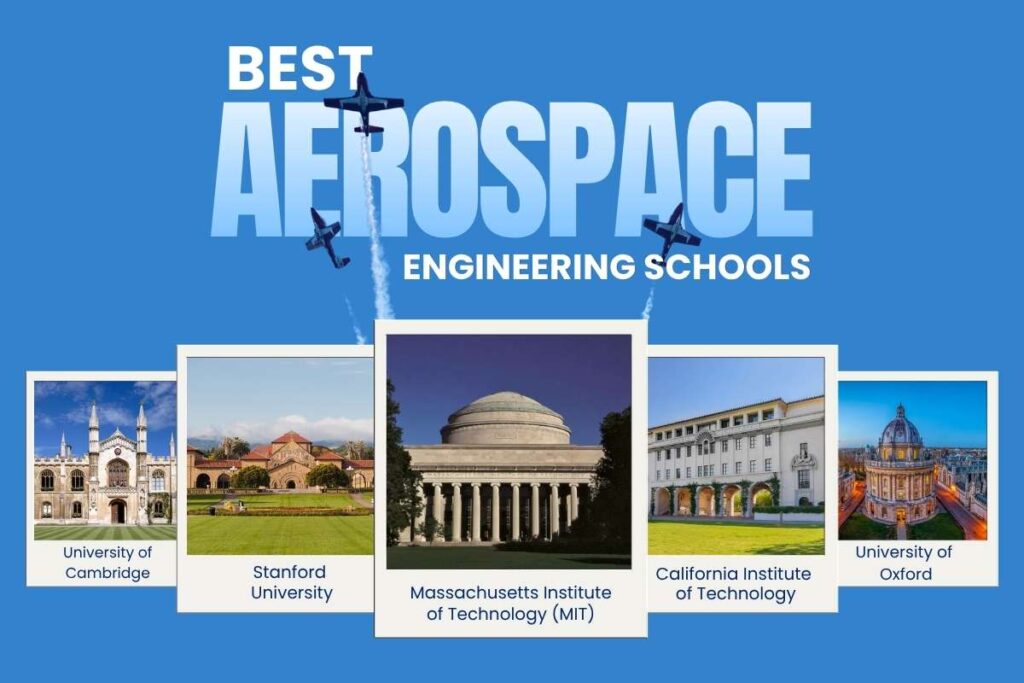
If you have ever seen a plane in the sky or a rocket launch, you may have wondered how they work. That is what aerospace engineering is about. It is the field behind machines that fly in the air and in space. For many students, the next step is finding the best aerospace engineering schools to turn this interest into a real career.
This is where it gets confusing. There are many lists online that show the aerospace engineering schools, but most only rank colleges. They do not explain what you will learn or which school is right for you.
This guide makes it simple. It explains the schools in a clear way, focusing on learning, facilities, and career paths. By the end, you will know which option fits you best.
How We Ranked the Best Aerospace Engineering Schools
To make this list reliable, we did not rely on a single ranking. Instead, we combined multiple factors that actually affect student outcomes.
1. Academic Reputation:
We looked at global rankings from QS and Times Higher Education for aerospace and mechanical engineering. Schools that consistently rank high over time scored better.
2. Research Output and Facilities:
Top aerospace programs invest heavily in:
- Wind tunnels
- Propulsion labs
- Space systems research
Schools with strong research funding and lab access ranked higher.
3. Industry Connections:
We prioritized schools with strong ties to organizations like:
- NASA
- Boeing
- Airbus
- SpaceX
These connections directly affect internships and job placements.
4. Graduate Outcomes:
Employment rates, starting salaries, and placement in aerospace roles were key signals. The best aerospace engineering schools consistently lead to strong career outcomes.
5. Curriculum Strength: Programs were evaluated on:
- Core aerospace subjects
- Hands-on training
- Flexibility to specialize (aerodynamics, propulsion, space systems)
6. Global Recognition:
Some universities carry more weight internationally. This matters for students planning to work in different countries.
15 Best Aerospace Engineering Schools in the World
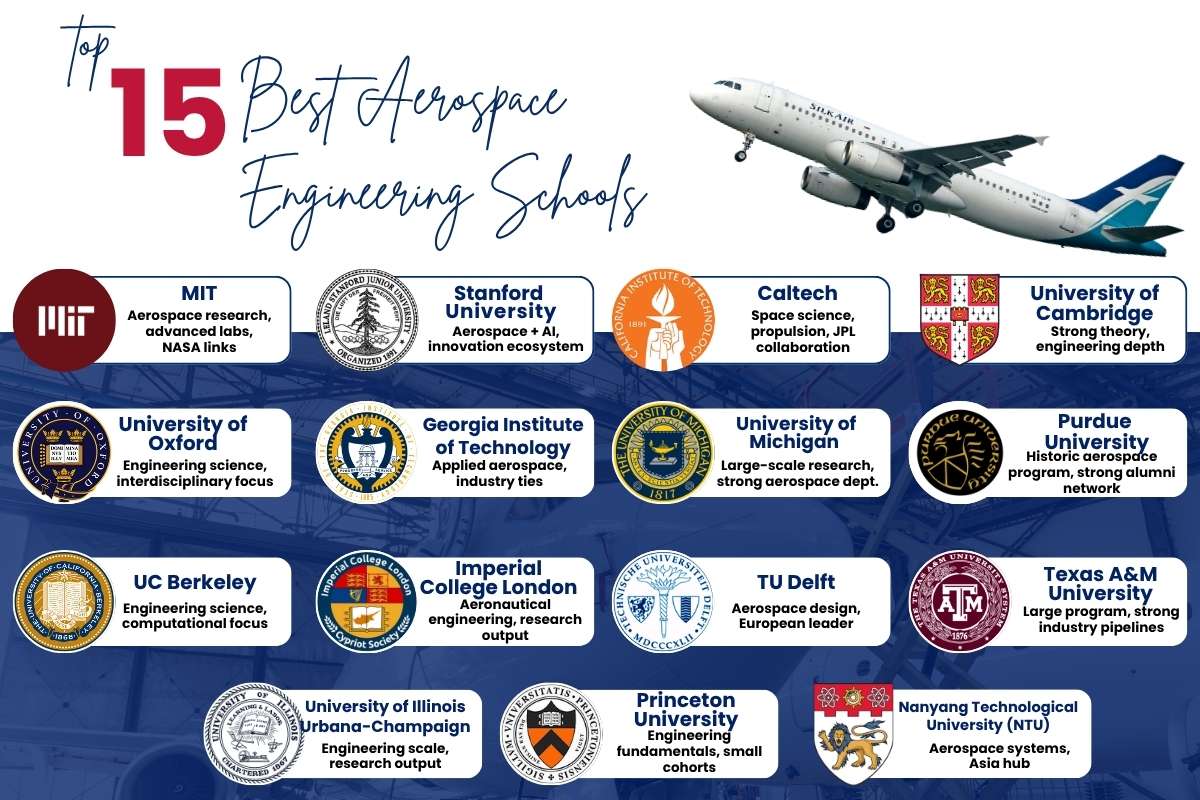
This is a quick overview of some of the best aerospace engineering schools to compare at a glance.
| Rank | School | Country | Known For | Avg Tuition (2026 est.) |
| 1 | MIT | USA | Aerospace research, advanced labs, NASA links | $62,000–$66,000/year |
| 2 | Stanford University | USA | Aerospace + AI, innovation ecosystem | $65,000–$69,000/year |
| 3 | Caltech | USA | Space science, propulsion, JPL collaboration | $63,000–$67,000/year |
| 4 | University of Cambridge | UK | Strong theory, engineering depth | £39,000–£43,000/year (~$49K–$54K) |
| 5 | University of Oxford | UK | Engineering science, interdisciplinary focus | £38,000–£42,000/year (~$48K–$53K) |
| 6 | Georgia Institute of Technology | USA | Applied aerospace, industry ties | $33,000–$37,000/year |
| 7 | University of Michigan (Ann Arbor) | USA | Large-scale research, strong aerospace dept. | $55,000–$59,000/year |
| 8 | Purdue University | USA | Historic aerospace program, strong alumni network | $30,000–$34,000/year |
| 9 | UC Berkeley | USA | Engineering science, computational focus | $48,000–$52,000/year |
| 10 | Imperial College London | UK | Aeronautical engineering, research output | £37,000–£41,000/year (~$47K–$52K) |
| 11 | TU Delft | Netherlands | Aerospace design, European leader | €16,000–€20,000/year (~$17K–$22K) |
| 12 | Texas A&M University | USA | Large program, strong industry pipelines | $38,000–$42,000/year |
| 13 | University of Illinois Urbana-Champaign | USA | Engineering scale, research output | $34,000–$38,000/year |
| 14 | Princeton University | USA | Engineering fundamentals, small cohorts | $59,000–$63,000/year |
| 15 | Nanyang Technological University (NTU) | Singapore | Aerospace systems, Asia hub | $18,000–$24,000/year |
These are widely considered the best schools based on research output, faculty, and career outcomes.
1. Massachusetts Institute of Technology (MIT)

MIT, in Cambridge, USA, offers one of the top aerospace programs through its Aeronautics and Astronautics department. Students learn core concepts and also work on real projects in aircraft and space systems. They often work with faculty on research linked to space programs. Strong labs and steady funding make MIT one of the best aerospace engineering schools for both research and jobs.
- Wright Brothers Wind Tunnel and Space Systems Lab access.
- Strong placement in NASA, SpaceX, Boeing, and research labs.
2. Stanford University

Stanford, in California, USA, mixes aerospace engineering with areas like AI, robotics, and data. The program is flexible, so students can study things like self-flying aircraft and space tech. It is close to Silicon Valley, which gives access to startups and big tech companies. This makes Stanford a prime school for students who want strong skills and real-world exposure.
- Focus on autonomous systems and computational aerospace.
- Direct access to Silicon Valley startups and research labs.
Also Read: Top 10 Best Boarding Schools in the U.S. that Open Doors Most Students Never Reach
3. California Institute of Technology (Caltech)

Caltech in Pasadena, USA, is known for its highly focused and research-intensive aerospace program. Small class sizes help students work closely with professors and take part in complex projects. Its partnership with NASA’s Jet Propulsion Laboratory gives students exposure to real missions and space systems. Caltech stands out for students interested in propulsion, astrophysics, and advanced space research.
- Direct collaboration with NASA’s Jet Propulsion Laboratory.
- Very low student-to-faculty ratio for focused research work.
4. University of Cambridge
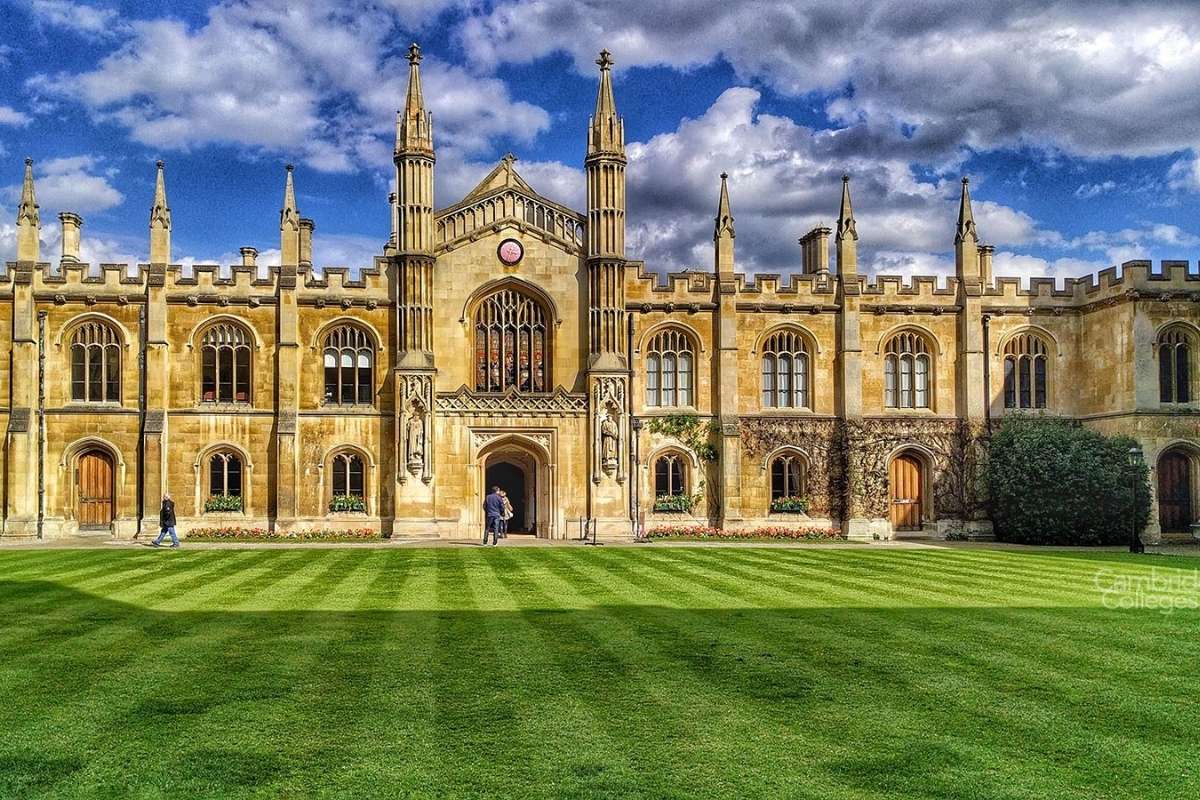
The University of Cambridge in the UK offers aerospace-related studies within its general engineering program. Students build strong fundamentals in the first years before specializing. The course focuses on analytical thinking, mathematics, and engineering science. Cambridge is a good choice for students who prefer a theory-driven approach with long-term academic flexibility and strong global recognition.
- Broad engineering course with later specialization options.
- Strong research output and global academic reputation.
5. University of Oxford

Oxford provides an Engineering Science program that includes aerospace topics within a broader curriculum. The focus is on core principles, modeling, and interdisciplinary problem-solving. Students gain a deep understanding of systems that apply across aerospace fields. It is considered ideal for students who want a strong theoretical base and flexibility in career paths.
- Emphasis on mathematics, modeling, and core engineering concepts.
- Interdisciplinary structure covering multiple engineering fields.
6. Georgia Institute of Technology

Georgia Tech, in Atlanta, USA, offers a practical aerospace program focused on real-world use. Students learn through labs, projects, and internships with industry. The course mixes theory with hands-on work, so graduates are ready for jobs after college. It is suitable for students who want industry experience and practical skills.
- Access to wind tunnels, design labs, and testing facilities.
- Strong recruitment from Boeing, Lockheed Martin, and NASA.
7. University of Michigan, Ann Arbor
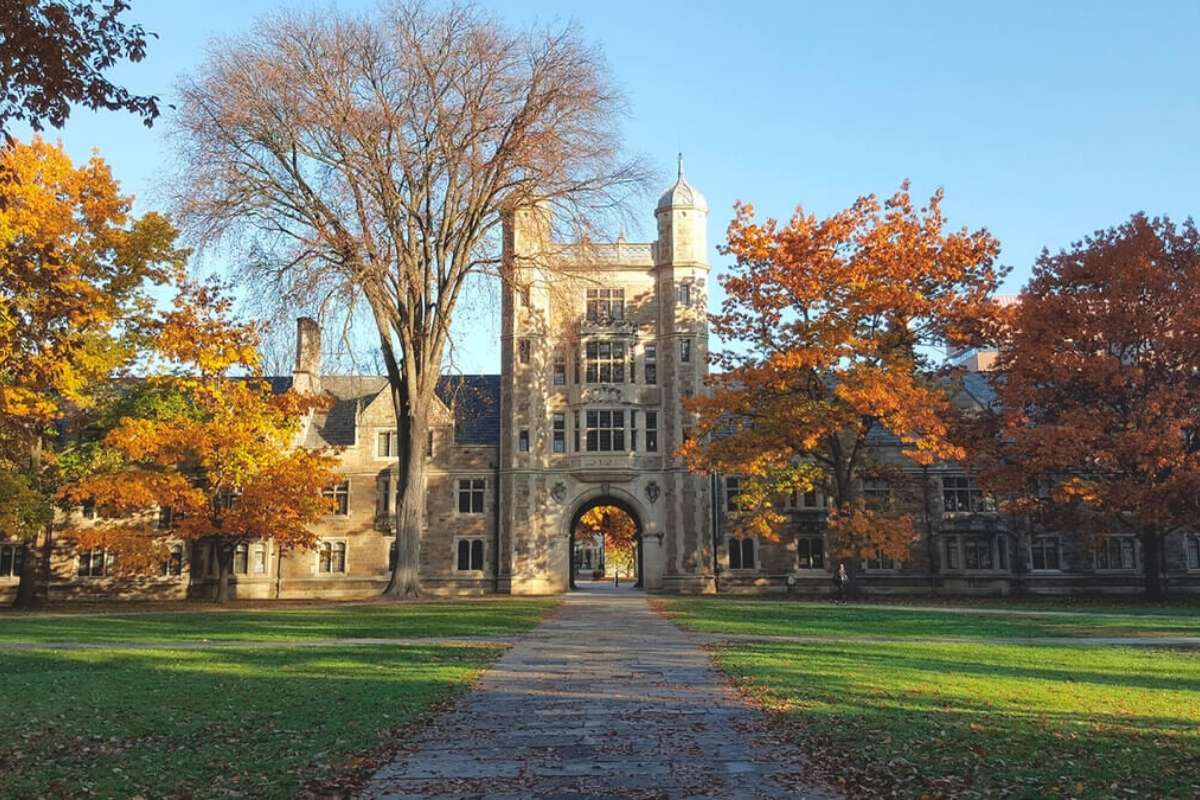
The University of Michigan provides a large and well-funded aerospace program with access to advanced facilities and research centers. Students can explore areas like aerodynamics, propulsion, and space systems. The program supports both academic research and industry pathways. It is widely recognized as one of the best aerospace engineering schools for its balanced approach and strong alumni network.
- Extensive lab infrastructure and funded research projects.
- Strong alumni presence across aerospace and defense sectors.
8. Purdue University
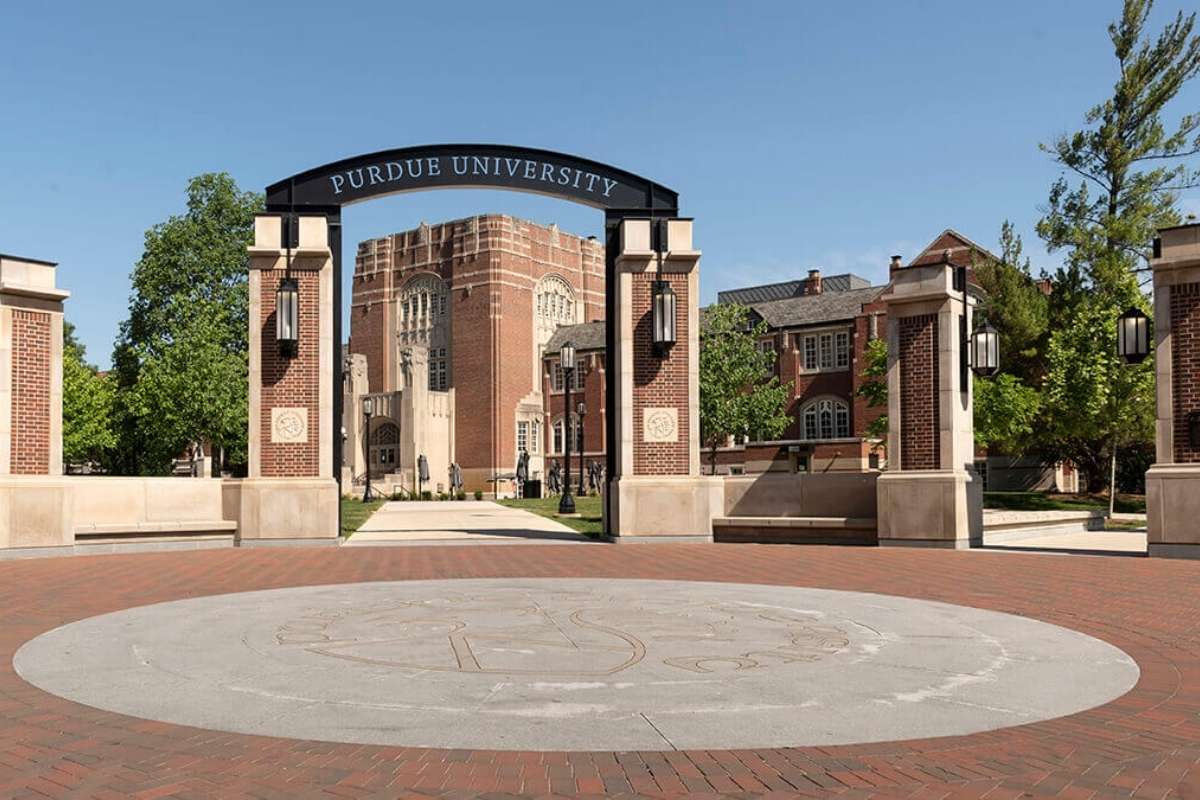
Purdue University in the USA has a long-standing reputation in aerospace engineering, with a focus on strong fundamentals and practical training. The program prepares students for industry roles through structured coursework and project-based learning. Purdue has produced many astronauts and aerospace leaders. Purdue also offers one of the strongest alumni networks in aerospace, which can help with internships and job placements.
- Known as the “Cradle of Astronauts.”
- Strong industry ties and internship opportunities.
9. University of California, Berkeley

UC Berkeley, located in California, USA, offers a strong engineering foundation with links to aerospace fields. It does not have a direct aerospace degree for undergraduates, but students can study areas like fluid flow, control systems, and computing. The program focuses on problem-solving and modern tools. Berkeley is one of the best aerospace engineering schools for students who want to mix software, data, and engineering.
- Strength in simulation, control systems, and computational modeling.
- Access to advanced research labs and interdisciplinary projects.
10. Imperial College London

Imperial College London in the UK offers a dedicated aeronautical engineering program with a strong focus on both theory and design. The curriculum includes aerodynamics, propulsion, and structural analysis, supported by modern lab facilities. Its location in London provides access to global companies and research centers. Imperial is considered ideal for students seeking a focused and internationally recognized program.
- Dedicated Department of Aeronautics with specialized courses.
- Strong links with Airbus, Rolls-Royce, and the UK aerospace sector.
Also Read: Can You Turn Music Into a Career? These Are The Best Music Schools in the World
11. TU Delft

TU Delft in the Netherlands is one of Europe’s leading aerospace institutions, known for its structured and design-focused program. Students work on real engineering problems, including sustainable aviation and aircraft systems. The program combines theory with applied projects and team-based learning. TU Delft stands out for offering high-quality education at a comparatively lower cost.
- One of the largest aerospace faculties in Europe.
- Strong focus on aircraft design and sustainable aviation.
12. Texas A&M University
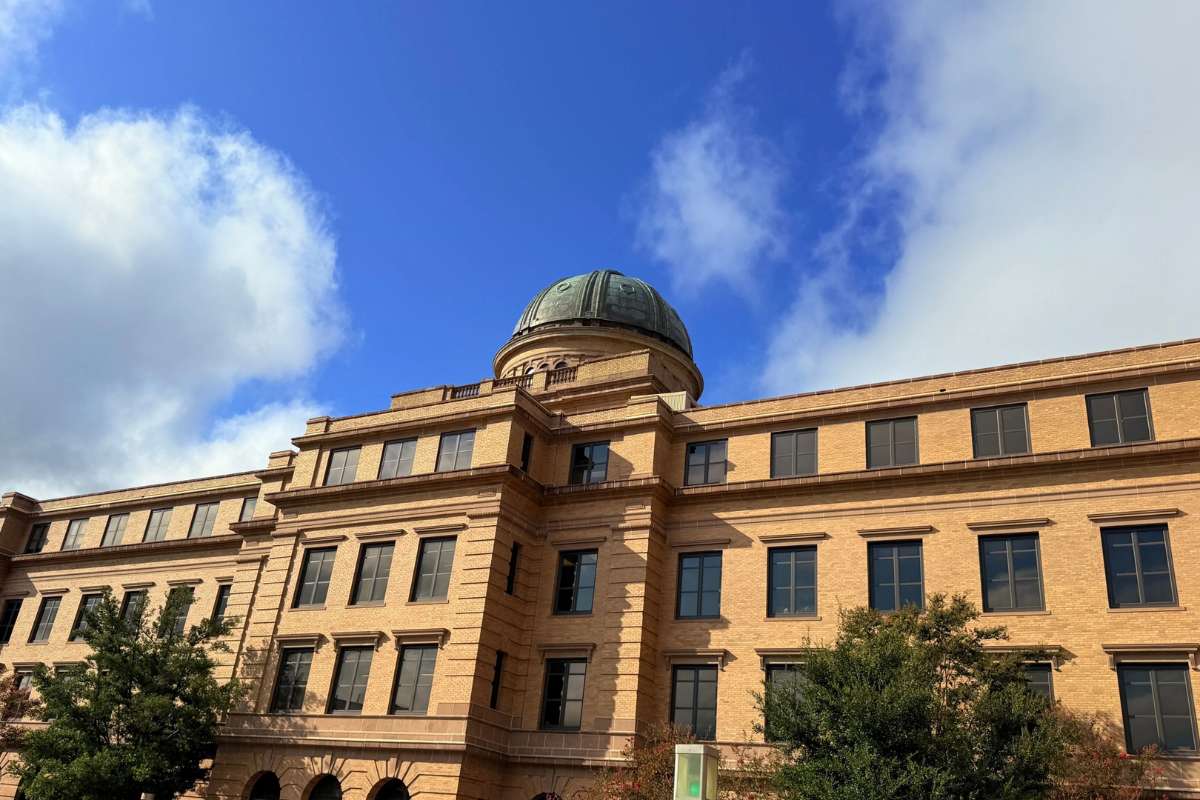
Texas A&M, located in the USA, offers a large aerospace engineering program with strong funding and industry collaboration. The curriculum emphasizes practical skills, teamwork, and system-level understanding. Students benefit from research opportunities and internships with major aerospace employers. It is widely regarded as one of the best for students aiming for stable industry careers.
- Strong internship pipelines with aerospace and defense companies.
- Access to large-scale research facilities and funded projects.
13. University of Illinois Urbana-Champaign
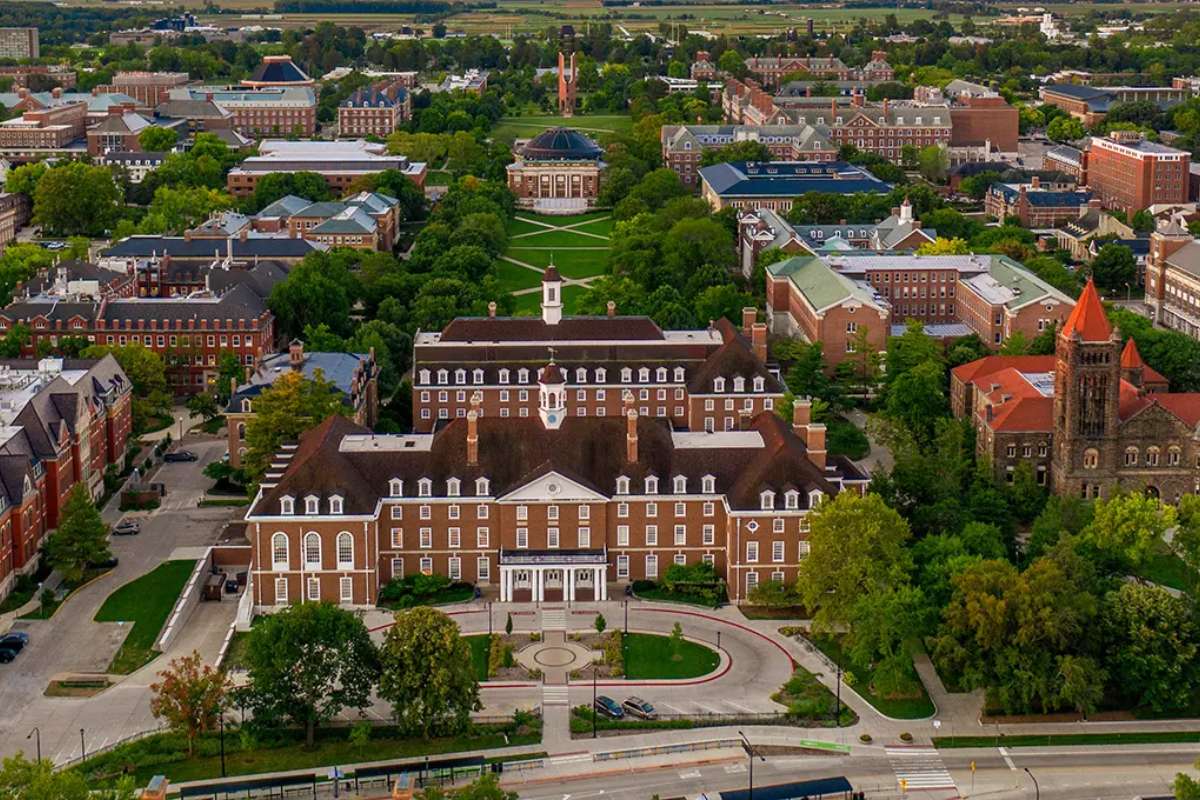
UIUC in the USA is known for its high research output and strong engineering programs. The aerospace department offers a balanced curriculum covering aerodynamics, propulsion, and structures. Students gain both theoretical knowledge and hands-on experience through labs and projects. UIUC ranks among the best aerospace engineering schools for delivering strong value and consistent academic quality.
- Leading research in fluid dynamics and propulsion systems.
- Competitive tuition compared to similarly ranked universities.
14. Princeton University

Princeton University offers a smaller, more theory-focused engineering program with opportunities to explore aerospace-related topics. The curriculum emphasizes fundamentals, mathematics, and problem-solving skills. Students receive close faculty interaction and access to high-level research. Princeton is a good choice for students interested in academic depth and future research paths.
- Low student-to-faculty ratio with personalized learning.
- Strong focus on fundamental engineering and applied physics.
15. Nanyang Technological University (NTU)

NTU in Singapore is a leading aerospace education hub in Asia, offering a modern and industry-aligned curriculum. The program focuses on systems engineering, maintenance, and emerging aerospace technologies. Students benefit from strong links with global aerospace companies operating in the region. NTU is considered one of the best schools for students targeting careers in the fast-growing Asian aerospace market.
- Close industry ties with Rolls-Royce, ST Engineering, and Airbus Asia.
- Modern labs focus on maintenance, repair, and aerospace systems.
Also Read: Want To Pursue Your Creative Side? Here are the 10 Best Art Schools In The World
How to Choose the Best Aerospace Engineering School?
Choosing between the best aerospace engineering schools is not only about rankings. It is about finding a program that fits your goals, budget, and learning style. A good choice makes your studies easier and your career path clearer.
1. Specialization:
Not all programs are the same. Some focus on aircraft, while others focus on space or satellites. Some schools offer both. Check what you will study in later years and the kind of projects you will do. This helps you choose a course that matches what you want to build.
2. Facilities:
Good facilities help you learn better. Look for labs, wind tunnels, and simulation tools. These help you understand how things work in real life. Schools with better labs usually give more hands-on experience. It is very important in aerospace engineering.
3. Location:
Location also matters. Schools near aerospace companies and research centers often offer better internships. Being close to these places can help you gain experience and find jobs more easily after your degree.
4. Cost:
Tuition varies widely between countries and universities. Some of the best aerospace engineering schools are expensive, but many offer scholarships or financial aid. It is important to look at the full cost, including living expenses, not just tuition.
Best Countries to Study Aerospace Engineering
| Country | Key Strength | What You Get | Best For |
| USA | Strong research and industry connections | Access to advanced labs, NASA partnerships, and top aerospace companies | Students aiming for research, innovation, and high-end careers |
| UK | Academic strength and global reputation | Deep theoretical knowledge and widely recognized degrees | Students who prefer strong fundamentals and global mobility |
| Germany | Lower cost and solid engineering programs | High-quality education with low or no tuition at public universities | Students looking for value and practical engineering skills |
| Netherlands | Design-focused programs | Hands-on learning with strong emphasis on aerospace design and innovation | Students interested in practical projects and modern engineering approaches |
Even among the best engineering schools, the country you choose matters a lot. It can affect your experience, learning, and future job options.
Career Options after Aerospace Engineering
A degree from the best aerospace engineering schools can lead to jobs in aviation, space, and defense. Graduates from these engineering schools often get jobs that are in high demand and offer steady growth.
- Aerospace Engineer: Designs and tests aircraft, rockets, and spacecraft. Focuses on performance, safety, and efficiency.
- Systems Engineer: Ensures all parts of a system work together smoothly, from design to final operation.
- Satellite Engineer: Develops and manages satellites used for communication, GPS, and space research.
- Propulsion Engineer: Works on engines and fuel systems that power aircraft and spacecraft.
- Aerodynamics Engineer: Studies airflow to improve speed, stability, and fuel efficiency.
- Structural Engineer: Designs lightweight but strong structures that can handle stress and pressure.
- Avionics Engineer: Builds and maintains electronic systems like navigation, radar, and flight controls.
- Flight Test Engineer: Tests aircraft and analyzes data to improve safety and performance.
- Defense Engineer: Develops military aircraft, drones, and defense systems.
- Maintenance and Operations: Supports aircraft systems, ensuring they run safely in real-world conditions.
These roles cover both design and operations, giving graduates multiple career paths depending on their interests.
Also Read: These Largest Colleges in the US Are Far Bigger Than You Think
Is Aerospace Engineering Hard?
Aerospace engineering is challenging, but it is manageable with the right approach and consistency. The difficulty comes from the subjects and the level of detail required.
1. Strong Math and Physics
You will study calculus, mechanics, and fluid dynamics. These topics form the base of aerospace engineering, so a solid understanding is important.
2. Consistent Effort
The workload is steady. Concepts build on each other, so staying regular with studies helps avoid falling behind.
3. Challenging but Manageable
The course is demanding, but many students succeed by practicing regularly and using available support like labs and study groups.
The best engineering schools are also among the most demanding.
Final Thoughts
There is no one best choice when picking from the best aerospace engineering schools. Each school is different. Some focus on research and labs, while others focus more on jobs and real work. They can offer different paths depending on what you want.
What matters most is your goal. Pick a school that fits what you want to do. Look at what you will study, the projects you will do, and the chances you get after your degree. A good fit is better than just a high rank.
Also, do not look at rankings alone. Even among the best schools, the right choice depends on how you learn, how much you can spend, and your future plans. Take your time and compare your options carefully.
FAQs
1. What are the best aerospace engineering schools in the world?
The best schools include MIT, Stanford, Caltech, Cambridge, and Georgia Tech. These schools are known for strong research, advanced labs, and high job placement rates. They consistently rank at the top for aerospace programs and offer good career opportunities after graduation.
2. How do I choose the best aerospace engineering school?
Choose based on your goals, budget, and interests. Look at specialization, labs, location, and career outcomes. Even among the best aerospace engineering schools, the right one is the one that fits your learning style and future plans.
3. Which country is best for aerospace engineering?
The USA is the top choice due to strong research and industry links. The UK offers academic strength, Germany provides lower-cost education, and the Netherlands focuses on design and practical learning. The best country depends on your budget and career goals.
4. Is aerospace engineering a good career?
Yes, aerospace engineering is a strong career with good pay and steady demand. Graduates work in the aviation, space, and defense industries. The field offers long-term growth as technology and space exploration continue to expand.
5. Is aerospace engineering hard to study?
Aerospace engineering is challenging because it involves math and physics. However, it is manageable with regular study and practice. Many students succeed by staying consistent and using labs and study support.
6. What jobs can I get after aerospace engineering?
You can work as an aerospace engineer, systems engineer, satellite engineer, or avionics engineer. Jobs are available in aviation companies, space agencies, and defense organizations.