
Key Takeaways
- Back-to-school costs increased 10.7%, pushing annual expenses close to $4,000 per child.
- School supplies, groceries and clothing all became significantly more expensive this year.
- Many parents are cutting spending or taking on debt to afford school expenses.
Families across the United States are paying about 11 percent more to prepare children for the 2026-27 school year, according to a new analysis released Monday, with higher costs for school supplies, groceries, clothing and transportation straining household budgets.
The report, published by Groundwork Collaborative and The Century Foundation, estimates the total annual Back-to-school costs for one child are approaching $4,000, a 10.7 percent increase from last year. School supplies cost 7.7 percent more, while common lunch items are up 10.9 percent, the analysis found. Separate survey data from Deloitte shows nearly half of parents plan to reduce other household spending to cover back-to-school expenses, while 45 percent expect to take on debt.
School Supplies and Lunch Costs Climb
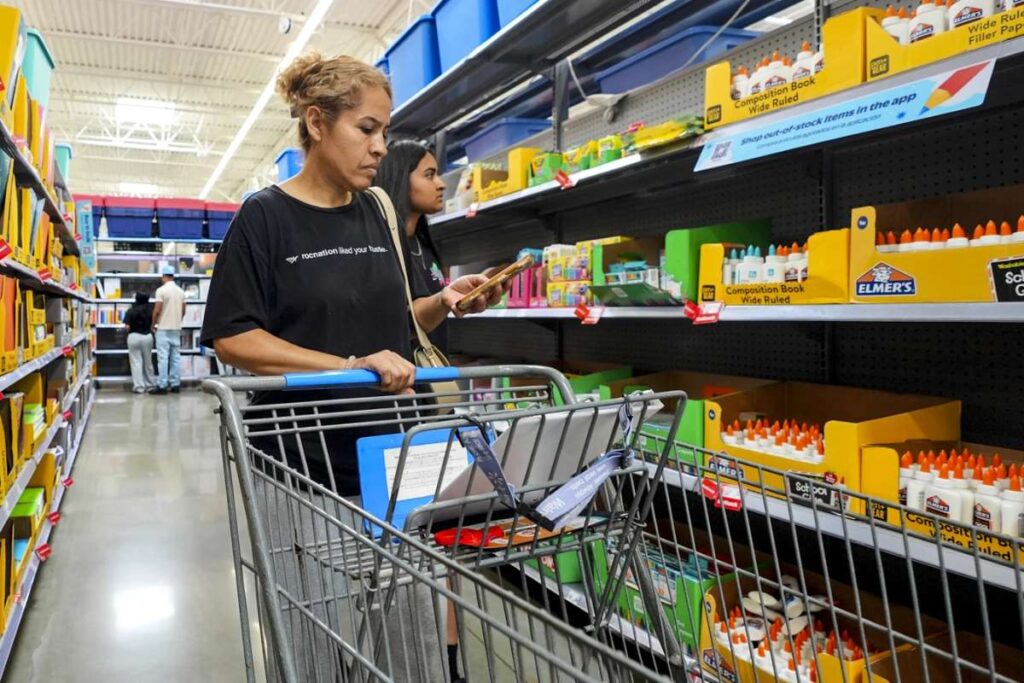
The report found several classroom essentials recorded steep price increases over the past year, contributing to higher Back-to-school costs. Lunch boxes rose 26.8 percent, notebooks increased 23 percent, index cards climbed 22.2 percent, and notebook paper and tissues each increased 20 percent.
Researchers said many school products are imported, making them more vulnerable to higher costs linked to tariffs and supply chain pressures. Companies including Newell Brands, ACCO Brands and Logitech have informed investors that tariffs and rising operating costs have contributed to price increases on selected products.
Families are also spending more on school lunches. According to the report, preparing lunches for one child throughout the school year now costs more than $3,800, nearly $400 higher than last year. Fresh blueberries increased 47.7 percent over the year, while sandwich bread rose 21.8 percent, apple juice increased 20 percent, and animal crackers climbed 15.7 percent.
“Families are paying the price from the school-supply aisle to the lunchbox,” the report’s authors wrote, pointing to higher transportation, packaging and food production costs.
Rising Expenses Stretch Household Budgets
The analysis said Back-to-school costs extend beyond classroom supplies. Children’s footwear prices increased 4.7 percent over the past year, while families expect to spend an average of $424.30 on clothing and shoes for the school year, compared with $418.49 last year.
Gasoline prices near $4 per gallon are also adding to transportation costs for families driving children to school, according to the report.
Deloitte reported that about half of parents are cutting spending in other areas to afford back-to-school shopping. Researchers also found child care continues to consume a significant share of family budgets, with many households spending at least 20 percent of their annual income on child care. Nearly one-third of parents reported using savings to cover those expenses.
Elizabeth Pancotti, a contributor to the report, and her co-authors said families are facing increasing financial pressure as multiple household expenses rise at the same time.
College Costs and Federal Policy Add Pressure
The report also highlighted rising costs for college students and their families. National Retail Federation data cited in the analysis shows families expect to spend an average of $1,438 on college back-to-school shopping this year, up from $1,326 last year, adding to overall Back-to-school costs for many households.
Researchers said changes affecting federal student aid programs and nutrition assistance could place additional financial burdens on families. The report states that changes under the One Big Beautiful Bill Act could reduce access to food assistance and free school meal programs for some households while limiting repayment options for certain federal student loan borrowers.
The authors argued that tariffs, higher fuel prices and broader economic policies have contributed to rising household costs. They said families are likely to continue facing financial pressure if those conditions persist.
The report concludes that Back-to-school costs now extend well beyond classrooms, affecting transportation, child care, groceries and higher education as families prepare for the new academic year.
Visit more of our news! Future Education Magazine