
Key Takeaways
- Schools should teach children through Smell Education in Schools to recognize, describe, and understand different smells.
- Smell awareness can support wellbeing, food safety, and understanding of personal memories.
- Tullett urges empathy because smells can reinforce social divisions and discrimination.
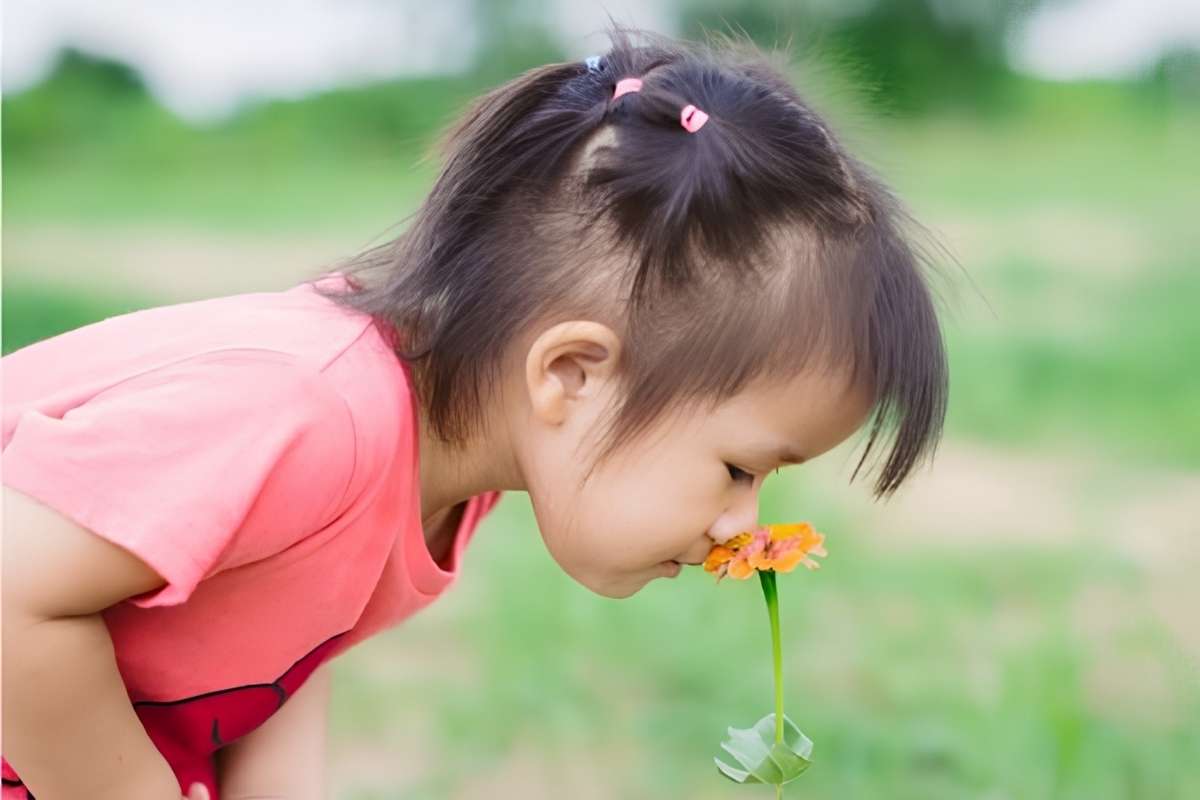
University of York historian Dr. Will Tullett is urging schools to teach children how to recognize and describe smells, saying Smell Education in Schools could improve wellbeing and help people better understand their surroundings.
Tullett Calls For Olfactory Education
Tullett, whose book “Sniff: A History of Smells” is due to be published Sept. 8, says modern life may be weakening people’s ability to distinguish aromas. Pollution can impair olfactory abilities, while products and spaces including margarine, car interiors and homes are increasingly given synthetic scents.
“There is an open question about what the proliferation of those kinds of synthetic scents in our daily lives does to our ability to discriminate between different smells,” Tullett said.
He said children should learn to engage their sense of smell in both primary and secondary school through Smell Education in Schools. Such training could also happen at home by encouraging children and adults to smell a wider range of everyday objects and substances.
“I would love a world where at primary and secondary school people are taught to engage their noses,” Tullett said.
Tullett compared the approach with how sommeliers develop their ability to identify aromas. Regular exposure to different smells can expand the vocabulary people use to describe them and help them compare similarities and differences.
Smell Can Shape Wellbeing And Safety
Tullett said greater awareness of smells through Smell Education in Schools could also help people make decisions about food and other aspects of daily life. He pointed to freshness as one example, saying smell can offer information about whether food should be discarded rather than relying solely on a use-by date.
Smell also plays a role in emotional wellbeing, he said. Studies have linked the ability to enjoy smells with wellbeing, while people who lose their sense of smell can experience depression, anxiety and other symptoms, according to Tullett.
He said smell can also help people understand personal memories and preferences, including why particular aromas feel comforting.
Although smell is often considered an overlooked sense, Tullett said people frequently demonstrate that they understand its importance when given an opportunity to discuss it.
“You get this sense from people that actually they want to tell you about the role that smell played in their lives,” he said.
Tullett Warns Against Using Smell To Divide
Tullett also challenged the idea that the past was simply “smellier” than the present. Instead, he said, historical periods had different aromas, and Smell Education in Schools can help students distinguish between social groups.
“The past didn’t stink any more or less than the present. It just smelled different,” Tullett said.
He cited examples of smell being used to discriminate, including landlords refusing housing to people of certain ethnicities because of assumptions about food aromas. He also referred to a proposed bill in the British House of Commons that could have criminalized rough sleepers for “excessive” smells.
Tullett said people should examine why they consider certain odors pleasant or unpleasant and recognize that others may respond differently.
“We should be both more self-aware of our attitudes to odours, but also more empathetic towards other people’s olfactory preferences,” he said.
He predicted that 21st-century Britain could become associated with smells including hand sanitizer, wildfires and water pollution. A wood fire, once widely associated with nostalgia, could increasingly evoke fear as burning vegetation becomes linked to wildfires.
Visit Future Education Magazine to read more.