
Key Points:
- Over 70 schools in Australia and several in New Zealand closed after asbestos in play sand was detected.
- The recalled sand, used for sensory play, poses potential health risks despite low immediate danger.
- Authorities are testing, cleaning, and coordinating to safely reopen affected schools.
More than 70 schools across Australia and New Zealand were closed on Monday after laboratory testing detected asbestos in play sand products used in classrooms and playgrounds. The closures were announced as part of a large-scale safety response to ensure that learning environments remain secure for students, teachers, and families.
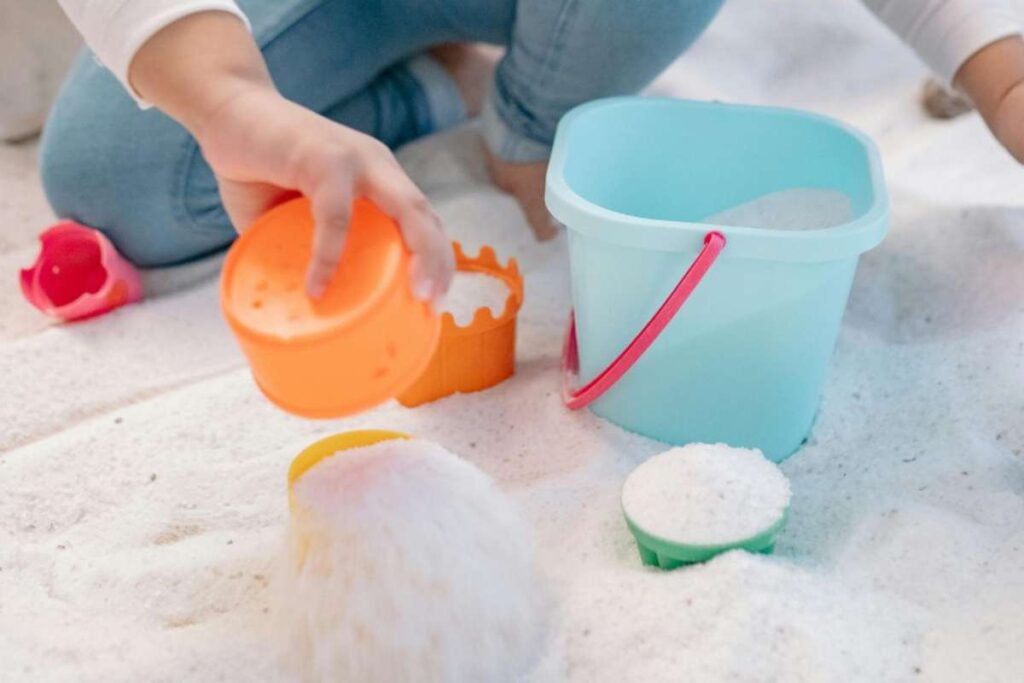
The recalls, issued over the past week, affect multiple colorful sand products commonly used for sensory play in early education settings. The Australian Competition and Consumer Commission (ACCC) confirmed that traces of tremolite and chrysotile asbestos were detected during testing, prompting immediate action from school authorities and retailers.
Widespread Use Prompts Precautionary Closures
The Australian Capital Territory (ACT) reported the highest number of school closures, with more than 70 schools shut for assessment and cleanup. Officials said the products were widely used across public schools, making temporary closures the safest option for students and staff.
Schools began shutting down on Friday, shortly after the ACCC issued a national recall for sand supplied by Educational Colours. Additional recalls were announced by Kmart and Target for their sand castle building kits and other colored sand varieties, all linked to asbestos in play sand.
A territorial government spokesperson said the decision to close affected sites was based on caution. The goal, they explained, is to allow proper testing and cleaning while minimizing disruption to regular school operations as much as possible.
Health Risk Considered Low but Not Negligible
Asbestos is banned in both Australia and New Zealand due to its well-documented long-term health risks. While the mineral fibres were once widely used for construction, research has shown a clear link between prolonged exposure and serious respiratory illnesses.
The ACCC reported that “respirable asbestos” — the type small enough to be inhaled — had not been detected in the tested samples. It also stated that asbestos fibres are unlikely to become airborne unless the sand is crushed or mechanically processed. Still, any presence of asbestos in play sand requires immediate removal and assessment.
The recalled sand products were sold between 2020 and 2025, meaning many classrooms may have used them for several years. Sensory play materials are especially common in early childhood programs, which increased the urgency of Monday’s closures.
Schools in New Zealand Take Similar Safety Measures
In New Zealand, at least five schools closed on Monday to undergo their own assessments after reports confirmed they had used one or more of the recalled products. More than 120 additional schools have contacted government agencies seeking guidance or testing after learning about the recalls.
Ian Caplin, spokesperson for New Zealand’s Ministry of Business, Innovation and Employment, acknowledged concerns among families and emphasized that safety checks are underway. He advised families who purchased the affected products for home use to stop using them immediately.
Both countries have moved quickly to test school sites, identify contaminated materials, and coordinate clean-up efforts. Education departments, health agencies, and school leaders continue working together to restore normal operations as soon as sites are confirmed safe.
The closures highlight how widely classroom materials can circulate across schools and how routine safety testing can uncover unexpected risks. For now, students and teachers in affected districts will remain at home while environmental teams complete assessments and ensure that learning spaces are fully safe from asbestos in play sand before reopening.
Visit more of our news! Future Education Magazine