
Key Points:
- Grants Restored: Funding for deafblind programs resumed.
- One-Year Support: Future funding uncertain.
- Critical Services: Stability needed for teachers and families.
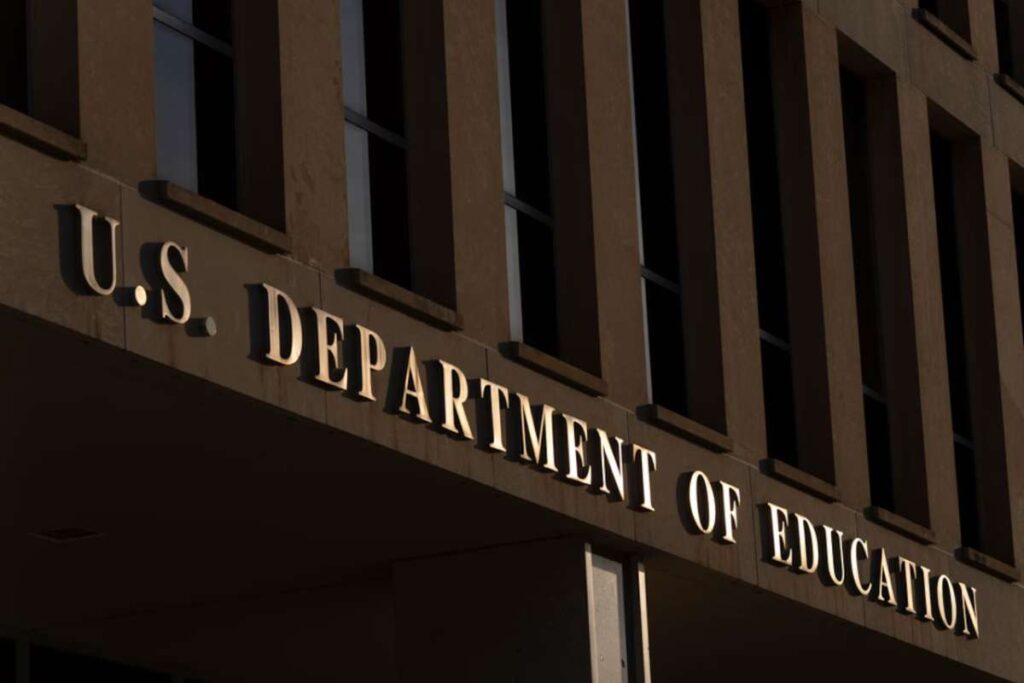
The U.S. Department of Education has reinstated Deafblind student funding for programs serving students with both hearing and vision loss, following widespread concern from educators and families. The restoration comes about a month after the funding was unexpectedly cut, disrupting services for students who are deafblind across multiple states.
Rather than directly resuming grants to the affected programs, the department has rerouted the funds through the National Center on Deafblindness. This center will distribute the funding to four state agencies that assist children and young adults with dual sensory impairments in Oregon, Washington, Wisconsin, and a regional consortium in New England.
According to a letter provided to agencies, this renewed funding will allow families, schools, and early intervention programs to continue meeting the unique needs of children who are deafblind. However, the funding currently covers only one year, leaving uncertainty about long-term financial support.
Program Leaders Express Relief but Remain Concerned About Stability
Lisa McConachie of the Oregon DeafBlind Project said her program, which serves over 100 students, was forced to cancel several planned events and training sessions during the funding suspension. She described the situation as emotionally challenging for families.
“It is still a disruption to families,” she said. “It creates this mistrust, that you are gone and back and gone and back.”
Educators emphasized that consistent Deafblind student funding is vital for maintaining specialized services such as adaptive communication tools, teacher training, and parent support networks. While the programs are small in scale, they serve students with some of the most complex learning and accessibility needs in the country.
An advocate for deafblind students, Maurice Belote of the National DeafBlind Coalition, welcomed the reinstatement but called the handling of the funding “disruptive and unnecessary.” He said changes at the start of the academic year made it difficult for families and school systems to plan effectively.
Programs Continue to Serve a Critical but Small Population
The federal deafblind programs date back more than four decades, originating in response to the rubella epidemic of the late 1960s. They currently assist roughly 10,000 children and young adults nationwide, from infants to 21-year-olds.
The four affected programs collectively receive about $1 million per year in grants, which fund specialists who train teachers and help families access educational and developmental resources. Educators say the loss of Deafblind student funding can delay interventions and increase challenges for both students and parents.
While the reinstated funding allows for temporary relief, program leaders continue to seek clarity on future grants beyond the current year. They also emphasize the need for stability to ensure that essential services, such as family training workshops and transition support for older students, can continue without disruption.
Outlook for Deafblind Education Support
The Education Department has not indicated whether the rerouted funding structure will remain in place in future years. The National Center on Deafblindness is expected to oversee the distribution and monitoring of funds for the duration of the current grant cycle.
McConachie said she hopes stability will soon return to the programs. “Families depend on these services,” she noted. “We just want to make sure they know the support will be there when they need it.”
Despite the uncertainty, educators and advocates agree that the restored Deafblind student funding is an important step toward maintaining critical resources for one of the most vulnerable student populations in the education system.
Visit Future Education Magazine For The Most Recent Information.