
Key Points:
- Education Department layoffs threaten IDEA program continuity.
- Federal oversight and support for schools are limited.
- Millions of students may face disrupted services.
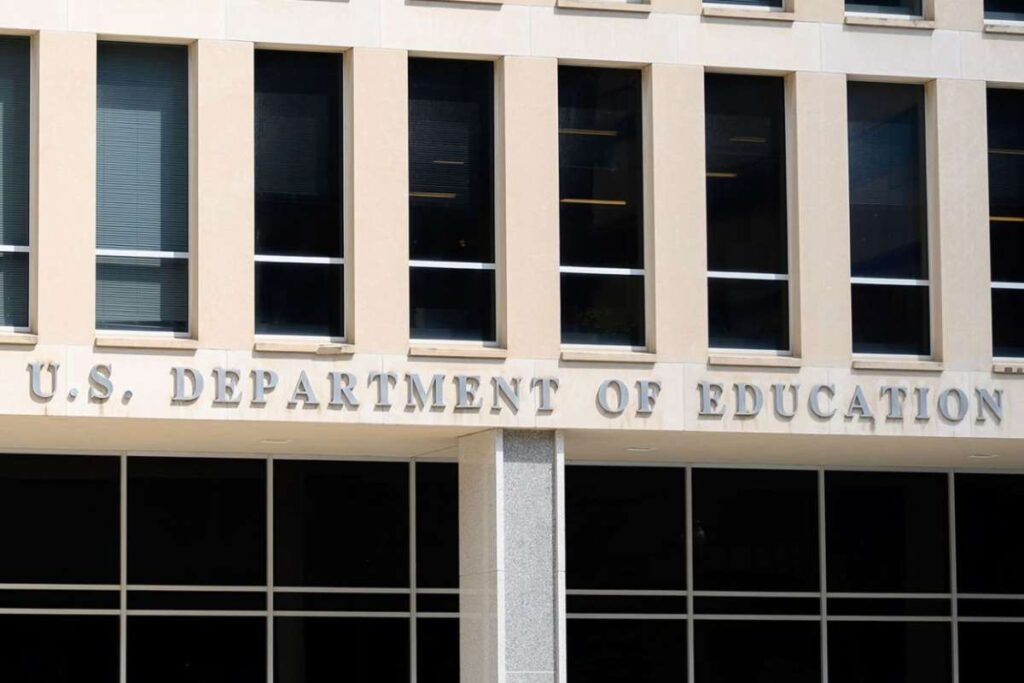
The U.S. Department of Education has laid off nearly all employees in the Office of Special Education and Rehabilitative Services, the division responsible for administering federal funding under the Individuals with Disabilities Education Act (IDEA), according to reports from agency staff and union representatives. These Education Department layoffs have caused concern across the education community.
Scope of the Layoffs
Rachel Gittleman, president of the American Federation of Government Employees Local 252, stated that most employees below the leadership level in the office were affected. In addition, staff in the TRIO college access program, which is administered by a separate office, were also included in the layoffs. Overall, the Justice Department confirmed that more than 460 Department of Education employees were terminated, amounting to roughly 20% of the agency’s workforce.
These Education Department layoffs occurred amid a broader wave of reductions across multiple federal agencies, coinciding with the ongoing government shutdown. The agency has also furloughed nearly 90% of its employees, further limiting operational capacity.
Impact on Special Education Programs
The Office of Special Education and Rehabilitative Services oversees funding and support for students with disabilities nationwide. Staff members expressed concern about the continuity of these programs following the layoffs. Glenna Wright-Gallo, a former assistant secretary in the office, noted that the federal office plays a critical role in providing oversight and ensuring that schools, districts, and states comply with IDEA requirements.
“Now we’re losing that checks and balances system,” Wright-Gallo said, highlighting the potential gaps in monitoring and support that could affect students relying on federal resources. Without federal oversight, school districts and states will be responsible for implementing programs with limited guidance or supervision at the national level.
The Education Department layoffs also raise questions about how funding allocations and compliance enforcement will continue for special education programs. IDEA provides the framework for supporting students with disabilities, ensuring access to specialized services, classroom accommodations, and individualized education plans. The sudden reduction in federal staff could hinder the agency’s ability to manage grants, review applications, and maintain program compliance.
Broader Effects on the Education Workforce
The layoffs are part of a larger federal effort during the government shutdown, affecting multiple agencies and programs. Union representatives warned that these actions could have long-term consequences for K-12 students and schools that depend on federal support. Gittleman described the move as “doubling down on the harm” to education services, emphasizing that the reductions could disrupt programs that millions of students rely on.
Employees affected by the layoffs have expressed uncertainty about the continuity of their work, particularly regarding federally funded programs for students with disabilities. With the majority of staff removed from the special education office, there is limited capacity to maintain oversight, support state and local education agencies, or respond to inquiries from schools and parents.
Ongoing Challenges
The Education Department has not provided specific details about how IDEA programs will operate following the Education Department layoffs. The agency has stated that ensuring access to educational resources for students with disabilities remains a priority, but with the office largely vacated, the operational capacity to manage these programs is constrained.
This situation underscores the critical role that federal oversight plays in maintaining consistency and accountability in education programs across states. Without sufficient staff, gaps in administration and monitoring could affect the quality and accessibility of services provided to students with disabilities.
As schools and districts navigate these reductions, the need for clear guidance, alternate support channels, and robust monitoring mechanisms will be essential to ensure that special education programs continue to function effectively despite federal workforce limitations.
Visit more of our news! Future Education Magazine