
Key Points:
- Three universities—UPenn, MIT, and Brown—decline the Federal Education Compact.
- The compact links funding to reforms in tuition, governance, and student enrollment.
- It could reshape U.S. higher education policy and accountability standards.
Multiple universities have declined to sign a new federal education compact that ties funding advantages to policy reforms in hiring, admissions, and student enrollment.
The “Compact for Academic Excellence in Higher Education,” introduced in early October, outlines ten major policy directives for participating institutions. The compact was sent to nine universities across the United States, including Vanderbilt University, Dartmouth College, the University of Pennsylvania, the University of Southern California, the Massachusetts Institute of Technology (MIT), the University of Texas at Austin, the University of Arizona, Brown University, and the University of Virginia.
Three Universities Decline the Proposal
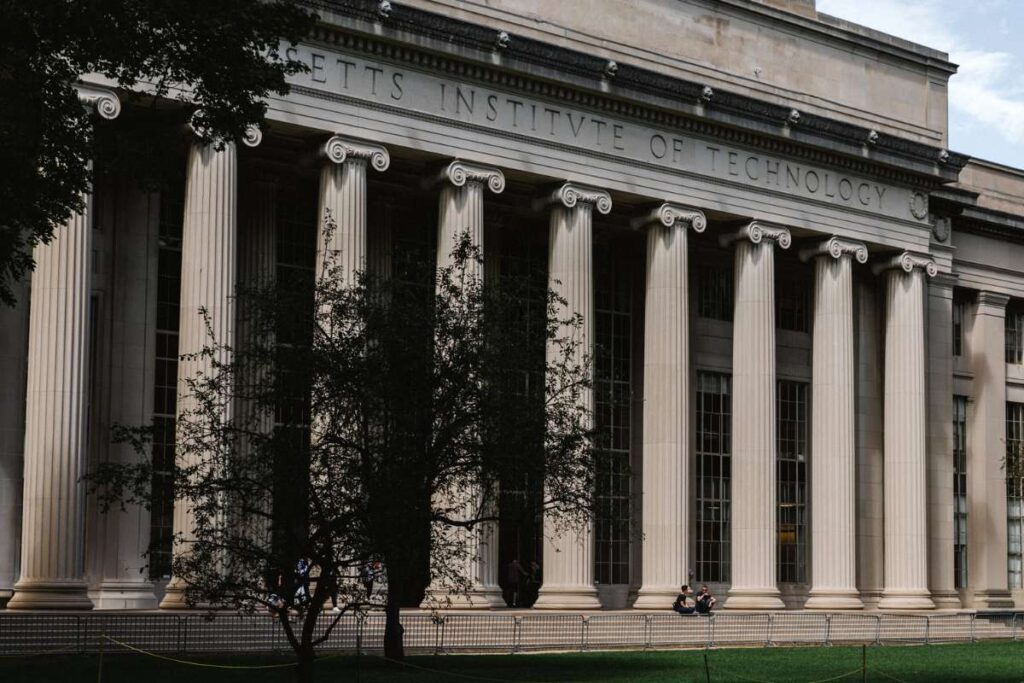
So far, the University of Pennsylvania, the Massachusetts Institute of Technology, and Brown University have officially declined to sign the federal education compact. According to the document, universities that agree to the terms would receive funding priority in federal education initiatives.
The compact calls for changes in governance, academic policy, and transparency measures. Institutions would be required to adjust internal structures that, according to the proposal, restrict open dialogue or free speech. It also calls for stronger disciplinary actions against acts of vandalism or disruptions linked to campus events or discussions.
Additionally, the proposal seeks a freeze on effective tuition rates for a five-year period. Universities would also need to publicly post data showing the average earnings of graduates based on their major fields of study. The aim, according to the federal education compact, is to promote accountability and help students make informed decisions about their educational investments.
Compact Provisions and Student Impact
The federal education compact also proposes changes affecting international student enrollment and tuition waivers. Under the plan, participating universities could not exceed a 15% foreign student population. Furthermore, institutions with endowments over $2 billion would be required to eliminate undergraduate tuition for students majoring in hard sciences such as physics, engineering, and chemistry.
The agreement also emphasizes expanding access and opportunities for service members, encouraging universities to integrate more pathways for veterans and active-duty personnel seeking higher education.
For students, educators, and university administrators, the federal education compact presents a potential shift in how academic funding and institutional accountability are structured. Supporters of the framework within the education sector have said it could encourage transparency in tuition and outcomes, while critics within academic circles have expressed concern about potential impacts on institutional autonomy and diversity.
Next Steps and Broader Context
The federal administration has indicated plans to extend the compact to additional universities in the coming months. While the initial phase focused on major research universities with large endowments, the next round may include public institutions and smaller private colleges.
As discussions continue, educational experts are closely watching how the compact could influence national higher education policy. The proposal’s emphasis on performance metrics, tuition transparency, and student earnings data aligns with broader trends toward outcome-based funding models in higher education.
For students and faculty, the coming months may bring new clarity on how funding-linked education policies will shape institutional decision-making. Whether additional universities choose to accept or reject the federal education compact will likely determine its broader adoption and long-term influence on the higher education landscape.
Visit Future Education Magazine For The Most Recent Information.