

Every day, people exchange information, make decisions, and build relationships through conversation. When messages are unclear or misunderstood, small issues can quickly turn into bigger problems. This is why understanding the importance of effective communication matters in every part of life.
Effective communication helps people share ideas clearly, listen with purpose, and respond with understanding. It reduces confusion, builds trust, and strengthens collaboration at work, school, and home. When communication works well, relationships improve, and goals become easier to achieve.
In this article, we will look at the importance of effective communication, how it impacts daily interactions, and why strong communication skills lead to better outcomes in both personal and professional settings.
What Is Effective Communication?
Effective communication means sharing ideas, feelings, and information clearly so others understand the message as intended. It focuses on meaning, not just words. When people communicate well, confusion drops and trust grows. The exchange feels natural, direct, and respectful.
Effective communication works when both sides take part. One person sends a message. The other listens, understands, and responds clearly. This balance helps people avoid assumptions and mistakes. It also builds stronger connections over time. So, what are the core points that make up effective communication?
Key Aspects of Effective Communication
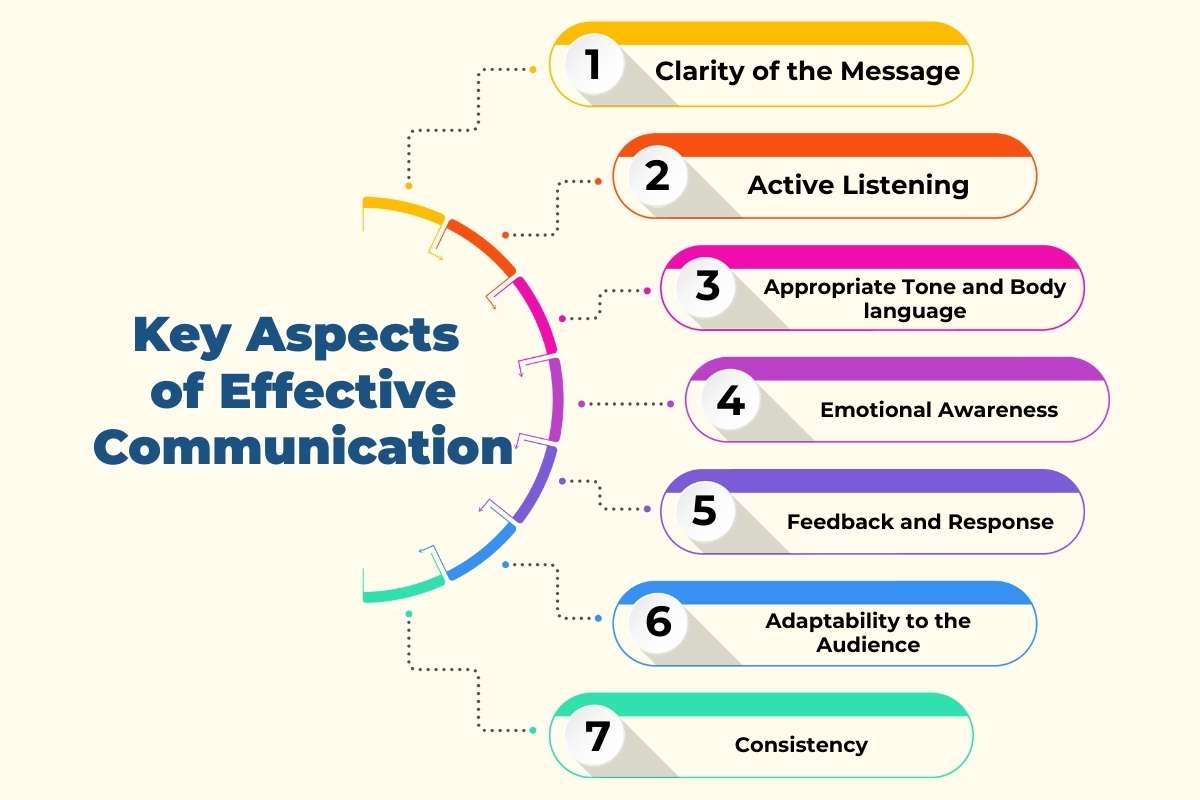
1. Clarity of the Message:
Clear messages reduce confusion. The speaker uses simple words and short sentences. The listener understands the message without guessing. For example, a teacher who explains homework steps clearly saves students from making errors later.
2. Active Listening:
Listening matters as much as speaking. The listener pays attention and avoids interruptions. They respond after fully understanding the message. In a meeting, active listening helps teams avoid repeated explanations.
3. Appropriate Tone and Body language:
Words alone do not carry the full message. Tone, facial expressions, and posture add meaning. A calm tone makes feedback easier to accept. Positive body language shows interest and respect.
4. Emotional Awareness:
Effective communicators notice emotions. They adjust their words based on the situation. This helps prevent conflict. For example, choosing a gentle tone during a disagreement keeps the discussion productive.
5. Feedback and Response:
Feedback confirms understanding. Questions, summaries, or simple replies help clarify meaning. When a manager asks, “Did that make sense?”, it ensures alignment. This step reduces costly mistakes.
6. Adaptability to the Audience:
Different people need different communication styles. A child, a colleague, and a client require different approaches. Adjusting language shows awareness and care. It also improves engagement.
7. Consistency:
Consistent messages build trust. When words match actions, people believe the message. Inconsistent communication creates doubt and confusion.
Importance of Effective Communication at School

Schools depend on clear communication. Teachers and students interact daily. Small misunderstandings can affect learning outcomes. Strong communication supports growth and confidence. It also ensures a positive, productive environment for everyone.
Also Read: Mastering Interpersonal Skills: The Key to Success in Every Aspect of Life
Importance of Effective Communication for Teachers
1. Clear Instruction Improves Learning
Teachers who explain lessons clearly help students understand faster. For example, a history teacher breaking down events in a timeline helps students remember facts easily. Without clear instructions, students might misinterpret ideas. Step-by-step explanations save time and reduce confusion. Clarity also encourages students to ask questions.
2. Better Classroom Management
Clear rules and expectations guide student behavior. A teacher who explains the consequences of misbehavior in a calm tone prevents chaos. Students understand boundaries and respect authority. Good communication makes discipline fair and consistent. This ensures lessons continue smoothly.
3. Stronger Student Trust

When teachers communicate openly, students feel safe sharing ideas. For example, a teacher who listens to students’ concerns about a project builds trust. Students become more willing to participate in discussions. Trust encourages creativity and curiosity. It also reduces anxiety in learning environments.
4. Effective Feedback Supports Growth
Constructive feedback helps students improve. A math teacher pointing out specific errors in problem-solving guides students on how to correct mistakes. General comments like “Good job” are less helpful. Clear feedback teaches skills and builds confidence. It shows students that their efforts are noticed and valued.
5. Improved Parent Communication
Teachers often speak with parents about student progress. Clear communication prevents misunderstandings about grades or behavior. For example, explaining learning challenges and solutions helps parents support their children at home. Regular updates maintain collaboration between the school and the family. This shared understanding improves student outcomes.
What is the Importance of Effective Communication in Building Success?
Effective communication shapes how people understand each other and respond to shared goals. It reduces confusion, builds trust, and strengthens relationships over time. When communication stays clear and respectful, people collaborate better and solve problems faster. These everyday interactions show the true importance of effective communication in shaping success and connection.
Importance of Effective Communication for Students
1. Better Understanding of Lessons
Students who ask questions clearly learn faster. For instance, asking, “Can you explain this part of the equation again?” prevents mistakes in homework. Clarifying doubts early helps avoid gaps in knowledge. Clear communication encourages active participation. It also builds confidence in learning new concepts.
2. Improved Peer Relationships
Clear communication helps students interact positively. Sharing feelings calmly prevents arguments. For example, explaining, “I feel upset when you take my notes without asking,” helps peers understand each other. This strengthens friendships and reduces conflicts. Good communication creates a supportive school environment.
3. Increased Confidence

Students who communicate effectively feel more confident speaking in class. The importance of effective communication is seen when students participate in discussions and show they understand the material. For example, explaining a science experiment to the class boosts self-esteem. Confidence motivates students to take on new challenges. It also improves overall academic performance.
4. Stronger Academic Performance
Clear communication is essential during exams and group projects. Students who understand instructions complete tasks correctly. For instance, knowing each group member’s role prevents repeated work. This reduces errors and stress. Effective communication directly improves grades and learning efficiency.
5. Conflict Resolution Skills
Disagreements occur naturally among students. Effective communication helps explain issues calmly. For example, negotiating playground disputes by listening and sharing feelings prevents fights. Learning these skills early prepares students for adult life. Conflict resolution also strengthens friendships.
Also Read: How Lack of communication Skills might be affecting Your Academic and Work Life?
Importance of Effective Communication at the Workplace
Workplaces rely on teamwork and clarity. Poor communication causes delays, stress, and misunderstandings. Effective communication keeps teams aligned, productive, and engaged. It supports career growth and organizational success.
1. Improved Teamwork and Collaboration
Clear communication helps teams coordinate effectively. Sharing progress updates prevents duplicated effort. For instance, a marketing team member reporting completed tasks ensures others can focus on new work. Collaboration improves efficiency. Teams achieve goals faster and with fewer mistakes.
2. Higher Productivity
Employees waste less time clarifying instructions. Clear messages reduce confusion and speed up processes. For example, detailed instructions on a project save hours of back-and-forth. Productivity increases when everyone knows expectations. This leads to smoother workflows and better results.
3. Fewer Conflicts and Misunderstandings

Miscommunication often causes tension at work. Clear communication reduces assumptions and errors. According to the Internal Communications Statistics 2025 report by Axios HQ, when employees clearly understand company goals and feel engaged, productivity increases by63 % and motivation improves by 59 %. For example, explaining project deadlines clearly prevents disputes about responsibilities.
4. Better Leadership and Management
Leaders who communicate clearly inspire confidence. Explaining decisions and expectations prevents confusion. For example, a manager outlining project priorities helps employees plan their work efficiently. Strong leadership builds respect and motivation. Teams perform better when they trust their leader’s guidance.
5. Stronger Professional Relationships
Open communication builds trust among colleagues. People feel valued when others listen and respond thoughtfully. For instance, giving credit for a teammate’s idea strengthens bonds. Positive relationships improve collaboration. This enhances morale, satisfaction, and retention.
Importance of Effective Communication in Personal Life
Personal relationships thrive on understanding and trust. Clear communication prevents misunderstandings. It strengthens emotional bonds and creates a supportive environment.
1. Stronger Relationships
Expressing feelings openly helps partners connect. Saying, “I appreciate it when you help with chores,” shows recognition and care. Clear communication prevents assumptions. It strengthens trust and closeness. Couples and friends feel more secure when feelings are understood.
2. Healthy Conflict Resolution
Disagreements happen naturally. Calm, clear communication prevents arguments from escalating. Discussing shared expenses openly reduces tension. Expressing concerns respectfully keeps relationships intact. People learn to compromise and find solutions together.
3. Improved Emotional Support

Listening and responding appropriately shows empathy. Letting a friend vent after a stressful day helps them feel understood. This builds emotional intimacy. Supportive communication strengthens bonds with family and friends. It reassures others that they are valued.
4. Better Decision-Making Together
Families and partners make decisions daily. Clear communication ensures everyone shares their thoughts. For instance, planning a vacation together becomes easier when each person states preferences clearly. Discussions lead to fair choices. Everyone feels heard and included.
5. Increased Self-Expression and Confidence
People who communicate effectively express needs clearly. They can set boundaries without guilt. For example, telling a roommate, “I need quiet while studying,” avoids tension. Clear self-expression improves self-respect. Confidence grows when people know their opinions matter.
Conclusion:
The importance of effective communication cannot be overstated. Clear, thoughtful communication builds understanding, reduces conflicts, and strengthens relationships. Whether at work, school, or in personal life, it allows ideas to be shared accurately and encourages collaboration.
By practicing active listening, expressing thoughts clearly, and adapting messages to the audience, anyone can improve their communication skills. Strong communication not only helps achieve goals but also fosters trust, empathy, and long-lasting connections.
FAQs
1. How can I improve my communication skills?
Practice active listening, organize your thoughts before speaking, give clear feedback, and observe nonverbal cues like body language and tone.
2. What is the importance of effective communication?
It reduces misunderstandings, builds trust, improves collaboration, and strengthens relationships in personal and professional settings.
3. Does effective communication impact career growth?
Yes. Professionals who communicate clearly build stronger teams, resolve conflicts efficiently, and are often more trusted and valued by colleagues and leadership.