
Key Points:
- Kamar Samuels, likely NYC Schools Chancellor – Mayor-elect Mamdani is expected to appoint her.
- Experienced leader – Former District 3 superintendent with a background in diversity and school management.
- Impact on schools – Appointment may affect curriculum, staffing, and support; smooth transition is key.
New York City is expected to soon have a new schools chancellor, with Mayor-elect Zohran Mamdani anticipated to announce Kamar Samuels for the role. While the incoming administration has not released an official statement, multiple reports indicate that Samuels is the leading choice. The announcement is expected to come just days before the new administration takes office and as students prepare to return to classrooms after winter break.
For students, teachers, and school leaders, the selection of a schools chancellor is a significant development. The chancellor oversees the nation’s largest public school system, which serves more than one million students and employs tens of thousands of educators and staff. Any leadership change at the top can influence priorities, policies, and day-to-day school operations across the city.
Background and Experience in School Leadership
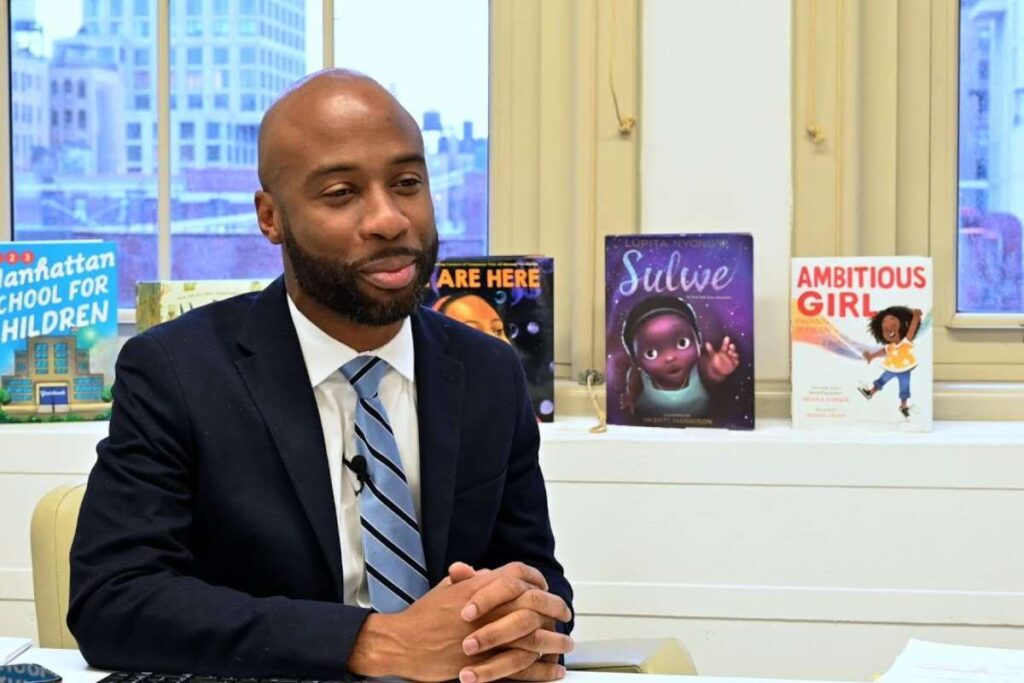
Kamar Samuels currently serves as superintendent of District 3, which includes schools on Manhattan’s Upper West Side. In that role, she has been responsible for overseeing school performance, supporting principals, and working closely with teachers and families. Her work has focused on improving access, representation, and student support within district schools.
Samuels previously held leadership roles during the de Blasio administration and was involved in efforts to increase racial diversity across schools. Her experience includes working on enrollment policies and district-level planning, giving her direct exposure to the challenges faced by both large and small school communities.
Reports indicate that Mamdani also considered keeping the current chancellor, Melissa Aviles Ramos, who expressed interest in continuing in the position. Other candidates under consideration reportedly included former senior education officials with experience in city schools. The expected decision to name Kamar Samuels suggests a preference for a leader with district-level operational experience and familiarity with New York City’s school system.
Classes are scheduled to resume on Monday following the winter break. It remains unclear when the new chancellor would officially begin the role, though transitions are often planned to minimize disruption to schools and classrooms.
What the Appointment Could Mean for Schools
For educators and students, the chancellor’s role directly affects curriculum guidance, staffing priorities, school support services, and district communication. A new chancellor often brings a renewed focus on specific areas such as student achievement, school climate, or teacher development, even when broader policies remain unchanged.
Kamar Samuels’ background as a superintendent may resonate with principals and teachers who work closely with district offices. Her experience managing schools at a local level could influence how support is delivered to classrooms and how concerns from educators are addressed.
The expected appointment comes as the incoming administration announces several other leadership roles across city departments. While those appointments span areas beyond education, the schools chancellor remains one of the most closely watched positions for families and school staff.
As the new administration finalizes its leadership team, attention within the education community is likely to remain on how smoothly the transition unfolds. With students returning to school and teachers preparing for a new term, stability and clear communication will be important factors in the weeks ahead.
The formal announcement, once made, is expected to outline the next steps for the education department and provide more clarity on timing. Until then, schools continue operating under the current leadership as preparations for the new term move forward.
For students and teachers, the focus remains on classrooms, learning goals, and daily routines. Leadership changes at the top can shape long-term direction, but their immediate impact often depends on how well transitions are managed and how closely leaders engage with school communities.
Visit Future Education Magazine to read more.