
Key Points:
- Appointment: Michelle Kommer joins the State Board of Higher Education, serving through June 2029.
- Experience: Brings expertise in business, workforce development, and government leadership.
- Impact: Will help shape policies on academic programs, workforce readiness, and student success.
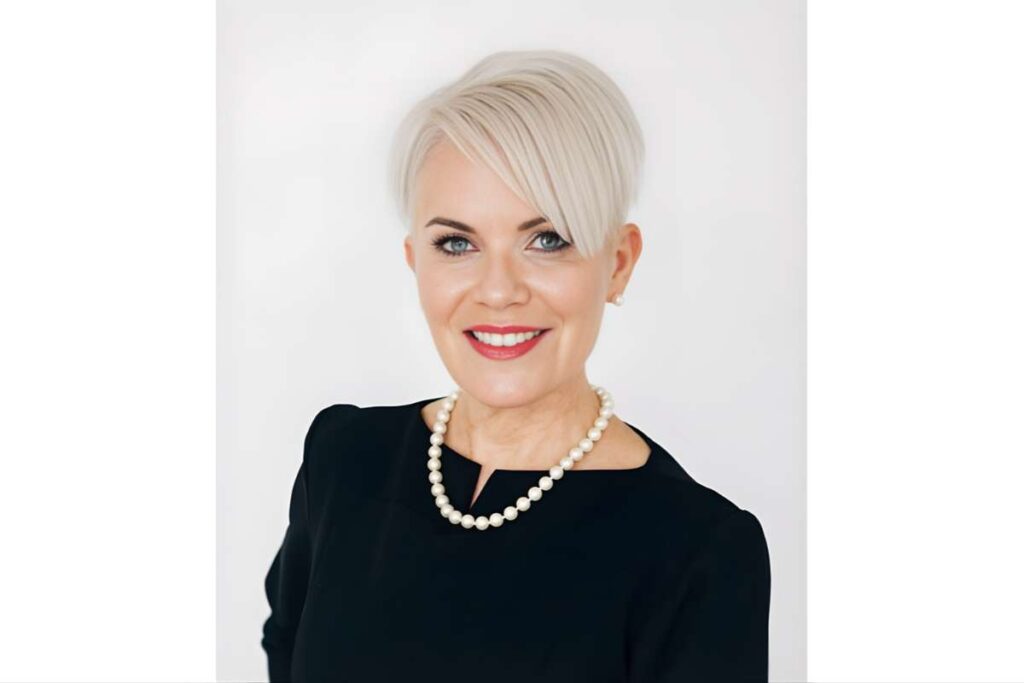
Michelle Kommer of Fargo has been appointed to fill a vacancy on the State Board of Higher Education, taking on the role with immediate effect. The appointment brings an experienced professional with a background in business, workforce development, and public service into a governing body that oversees public colleges and universities across the state.
The Board of Higher Education plays a central role in shaping academic programs, institutional priorities, and long term planning for public higher education. Its work directly affects students, faculty, and staff by guiding decisions that influence access to education, workforce readiness, and campus operations.
Professional Background And Experience In Workforce Development
Michelle Kommer is the owner and operator of HighRoad Partners, a firm she has led since 2020. The company provides services in human resources, payroll, employee benefits, Medicare advising, and consulting. Her work in this area has focused on helping organizations manage people, compliance needs, and benefits planning in a structured and efficient manner.
Before launching her firm, Kommer spent nearly four years in senior leadership roles within state government. Her responsibilities included serving as commerce commissioner, labor commissioner, and executive director of Job Service North Dakota. In these roles, she worked closely with employers, educators, and workforce agencies to address employment trends and skills gaps.
One of her notable efforts during this period involved leading the revitalization of the state Workforce Development Council. That work centered on aligning education and training efforts with employer needs, a focus that remains relevant to higher education institutions preparing students for careers after graduation.
Earlier in her career, Michelle Kommer held executive positions in the private sector. She worked with Western State Bank in West Fargo, Noridian Mutual Insurance Company doing business as BlueCross BlueShield ND in Fargo, and OtterTail Corporation based in Fergus Falls, Minnesota. These roles added financial services and corporate operations experience to her professional background.
Role On The Board And Academic Qualifications
Michelle Kommer will serve the remainder of the term left vacant by Levi Bachmeier, who resigned from the board after assuming duties as superintendent of public instruction. The term she is completing runs through June 30, 2029. Her appointment is subject to confirmation by the state Senate at a later stage.
The Board of Higher Education consists of eight voting members appointed by the governor, including one student member. In addition, there are two non voting members who represent faculty and staff within the university system. Together, the board oversees 11 public colleges and universities, setting policy direction and ensuring accountability across the system.
Kommer brings strong academic credentials to the role. She holds a bachelor’s degree in business administration from Mayville State University and a master’s degree in management from the University of Mary. She also earned a law degree from the University of North Dakota School of Law and is licensed to practice law in both North Dakota and Minnesota.
For students and teachers, the appointment highlights the connection between education, workforce planning, and institutional leadership. Board members influence decisions that affect academic offerings, resource allocation, and student support services. Michelle Kommer’s combined experience in education, business, and workforce development positions her to contribute to discussions about how colleges and universities can adapt to changing skills demands while supporting student success.
As the board continues its work, its decisions will shape how public institutions respond to enrollment trends, workforce needs, and the evolving expectations placed on higher education.
Visit Future Education Magazine to read more.