
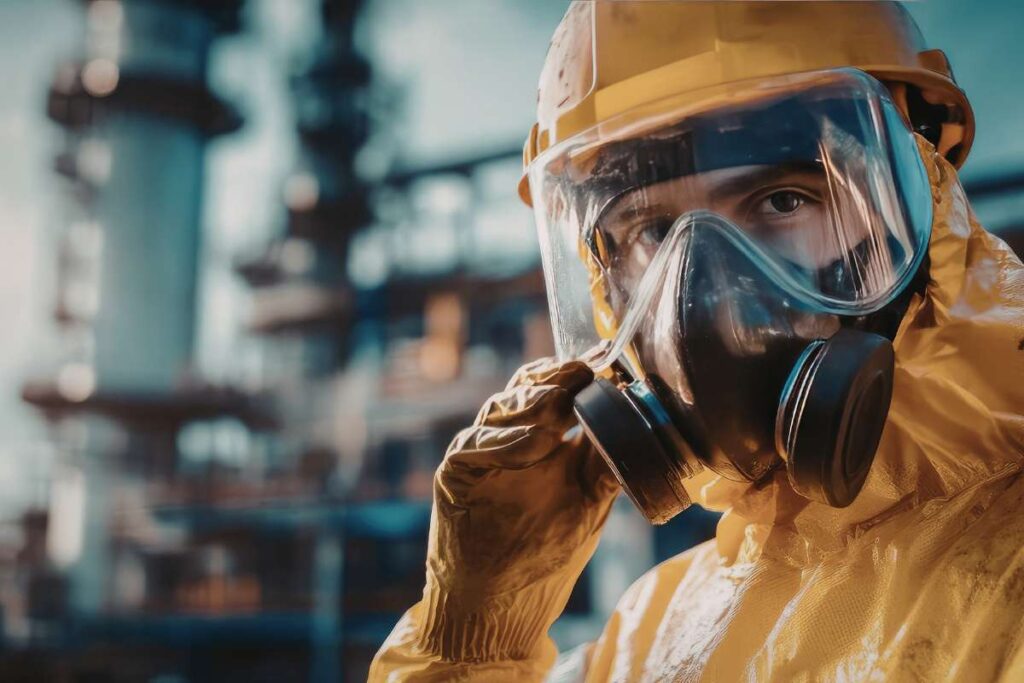
Every day, millions of people head to work knowing their job could seriously injure them or worse. They lace up boots, fasten safety gear, and step into environments where one mistake or one bad moment can change everything. This reality defines the most dangerous jobs in the US, where risk is part of the routine, rather than an exception.
These workers power the country forward by building, protecting, transporting, and responding in high-risk conditions. Behind every statistic is a real person facing hazards most of us never think about. Understanding the most dangerous jobs in the US helps put their courage, sacrifices, and safety challenges into perspective.
The Top 10 Most Dangerous Jobs in the US That Test Courage Every Day
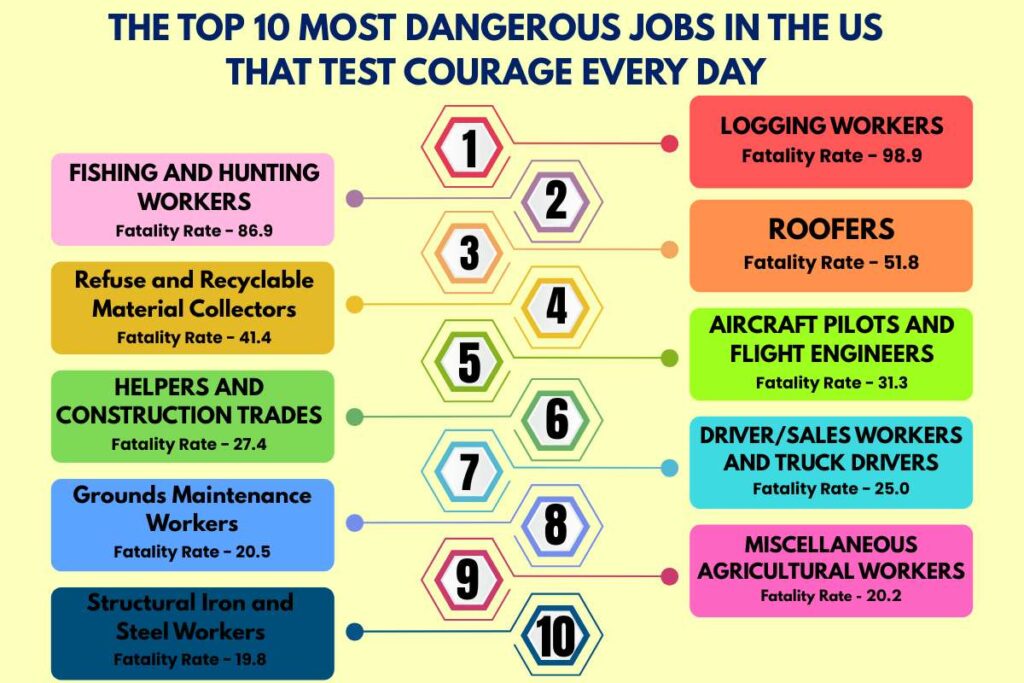
Some careers come with risks that most people can’t imagine. Every day, workers in these roles face hazards that demand skill, focus, and resilience.
| Rank | Job Title | Fatality Rate (per 100,000 workers) |
| 1 | Logging Workers | 98.9 |
| 2 | Fishing and Hunting Workers | 86.9 |
| 3 | Roofers | 51.8 |
| 4 | Refuse and Recyclable Material Collectors | 41.4 |
| 5 | Aircraft Pilots and Flight Engineers | 31.3 |
| 6 | Helpers and Construction Trades | 27.4 |
| 7 | Driver/Sales Workers and Truck Drivers | 25.0 |
| 8 | Grounds Maintenance Workers | 20.5 |
| 9 | Miscellaneous Agricultural Workers | 20.2 |
| 10 | Structural Iron and Steel Workers | 19.8 |
We have curated the following list based on data from the U.S. Bureau of Labor Statistics (BLS). We have ranked them from most dangerous to least dangerous according to their fatal injury work rate. A fatal injury work rate (or fatal occupational injury rate) measures the risk of death on the job by dividing the total number of work-related fatalities by the total hours worked (or total employees) during a specific period
1. Logging Workers
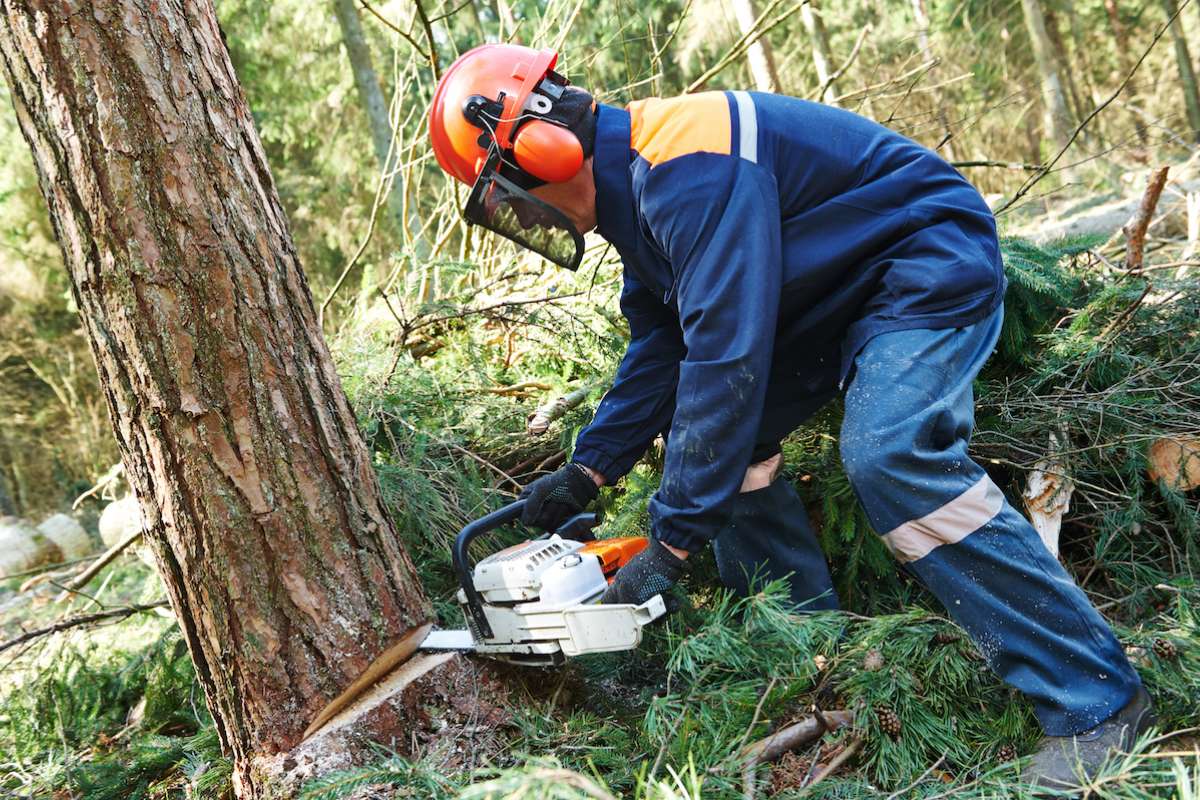
- Fatality rate: 98.9 per 100,000 workers
Logging workers cut down trees and prepare them for transport. They work in forests, often far from towns or medical help. Daily tasks include operating chainsaws, heavy machinery, and loading logs onto trucks. Many loggers work long hours in rough terrain and changing weather. The work often follows tight schedules that leave little room for error.
Why is this job dangerous?
Logging is considered one of the most dangerous jobs in the US due to frequent falls and equipment accidents. A single mistake can cause crushing injuries or death. Chainsaws and large machines raise the risk of severe cuts and accidents. Slippery ground, steep slopes, and bad weather make movement slower and less stable. Emergency response times are often long, which increases the risk of serious injuries.
2. Fishing and Hunting Workers
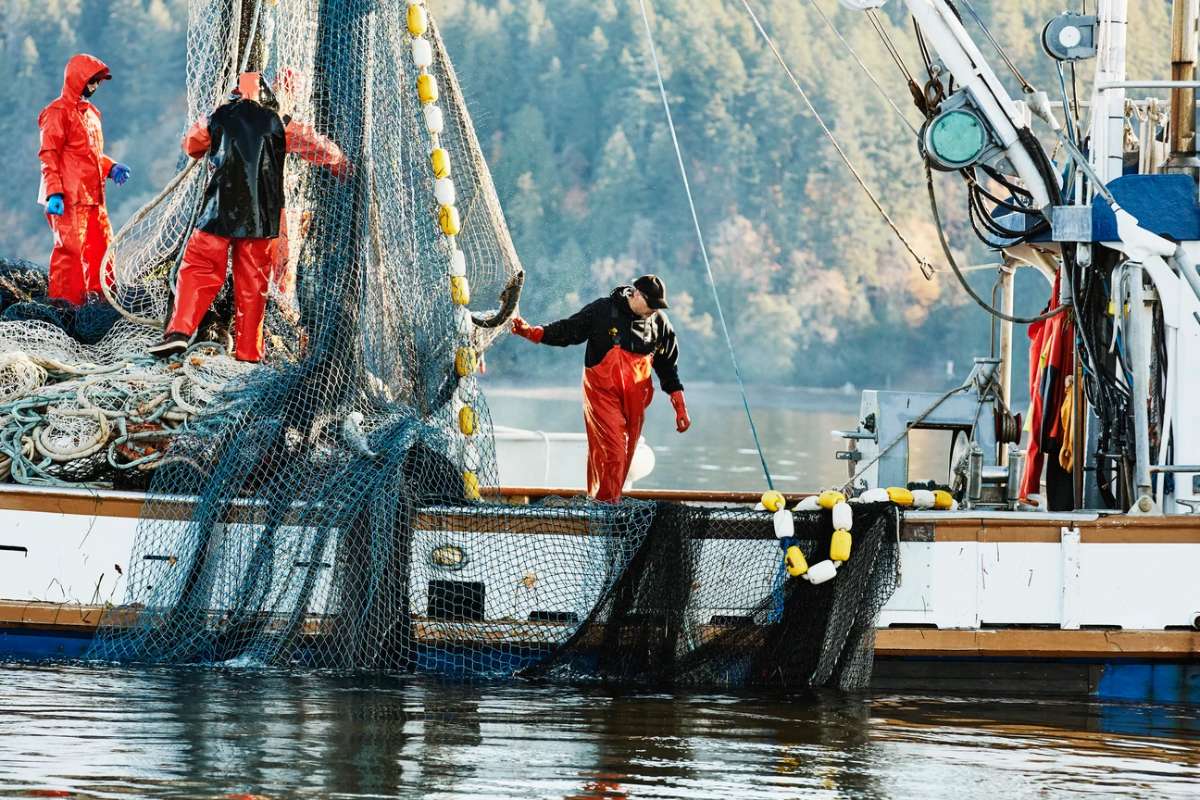
- Fatality rate: 86.9 per 100,000 workers
Fishing and hunting workers catch fish or game for commercial sale. Many work on boats, ships, or in remote land areas for long periods. Daily tasks include setting nets, hauling heavy loads, and handling sharp tools. The work often happens at night or during long shifts. Weather and water conditions shape each workday.
Why is this job dangerous?
This job is dangerous because workers face open water and unstable surfaces. Rough seas can cause falls, injuries, or drownings. Heavy equipment and moving lines increase the risk of entanglement. Cold water and extreme weather raise the danger even more. Help is often far away when accidents happen.
3. Roofers
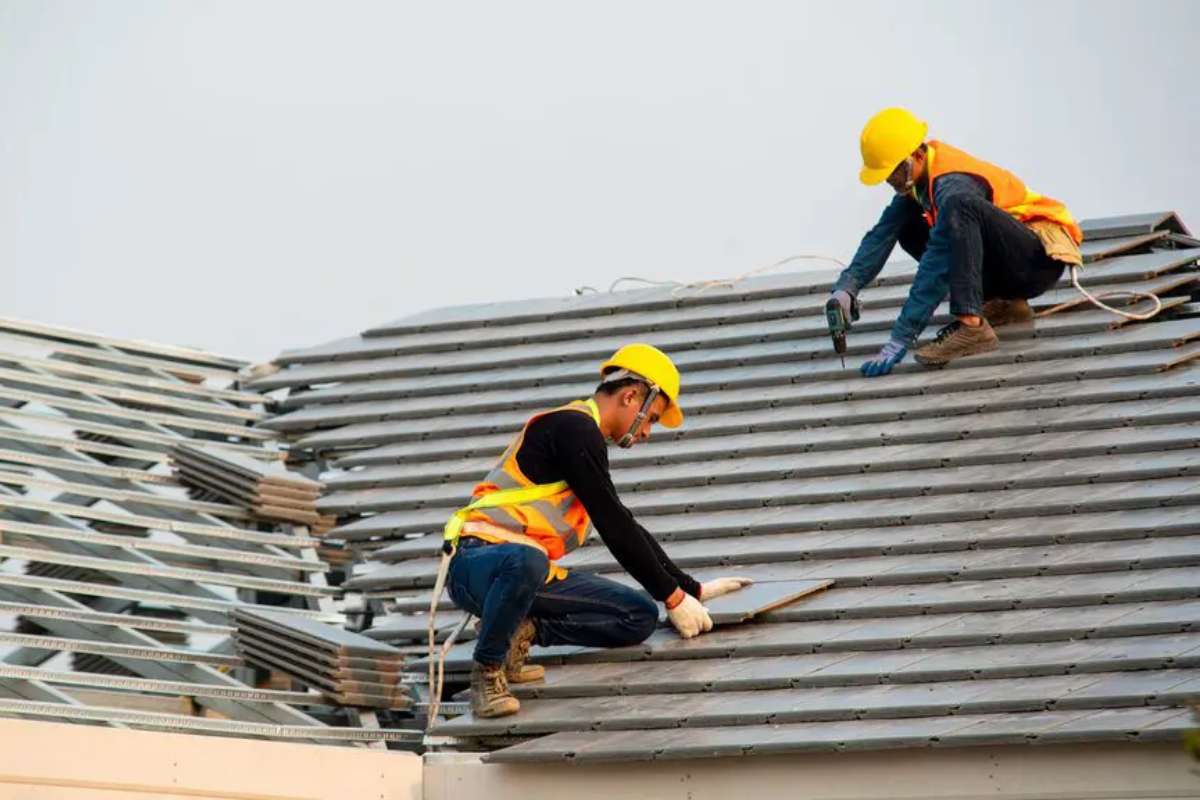
- Fatality rate: 51.8 per 100,000 workers
Roofers install and repair roofs on homes and large buildings. They work at high heights on sloped and uneven surfaces. Daily tasks include carrying heavy materials, using power tools, and sealing roof sections. Many jobs require long hours under direct sunlight or strong winds. Workers often move between surfaces while balancing tools and materials.
Why is this job dangerous?
Roofing ranks high among the most dangerous jobs in the US, thanks to heights and slippery surfaces. A small slip can cause severe injury or death. Loose materials and weak roof sections raise the risk. Power tools and sharp edges add another layer of danger. Heat stress, fatigue, and sudden weather changes make accidents more likely.
4. Refuse and Recyclable Material Collectors
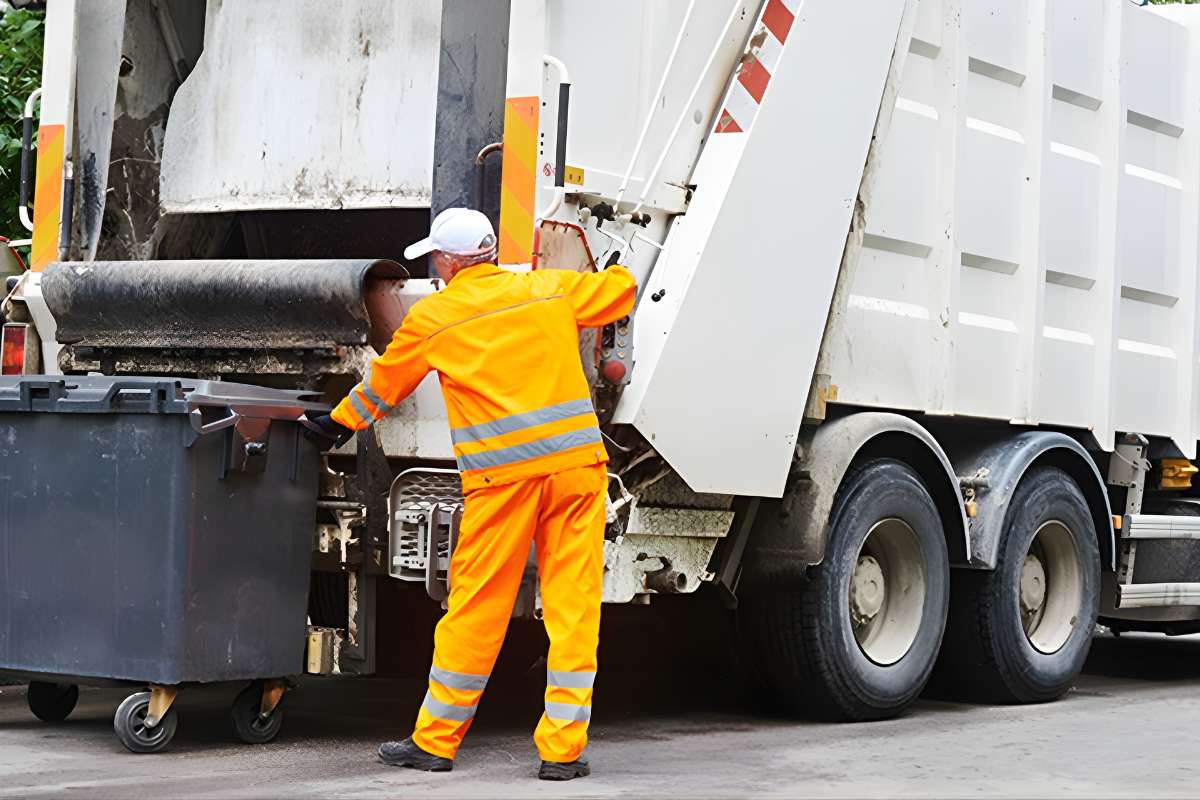
- Fatality rate: 41.4 per 100,000 workers
Refuse and recyclable material collectors pick up waste and recycling from homes and businesses. They ride on trucks and work on busy streets each day. Daily tasks include lifting heavy bins, sorting materials, and operating compacting equipment. The work follows strict routes and tight schedules. Many shifts start early and last several hours.
Why is this job dangerous?
This job is dangerous because workers move close to traffic. Passing vehicles increase the risk of serious accidents. Heavy lifting can cause strains and long-term injuries. Sharp objects and hazardous waste add more risk. Working in poor weather or low light makes the job even more dangerous.
Also Read: Navigating the Path to Success: The Significance of Internships and Work Experience
5. Aircraft Pilots and Flight Engineers
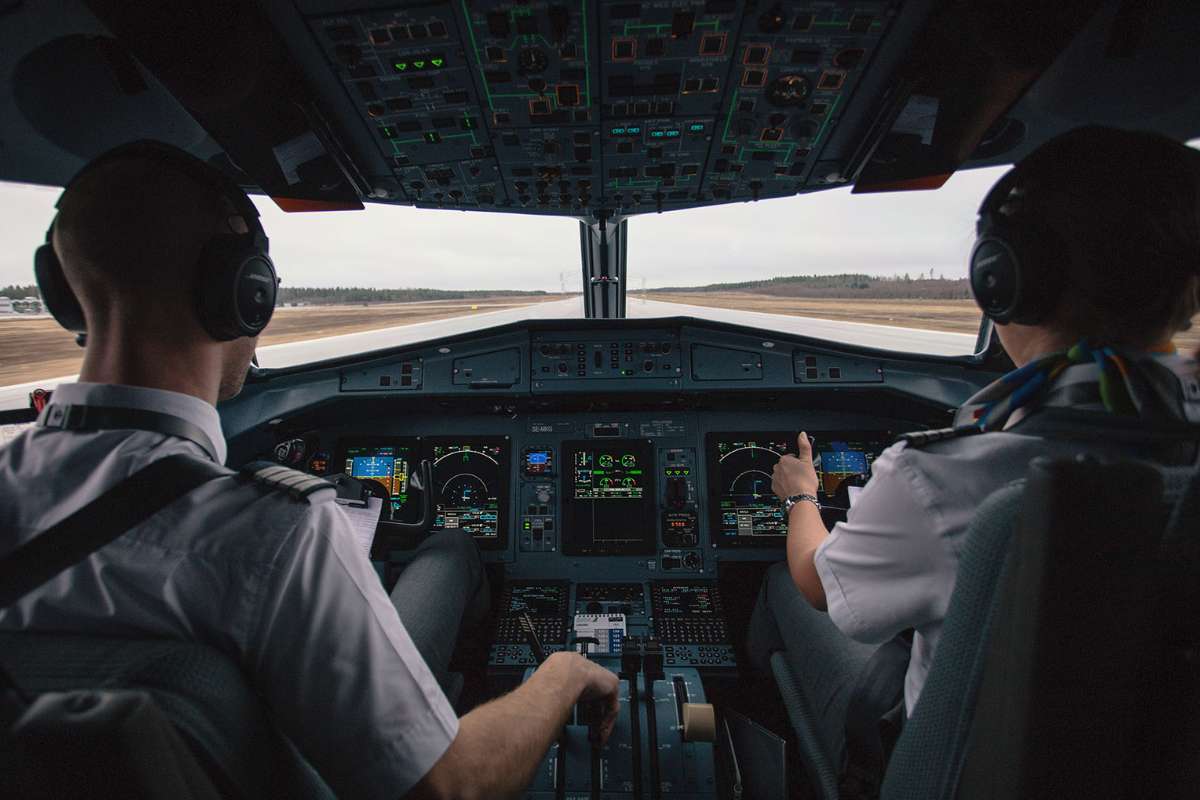
- Fatality rate: 31.3 per 100,000 workers
Aircraft pilots and flight engineers operate and manage aircraft during flights. They control navigation, monitor systems, and communicate with ground teams. Daily work includes pre-flight checks, in-flight adjustments, and post-flight reviews. Many work irregular hours, including nights and long routes. Fatigue can build up over repeated flights.
Why is this job dangerous?
This job is dangerous because pilots operate complex machines at high speeds and altitudes. Mechanical failures can turn serious within seconds. Poor weather and limited visibility raise the risk during takeoff and landing. Long hours can reduce focus and reaction time. Emergencies leave little room for error once a flight is airborne.
6. Helpers and Construction Trades
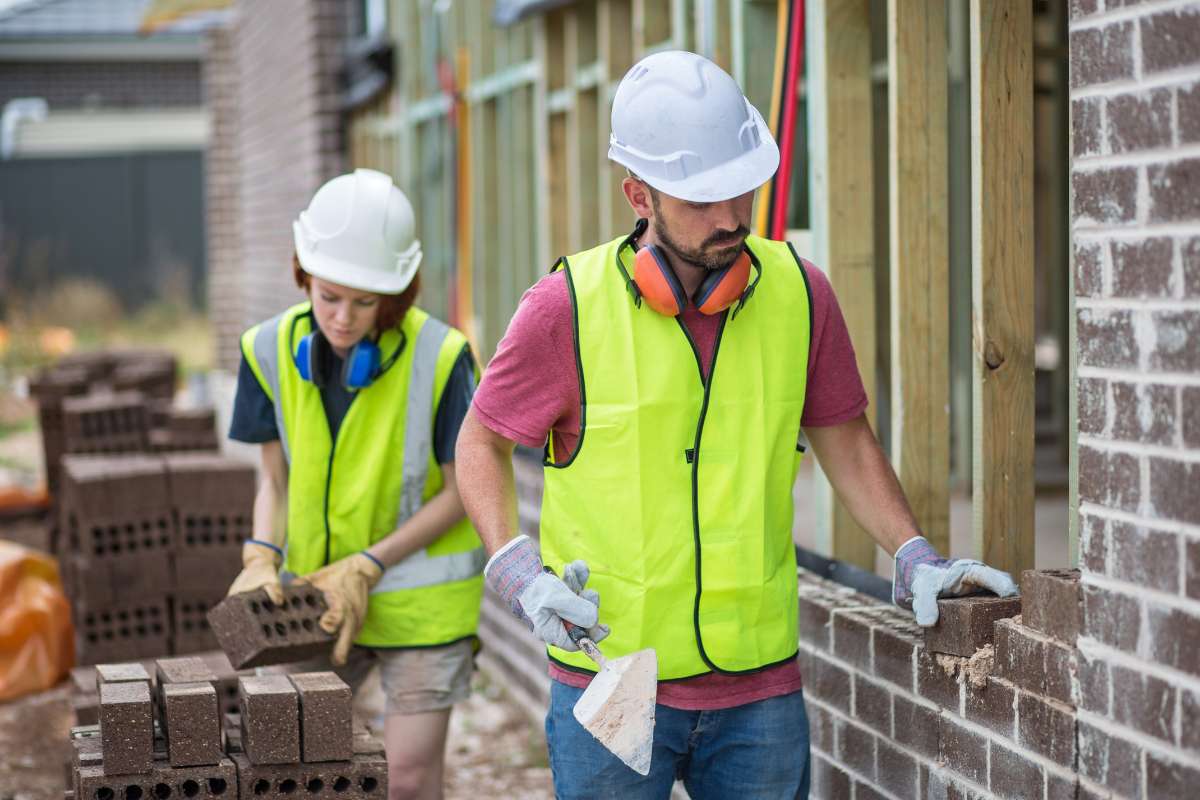
- Fatality rate: 27.4 per 100,000 workers
Helpers and construction trade workers support skilled laborers on job sites. They carry materials, set up equipment, and assist with basic tasks. Daily work includes digging, lifting, and cleaning active work areas. Many jobs involve moving between different tasks throughout the day. This role is listed as one of the most dangerous jobs in the US, especially for those assisting in active construction zones
Why is this job dangerous?
This job is dangerous because helpers work near heavy machinery and active construction zones. Falling objects can cause serious injuries. Inexperience can increase the risk of mistakes on busy sites. Dust, noise, and sharp tools add to daily hazards. Fast-paced schedules can reduce awareness and reaction time.
7. Driver/Sales Workers and Truck Drivers

- Fatality rate: 25.0 per 100,000 workers
Driver/sales workers and truck drivers transport goods over long distances. They spend hours on highways, making deliveries and managing schedules. Daily tasks include loading cargo, driving, and maintaining vehicles. Many drivers work irregular hours, often facing tight deadlines. Long stretches of driving can lead to fatigue and stress.
Why is this job dangerous?
This job is dangerous because drivers face constant traffic hazards. Accidents on highways can be fatal at high speeds. Poor weather, road conditions, and distracted drivers increase risks. Handling heavy loads can also cause injuries during loading and unloading. Long hours and fatigue make quick reactions harder in emergencies.
8. Grounds Maintenance Workers
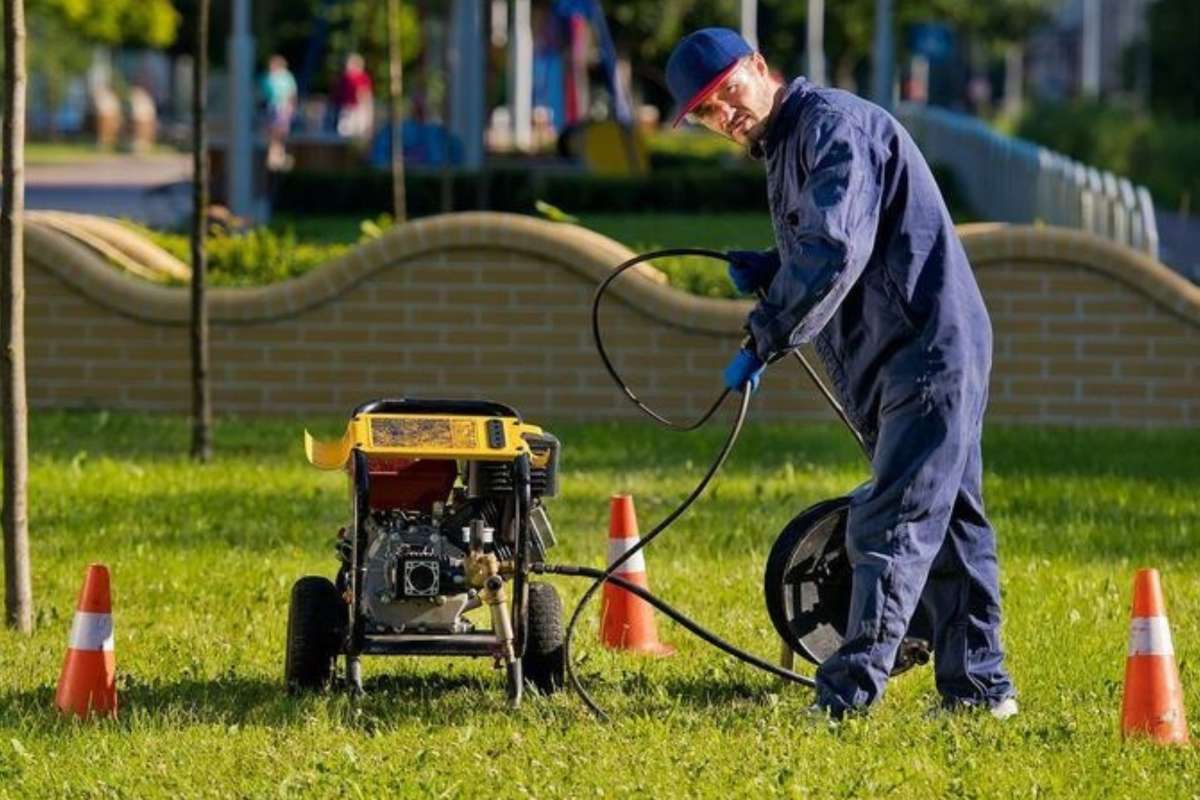
- Fatality rate: 20.5 per 100,000 workers
Operating sharp tools and heavy machinery places groundskeepers in the list of the most dangerous jobs in the US. Grounds maintenance workers care for parks, lawns, and outdoor spaces. They mow grass, trim trees, and maintain pathways and gardens. Daily tasks include operating lawnmowers, using hand tools, and handling fertilizers or chemicals.
Why is this job dangerous?
This job is dangerous because workers operate sharp tools and heavy machinery. Slips, trips, and falls are common on wet or uneven ground. Exposure to chemicals can cause burns or respiratory issues. Insects, wildlife, and extreme weather add additional hazards. Even routine tasks can lead to serious injuries if caution is not maintained.
9. Miscellaneous Agricultural Workers
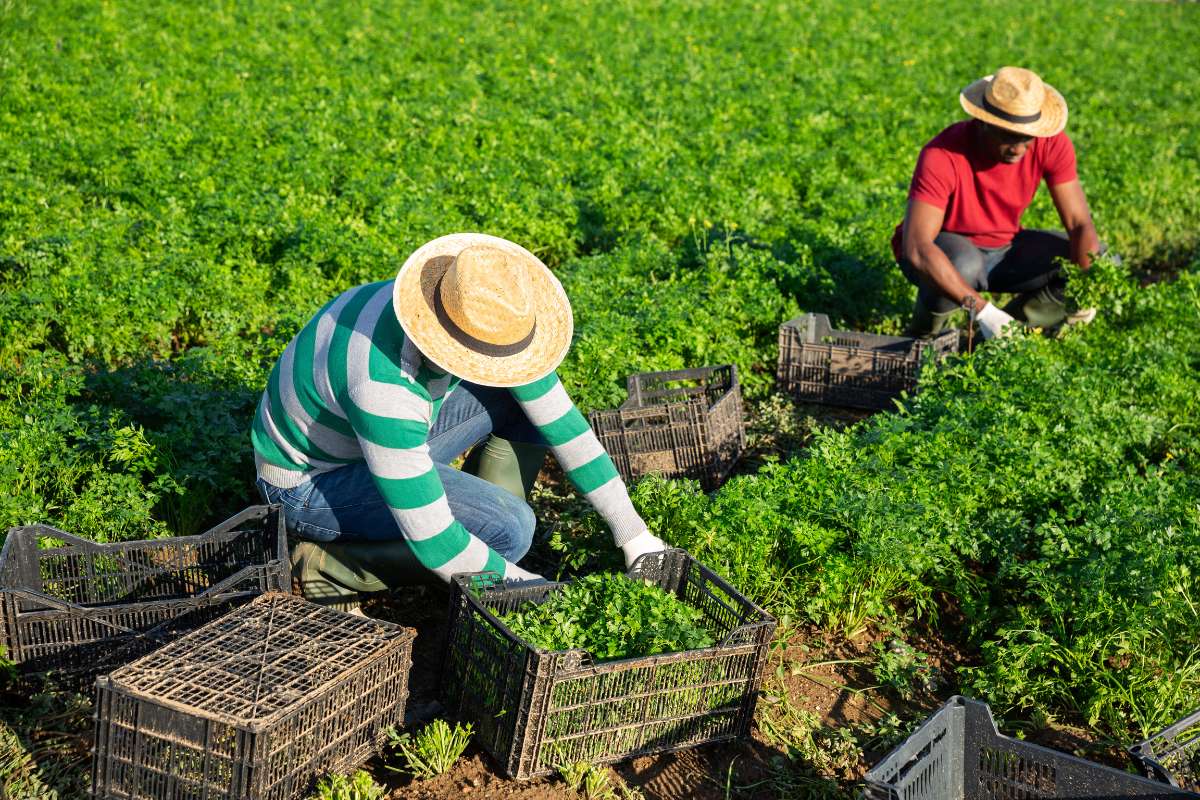
- Fatality rate: 20.2 per 100,000 workers
Miscellaneous agricultural workers perform a variety of farm tasks, such as planting, harvesting, and caring for crops or livestock. Daily work includes using tractors, hand tools, and other farm machinery. Many workers spend long hours outdoors, often in hot sun or cold conditions. Tasks can change with the season, requiring flexibility and endurance. Work may involve bending, lifting, and repetitive motions.
Why is this job dangerous?
This job is dangerous because workers handle heavy machinery and livestock that can behave unpredictably. Falls, entanglement, and crush injuries are common. Exposure to chemicals, pesticides, and fertilizers adds health risks. Extreme weather and long hours increase fatigue and reduce alertness. Even experienced workers can face serious accidents on a busy farm.
10. Structural Iron and Steel Workers
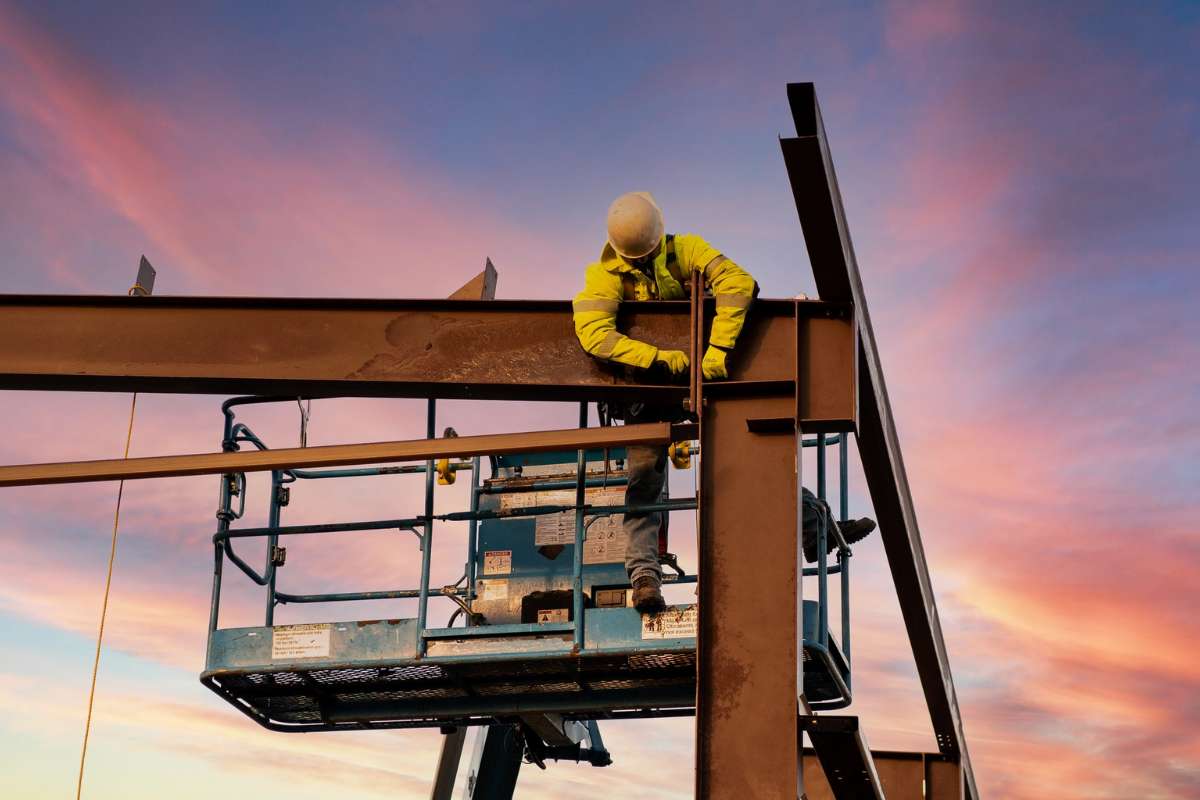
- Fatality rate: 19.8 per 100,000 workers
Last on this list of the most dangerous jobs in the US are Structural iron and steel workers. They build and install frameworks for buildings, bridges, and other structures. They work with beams, columns, and heavy metal components at great heights. Daily tasks include welding, bolting, and positioning steel sections. Many jobs require climbing, lifting, and using cranes or hoists. W
Why is this job dangerous?
This job is dangerous because workers operate at high elevations with heavy materials. Falls can cause severe injuries or death. Handling large steel beams and tools increases the risk of crushing or cuts. Sudden shifts in balance or equipment failure can be fatal. Even experienced workers must stay alert to avoid serious accidents.
What Factors Contribute to Danger?
Several factors make these jobs hazardous. Here are the main contributors that make the above occupations the most dangerous jobs in the US.
- Working at heights – Jobs like roofers and structural steel workers face high fall risks. One slip or misstep can be fatal.
- Heavy machinery and tools – Logging, construction, and farming workers operate saws, cranes, tractors, and other heavy equipment. Mishandling these tools can lead to severe injuries.
- Extreme weather conditions – Fishermen, agricultural workers, and groundskeepers often work in heat, cold, storms, or slippery conditions. Weather increases the risk of accidents and fatigue.
- Traffic and moving vehicles – Truck drivers, refuse collectors, and some construction workers work near traffic or moving machinery, increasing the chances of collisions.
- Physical strain and repetitive tasks – Many of these jobs involve lifting, bending, and repetitive movements. Over time, this can lead to chronic injuries or sudden accidents.
- Isolation and delayed emergency help – Logging workers, fishermen, and pilots often work far from medical facilities. In case of an accident, help may take time to arrive, increasing fatality risk.
- Fatigue and long hours – Long shifts, night work, and irregular schedules reduce alertness and slow reaction times, raising accident chances.
- Hazardous substances – Chemicals, pesticides, and sharp materials are common in agriculture, groundskeeping, and waste collection. Exposure can cause serious injuries or health issues.
How Can Workers Stay Safe?
For anyone pursuing one of the most dangerous jobs in the US, proper safety gear and training are essential. Workers in these high-risk jobs can take steps to reduce danger. Key safety measures include:
- Use proper protective gear – Helmets, gloves, harnesses, steel-toed boots, and eye protection can prevent injuries.
- Follow safety protocols – Adhering to workplace rules and safety procedures reduces accidents. Regular safety drills help workers respond quickly.
- Regular equipment maintenance – Machines, vehicles, and tools must be checked frequently to avoid malfunctions.
- Training and skill development – Proper training in equipment use, hazard recognition, and emergency response increases safety.
- Limit fatigue – Adequate breaks, proper scheduling, and avoiding overly long shifts help maintain alertness.
- Stay aware of weather conditions – Workers should monitor forecasts and avoid high-risk tasks during storms or extreme temperatures.
- Work in teams when possible – Having coworkers nearby ensures help is available in emergencies, especially in isolated areas.
- Use safety technology – Fall arrest systems, GPS tracking for drivers, and sensors on machinery can prevent accidents.
- Plan emergency response – Knowing evacuation routes, first-aid procedures, and communication channels can save lives during accidents.
- Health monitoring – Regular medical check-ups can detect fatigue, stress, or early injuries before they worsen.
Also Read: Unlocking Potential: The Transformative Power of Trade Schools
Conclusion:
The most dangerous jobs in the US highlight the courage and resilience of workers who face daily risks most of us never see. From extreme heights and heavy machinery to unpredictable environments, these roles demand skill, focus, and bravery. Recognizing these jobs reminds us of the people behind essential services and the importance of safety measures, training, and respect for those who put themselves on the line.
By understanding the risks and challenges, we can appreciate their dedication and advocate for safer work conditions, ensuring that every worker returns home safely at the end of the day.
FAQ
1. Why do people work in the most dangerous jobs in the US despite the risks?
Many are drawn by high pay, limited job options, passion for the work, or benefits like union protection and career advancement.
2. Are safety measures improving in dangerous jobs?
Yes. Advances in training, protective equipment, regulations, and technology have reduced accidents, though risks remain high.
3. How can workers reduce the risk in dangerous jobs?
Strict adherence to safety protocols, regular training, proper equipment use, and situational awareness are key to minimizing risks.