
Key Points:
- Funding cut: SNAP-Ed support ends, closing many nutrition programs.
- Impact: Students lose cooking classes, gardens, and wellness lessons.
- Next steps: Schools and nonprofits seek new ways to teach health and nutrition.
Nutrition education programs across the United States are preparing to close following the termination of federal support that had long sustained them. Organizations that delivered lessons on healthy eating, cooking, and wellness to schools and community groups report that funding losses will bring an end to many of their initiatives starting this week.
Impact on Schools and Communities
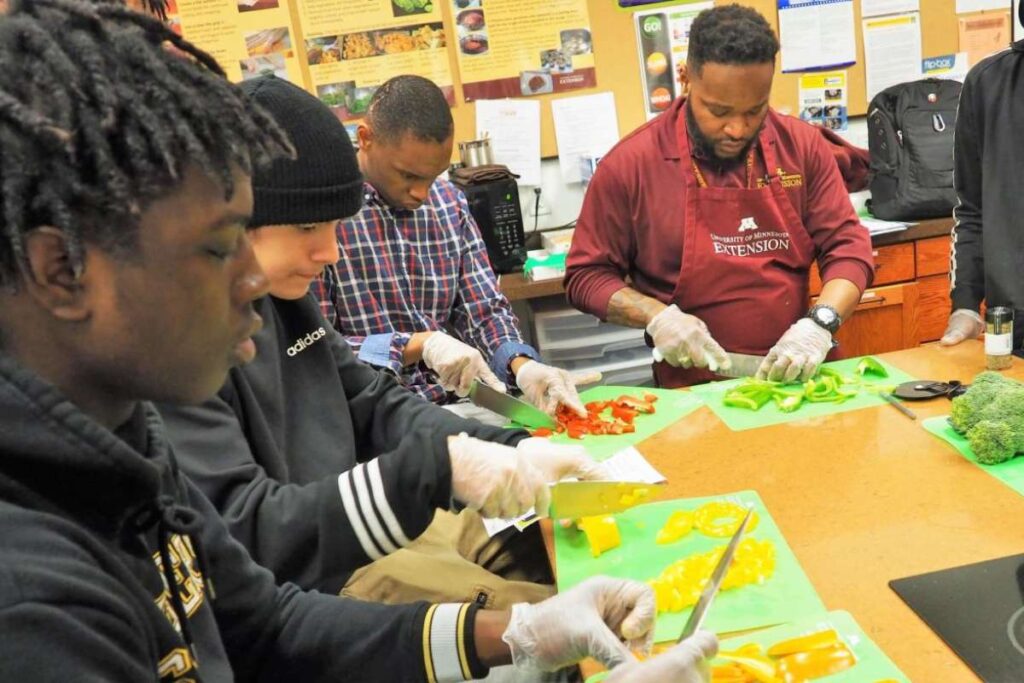
For years, schools, food banks, and nonprofits used nutrition education programs funded by grants to reach students and families in low-income communities. Programs included cooking classes, school gardens, health workshops, and activities designed to encourage healthier food choices. Educators note that these efforts not only improved eating habits but also supported student engagement and learning in other academic subjects.
One such organization, FoodRight in Milwaukee, has taught thousands of public school students how to prepare nutritious meals. Its CEO, Lisa Kingery, explained that students who participated in the classes developed a stronger preference for fruits, vegetables, and whole grains. Research cited by the nonprofit shows that such programs can increase daily fruit and vegetable intake while boosting overall classroom focus and participation.
Similar stories have emerged nationwide. In San Francisco, Leah’s Pantry, which has operated community-based nutrition education programs since 2006, reported that it will lose the majority of its funding. The organization has offered classes ranging from cooking workshops to dance-based health activities for seniors. With a 90% reduction in resources, leaders said they will only be able to continue a fraction of their previous programming.
End of SNAP-Ed Support
The eliminated support stemmed from the Supplemental Nutrition Assistance Program Education (SNAP-Ed), a federal grant program designed to promote healthy eating among families receiving food assistance. SNAP-Ed had been widely used to create interactive, hands-on learning opportunities in schools and community spaces. Its end, effective September 30, leaves many organizations without alternative funding streams.
Grantees stress that SNAP-Ed’s benefits extended beyond nutrition alone. Programs often connected health education with broader academic development, reinforcing math, science, and literacy skills through practical applications such as cooking measurements, garden planning, or recipe writing. Teachers observed that these experiences helped students engage with academic subjects in meaningful, real-world ways.
In addition, program leaders highlight the role of Nutrition education programs in addressing childhood obesity and chronic disease prevention. Many saw SNAP-Ed as a vital complement to traditional classroom instruction, offering students practical skills that could positively influence their lifelong habits.
While some organizations are exploring alternative funding opportunities through local partnerships or philanthropic donations, most acknowledge that the scale of the federal support cannot be easily replaced. As a result, schools and community groups are preparing to wind down activities in the coming months.
Looking Ahead for Students and Educators
For students, particularly those in underserved communities, the end of these nutrition education programs may reduce access to hands-on learning experiences that connect directly to their health and daily lives. Teachers and administrators face the challenge of finding new ways to integrate health and nutrition lessons into their classrooms without dedicated funding or external instructors.
Nonprofits say they will continue advocating for resources to support student wellness, but in the short term, many activities that have become staples in schools — such as cooking demonstrations, gardening clubs, and community nutrition classes — will no longer be available.
Despite the setback, program leaders emphasize the importance of continuing to prioritize health and nutrition education wherever possible. They stress that the skills students gain through such initiatives — from preparing balanced meals to understanding the value of healthy choices — contribute not only to personal well-being but also to academic success.
As schools adapt, educators and community leaders will be exploring new partnerships and creative solutions to ensure that health-focused learning remains part of students’ educational experience. For many teachers, the question is not whether nutrition education programs are valuable, but how it can continue in the absence of traditional support.