
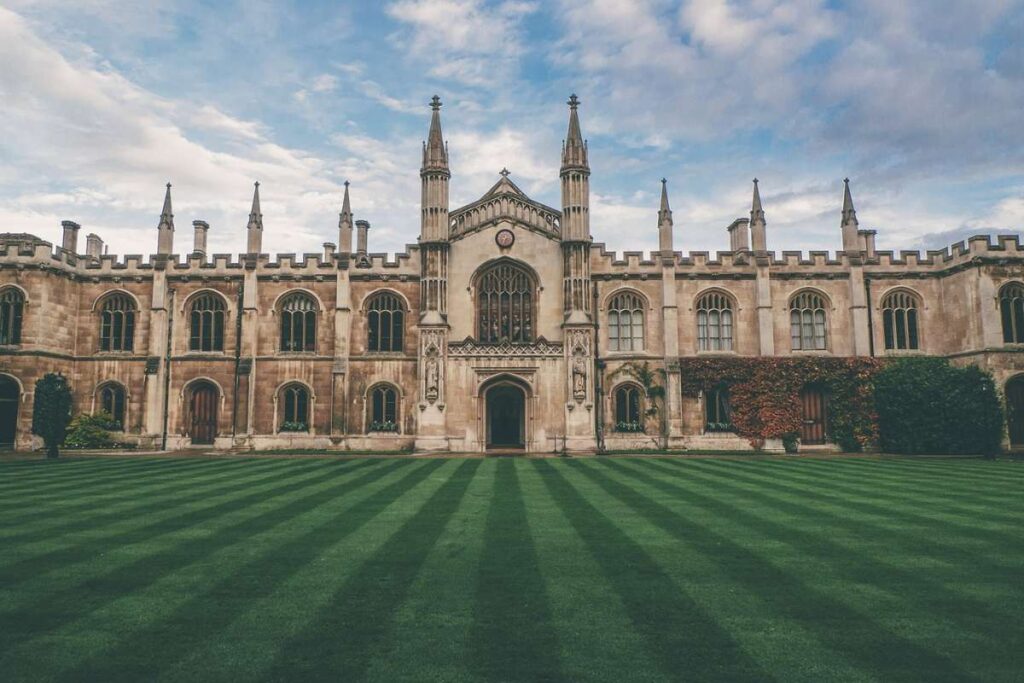
There’s a unique charm in studying at a place where history and learning meet. The oldest colleges in the US carry centuries of academic excellence, tradition, and cultural legacy within their walls. These institutions were the foundation of higher education in America, shaping leaders, thinkers, and innovators who helped define the nation’s identity.
Each college carries a story of learning, resilience, and inspiration that still shapes students today. Colleges like Harvard show how American education has stood the test of time, while the College of William and Mary is a prime example of how colleges constantly revolutionize teaching.
In this article, we will look at some of the oldest colleges in the US and how the foundations of higher education in America came to be.
The 15 Oldest Colleges in the US that Started it All
America’s oldest colleges tell the story of how education shaped the nation. These schools began with small classrooms and big dreams. They survived wars, revolutions, and great social change. Each one helped build the foundation of higher learning in the United States.
We have arranged this list from the oldest to the youngest college in the US. Let’s look at how these oldest colleges in the US started and how they grew over time.
1. Harvard University
- Year Established: 1636
- Location: Cambridge, Massachusetts
- Founder: The Great and General Court of the Massachusetts Bay Colony
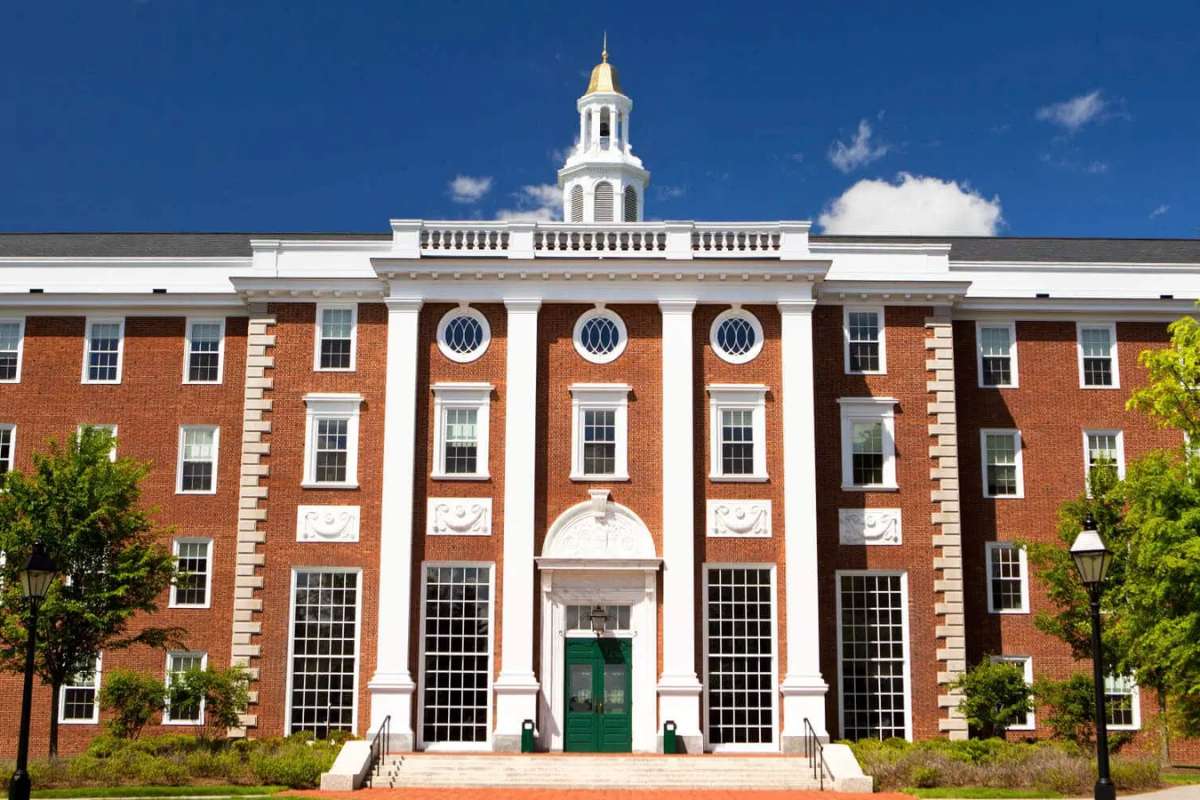
Harvard University is the oldest college in the United States. The colony’s leaders built it to train ministers for the new community. John Harvard, a young minister, donated half his estate and his library, giving the school its name.
Over the years, Harvard expanded beyond religion. It became a leader in research, politics, and science. Its red-brick campus, world-class library, and long tradition of learning continue to inspire students from around the world.
2. College of William & Mary
- Year Established: 1693
- Location: Williamsburg, Virginia
- Founder: King William III and Queen Mary II of England
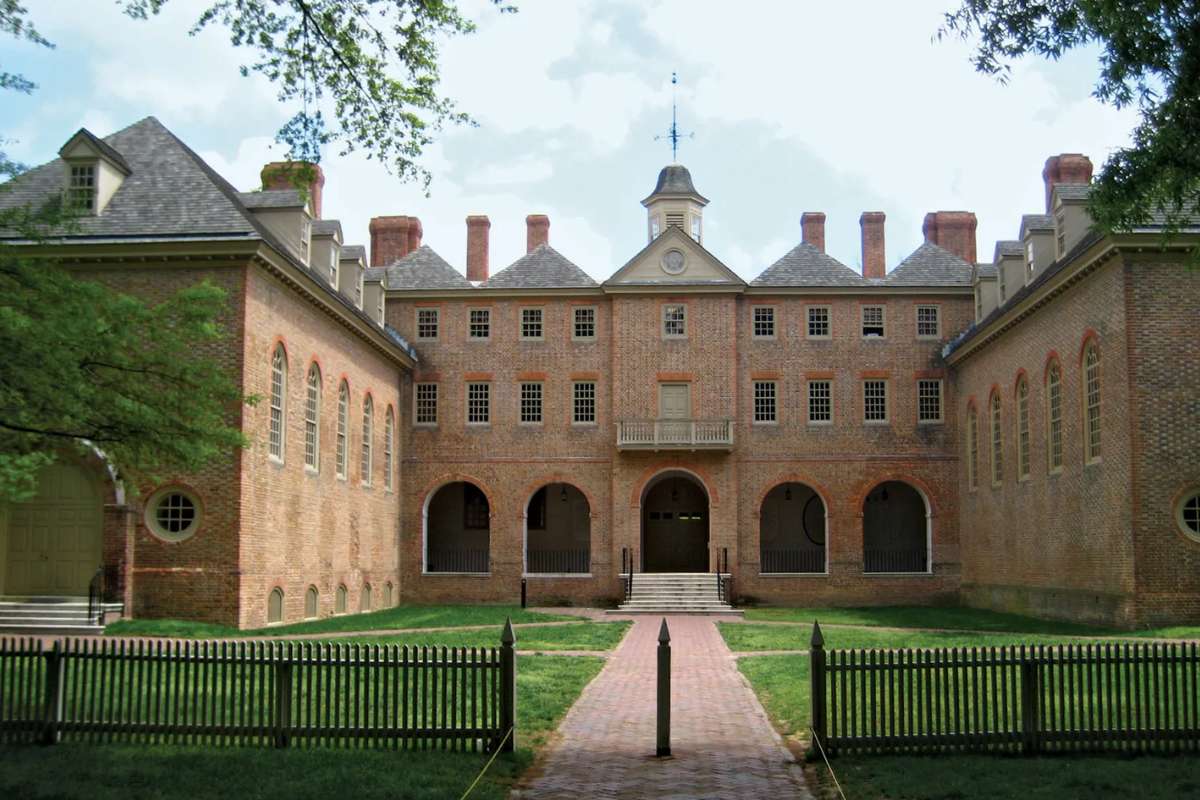
The College of William & Mary began under a royal charter from the English crown. It trained both clergymen and young men in the Virginia colony. Thomas Jefferson, James Monroe, and John Tyler studied here before becoming U.S. presidents. More than 200 years after its founding as a private institution, William & Mary became a public, state-supported school in 1906 and went coed in 1918.
The campus features the Wren Building. It is the oldest academic structure still in use in the country. William & Mary also introduced the first honor code, law school, and Greek-letter society in the nation.
3. St. John’s College
- Year Established: 1696
- Location: Annapolis, Maryland
- Founder: Originally King William’s School; later renamed St. John’s College
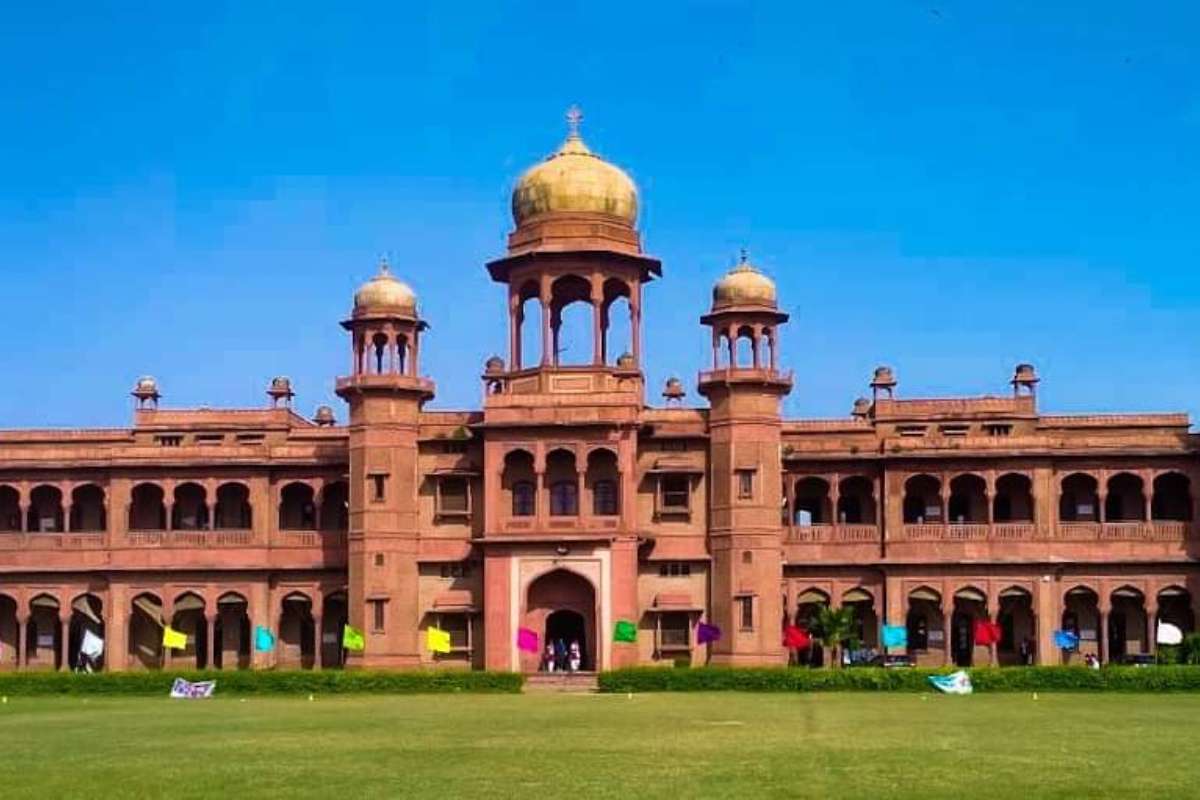
St. John’s College started as King William’s School for boys. In 1784, it received a charter to become a college and later took its current name. The school gained fame for its “Great Books” program, where students read and discuss classic texts instead of modern textbooks.
Students learn about the works by Plato, Aristotle, and Shakespeare in deep conversation. This discussion-based approach creates strong thinkers and lifelong learners.
4. Yale University
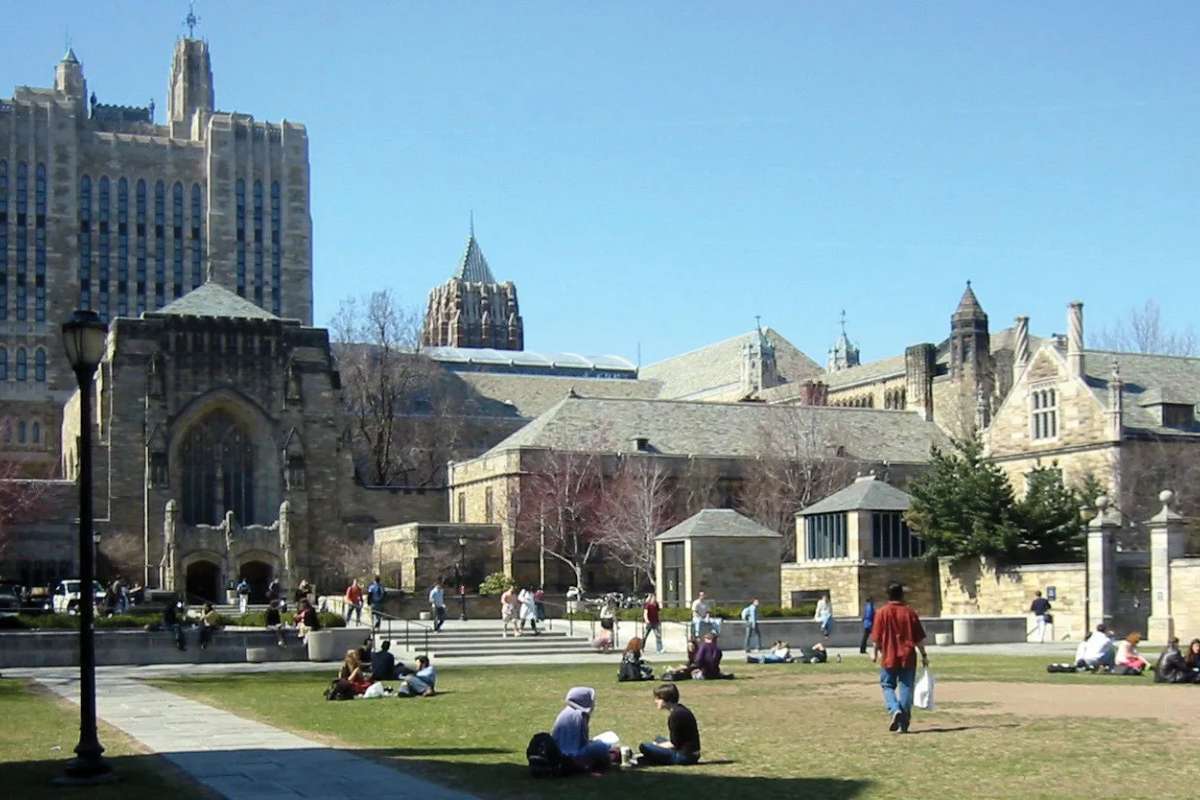
- Year Established: 1701
- Location: New Haven, Connecticut
- Founder: Ten Congregationalist ministers
A group of ministers created Yale to preserve the Puritan faith and educate future clergy. Elihu Yale, a merchant, supported the college with money, books, and art, earning it the name honors.
Soon, Yale grew beyond theology. It developed programs in law, science, and the arts. The university shaped generations of leaders and built one of the world’s best academic reputations.
5. University of Pennsylvania
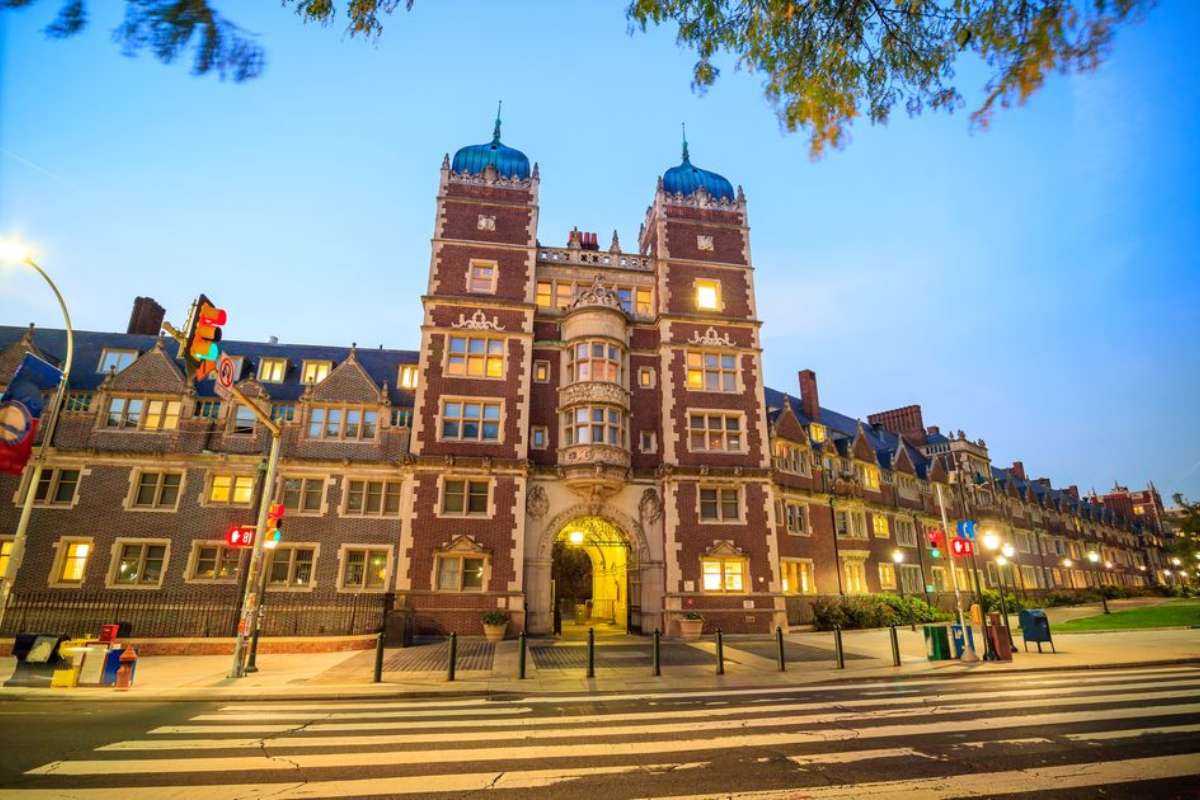
- Year Established: 1740
- Location: Philadelphia, Pennsylvania
- Founder: Benjamin Franklin
Benjamin Franklin envisioned a college that combined classical education with practical skills. He built the University of Pennsylvania to prepare students for business, service, and science.
Penn became one of the oldest colleges in the US to unite several disciplines under one roof. It also created the nation’s first medical school. Today, Penn continues Franklin’s dream of linking knowledge to real-world action.
6. Moravian University

- Year Established: 1742
- Location: Bethlehem, Pennsylvania
- Founder: Countess Benigna von Zinzendorf and the Moravian Church
Moravian University began as a small school for girls, one of the first in North America. Its founders believed that both men and women deserved equal education. That belief was revolutionary for the 1700s.
The school later opened its doors to all students. Today, Moravian blends its religious roots with modern academics, staying true to its spirit of inclusion and service.
7. University of Delaware
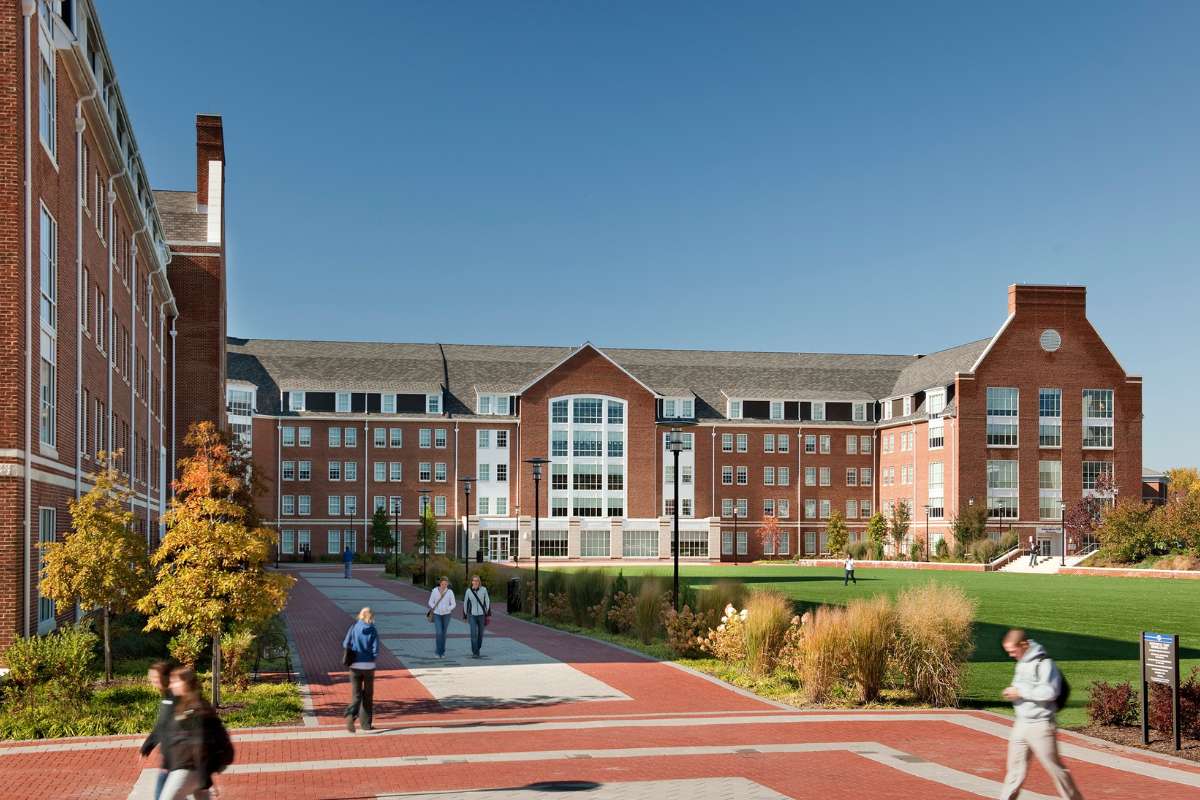
- Year Established: 1743
- Location: Newark, Delaware
- Founder: Francis Alison
Francis Alison, a Presbyterian minister, opened the University of Delaware as a small “Free School.” He wanted to teach classical studies, moral values, and public duty.
The school quickly grew in size and reputation. Many early graduates became national leaders. It later became a state university, keeping its strong focus on ethics and civic responsibility.
Also Read: Top 7 Universities in Boston America: A Comprehensive Guide
8. Princeton University
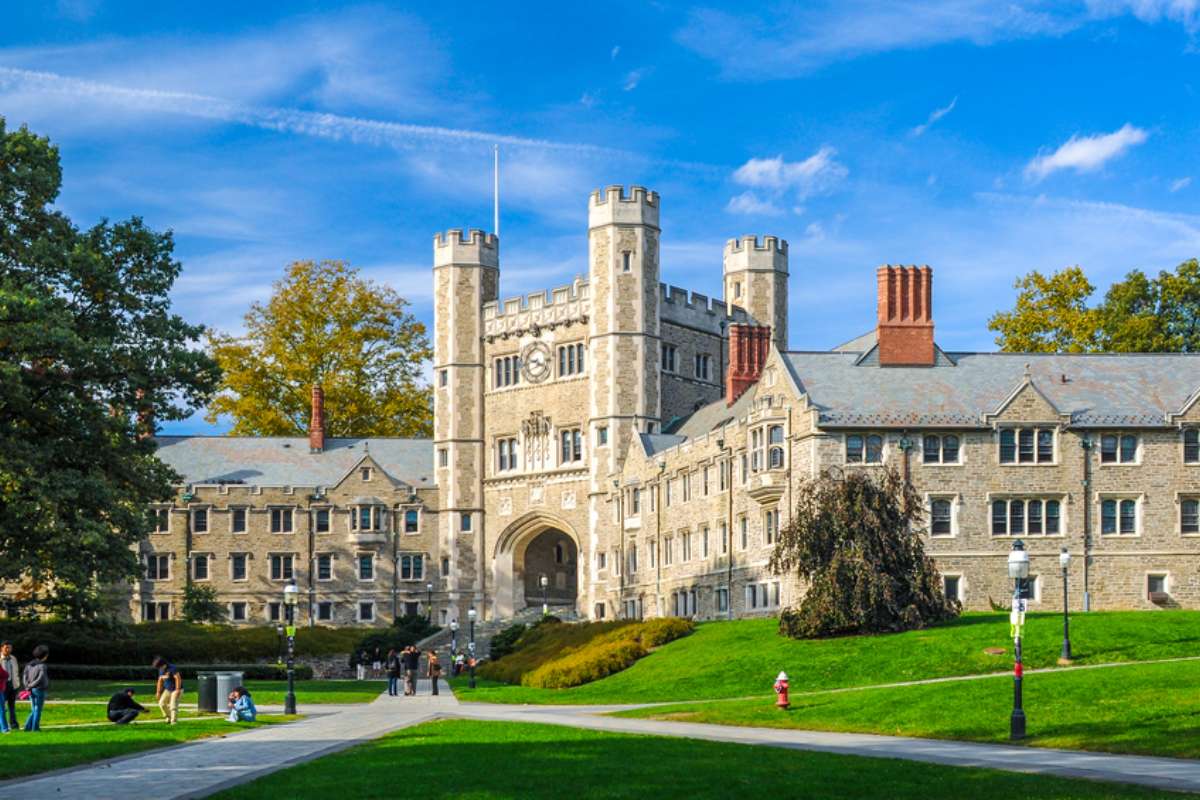
- Year Established: 1746
- Location: Princeton, New Jersey
- Founder: New Light Presbyterians
Princeton University began as the College of New Jersey. It aimed to train ministers who supported the Great Awakening movement. As one of the oldest colleges in the US, it moved to Princeton in 1756, where Nassau Hall became its heart.
During the American Revolution, Princeton students and faculty joined the fight for independence. The school’s legacy of leadership and scholarship remains strong today.
9. Columbia University
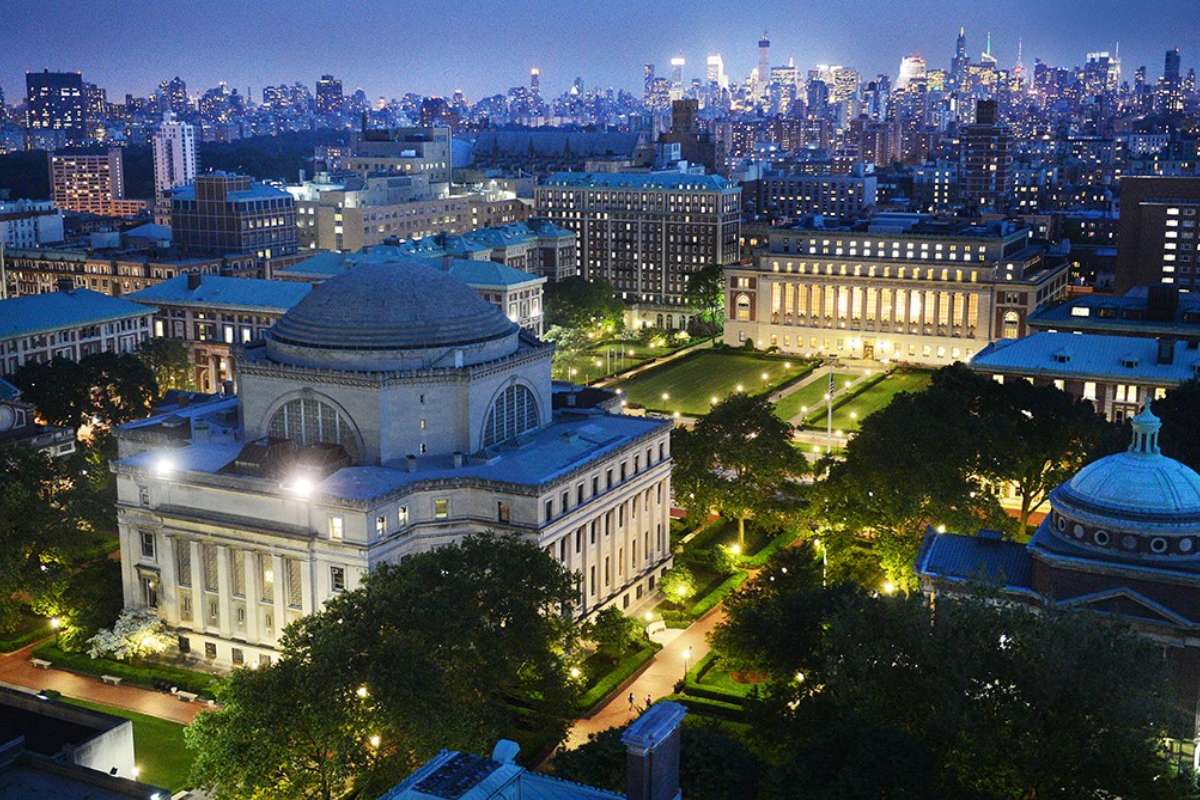
- Year Established: 1754
- Location: New York City, New York
- Founder: King George II of England
Columbia University started as King’s College under a royal charter. It served colonial youth seeking a classical education. After independence, it adopted the name Columbia, showing pride in the new nation.
Columbia became a global leader in research, medicine, and journalism. Its New York campus connects history and modern innovation, drawing students from every corner of the world.
10. Brown University
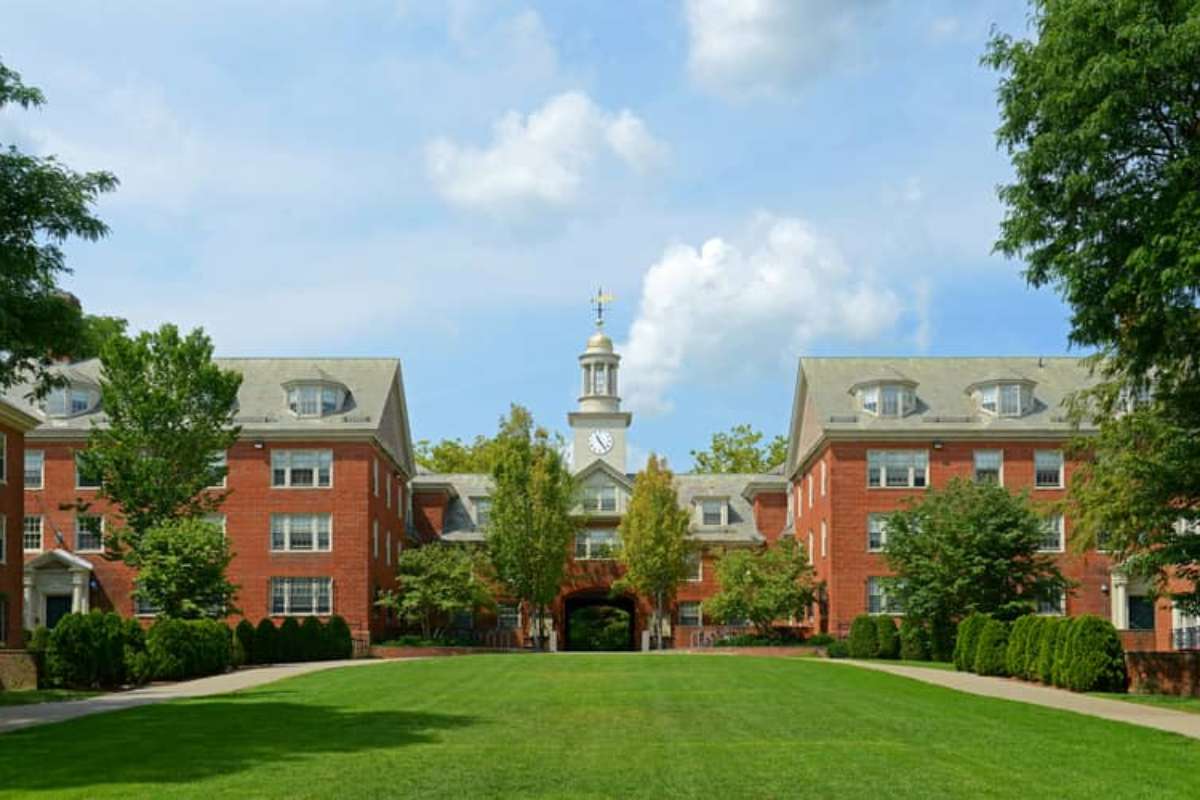
- Year Established: 1764
- Location: Providence, Rhode Island
- Founder: The Baptist Church of Philadelphia
Brown University began as a Baptist-founded school but welcomed students of all religions, which was a first in America. It built its reputation on freedom, creativity, and open thinking.
Students can design their own study paths under its “open curriculum.” That flexible system continues to define Brown’s spirit of independence and exploration.
11. Rutgers University
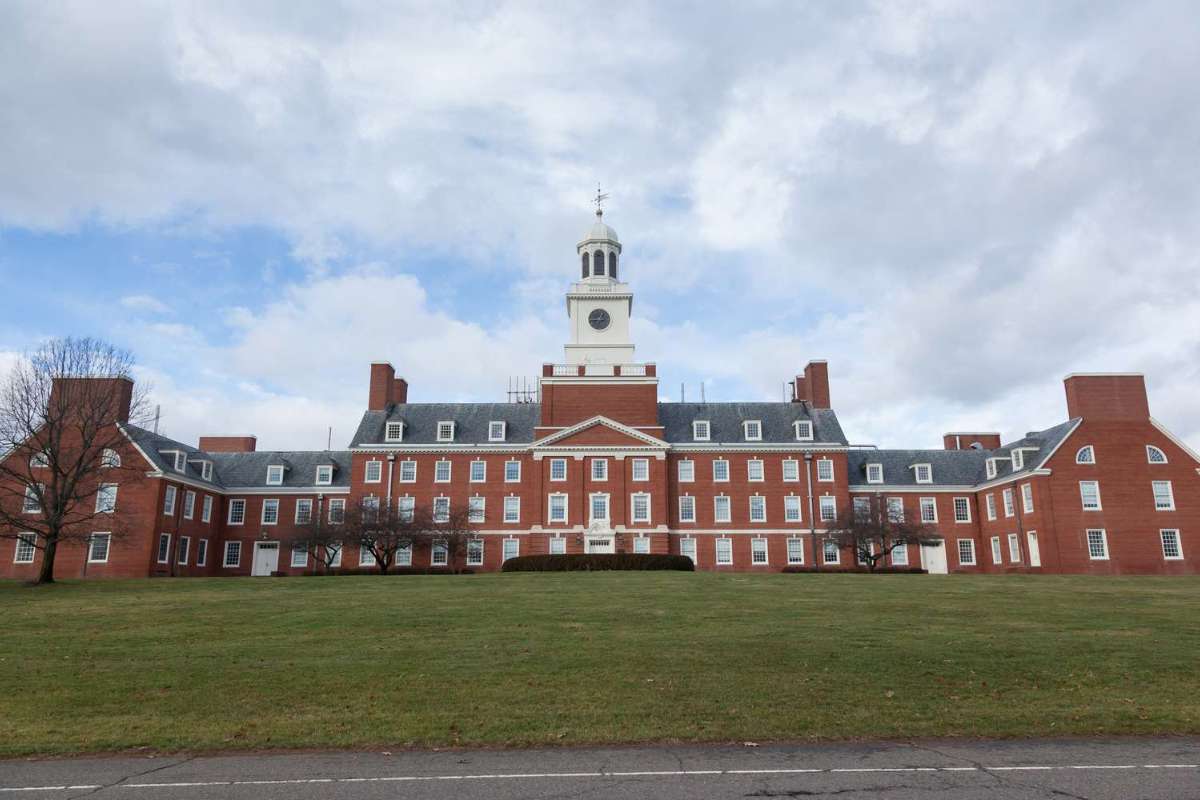
- Year Established: 1766
- Location: New Brunswick, New Jersey
- Founder: The Dutch Reformed Church
Rutgers University was founded in 1776 as Queen’s College to train ministers and teachers. The college faced financial struggles but survived thanks to community support.
In 1825, it became Rutgers College in honor of Colonel Henry Rutgers, a war hero and donor. Now one of America’s top public universities, Rutgers blends innovation with deep colonial roots.
12. Dartmouth College
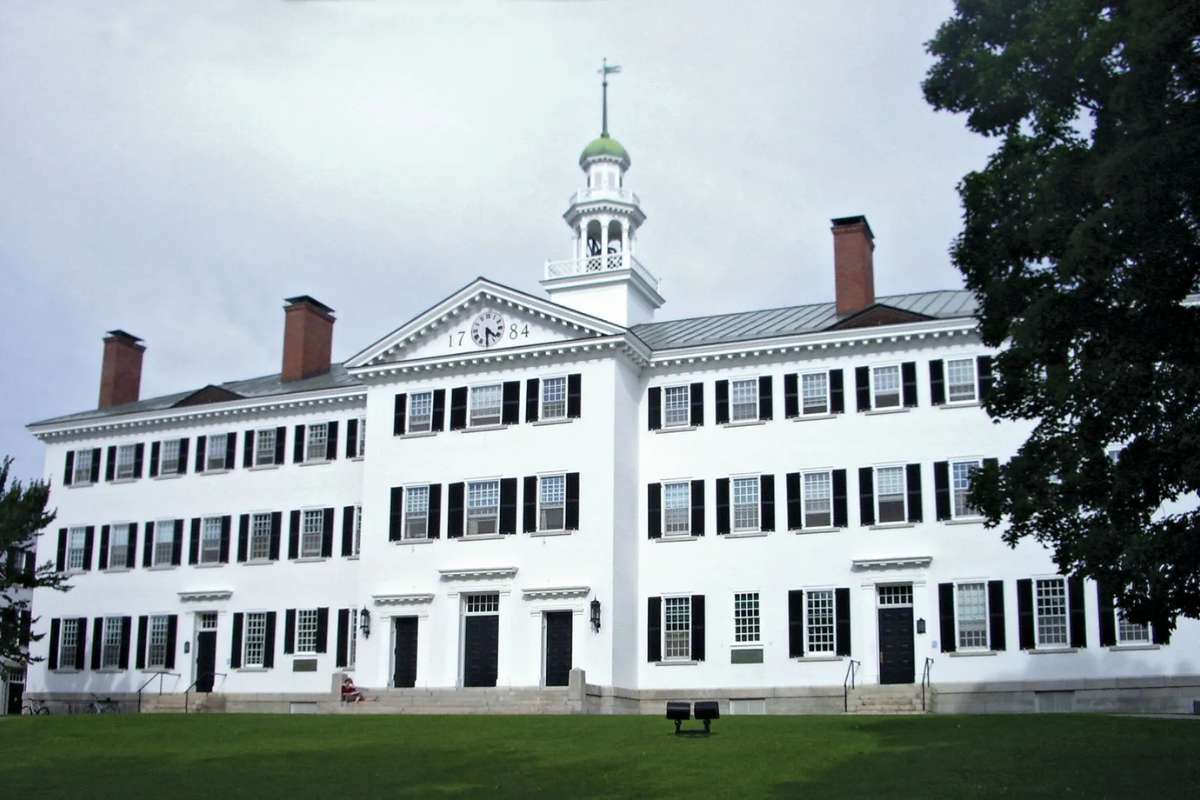
- Year Established: 1769
- Location: Hanover, New Hampshire
- Founder: Eleazar Wheelock
Eleazar Wheelock founded Dartmouth College to educate Native Americans and English youth. His mission focused on faith, leadership, and classical learning, making it one of the oldest colleges in the US.
The college later expanded into a strong liberal arts institution. It became known for its close-knit campus and played a major role in the landmark Supreme Court case Dartmouth College v. Woodward, which protected private education rights.
13. College of Charleston
- Year Established: 1770
- Location: Charleston, South Carolina
- Founder: Local Charleston leaders
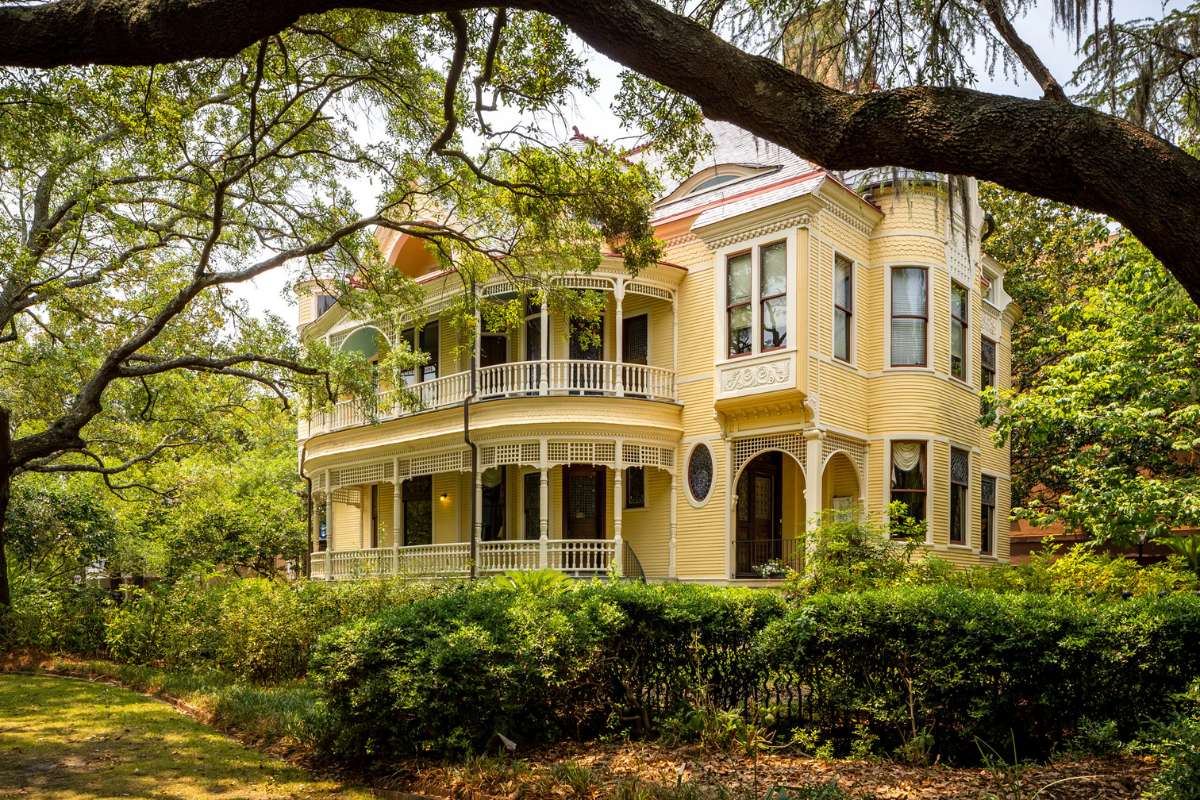
The next institution on this list of the oldest colleges in the US was actually a solution to a local problem. Citizens of Charleston wanted a school that educated young men in the South without sending them north, and that is how The College of Charleston came to be
The College of Charleston was planned before the American Revolution, but opened after independence. Despite fires, wars, and financial troubles, the college endured. Today, it stands as one of the oldest municipal colleges in the country, known for its historic beauty and lively arts scene.
14. Salem College
- Year Established: 1772
- Location: Winston-Salem, North Carolina
- Founder: The Moravian Church
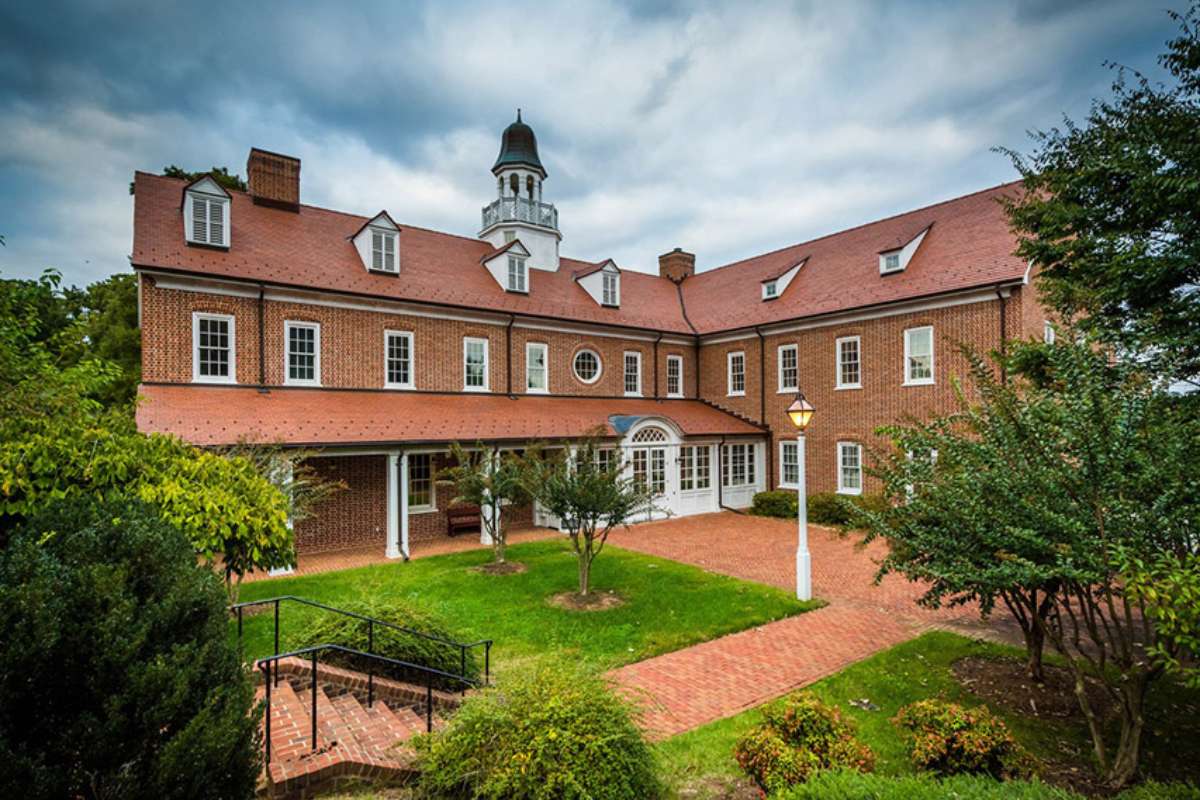
Salem College started as a girls’ school led by the Moravian Church. The founders believed girls deserved the same quality of education as boys. That idea shaped the college’s identity.
Over time, Salem grew into one of the oldest women’s colleges still operating in the U.S. It continues to support women’s education and leadership across every field.
15. Washington College
- Year Established: 1782
- Location: Chestertown, Maryland
- Founder: Supported by George Washington
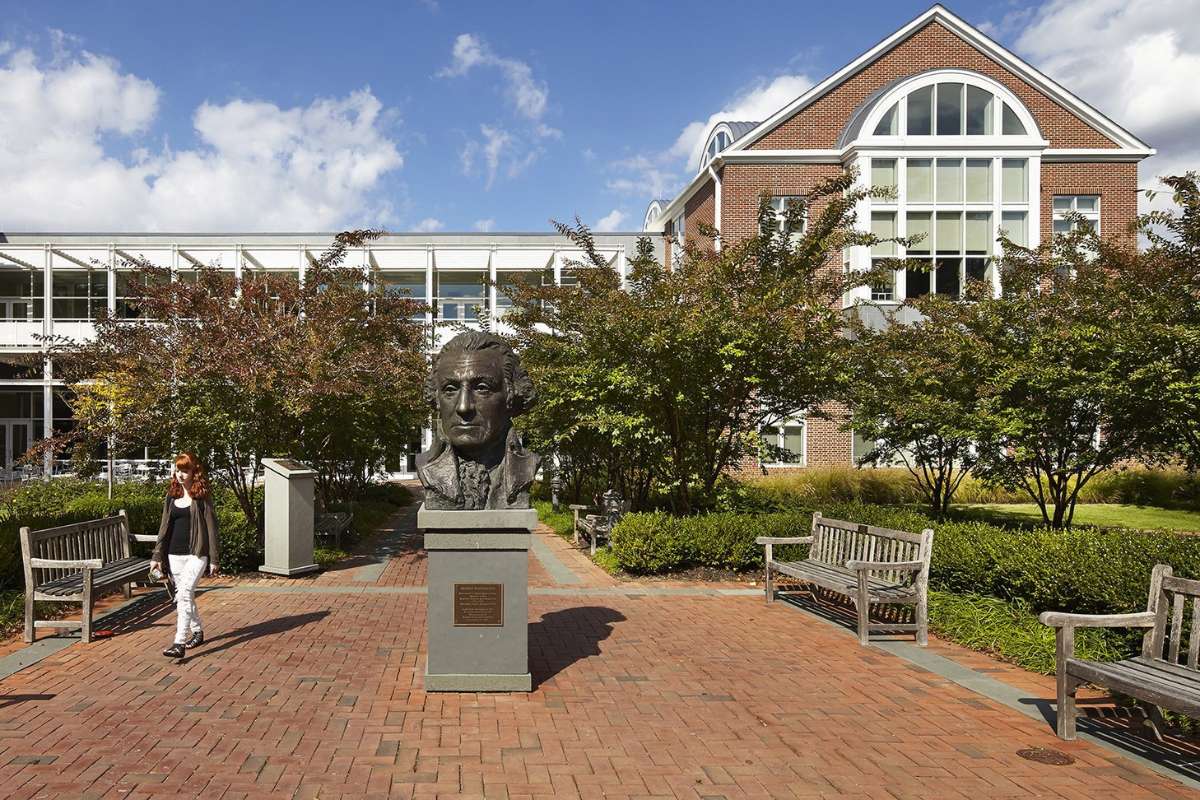
Washington College was the first college founded after American independence. George Washington gave 50 guineas and joined its Board of Visitors. The school aimed to uphold the values of democracy and service.
Its peaceful riverside setting inspired generations of thinkers and writers. Washington College still promotes leadership, creativity, and civic responsibility.
Conclusion:
Walking through the campuses of these historic institutions feels like stepping back in time. Each building, library, and courtyard tells stories of ambition, resilience, and progress that shaped generations of learners.
The oldest colleges in the US stand as living symbols of how education has evolved by balancing timeless values with modern innovation. Their enduring legacy reminds us that while the world changes, the pursuit of knowledge remains constant.
FAQ
1. Are the oldest colleges in the US still operating today?
Yes, many of the oldest institutions, like Harvard, Yale, and Princeton, continue to operate and remain among the top universities in the world.
2. How have these colleges influenced higher education in America?
They set the foundation for academic structure, liberal arts education, and research standards that shaped the American university system.
3. Do the oldest colleges in the US offer modern programs and facilities?
Absolutely. While preserving their history, these colleges have expanded to include cutting-edge research centers, advanced technology, and diverse academic programs.
Also Read: Looking for Research Opportunities? These are the 10 Top Public Research Universities that Deliver