
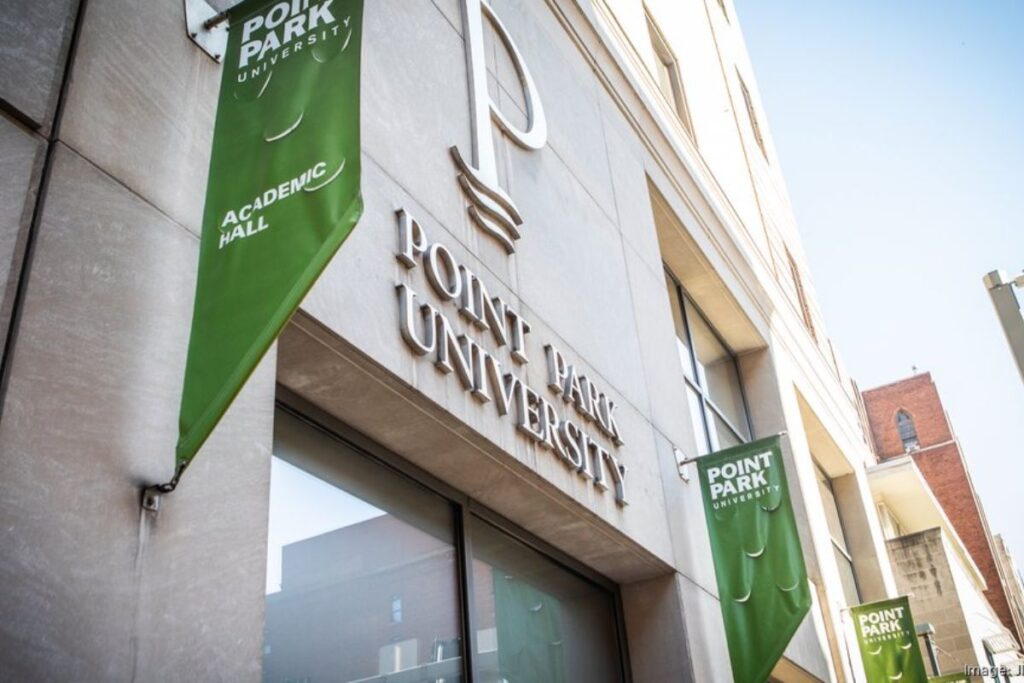
Point Park University is addressing a record surge in first-year enrollment by arranging off-campus housing at the Wyndham Grand Pittsburgh Downtown for nearly 90 incoming students. The 2025 freshman class is about 25% larger than usual, fueled by new athletic programs such as men’s and women’s wrestling and lacrosse, along with growing interest in its recently expanded Conservatory of Performing Arts.
With residence halls at full capacity, the Point Park University has secured approximately 40 to 45 hotel rooms for the fall semester, each housing two students in queen-size beds. The Wyndham Grand is just a short five- to six-minute walk from campus, allowing students to remain closely connected to university activities. The arrangement will be reassessed at the end of the semester to determine if it continues into spring.
Point Park University Student Life and Support at the Wyndham Grand
To ensure that students living off-campus have a comparable experience to their on-campus peers, each floor at the hotel will have a resident assistant. These RAs will provide support, foster community engagement, and help freshmen navigate their first semester at the university.
Importantly, students placed in the hotel will not incur additional costs for housing. The rooms are equipped with amenities to ensure comfort, and the arrangement has been designed to preserve the student community atmosphere. This is not the first time Point Park has partnered with the Wyndham Grand; during the COVID-19 pandemic, the university used the hotel to safely house students while maintaining proximity to academic buildings.
Housing Strategies Reflect Broader Trends
Point Park University’s approach reflects a growing trend among universities across the region and the country, where housing shortages have pushed institutions to seek creative off-campus accommodations. Similar solutions have been implemented at peer institutions, with students being placed in nearby hotels, leased apartment complexes, and other temporary residences to meet increased demand.
The strategy enables universities to accommodate growth without compromising on the quality of living arrangements or campus engagement. While some students initially expressed surprise about being housed off-campus, many have responded positively to the idea of living in a central downtown location with quick access to campus facilities.
For Point Park, the move represents both a challenge and an opportunity—balancing the need to house a growing student body while exploring new ways to integrate them into the vibrant urban environment of Pittsburgh. The university plans to monitor feedback from students and staff over the semester to evaluate the long-term viability of the partnership.