
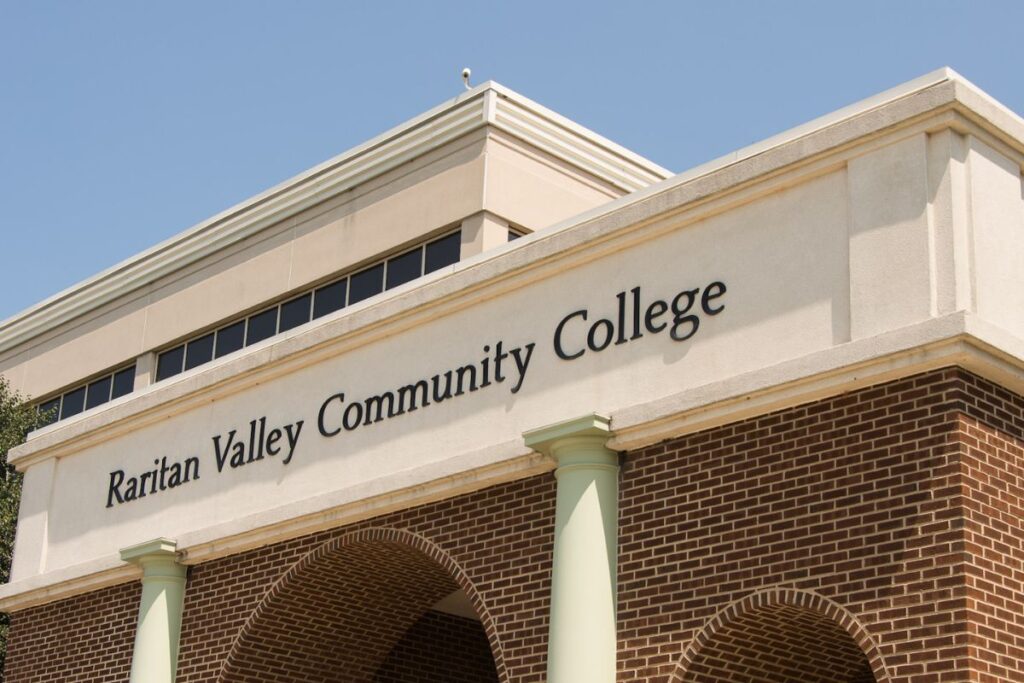
As New Jersey faces teacher shortages across multiple grade levels and prepares for upcoming education mandates, Raritan Valley Community College (RVCC) is expanding its pathways for future educators.
Gov. Phil Murphy recently signed legislation requiring all elementary-serving public school districts to offer full-day kindergarten by the 2029–2030 school year. The state has also committed to expanding funding for universal Pre-K programs for 3- and 4-year-olds. These changes are expected to create additional demand for qualified teachers and classroom support staff.
Raritan Valley Community College says its Education Department is prepared to meet these needs with a range of programs designed for traditional teacher candidates, career changers, and paraprofessionals.
Multiple Pathways for Teacher Candidates
For those pursuing the traditional path to licensure, Raritan Valley Community College offers academic, for-credit programs that prepare students to transfer into bachelor’s degree programs and complete state certification requirements. These include the Early Childhood Certificate, the Associate of Applied Science in Early Childhood Education, and the Associate of Arts in Education P–12 degree, which can lead to certification in areas such as P–3, K–6, or K–12.
Recognizing that many prospective educators come from other professions, RVCC is also increasing opportunities for Alternate Route candidates. The Alternate Route to Teaching – Community College Program enables qualified individuals to enter the classroom without completing a traditional teacher preparation program.
Partnership with Brookdale Community College
In a recent development, RVCC signed an agreement with Brookdale Community College to offer the 50-Hour Preservice Introduction to Teaching course, a required first step for Alternate Route candidates. This non-credit course, offered through RVCC’s Workforce Training Center, precedes the additional 350 hours of coursework needed to complete the Alternate Route requirements.
Candidates must hold a bachelor’s degree, pass the Praxis II exam, and apply for a Certificate of Eligibility to seek employment as a New Jersey educator. The program’s flexibility is designed to make it more accessible for individuals transitioning from other careers.
RVCC will host a virtual information session on Thursday, Aug. 28, from 6–7 p.m. for those interested in the Alternate Route program.
Expanding Opportunities for Paraprofessionals
RVCC is also focusing on classroom support roles. Through a grant from the New Jersey Council of County Colleges Center for Workforce Innovation, the college is collaborating with other community colleges to create a professional development course for paraprofessionals, often referred to as teaching assistants or teacher’s aides.
This training will help current and aspiring paraprofessionals enhance their skills and better support teachers in meeting student learning needs.
Seamless Transfer to Centenary University
To help students advance their education without leaving the RVCC campus, the college offers a transfer partnership with Centenary University in Hackettstown. Graduates can continue their studies on the Branchburg campus to earn a Bachelor of Arts in Elementary Education Liberal Arts.
This pathway allows students to apply for the K–6 Elementary Teacher license and the Teacher of Students with Disabilities (ToSD) endorsement. Additional endorsements, such as middle school and P–3 certification, are also available.
Meeting a Statewide Demand
RVCC Education professors Kimberly Maitland and Kathryn Suk emphasized the importance of these expanded offerings.
“As a product of the Alternate Route program, I am proud to bring this opportunity to our community to address our state’s needs for an enhanced teacher pipeline,” said Suk.
Maitland added, “This is a pivotal moment in our state’s teaching landscape. We are grateful to be prepared to meet the demand for more highly qualified educators.”