
Key Points:
- South Carolina measles outbreak reaches 16 cases in low-vaccination schools.
- 140 students quarantined due to unvaccinated status.
- Free vaccines are offered to prevent further spread.
A South Carolina measles outbreak is growing, with 16 confirmed cases, including five new infections linked to schools with low vaccination rates. State health officials reported that exposures occurred at Global Academy of South Carolina and Fairforest Elementary School in Spartanburg County. Nearly 140 students from these schools are quarantining at home due to their unvaccinated status.
Measles Cases Rise in Schools
Global Academy, a K-5 charter school with over 600 students, has only 17% of students fully immunized, far below the 95% coverage recommended to prevent outbreaks. Fairforest Elementary, a public school with more than 760 students, has an immunization rate of 85%. Health officials noted that some cases were linked to travel or close contact with known cases, while others appear to be community-spread, indicating the virus could continue to circulate locally.
Impact of Declining Vaccination Rates
The U.S. has experienced record levels of measles in 2025, with over 1,500 confirmed cases. Most outbreaks are connected to communities with low vaccination coverage. The disease was declared eliminated in the U.S. in 2000, meaning cases were only imported. However, exemptions from school-mandated vaccines have allowed measles to return, particularly in schools with low immunization rates, fueling the South Carolina measles outbreak.
Measles spreads easily through respiratory droplets when an infected person coughs or sneezes. The virus can remain airborne for up to two hours and also spreads through contaminated surfaces. Symptoms typically develop one to two weeks after exposure and include high fever, cough, runny nose, watery eyes, and a characteristic rash appearing three to five days after initial symptoms.
Vaccine Protection and Risks
The two-dose measles, mumps, and rubella (MMR) vaccine is highly effective, providing 97% protection when administered at around the child’s first birthday and again between ages four and six. About 20% of infected individuals may require hospitalization. Pneumonia is the most common complication, affecting one in 20 children, while encephalitis, which can cause long-term neurological issues, occurs in about one in 1,000 cases. Mortality from respiratory or neurological complications happens in roughly 1–3 per 1,000 children infected.
School and Community Response
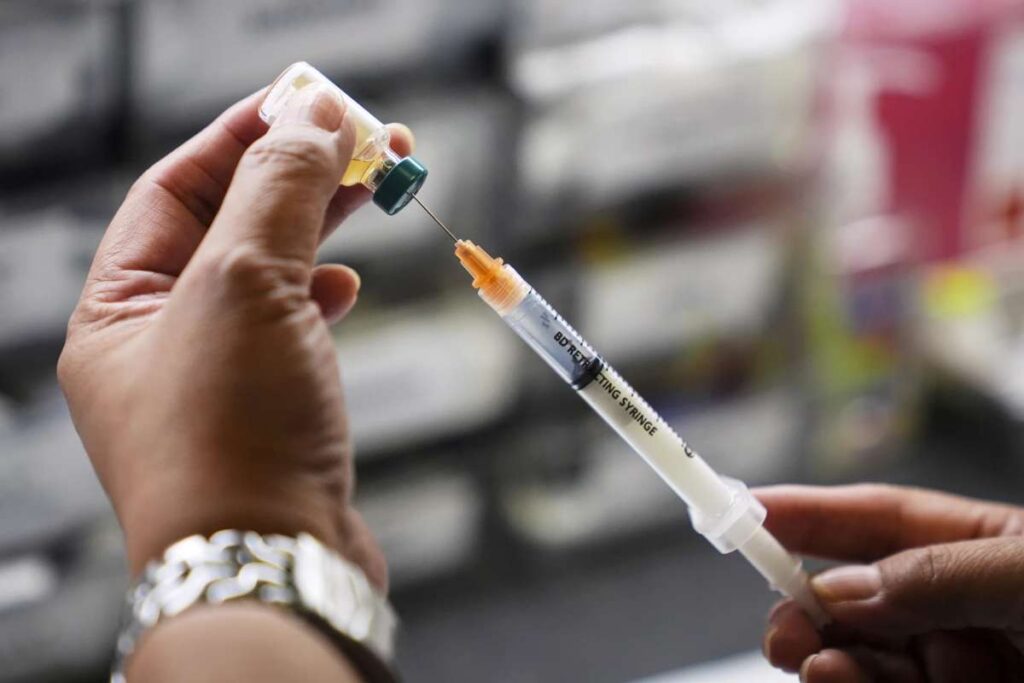
South Carolina health officials are offering free vaccinations in affected areas and emphasizing the importance of immunization to prevent further spread of the South Carolina measles outbreak. The ongoing situation highlights the importance of maintaining high vaccination rates to safeguard students and staff in schools. Officials stressed that the outbreak shows signs of “unrecognized community transmission,” meaning the virus is moving beyond specific schools or county boundaries.
Educators and families are encouraged to verify immunization records and participate in available vaccine clinics to protect vulnerable students. Schools with lower immunization rates are being closely monitored to prevent further disruption to classroom learning.
This outbreak underlines the critical role of school-based vaccination programs in controlling infectious diseases and protecting the broader student population.
Visit Future Education Magazine For The Most Recent Information.