
Most assume the U.S. dollar holds the top spot among the strongest currencies in the world. That idea makes sense because the dollar dominates global trade and finance. But this is not the whole truth.
Right now, one Kuwaiti Dinar can buy more than three United States Dollars. This means several currencies actually hold a higher value per unit than the dollar. Many of them come from small Gulf economies. Oil exports, low inflation, and careful financial policies help keep their currencies strong.
Here, you will see the 15 strongest currencies in the world in 2026. You will also learn how economists measure currency strength and why some small countries manage to hold the highest valued money on the planet.
What Makes a Currency Strong? The Hidden Forces Behind Global Money
A strong currency holds a high value compared to others, and traders usually measure it against the U.S. dollar. Many of the factors below explain why some of the strongest currencies in the world maintain their value over time.
A stable economy builds trust with investors, while countries with strong exports attract demand for their money. Central banks also step in to control inflation and interest rates, keeping the currency steady.
This is especially clear with oil-exporting countries like Kuwait, Bahrain, and Oman. They sell large amounts of oil to the world, and foreign buyers need their local currency to pay for it. That demand helps keep the exchange rate strong.
Government policies also play a big role. Some countries peg their currency to the U.S. dollar to maintain stability, while others use strict financial controls to avoid sudden swings. Together, these factors determine how strong a currency can be in the global market.
Economists track factors like inflation, foreign exchange reserves, and overall economic stability to evaluate currency strength. The International Monetary Fund (IMF) regularly publishes this data, allowing comparisons of economic performance across countries.
How Currency Strength is Measured Using Simple but Powerful Metrics?
Economists look at several indicators to judge currency strength.
Comparing one unit of a currency to the U.S. dollar helps identify some of the strongest currencies in the world. If one unit buys more than one dollar, that currency ranks higher in value.
For example:
- 1 Kuwaiti dinar ≈ $3.25
- 1 Bahraini dinar ≈ $2.66
- 1 Omani rial ≈ $2.60
These numbers show why Gulf currencies dominate the rankings.
However, the exchange rate alone does not tell the full story. Analysts also study inflation, economic growth, trade balance, and foreign reserves. Stable economies with strong exports usually maintain stronger currencies.
Top 15 Strongest Currencies in the World (2026)
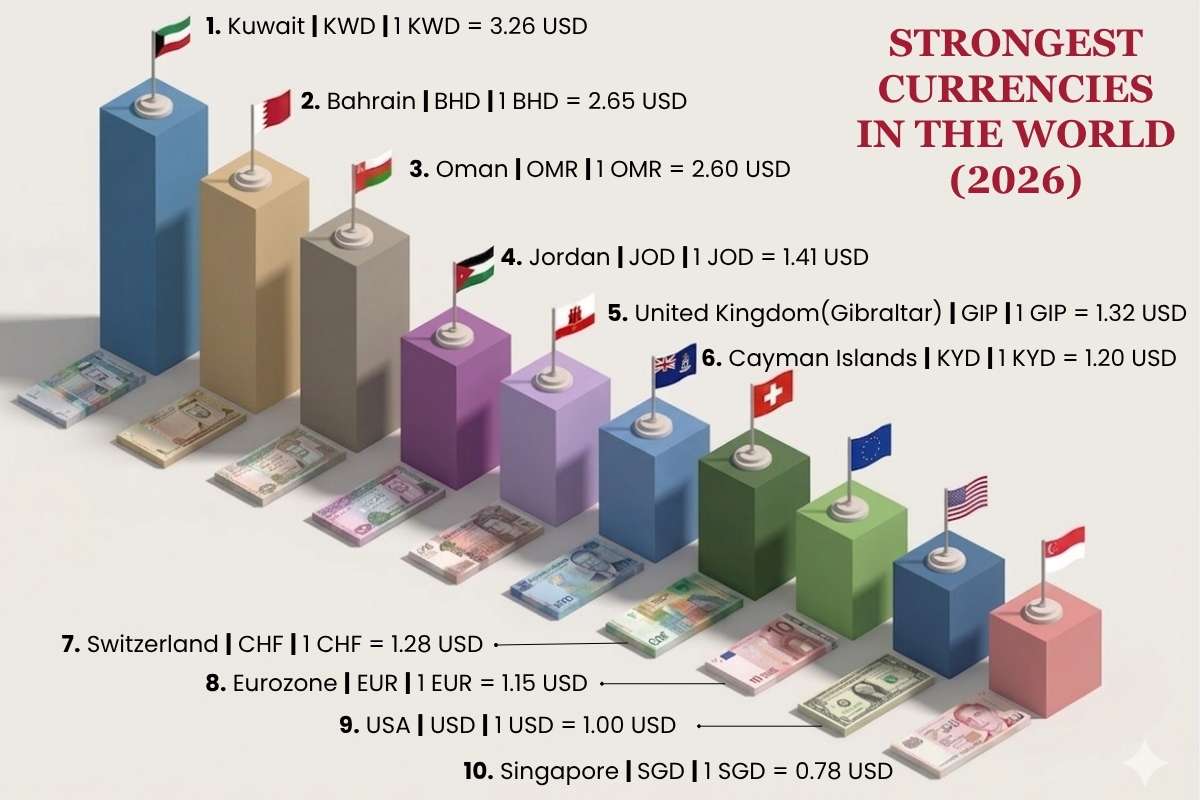
We ranked these currencies by how much one unit is worth in U.S. dollars. The more it can buy, the stronger it is. The list goes from the highest value at the top to the lowest at the bottom.
You may notice a surprising pattern here. Large economies like the United States rank lower than small Gulf nations. This occurs because currency value depends on denomination and policy, not just economic size.
Some countries intentionally keep their currency units high. Others use smaller denominations such as the Japanese yen.
The table above answers the main question, but the real insight comes from understanding why these currencies rank so high. Below is a closer look at the economic forces behind each one.
1. Kuwaiti Dinar
- Country: Kuwait
- Value vs USD: About $3.25 per dinar
- Key Strength: Oil wealth and strict monetary policy
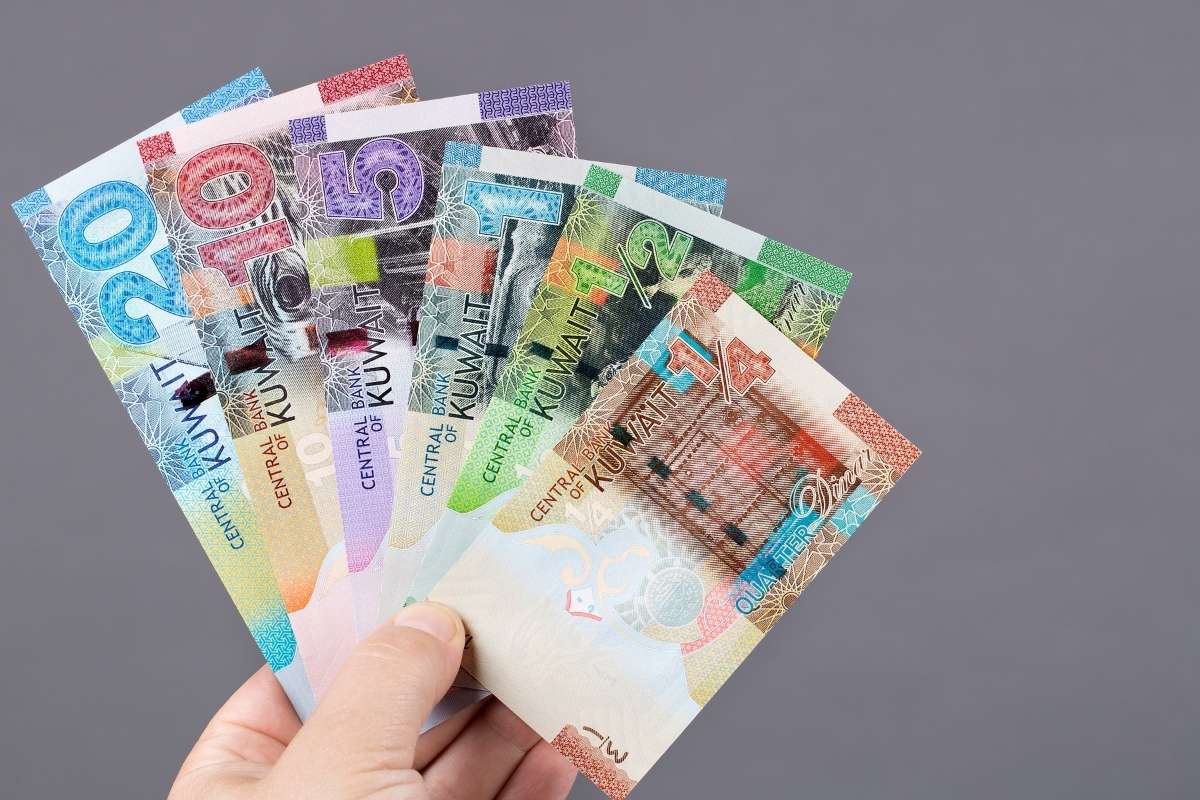
The Kuwaiti Dinar is the world’s highest-valued currency. Kuwait earns a huge income from oil exports, and buyers must convert money into dinars. This keeps its demand high. The country’s small population compared to its wealth helps maintain this strength. The central bank maintains low inflation and strict policies, keeping the dinar strong for over two decades. Its stability makes it a reliable currency for international trade.
2. Bahraini Dinar
- Country: Bahrain
- Value vs USD: About $2.65 per dinar
- Key Strength: Stable exchange rate and banking sector
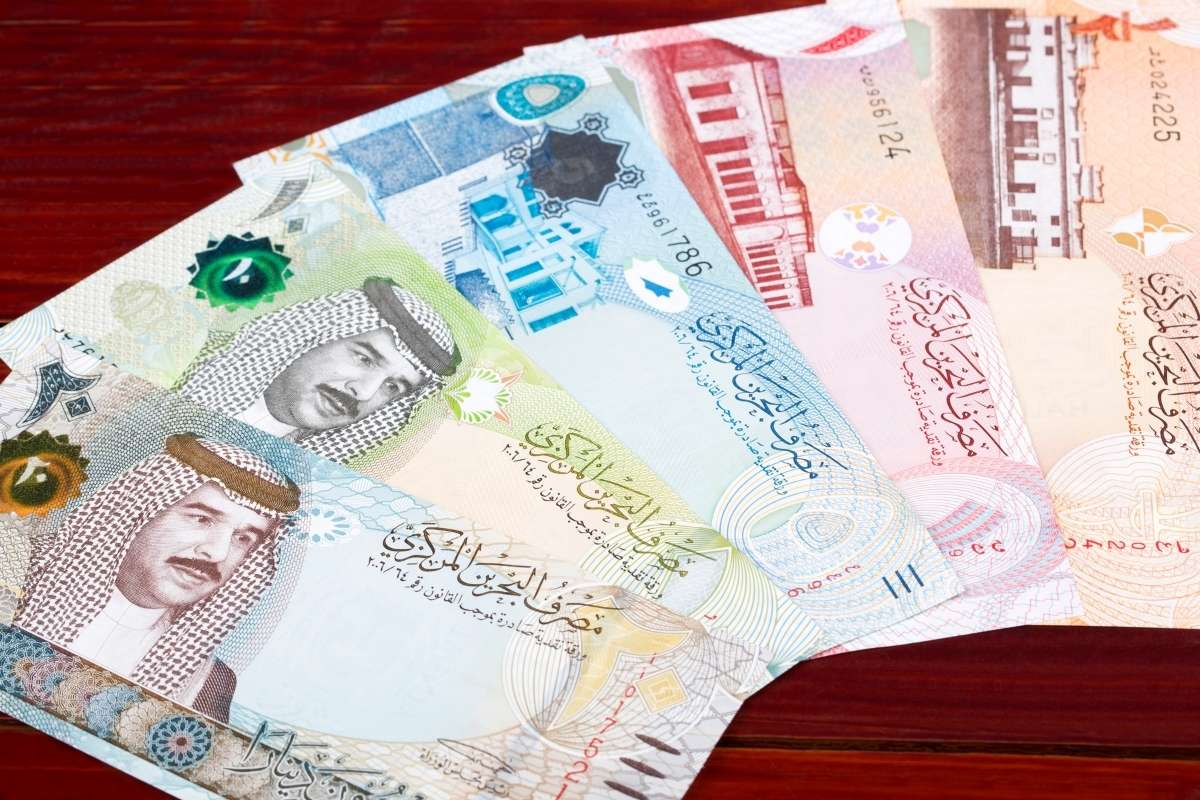
The Bahraini Dinar is strong because of a stable financial system and one of the Gulf’s oldest banking sectors. The country pegs the dinar to the U.S. dollar, keeping it predictable and steady. Oil exports bring a constant flow of foreign money. Low inflation and careful policies boost investor confidence and keep the currency strong over many years.
3. Omani Rial
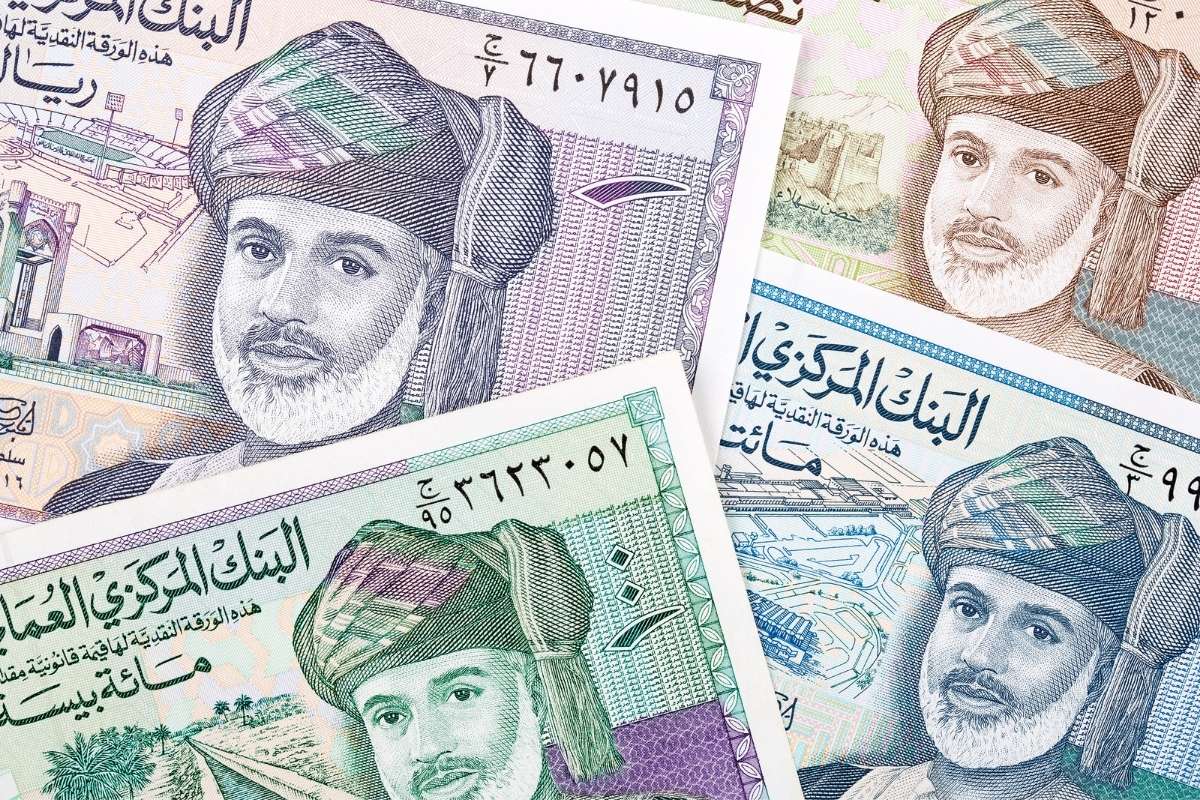
- Country: Oman
- Value vs USD: About $2.60 per rial
- Key Strength: Oil exports and currency stability
Oman’s Rial is supported by substantial oil and gas exports, creating consistent foreign demand. The Central Bank of Oman keeps the rial fixed to the U.S. dollar at about 0.384 OMR per USD. The peg gives businesses and investors long-term price stability. Oman’s location near the Strait of Hormuz (a key shipping route) gives it global importance. Fiscal discipline and low inflation further help to make it one of the strongest currencies in the world.
4. Jordanian Dinar
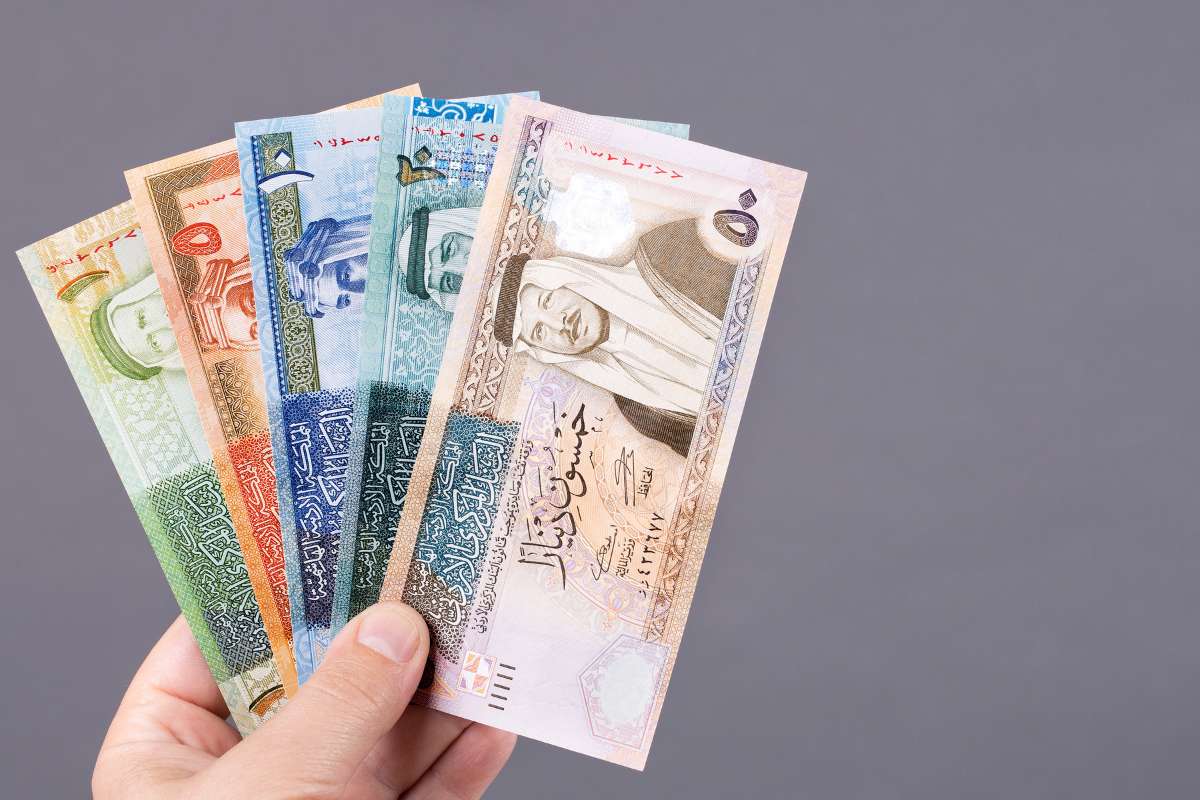
- Country: Jordan
- Value vs USD: About $1.41 per dinar
- Key Strength: Strong monetary discipline
The Jordanian Dinar stays strong even though the country has few natural resources. The government keeps it at a fixed rate with the U.S. dollar, and the central bank holds large foreign reserves to support it. Careful fiscal management, low inflation, and clear monetary policies help maintain stability. These steps make the dinar reliable for trade and investment over the years.
5. Gibraltar Pound
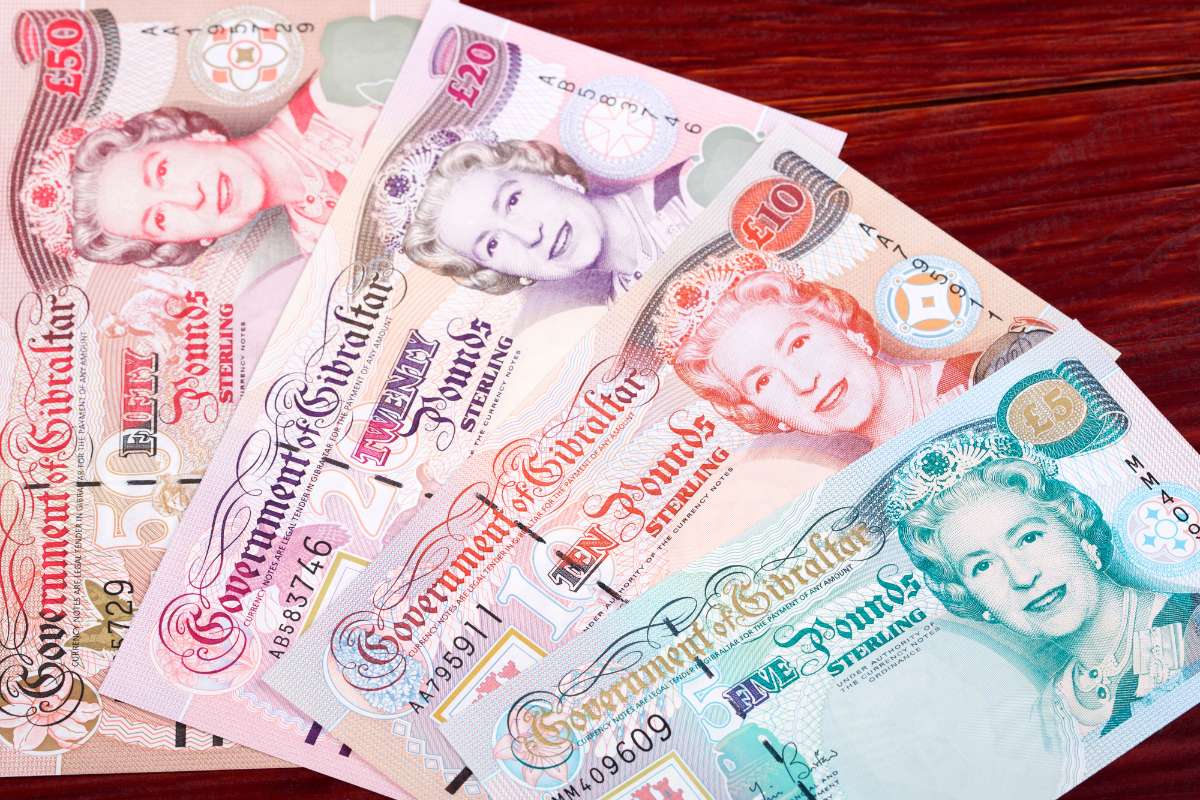
- Country: Gibraltar
- Value vs USD: About $1.32 per pound
- Key Strength: Pegged to the British Pound
The Gibraltar Pound matches the British Pound Sterling in value. Gibraltar uses a system that makes sure every unit of money has enough reserves behind it. The territory has a strong financial sector, including online gaming and insurance, which keeps demand for the currency high. Strict money rules prevent too much supply. Linking it to the pound keeps it stable and trusted worldwide.
You may also like: Ronaldo’s $275M Secret! Highest Paid Athletes in the World That Will Blow Your Mind
6. Cayman Islands Dollar
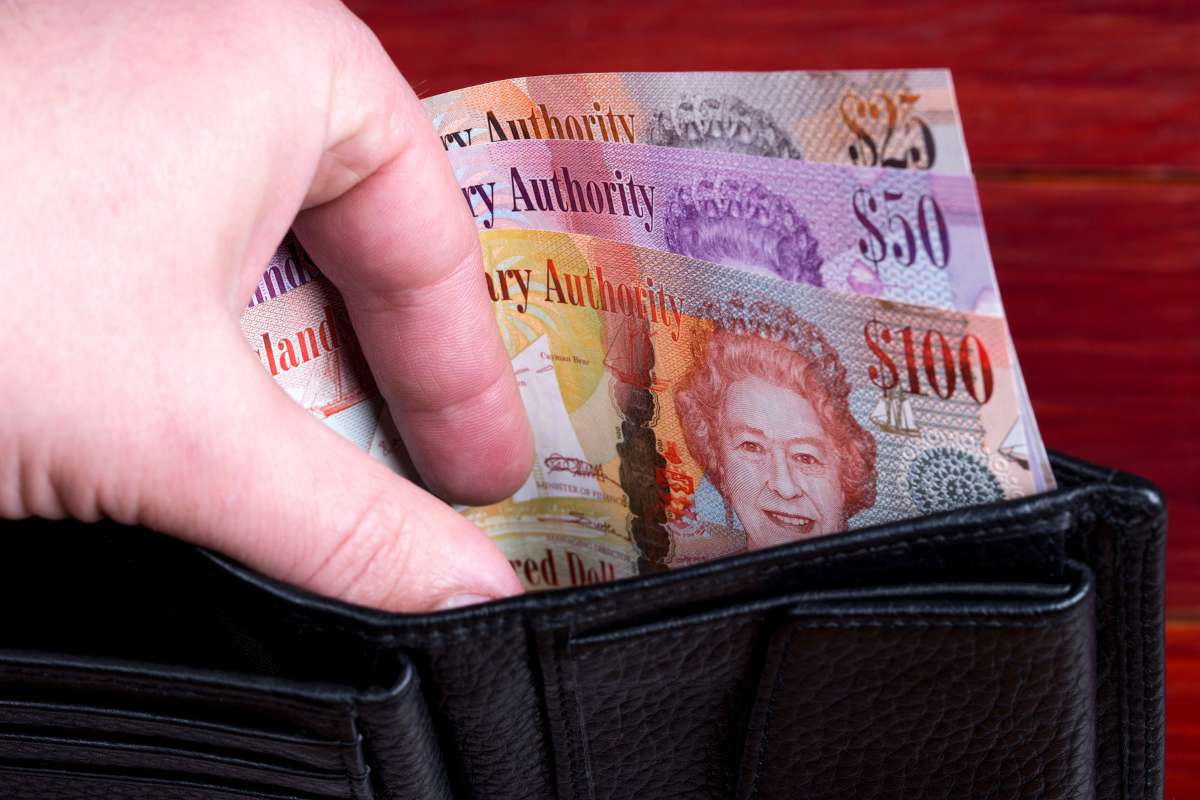
- Country: Cayman Islands
- Value vs USD: About $1.20 per dollar
- Key Strength: Offshore financial hub
The Cayman Islands Dollar is strong because the islands are a global financial center with many hedge funds, investment firms, and international businesses. The government keeps its value linked to the U.S. dollar, which adds stability. A small population and limited money supply keep the currency strong, while tourism and financial services bring steady foreign money. These factors make the dollar reliable and attractive to investors.
7. Swiss Franc
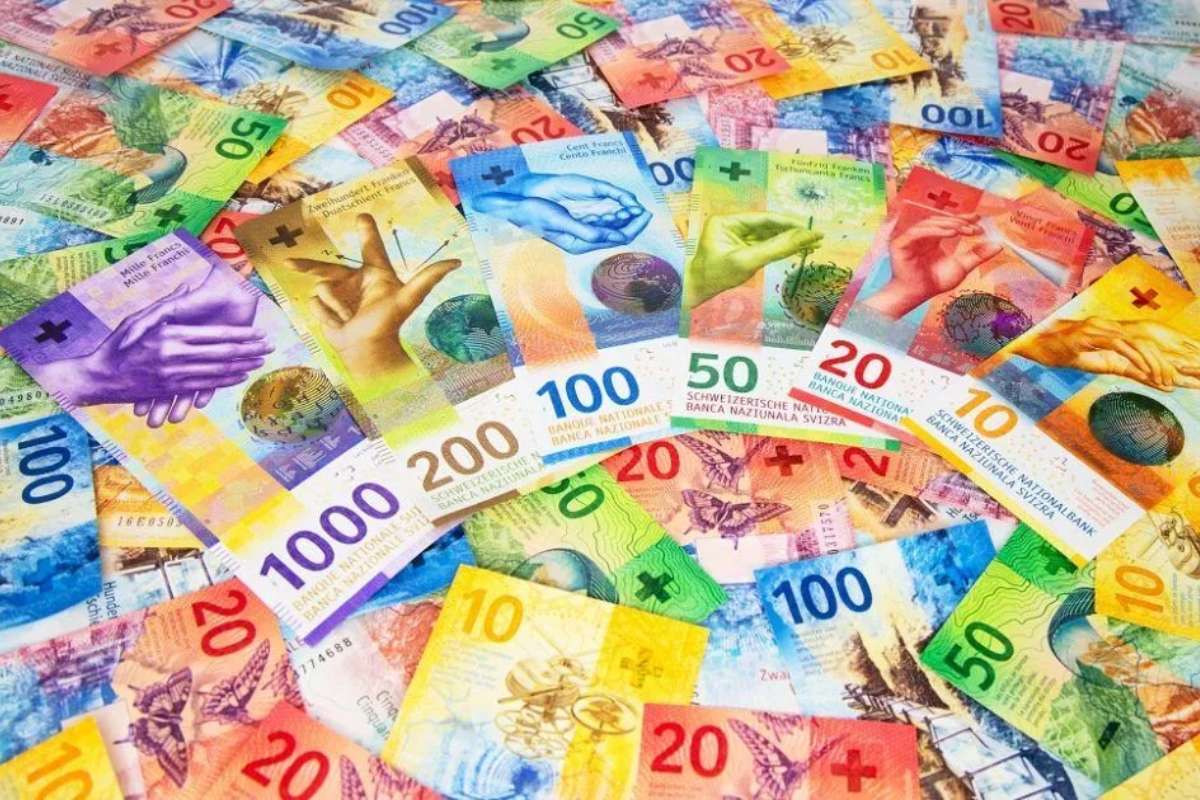
- Country: Switzerland
- Value vs USD: About $1.28 per franc
- Key Strength: Safe-haven currency
The Swiss Franc is a safe currency because Switzerland stays neutral. It has a strong economy and keeps inflation low. Investors buy francs during global crises, which raises demand. The Swiss National Bank controls the money supply to avoid making the franc too strong, which could hurt exports. During global uncertainty, investors often move money into the Swiss franc, which helps keep it ranked among the strongest currencies in the world.
8. Euro
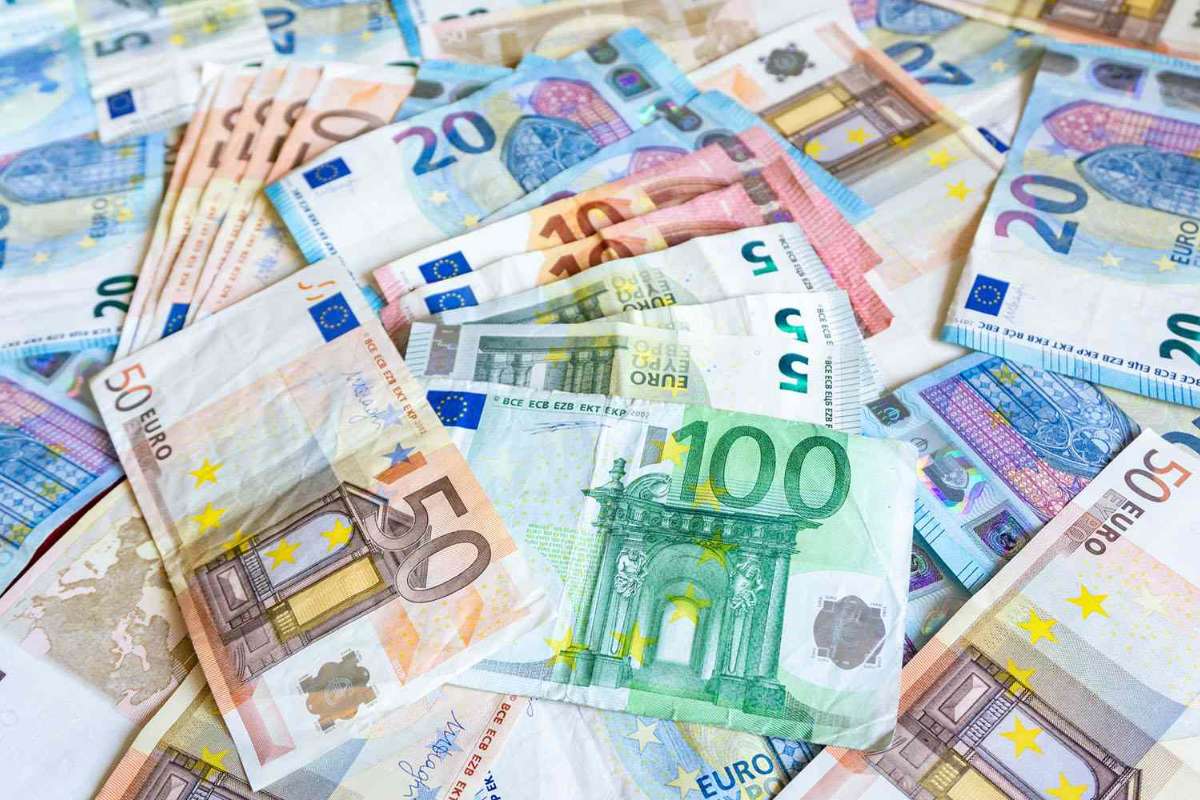
- Country: Eurozone
- Value vs USD: About $1.15 per euro
- Key Strength: Large economic bloc
The Euro serves multiple European countries, such as Germany and France. The European Central Bank sets interest rates and keeps inflation under control. A large and varied economy creates strong demand for the currency worldwide. Differences between member countries can cause small changes, but overall, trade, investment, and confidence in the eurozone keep the Euro strong.
9. United States Dollar
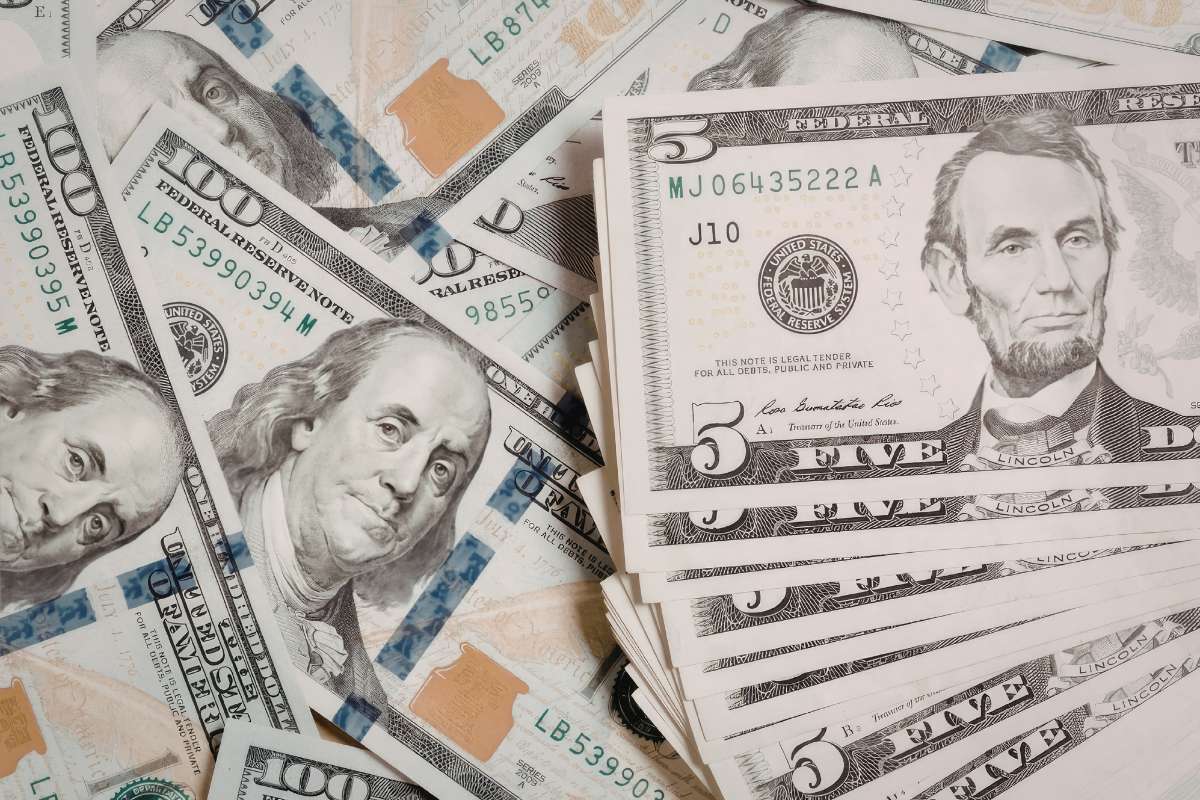
- Country: USA
- Value vs USD: $1.00
- Key Strength: Global reserve currency
The U.S. Dollar leads global trade, finance, and reserves. Many commodities, like oil and gold, are priced in dollars, creating steady demand. Central banks hold large dollar reserves, which increases their influence worldwide. Strong economy, low inflation, and clear policies keep confidence high. Even if it is not the highest-valued per unit, the dollar is essential in global finance.
10. Singapore Dollar
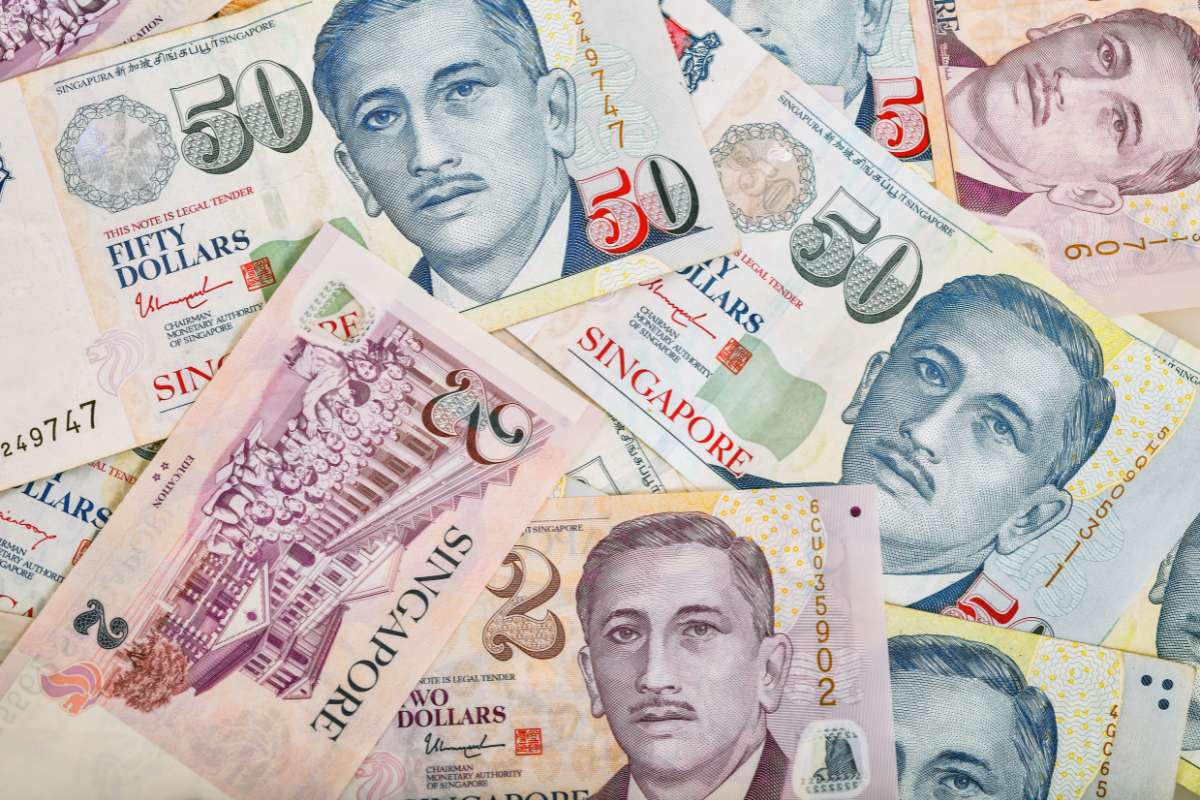
- Country: Singapore
- Value vs USD: About $0.78 per dollar
- Key Strength: Trade and financial hub
When discussing the strongest currencies in the world, this one is a clear contender as Singapore is a major financial and trade hub. The trade flows and strict monetary policies help the Singapore dollar remain strong. Singapore’s location on key shipping routes adds importance. These factors make the Singapore Dollar reliable and widely used in international trade across Asia.
11. Brunei Dollar
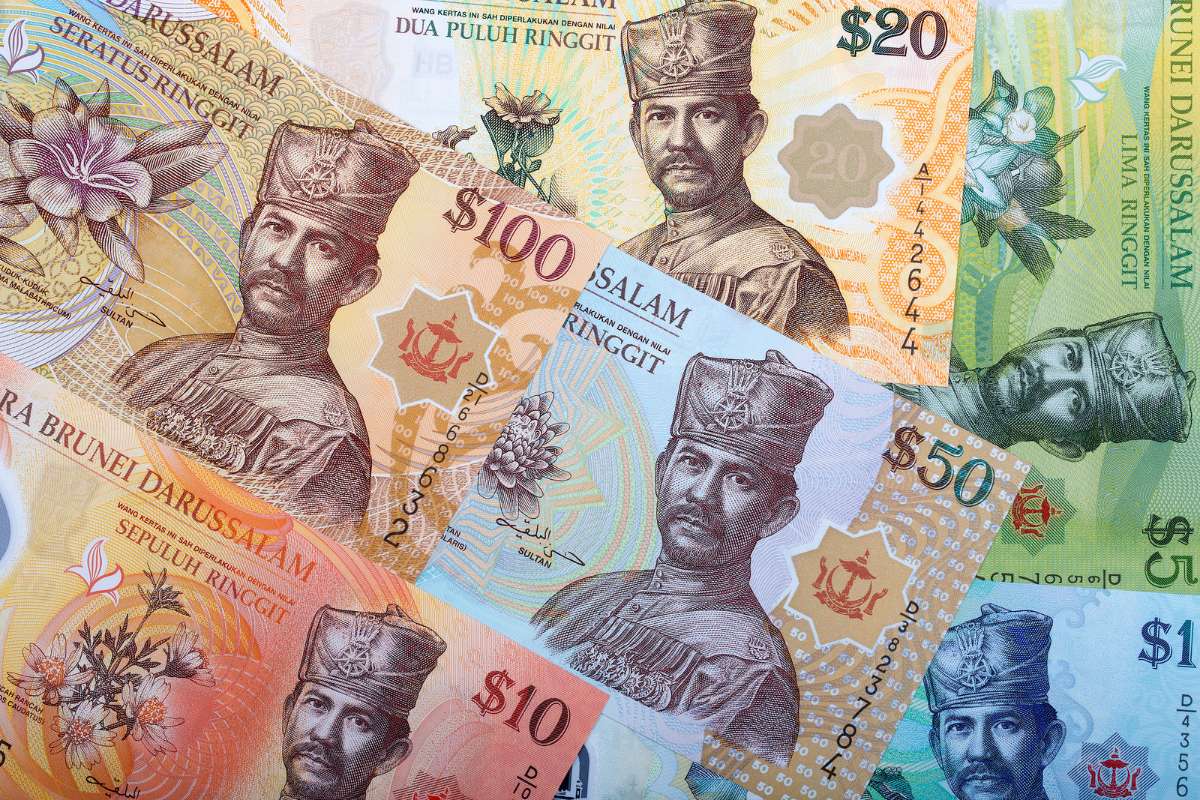
- Country: Brunei
- Value vs USD: About $0.78 per dollar
- Key Strength: Pegged to the Singapore Dollar
The Brunei Dollar stays strong because it is linked to the Singapore Dollar. Oil and gas revenue supports the economy, and the small population helps keep the currency valuable. The connection with Singapore gives investors confidence and boosts global trust. Careful financial policies keep inflation low and maintain the currency’s steady value over time.
12. Norwegian Krone
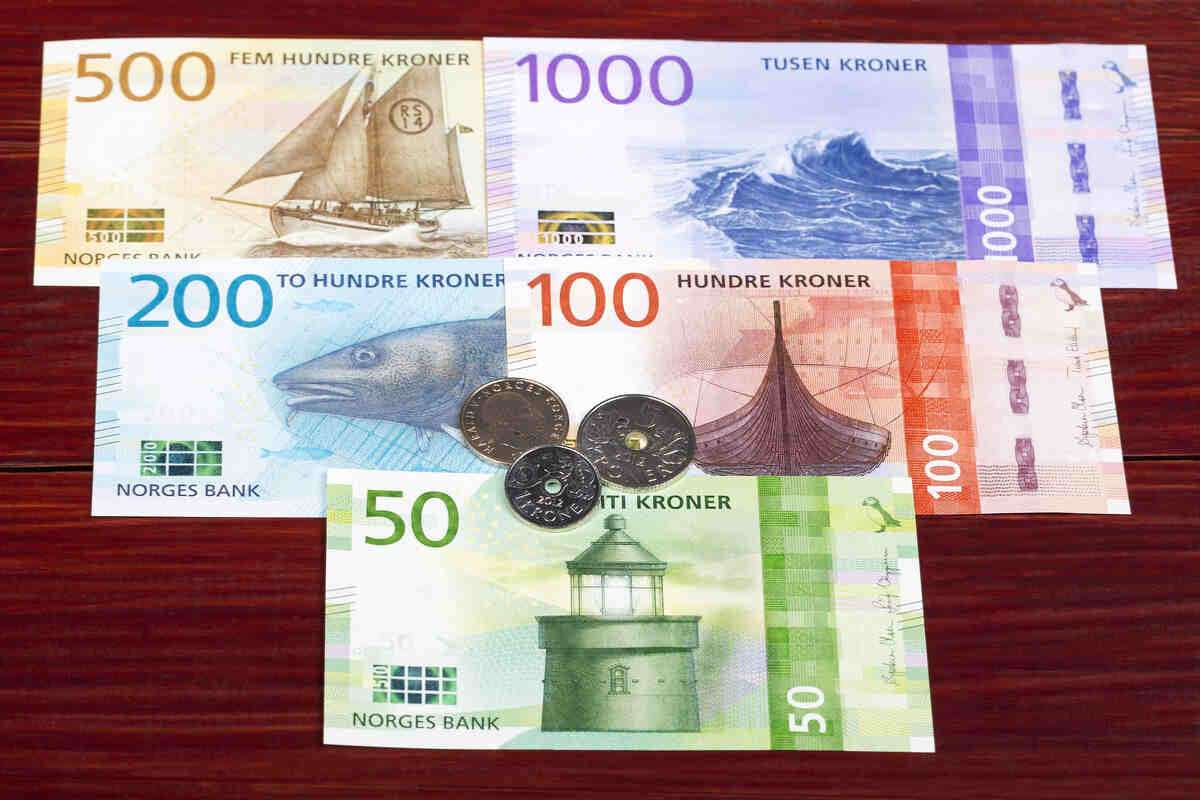
- Country: Norway
- Value vs USD: About $0.095 per krone
- Key Strength: Oil exports and a strong economy
The Norwegian Krone stays strong because of oil exports and careful government spending. These strengths keep it strong, even when energy prices fluctuate. Norway’s sovereign wealth fund adds long-term stability. A strong economy and low inflation keep the currency trusted worldwide. The krone can change with global energy prices, but careful money and fiscal policies help it remain strong. This makes it reliable for trade and investment.
13. British Pound Sterling
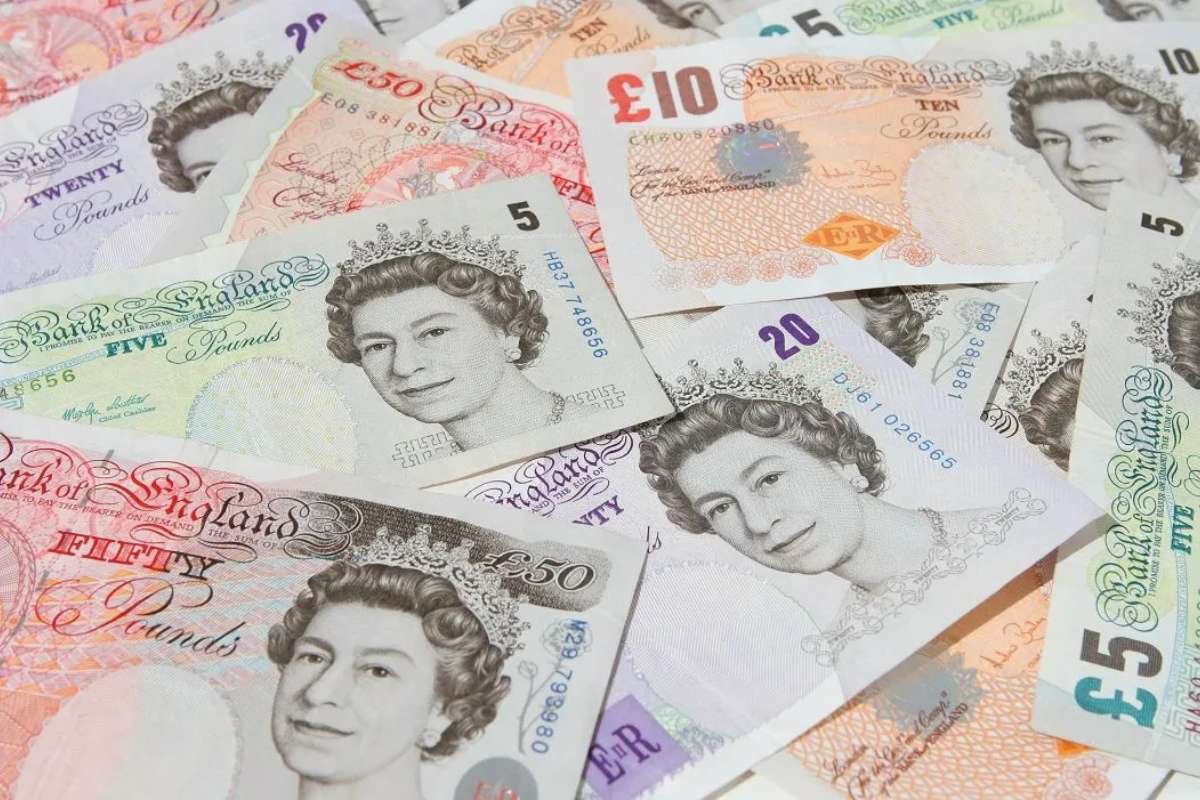
- Country: United Kingdom
- Value vs USD: About $1.30 per pound
- Key Strength: Global financial influence
The British Pound is one of the oldest currencies still in use. London’s financial center creates high demand, with banks, hedge funds, and investment firms active daily. Its long history in trade and low inflation help keep its value strong. Clear monetary policies and global trust make the pound an important currency in world markets.
14. Australian Dollar
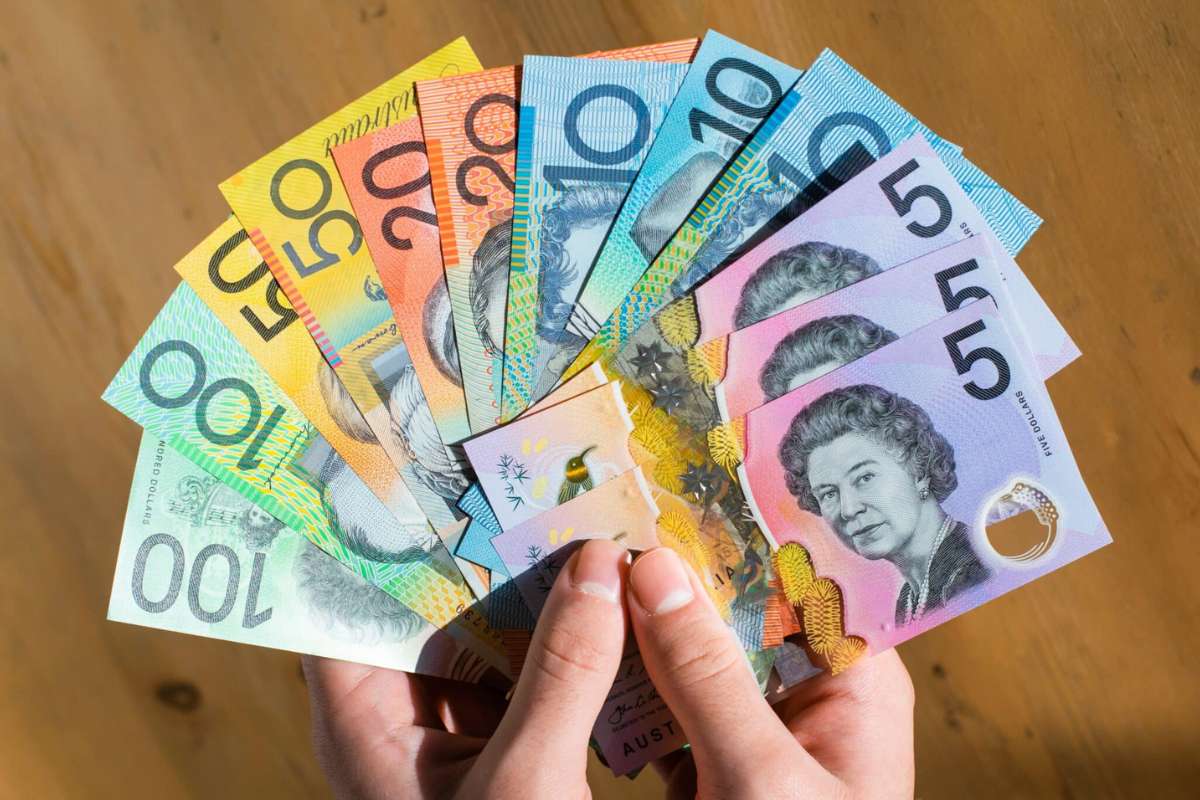
- Country: Australia
- Value vs USD: About $0.68 per dollar
- Key Strength: Commodity exports
The Australian Dollar is strong because of exports like iron ore, coal, and natural gas. High demand from Asian countries helps keep its value up. The Reserve Bank of Australia keeps it strong by maintaining low inflation and clear monetary policies. These steps secure its place in the rankings of the strongest currencies in the world. The currency often moves with global resource prices, making it important for trade and investment in the Asia-Pacific region.
15. Canadian Dollar
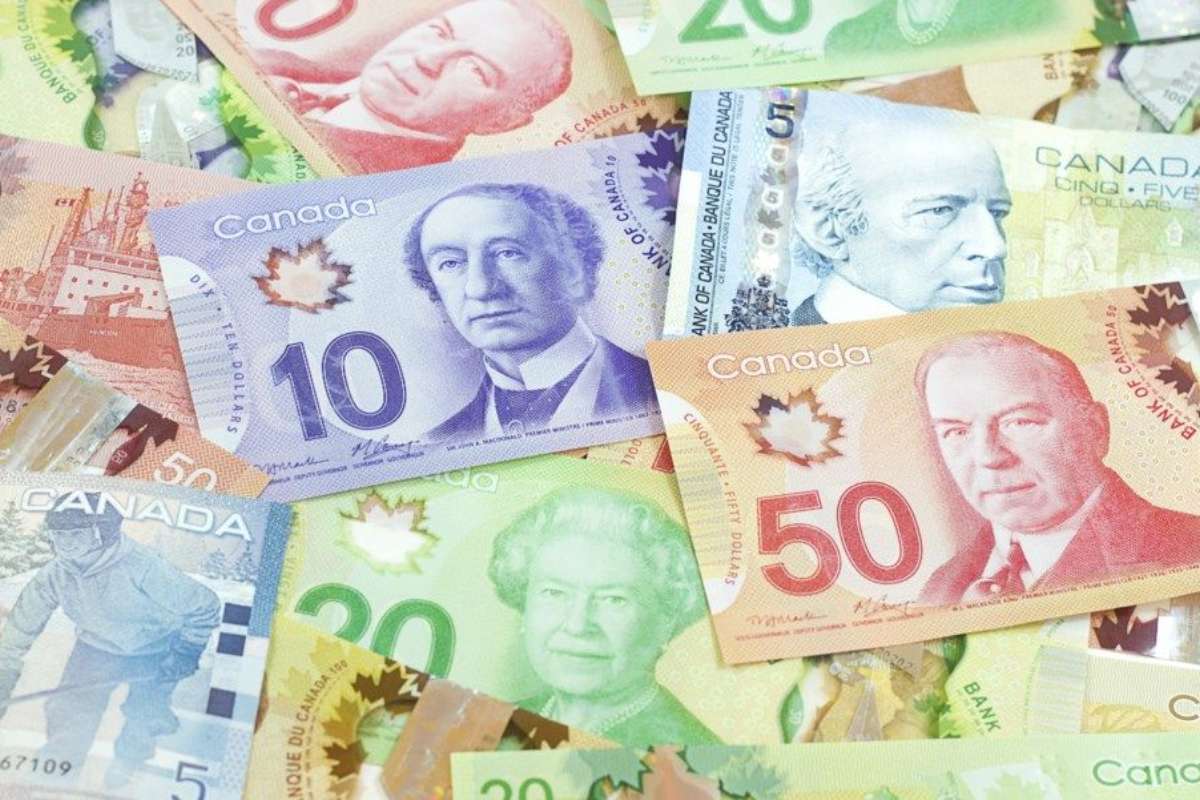
- Country: Canada
- Value vs USD: About $0.74 per dollar
- Key Strength: Commodity exports
Global prices for oil, minerals, and timber influence the Canadian Dollar. It appears on lists of the strongest currencies in the world because of steady exports and stable policies. Energy and resource exports bring in foreign money. Low inflation and a strong economy help the Canadian Dollar stay reliable and valuable in international trade.
You may also like: The Investing Secret Your Parents Wish They Knew: ETF vs Mutual Funds
Why Gulf Countries Dominate the Strongest Currency Rankings?
Several of the strongest currencies in the world come from Gulf economies like Kuwait, Bahrain, and Oman. Their high-value currencies come from oil wealth and smart economic policies. Each country uses revenue, currency rules, and reserves to keep its money strong.
Core Economic Drivers
- These countries earn most of their income from oil and gas. Kuwait, for example, gets about 90% of its government revenue from oil.
- Small populations combined with high energy revenue result in strong per capita income and low unemployment, supporting economic stability.
- Governments manage spending carefully to avoid weakening the currency through excess money supply, unlike some larger Gulf countries.
- Bahrain and Oman peg directly to the USD, while Kuwait uses a currency basket. It provides stability and flexibility against global fluctuations.
- Large reserves and funds, such as Kuwait’s sovereign wealth fund, back the currency and protect it from market shocks.
- Investments beyond oil help reduce long-term dependence on hydrocarbons and strengthen currency stability.
- Strong currencies offer high buying power, making them attractive for trade and investment, though convertibility outside oil trade is limited.
Which Currency is Most Widely Used Worldwide?
A currency with the highest value does not always control global trade. Even if they rank in the list of strongest currencies in the world, the U.S. dollar still dominates global trade and finance.
Governments, banks, and companies use the dollar for international payments, loans, and commodity pricing.
A 2025 analysis from the Federal Reserve shows how large this role is. In 2024, the dollar made up about 58% of global foreign exchange reserves held by central banks. Other major currencies were far behind.
The dollar also dominates trade invoicing worldwide. It appears in about 96% of trade invoices in the Americas, 74% in the Asia-Pacific region, and 79% in most other regions.
The dollar also plays a major role in global finance. It accounts for:
- About 50% of international payments are made through the SWIFT system
- Around 55-60% of global banking claims and liabilities
- Roughly 60% of foreign-currency debt issuance
- About 88% of foreign exchange market transactions
Major commodities such as crude oil and gold are priced and traded in U.S. dollars. Central banks keep large dollar reserves to support trade and stabilize their economies.
This strong global demand explains why the U.S. dollar remains the world’s main reserve currency, even though some other currencies have a higher value per unit.
Conclusion:
Currency rankings often surprise many. When you look at the strongest currencies in the world, the Kuwaiti dinar still holds the top position. Oil wealth, strict monetary policy, and a stable economy support this position.
However, the exchange rate alone does not define global influence. The U.S. dollar still dominates international trade and finance. It remains the backbone of the global monetary system.
Understanding this difference helps you see the bigger picture behind currency strength.
FAQs
Q. Why do some small countries have stronger currencies than large economies?
Small countries can maintain high currency values if they control the money supply and have strong export revenue.
Q. Can the strongest currencies in the world change over time?
Yes, currency rankings shift as exchange rates change due to inflation, interest rates, and global demand.
Q. Why don’t countries just increase their currency value to make it stronger?
Artificially raising currency value can hurt exports by making goods more expensive for international buyers.
Q. Which currencies are considered the most stable in the world?
Currencies like the Swiss franc, Singapore dollar, and U.S. dollar are widely viewed as stable due to strong economies and low inflation.
Q. Do strong currencies help travelers and investors?
Yes, stronger currencies increase international purchasing power and often signal economic stability for investors.