
The U.S. Department of Education has announced it will end $350 million in discretionary funding for several grant programs at minority-serving institutions (MSIs), including Historically Black Colleges and Universities (HBCUs) and Hispanic-Serving Institutions (HSIs). These colleges and universities, which enroll a significant percentage of minority students, have long received federal support aimed at enhancing educational opportunities for underrepresented groups.
Funding Shift Affects Minority-Serving Colleges
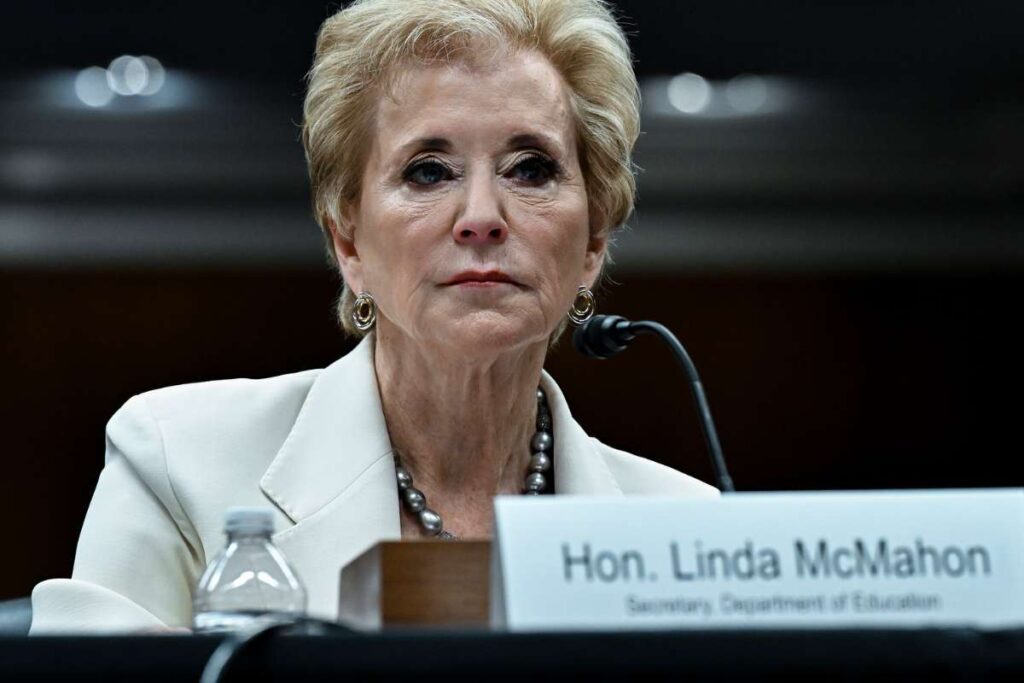
The department’s announcement states that it will no longer award grants that restrict eligibility based on racial or ethnic quotas. Secretary of Education Linda McMahon emphasized that “discrimination based upon race or ethnicity has no place in the United States,” and stated that diversity should not be limited to race alone. She added that students should be assessed based on individual merit, character, and resilience rather than assumptions tied to group membership.
The U.S. Department of Education explained that the $350 million previously allocated to these programs will now be “reprogrammed into programs that do not include discriminatory racial and ethnic quotas and that advance Administration priorities.” The goal is to ensure that institutions supporting students from underprepared or under-resourced backgrounds receive assistance without using racial criteria as a basis for funding.
Potential Impact on Students and Colleges
This decision comes amid ongoing debates about how best to support institutions that serve minority populations. Colleges qualify as HSIs when at least 25% of their undergraduate students identify as Hispanic, among other criteria. The designation allows them access to additional funding aimed at improving educational resources and outcomes for their students.
A federal lawsuit filed in June by the state of Tennessee and the group Students for Fair Admissions challenges the legality of such race-based programs. In response, the Department of Justice announced it would not defend the longstanding grant program administered by the U.S. Department of Education, arguing it may be unconstitutional. The Hispanic Association of Colleges and Universities has since intervened in the case to advocate for the continuation of support.
Several academic leaders, including nine Massachusetts college presidents, have raised concerns about the potential consequences of this shift. They warn that the elimination of funding could significantly affect the resources and services available to students in regions that rely heavily on these grants. Many fear that students from historically underserved communities could face reduced support at a time when higher education is already grappling with rising costs and enrollment challenges.
The administration has indicated that it will work with Congress to redesign the funding approach in ways that maintain support for disadvantaged students while avoiding criteria based on race or ethnicity. Officials assert that the new programs will focus on institutions that serve students with academic and financial barriers, without reliance on demographic thresholds.
For students and teachers, this change signals a shift in how educational equity programs are structured. While funding will still be directed toward helping students from underserved backgrounds, institutions may need to adjust how they qualify for and apply for federal support. Colleges are expected to continue exploring alternative strategies to support student success and ensure that all students have access to high-quality education, regardless of their background.
As universities navigate these changes, communication with students about their educational pathways and available resources will be essential. The coming months are likely to bring further discussions and adjustments as stakeholders seek solutions that balance fairness, opportunity, and academic excellence.
Visit more of our news! Future Education Magazine.