
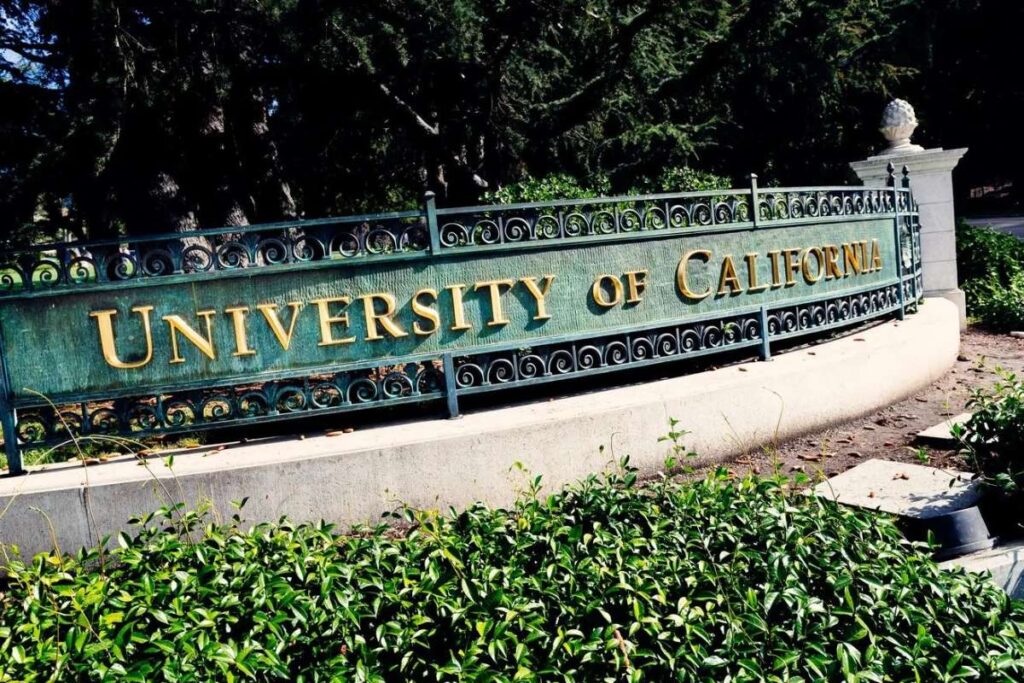
The University of California has delayed a planned $1.5 billion municipal bond sale that was scheduled for mid-August, a move that could have implications for projects across its 10 campuses and six academic health centers.
The decision, was confirmed by market documents but has not been directly addressed by university officials. Spokespeople for the University of California and Bank of America Corp., the joint senior manager, declined to comment on the matter.
Financing Critical Campus and Research Projects
The planned transaction included two tranches of general revenue bonds — $825 million and $675 million — with an AA rating from Fitch Ratings, indicating strong financial health. According to Fitch, the proceeds were earmarked for a variety of infrastructure and academic initiatives. These included improvements across campuses, investments in student housing, and expansions within the university’s six academic medical centers.
Such bond sales are a standard method for large higher education systems to fund long-term capital projects. For the University of California, a leading public research institution, this financing strategy is particularly important to sustain modernization, maintain competitiveness, and expand facilities that support students, faculty, and healthcare delivery.
Impact on Higher Education Operations
The pause in issuing the bonds could affect the timing of planned upgrades and expansions. With more than 280,000 students enrolled and extensive research operations, the University of California system relies on consistent access to capital markets to maintain its standing as a global leader in higher education.
Capital raised through bonds often supports projects that directly impact the student experience, from dormitory availability to upgraded laboratories. In addition, the university’s six academic health centers serve as critical hubs for both medical education and patient care, meaning delays in funding could have broader consequences beyond the campus community.
The university’s bond ratings remain strong, suggesting its long-term credit outlook is stable. However, any extended delays in accessing capital markets could complicate timelines for infrastructure development and place additional pressure on operating budgets.
Broader Implications for University Financing
Across the United States, higher education institutions often depend on municipal bond markets to finance growth and modernization. The University of California’s decision to pause such a large issuance highlights the sensitivity of universities to market conditions and external factors that can influence investor confidence.
With demand for new student housing, research facilities, and medical center upgrades continuing to grow, the ability to secure affordable financing remains a cornerstone of long-term planning. The situation underscores how intertwined higher education operations are with financial markets, where timing and stability can make a significant difference in project execution.
Looking Ahead
While the University of California has not provided further details on when or if the $1.5 billion bond sale will be rescheduled, the institution is expected to continue seeking financing avenues to support its extensive commitments in teaching, research, and healthcare.
For faculty, students, and staff, the immediate impact may not be visible. However, delays in capital project funding could gradually affect areas such as housing availability, research infrastructure, and healthcare expansion — all of which are central to the university’s mission.
As one of the largest and most prestigious public university systems in the United States, the University of California’s financial strategies are closely watched by both the education community and investors. Its decision to halt the bond sale serves as a reminder of how financial markets directly influence the pace and scope of higher education development.