
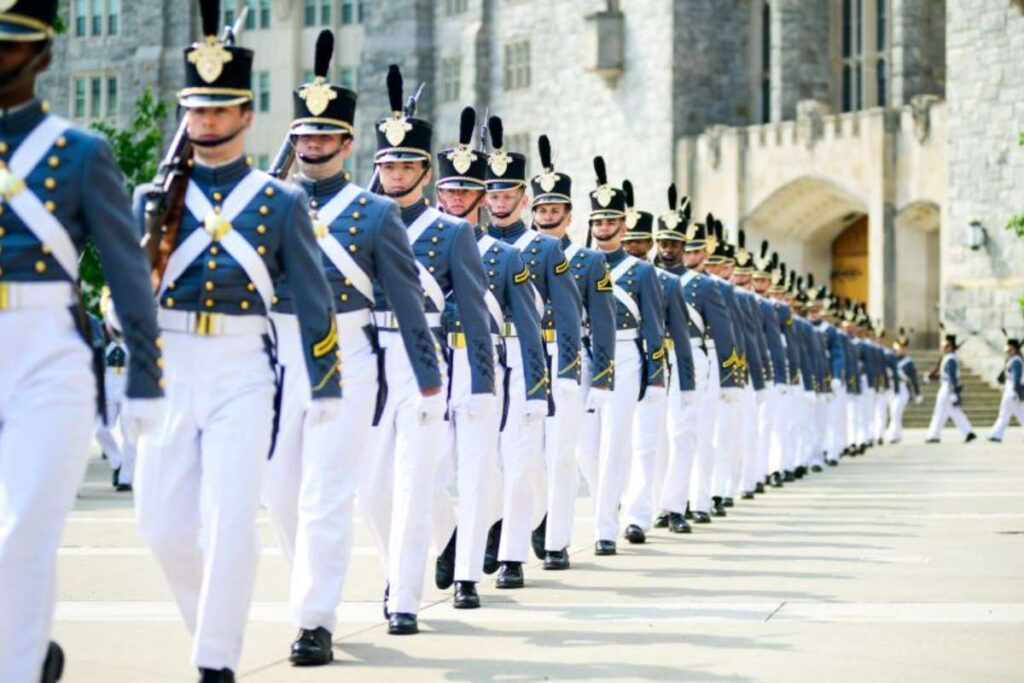
What images come to your mind when you think of “Military School”? Perhaps you see strong individuals in clean uniforms, marching straight and true? Or, is your imagination of a place with an almost legendary discipline, where every move is specific, and every lesson is serious? Military schools are often talked about in respectful tones with a certain amount of curiosity. They are a well-established part of the education world. However, how much do you know about what happens as you enter their well-disciplined gate?
More than one area where academic learning occurs, military schools create an atmosphere that is different from the standard classroom experience. They take the hallway and swap it for drills in formation.
A student desk is exchanged for a program of coordinated scissor drilling. An emphasis only on grades is exchanged for an emphasis on character, leadership, and resilience. So, what drives this difference, and what transformation awaits a student who attends a military school? The answers may surprise you and reveal a world of education that is nothing like you have ever experienced before.
What are Military Schools? Why Is Admission to This School Very Hard?

Military schools provide an alternative educational opportunity that incorporates a challenging curriculum with character development, emphasizing the skills of honor, respect, and discipline in a way that can invoke a deep connection with teenagers. Contrary to the popular myth, these environments are neither oppressive nor strict. Instead, they are structured environments that provide a supportive atmosphere where students still have plenty of time for activities, sports, and socializing after they participate in an active program that seeks to nurture their leadership and readiness for college-level studies or a service academy.
Admission to these schools is highly competitive for several reasons:
1. Limited Seats and High Demand:
These institutions offer a niche form of education combining academics with military training. Since the seats are limited and demand is high, only the best candidates make the cut.
2. Physical and Mental Standards:
Unlike regular schools, military academies have strict physical fitness requirements. Students must pass tough entrance exams, psychological assessments, and personal interviews.
3. Background Checks:
These schools often require flawless personal records. Past academic performance, discipline, leadership potential, and even family background can influence selection.
4. Long-Term Commitment:
Many institutions expect students to continue into military service after graduation. Hence, only highly motivated candidates willing to make this commitment are chosen.
Top Military Schools in the World:
1. United States Military Academy (West Point)
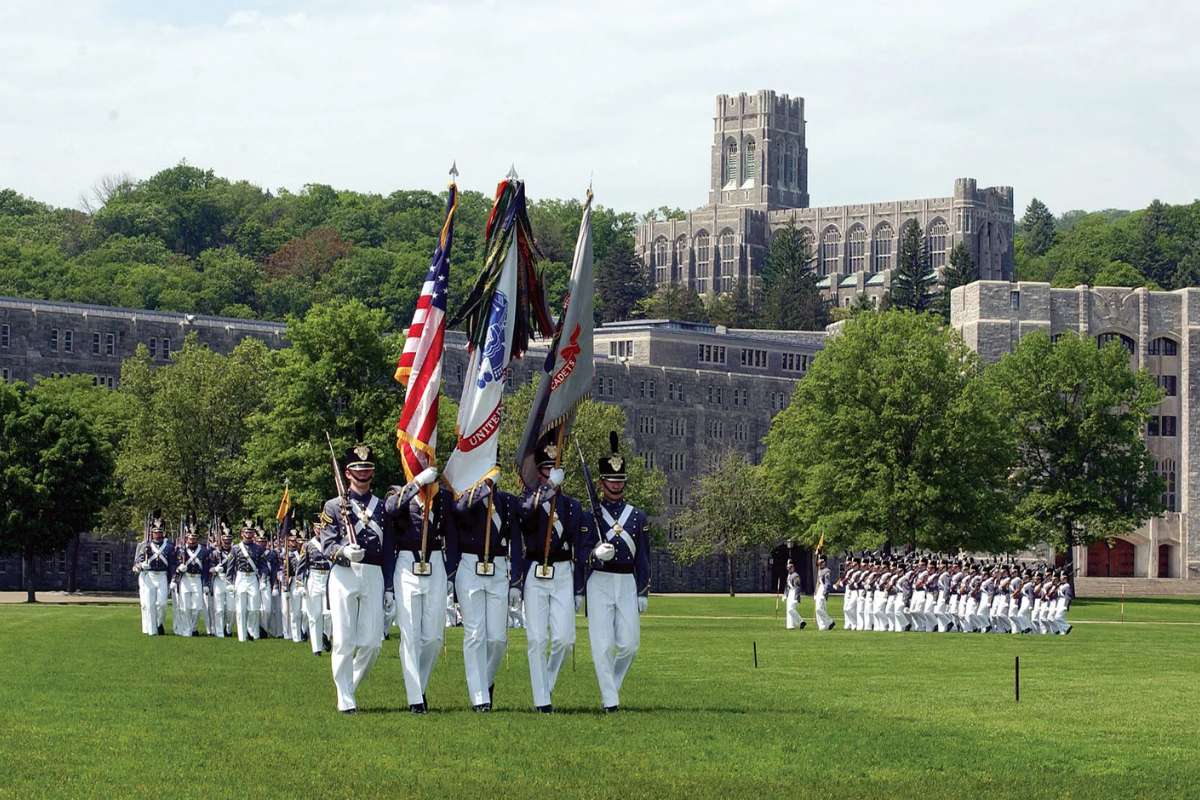
Location: West Point, New York
The United States Military Academy at West Point is one of the premier military academies in the world. In 1802, West Point was established, and it has a long history of developing military leaders. The academy offers an education that combines academics with military training. Upon graduation, cadets will earn a Bachelor of Science and be commissioned as Second Lieutenants in the US Army.
2. United States Naval Academy (Annapolis)

Location: Annapolis, Maryland
The United States Naval Academy, founded in 1845, trains midshipmen to serve as officers in the Navy and Marine Corps. The academy awards a Bachelor of Science degree and requires participation in all leadership and training programs related to physical development. The goal is to develop midshipmen morally, mentally, and physically.
3. United States Air Force Academy

Location: Colorado Springs, Colorado
The United States Air Force Academy is focused on preparing individuals to be leaders in the Air Force. The cadets go through a rigorous academic curriculum and a comprehensive military training program. The academy confers a Bachelor of Science degree and, upon graduation, the cadet is commissioned as a Second Lieutenant in the Air Force. The academy is known for its focus on aeronautics and engineering.
4. Virginia Military Institute (VMI)
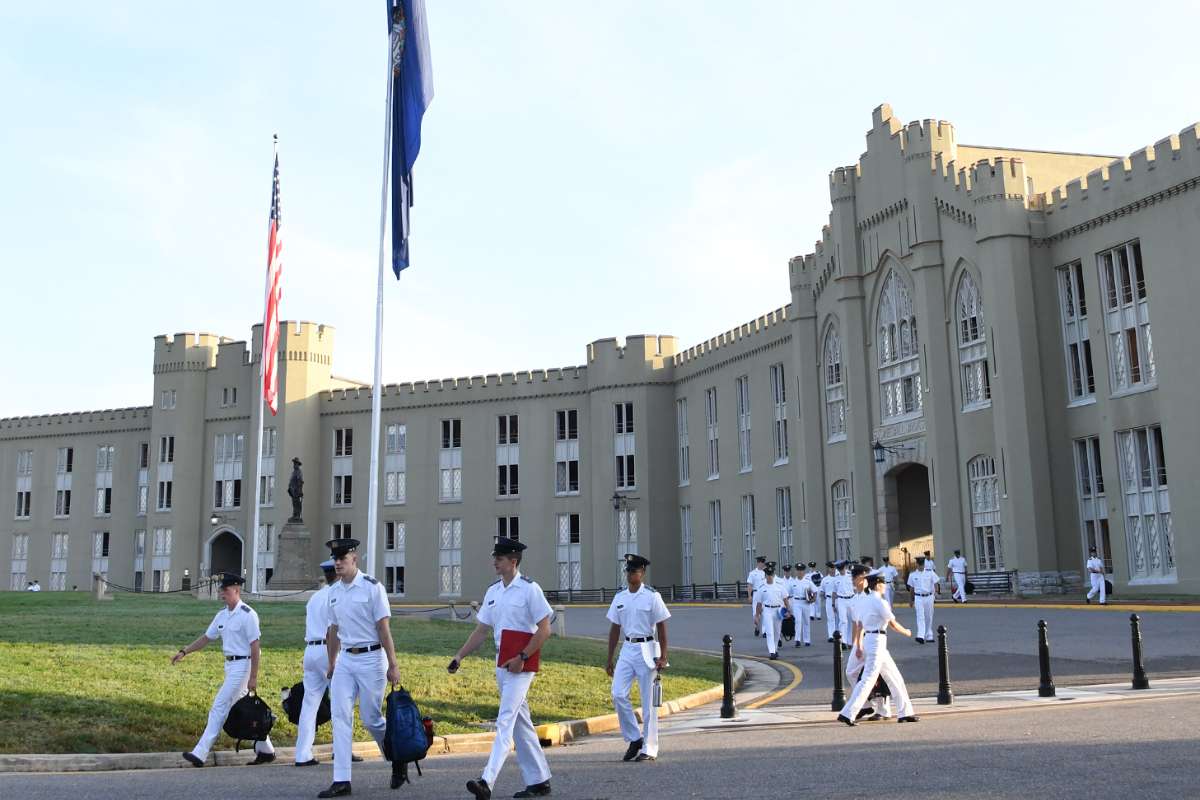
Location: Lexington, Virginia
The Virginia Military Institute is the oldest state-supported military college in the country, and it delivers a vigorous academic program with an emphasis on military discipline and physical fitness. VMI will confer a Bachelor of Arts or Bachelor of Science degree, and graduates are free to pursue military or civilian careers. VMI is known for its strict honor code and alumni support.
Location: Charleston, South Carolina
5. The Citadel
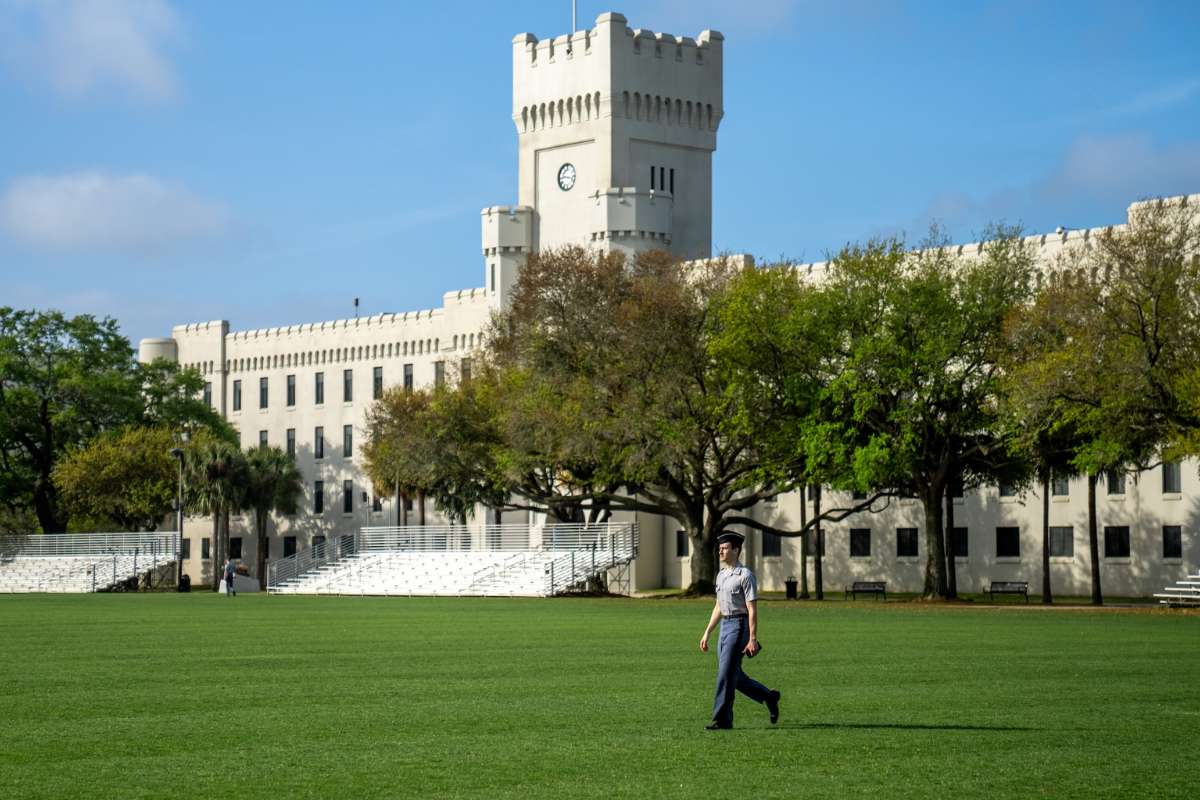
The Citadel, or The Military College of South Carolina, is unique in providing cadets a rigorous academic program of studies along with a military disciplined campus experience. Cadets can choose between many undergraduate degrees and leadership training programs. The Citadel has a strong emphasis on character development and leadership.
6. Texas A&M University Corps of Cadets
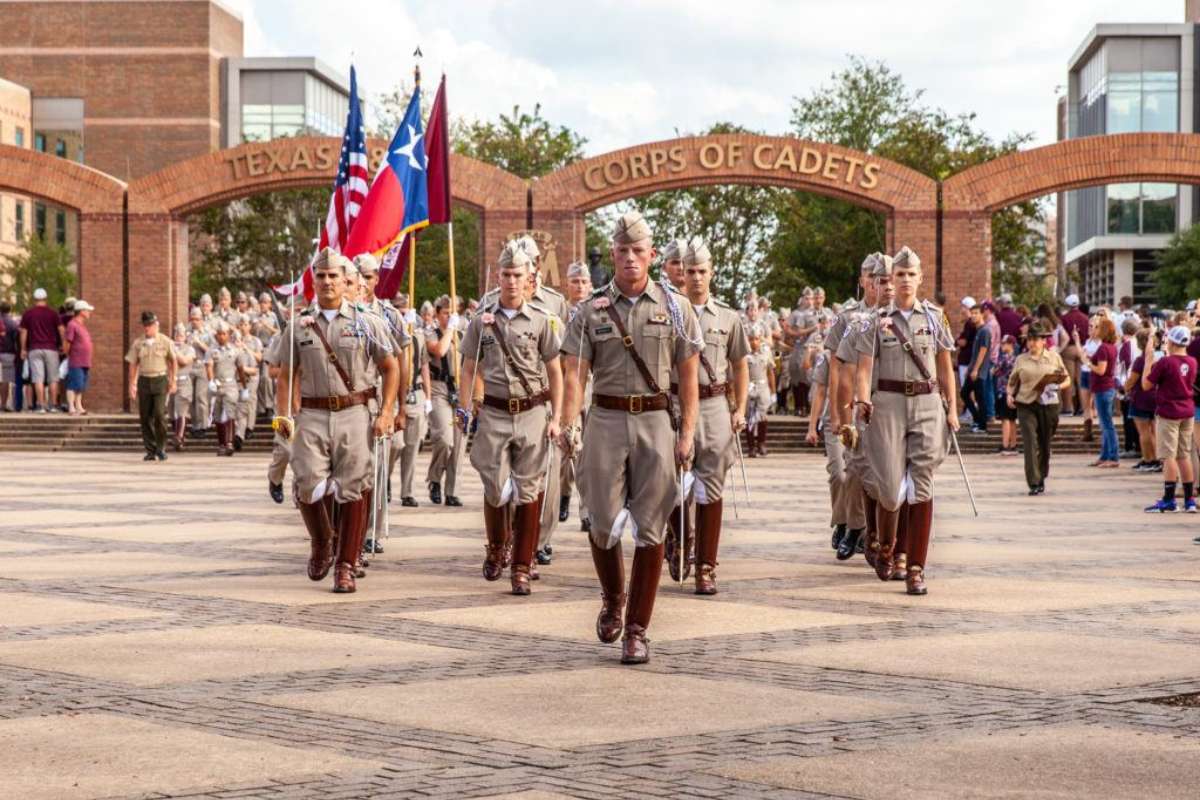
Location: College Station, Texas
The Texas A&M Corps of Cadets is one of the largest uniformed student bodies in the United States outside of the service academies. The university itself is a large public university, but the Corps of Cadets provides that military-like environment for students looking for military careers. All cadets may pursue any major the university offers, and they can be involved in formal leadership and physical training programs.
7. New Mexico Military Institute (NMMI)
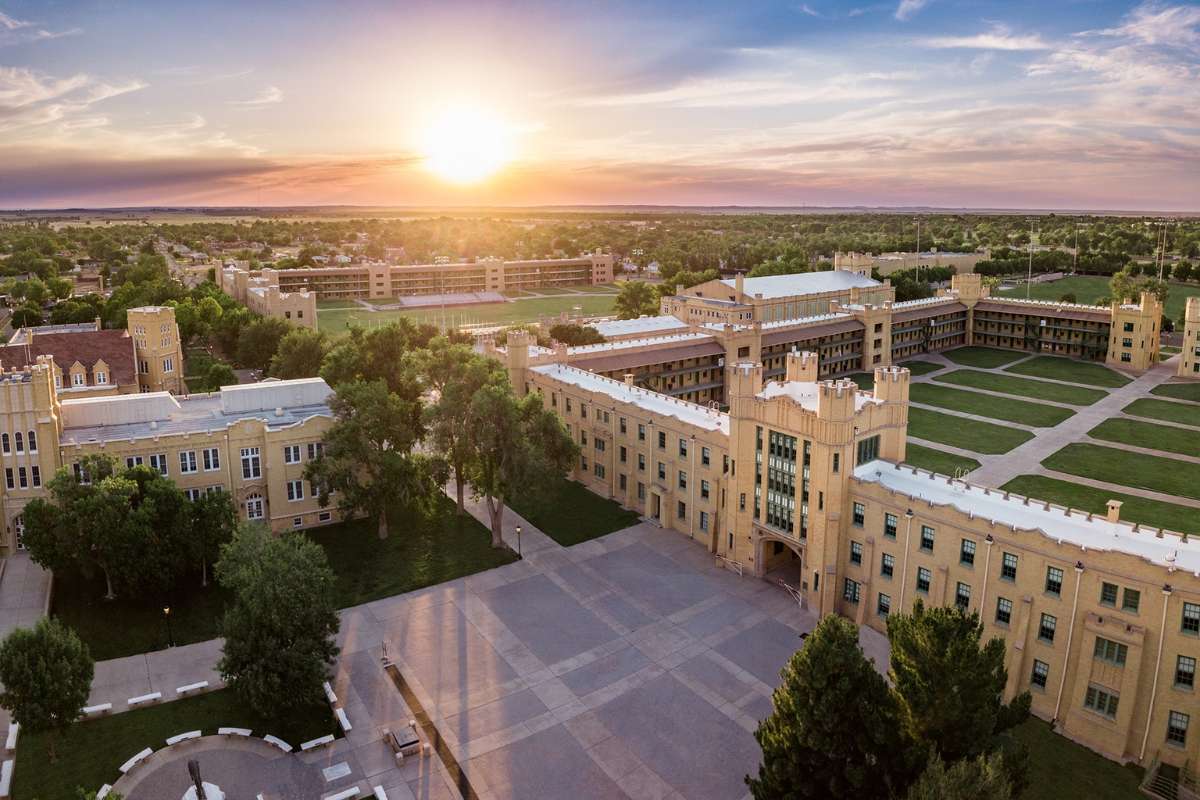
Location: Roswell, New Mexico
New Mexico Military Institute is a co-educational military junior college and high school. It provides structure, academics, and leadership training. NMMI graduates frequently transfer to senior military colleges or service academies. NMMI offers Associate of Arts and Associate of Science degrees.
Eligibility Criteria for Getting Admission in Military Schools:

Admission criteria differ by country and institution, but most military institutions have a few core eligibility requirements:
1. Academic Performance:
Most schools require a strong academic record, particularly in subjects like mathematics, science, and English.
2. Age Limit:
Candidates must fall within a specific age bracket, typically between 10 to 18 years for secondary military academy and 17 to 22 for academies like West Point.
3. Physical Fitness:
All applicants must pass physical fitness tests. These often include running, push-ups, sit-ups, and sometimes swimming.
4. Medical Examination:
A complete health check-up is essential. Medical fitness is a mandatory requirement for most institutions.
5. Aptitude Tests and Interviews:
Many schools conduct entrance exams followed by personal interviews to assess character, leadership qualities, and psychological readiness.
6. Citizenship or Nationality:
In most countries, only citizens are eligible. However, some international students may be accepted under exchange or special programs.
Conclusion:
Military schools aren’t simply educational schools; they are enabling environments to mold resilient, disciplined, and strategically driven minds ready to take on leadership positions. With rough admission requirements, on-site world-class training, and improved gender diversity, the military school uniquely marks itself as a hotspot of excellence!
Whether the intention is to pursue a defense career or experience an educational model in whole, military school provides an experience that can only truly be matched elsewhere by similarly few schools. The role of military school remains relevant throughout the world, and being granted acceptance into a military school may just be the launch pad into a magnificent future.
FAQ:
1. Why do parents send their kids to military school?
Parents may choose to send their children to military school for a variety of reasons, often including character development, a structured environment, academic excellence, and the development of important life skills.
2. What is the #1 military school in the US?
West Point is the world’s preeminent leader development institution. Members of the Long Gray Line live by the motto “Duty, Honor, Country” and serve as leaders both in and out of uniform.
3. At what age can you send a kid to military school?
Military schools in the U.S. are typically geared for 11-year-olds to 17-year-olds. They offer a highly structured daily schedule to provide students with the motivation to achieve at their highest potential.