

Education shapes how societies think, work, and grow. Some nations invest deeply in learning, building strong school systems, skilled workforces, and cultures that value knowledge. The most educated countries in the world stand out for high literacy rates, advanced degrees, and access to quality education across age groups.
Looking at these countries helps you understand how education influences income, innovation, and quality of life. It also shows how long-term focus on learning can lift entire populations and create global leaders in science, technology, and culture.
The Top 10 Most Educated Countries in the World Explained
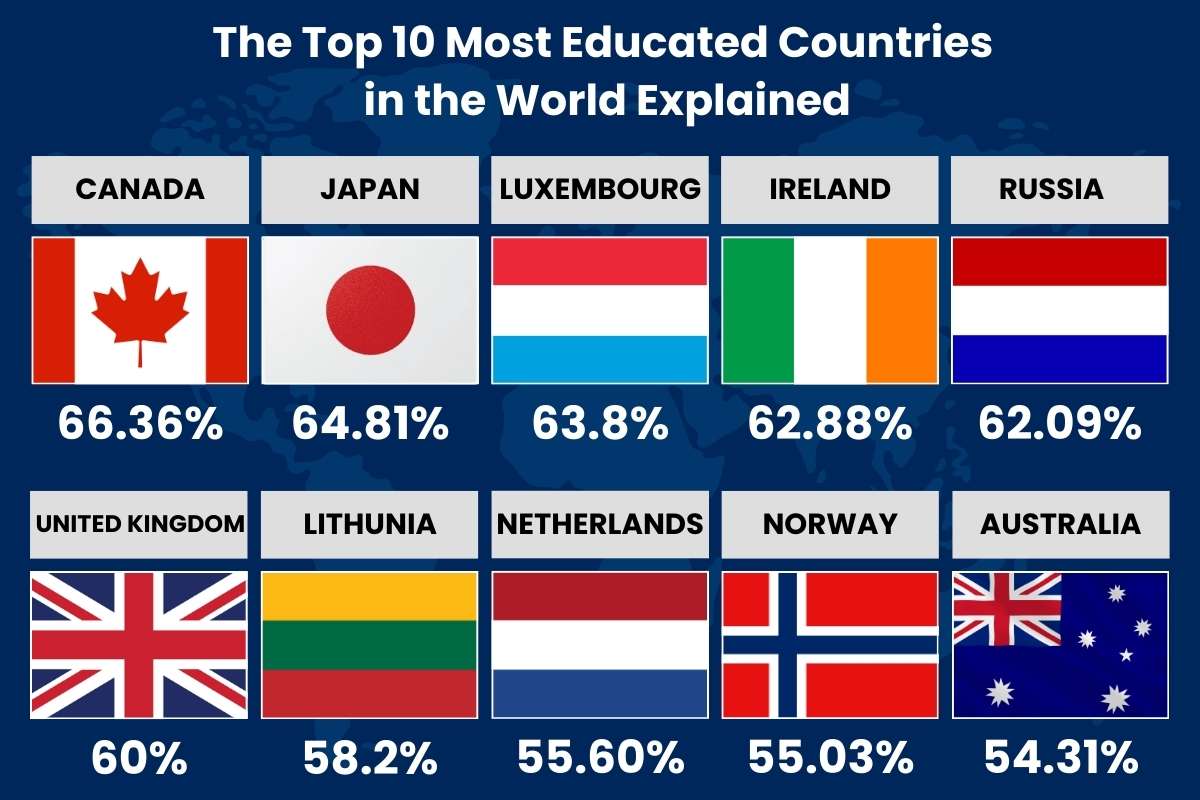
Education shapes opportunity, income, and long-term stability. Some countries invest early, stay consistent, and build systems that reward learning.
The most educated countries in the world did not reach the top by chance. Strong policies, access, and clear goals pushed them ahead. We have ranked these countries according to their tertiary education attainment. Tertiary education attainment means the share of adults who have completed education after high school.
This level includes diplomas, associate degrees, bachelor’s degrees, and higher qualifications. Universities, colleges, and technical institutes provide this education.
| Rank | Country | Tertiary Education Attainment | Literacy Rate |
| 1 | Canada | 66.36% | 99% |
| 2 | Japan | 64.81% | 99% |
| 3 | Luxembourg | 63.8% | 100% |
| 4 | Ireland | 62.88% | 99% |
| 5 | Russia | 62.09% | 99.7% |
| 6 | United Kingdom | 60% | 99% |
| 7 | Lithuania | 58.2% | 99.8% |
| 8 | Netherlands | 55.60% | 99% |
| 9 | Norway | 55.03% | 100% |
| 10 | Australia | 54.31% | 99% |
1. Canada

- Tertiary education attainment: 66.36%
Canada ranks first among the most educated countries in the world due to long-term public investment in education. The country treats higher education as a public good, not a luxury. Universities receive steady government funding, which helps keep tuition lower than in many peer nations. Canada also benefits from a strong community college system. These colleges focus on job-ready skills and practical training. Many students move easily from colleges to universities. This flexible path helps more people earn degrees over time.
Another key factor is immigration. Canada attracts skilled migrants with university degrees. Many stay, work, and contribute to the economy. This raises the overall education level of the population.
2. Japan
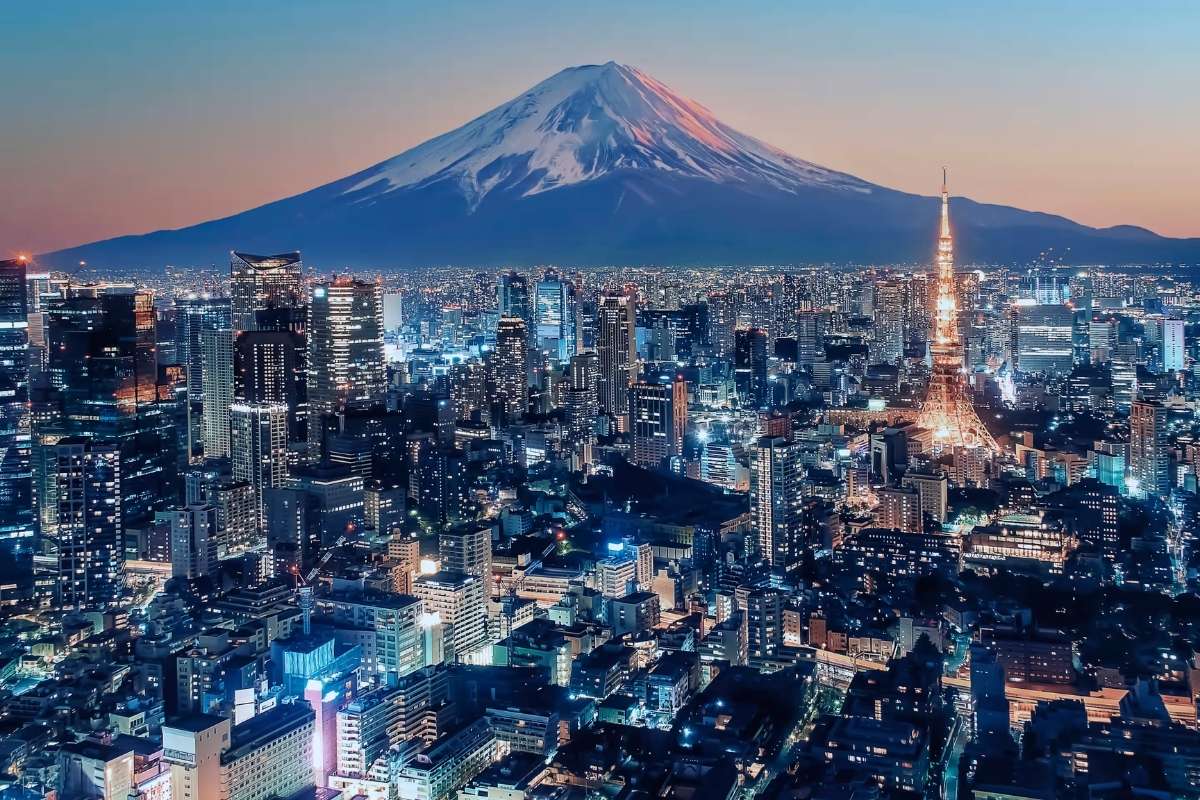
- Tertiary education attainment: 66%
Japan built its education system around discipline, consistency, and high standards. The country emphasizes strong foundations in math, science, and reading from an early age. This prepares students well for advanced study later. Higher education in Japan blends tradition with innovation. Universities focus on engineering, technology, and applied sciences. These fields align closely with Japan’s industrial and research needs.
Corporate culture also supports education. Many companies value degrees and invest in employee training. This creates a clear link between education and career growth. As a result, students see real value in earning higher qualifications.
Japan also supports lifelong learning. Adults return for certifications and advanced courses. This keeps skills current in a fast-changing economy.
3. Luxembourg
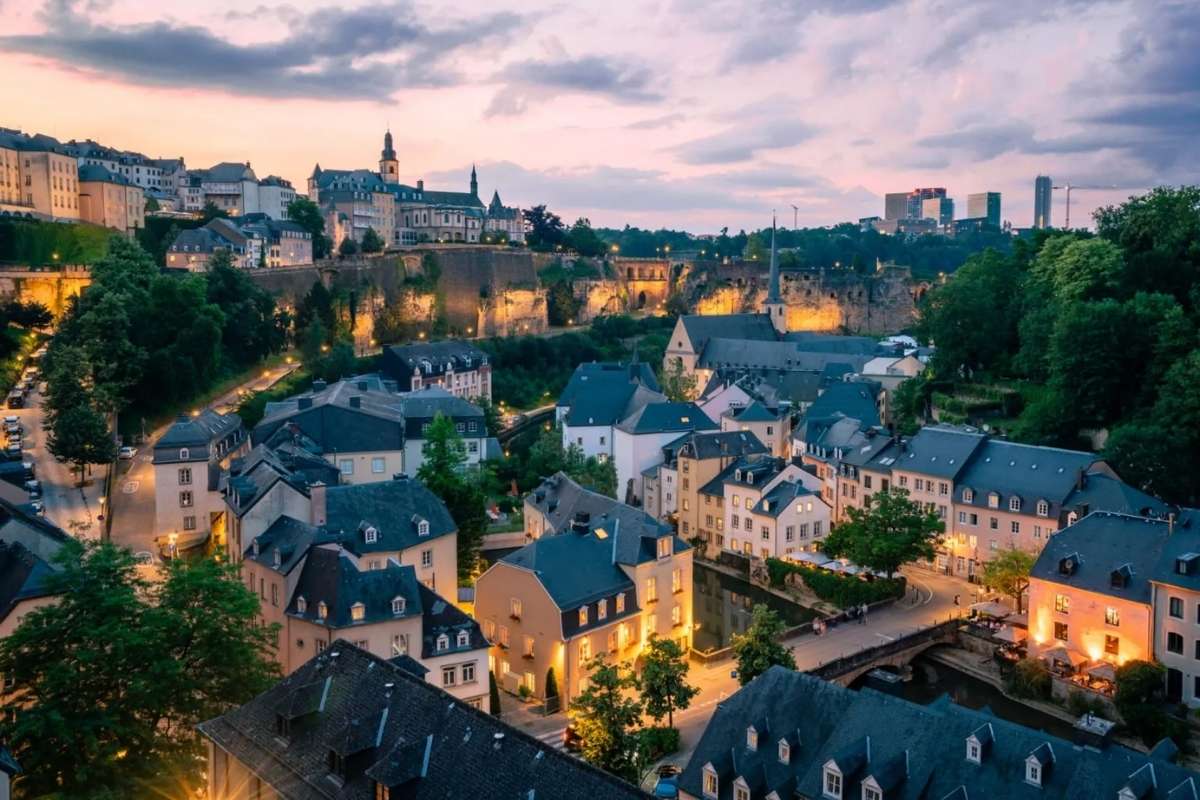
- Tertiary education attainment: 63.8%
Luxembourg’s small size works in its favor. The country can focus resources on quality rather than scale. Education policies target access, multilingual skills, and global relevance.
Students often study in more than one language. This includes French, German, and English. Multilingual education improves learning outcomes and global mobility.
Luxembourg encourages students to study abroad. Many return with international degrees and experience. This raises the overall education level at home.
The country also hosts research centers tied to finance and technology. These institutions attract skilled professionals. Together, these factors help Luxembourg remain one of the most educated countries in the world.
4. Ireland

- Tertiary education attainment: 62.88%
Ireland transformed its education system over the last few decades. The government invested heavily in higher education to support economic growth. This strategy paid off.
Universities and institutes of technology focus on science, technology, engineering, and math. These programs align with Ireland’s strong tech and pharmaceutical sectors. Global companies now rely on Ireland’s skilled workforce.
Education access remains broad. Public funding and grants support students from different income levels. This reduces dropout rates and increases degree completion.
Ireland also promotes research partnerships. Universities work closely with industry. This keeps education relevant and practical.
Also Read: Are You Choosing the Wrong Degree? Undergraduate vs Graduate Degrees Explained
5. Russia
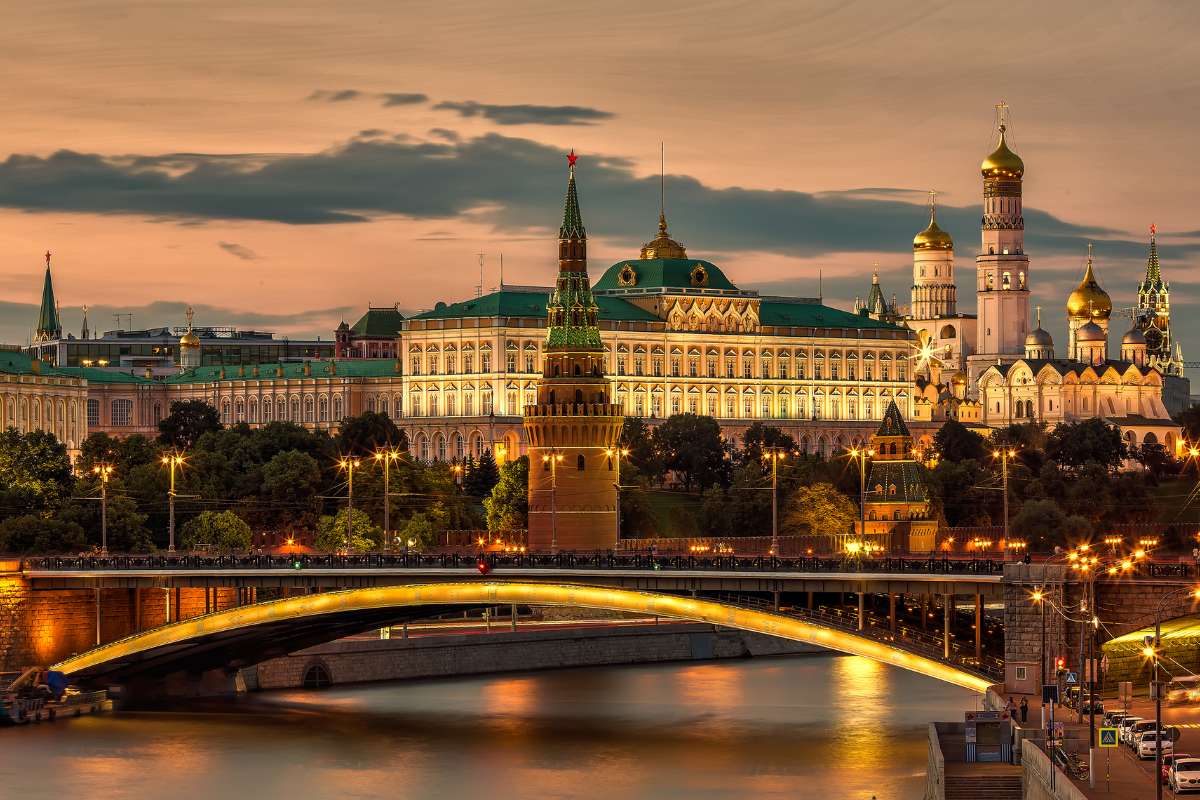
- Tertiary education attainment: 62.09%
Russia inherited a strong academic tradition from the Soviet era. The country emphasized universal education and technical training for decades. This legacy still shapes today’s system. Russian universities excel in science, engineering, and mathematics. These fields receive strong state support. Many students pursue advanced degrees in research-heavy disciplines. Together, these efforts keep Russia among the most educated countries in the world.
Higher education remains affordable for many citizens. Public universities offer subsidized seats. This allows students from diverse backgrounds to enroll. Russia also invests in elite research institutions. These centers drive innovation and academic output.
6. United Kingdom
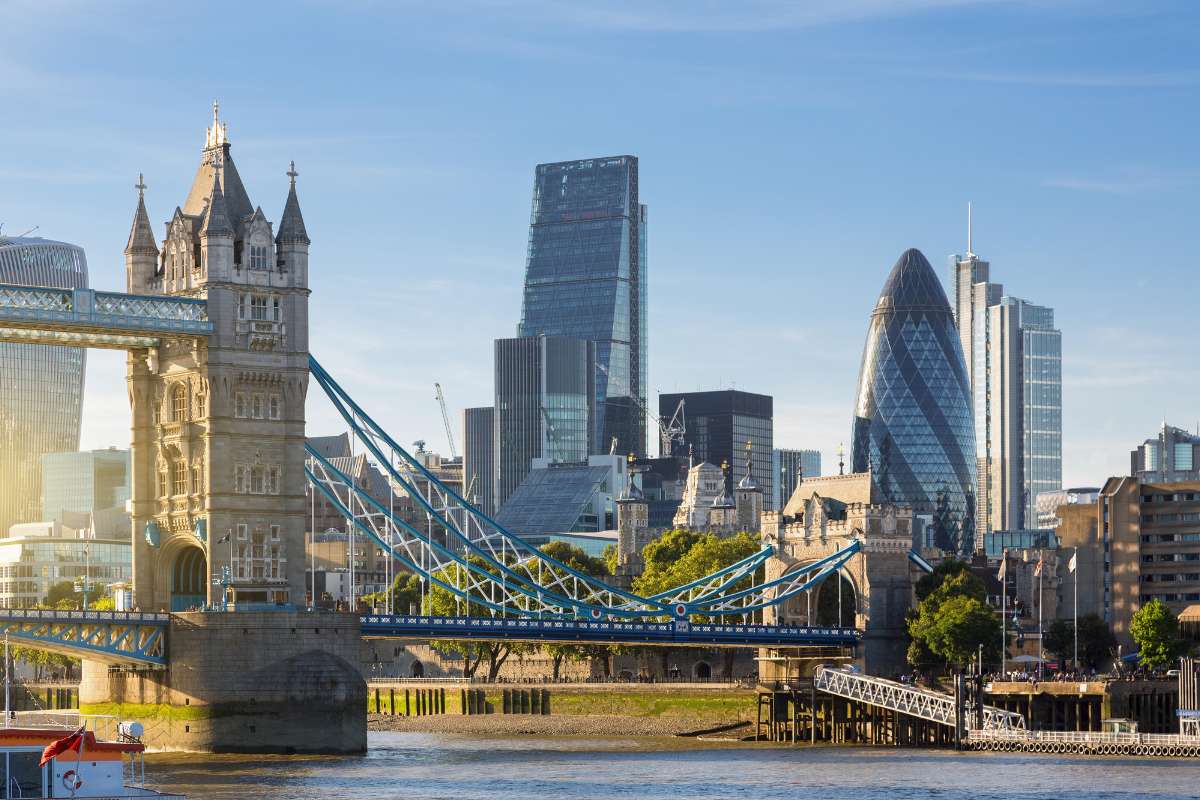
- Tertiary education attainment: 60%
The United Kingdom has one of the oldest higher education systems in the world. Universities like Oxford and Cambridge set global benchmarks. This tradition continues today. The UK offers a wide range of degree options. Students can choose academic or vocational paths. This flexibility helps more people complete higher education.
Research plays a major role. UK universities receive strong funding for innovation and discovery. This keeps the UK firmly among the most educated countries in the world. It attracts global talent and partnerships. International students also contribute. They strengthen campus diversity and academic output.
7. Lithuania
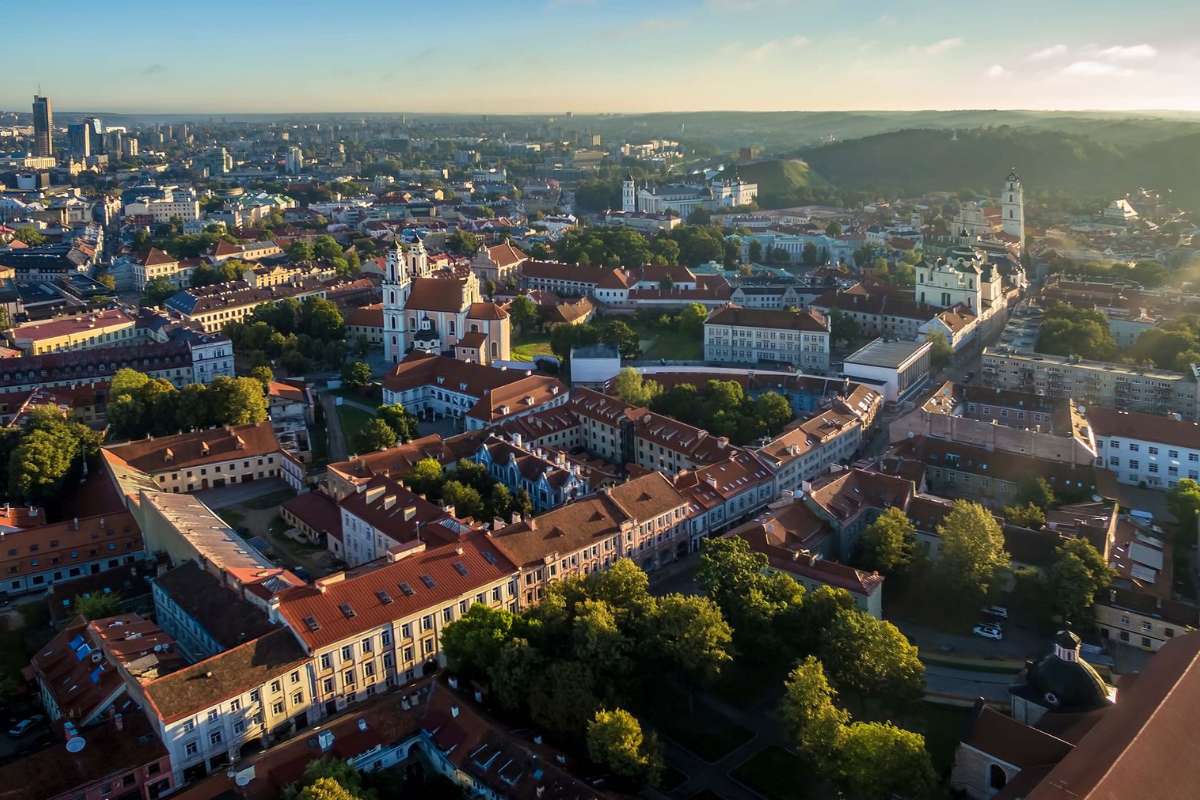
- Tertiary education attainment: 58.2%
Lithuania made education a national priority after independence. The country reformed its system to match European standards. This opened doors to global academic networks. Higher education participation remains high. Universities and colleges offer flexible programs. Many students combine study with work.
Lithuania also focuses on digital skills. Coding, IT, and data science programs attract young learners. This prepares graduates for modern jobs. Public support helps control costs. Scholarships and state-funded places improve access. These steps support steady growth in degree attainment.
8. Netherlands
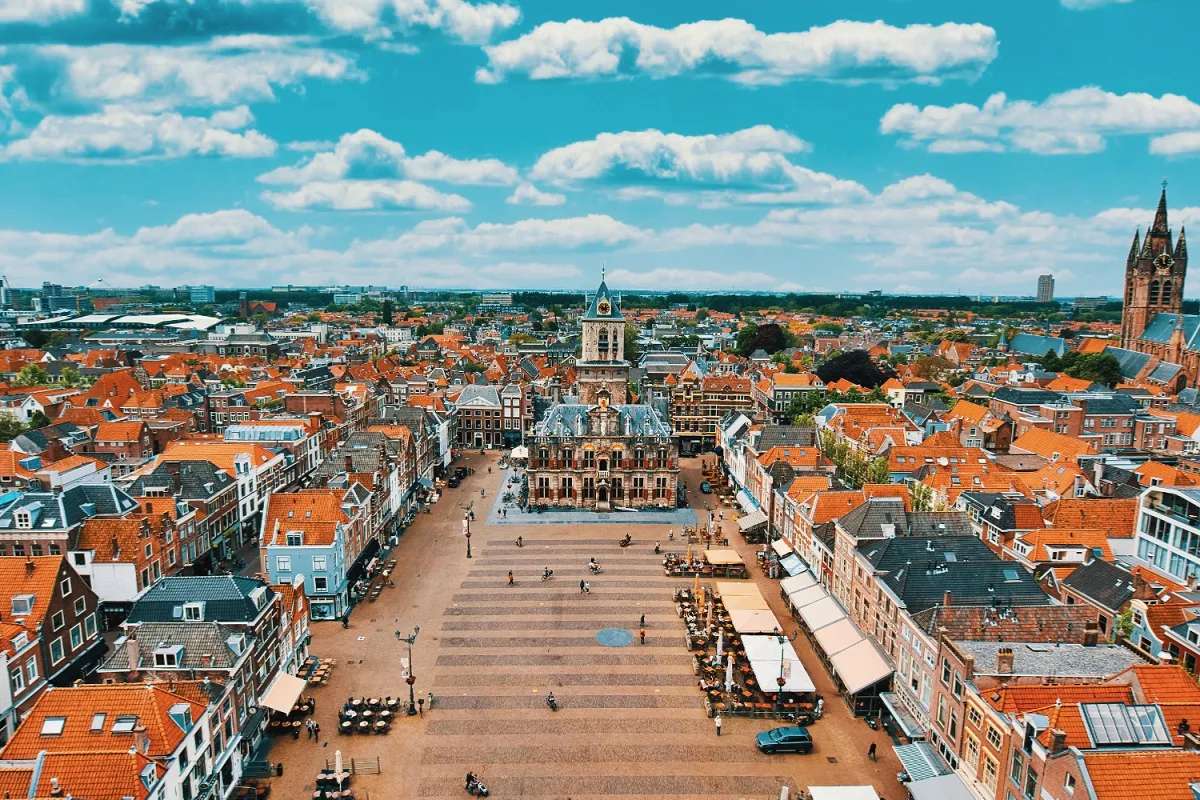
- Tertiary education attainment: 55.1%
The Netherlands focuses on practical and student-centered education. Universities encourage discussion, problem-solving, and independent thinking. This approach improves learning outcomes. Higher education splits into research universities and applied sciences institutions. This gives students clear choices based on career goals. Both paths hold strong value.
Many programs use English as the teaching language. This attracts international students and faculty. Global exposure improves academic standards. Public funding keeps education accessible. Combined with strong quality controls, this supports high completion rates.
9. Norway
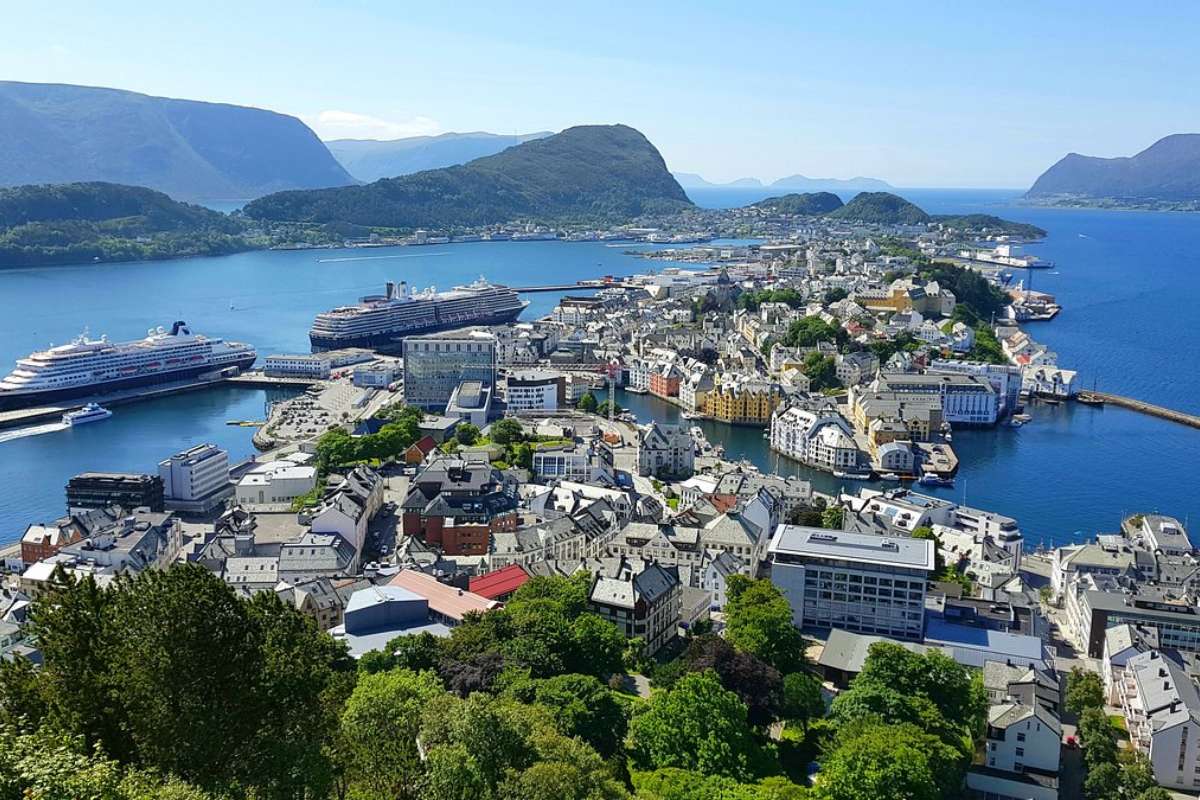
- Tertiary education attainment: 55.03%
Norway offers free higher education at public universities. This removes a major barrier for students. As a result, participation stays high across income groups. The country links education closely with welfare and employment. Students receive financial support during their studies. This reduces stress and dropout risk.
Norwegian universities emphasize research and sustainability. Many programs focus on energy, environment, and public health. These areas match national priorities. Lifelong learning also matters. Adults return for further study and training. This keeps the workforce skilled and adaptable.
10. Australia

- Tertiary education attainment: 54.31%
Australia has built a strong global reputation in higher education. Universities attract students from around the world. This boosts funding and academic exchange. The country supports research and innovation. Universities work closely with industry partners. This helps students gain practical experience.
Australia remains one of the most educated countries in the world, as it also invests in vocational education. Technical and further education colleges offer applied skills. Many students later move into degree programs. Government loans and grants support access.
Impact of Education on the Economy
Higher education directly supports economic growth. Countries with educated populations adapt faster to change. They also attract global investment. Educated workers earn higher wages. They also create more businesses and innovations. This strengthens national productivity over time.
Governments benefit as well. Higher incomes lead to higher tax revenues. This allows more investment in public services.
Also Read: The Top Companies in Education Shaping the Future of Education
Future Trends in Global Education
Global education continues to evolve. Digital learning now plays a major role. Online degrees and hybrid programs expand access worldwide.
The World Bank estimates that by 2030, an estimated 60% of workers will need retraining to meet the demands of a changing job market. This increases pressure on countries to expand higher education systems.
Micro-credentials and short courses are also growing. Learners want flexible options tied to real skills. Universities now adapt programs to meet this demand. Artificial intelligence will reshape teaching methods. Personalized learning paths will become more common. These trends will define the next generation of educated societies.
Conclusion:
The most educated countries in the world show what long-term investment in learning can achieve. Strong education systems create skilled workers, informed citizens, and stable economies. These nations focus on access, quality teaching, and lifelong learning. Their progress proves that education shapes careers as well as innovation and social growth. Looking at these countries offers useful lessons for others aiming to raise education standards.
FAQs
1. What makes a country one of the most educated countries in the world?
High literacy rates, strong enrollment in higher education, and a large share of adults with college degrees are key factors.
2. Does a higher education level improve a country’s economy?
Yes. Education supports better jobs, higher incomes, and increased innovation, which strengthens economic growth
3. Can developing countries become more educated over time?
Yes. With consistent policy support, funding, and access to schools, education levels can improve steadily over time.