
Key Takeaways
- House committee approved 10 bills advancing the Education Department dismantling.
- Bills face significant Senate hurdles despite House committee approval.
- Democrats argue the plan creates confusion instead of improving efficiency.
A House committee on Wednesday approved a package of 10 bills that would transfer major Education Department responsibilities to other federal agencies, advancing President Donald Trump’s Education Department dismantling effort. The legislation would require congressional approval to take effect, but is expected to face significant opposition in the Senate, where Democratic support is needed to advance the measures.
House Committee Advances Education Overhaul
The House Education and Workforce Committee voted Wednesday to approve a legislative package that would permanently move key Education Department programs and responsibilities to several federal agencies.
The proposal marks one of the most significant congressional steps toward the Education Department dismantling, aligning with President Donald Trump’s plan to dismantle the Education Department. While the president ordered the agency’s closure through a March 2025 executive order, Congress must approve legislation before the department can be formally eliminated.
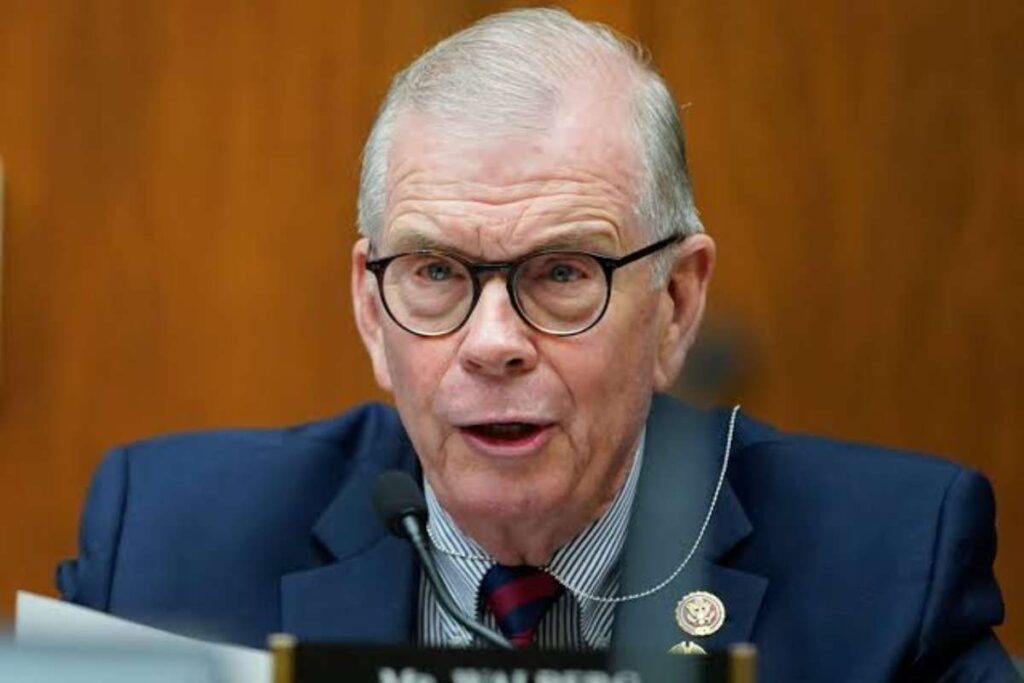
Committee Chair Tim Walberg, R-Mich., said the bills build on agreements already made between the Education Department and other federal agencies.
“They’ve done it through beta testing. They’ve proved concepts,” Walberg said, arguing the interagency agreements are “working well.”
The legislative package is titled “Less Bureaucracy, Better Education.”
Bills Redistribute Programs Across Federal Agencies
The package would divide Education Department programs among several federal agencies.
Federal student aid programs would move to the Treasury Department. Career, technical, adult, elementary, secondary, and higher education programs would shift to the Labor Department under separate bills.
Other legislation would transfer child care assistance for college students, foreign medical school accreditation oversight, and family engagement programs to the Department of Health and Human Services. International education programs and oversight of foreign gifts to schools would move to the State Department, while tribal education programs would be transferred to the Interior Department.
According to a senior Education Department official who spoke on condition of anonymity because of private discussions, department staff provided technical assistance while the legislation supporting the Education Department dismantling was being drafted. The official also said Education Secretary Linda McMahon met with every Republican member of the House Education and Workforce Committee to discuss the proposed transfers.
“That elbow grease that she’s really put into this at both a member and staff level has been the reason why we’ve got here today,” the official said.
Democrats Predict Senate Resistance
Democrats strongly opposed the legislation during the committee meeting, arguing the changes would complicate access to federal education services.
Rep. Bobby Scott of Virginia, the committee’s top Democrat, said educators and school officials would have to work with several agencies instead of a single department if they needed federal assistance.
“It’s just total gratuitous confusion,” Scott said. “If they say they’re doing it for efficiency, they’re lying.”
Even if the legislation passes the Republican-controlled House, the Education Department dismantling bills face uncertain prospects in the Senate. Most of the bills would need Democratic support to overcome procedural hurdles before reaching a final vote.
Trump signed an executive order in March 2025 directing Education Secretary Linda McMahon to facilitate the department’s closure. McMahon has described the agreements with other federal agencies as proof that education programs can continue operating outside the department.
The committee’s vote represents another step in the administration’s broader Education Department dismantling effort to reduce the federal government’s role in education, though the final outcome will depend on whether Congress can approve the restructuring.
Visit Future Education Magazine to read more.