
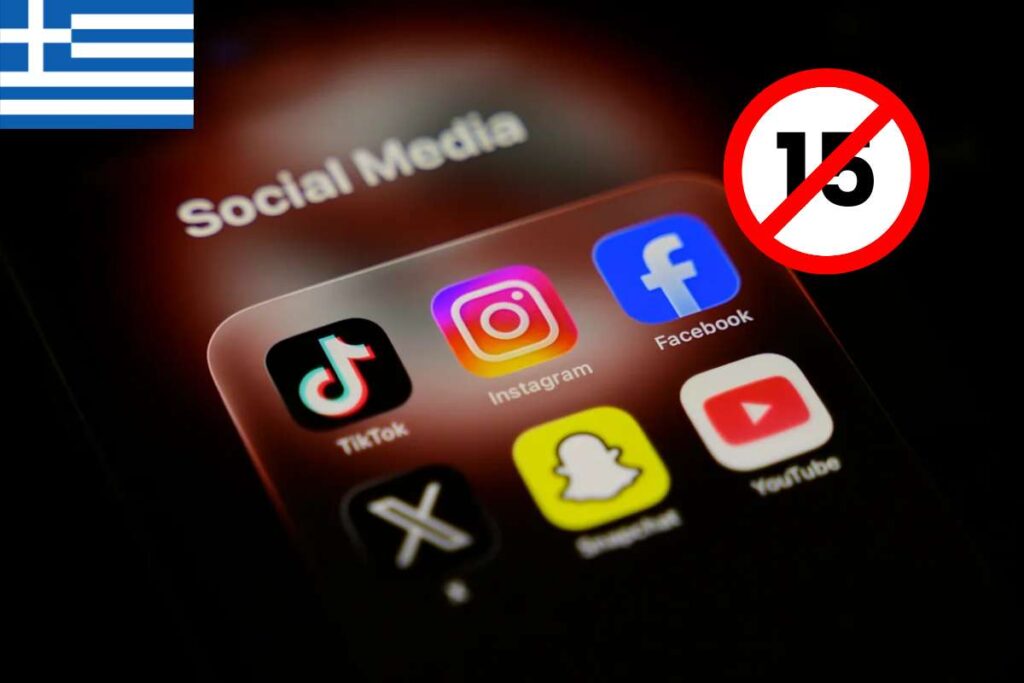
Greece has announced plans to restrict social media access for students under the age of 15 starting January next year, as part of a broader initiative under the Greece digital policy for students to address student well-being and classroom focus.
Focus On Student Well-Being And Learning Environment
The decision was outlined by Prime Minister Kyriakos Mitsotakis, who highlighted growing concerns among students about constant online presence and digital pressure. Many students have reported feeling overwhelmed by comparisons, comments, and the need to stay active online at all times.
Teachers and parents have also observed changes in student behavior. Reports of reduced attention span, lack of sleep, and rising anxiety have become more common in school environments. These issues can affect both academic performance and classroom engagement.
The planned restriction, part of the Greece digital policy for students, aims to create a healthier balance between digital use and daily routines. It does not remove access to all online tools. Educational platforms and digital resources will remain available to support learning. The focus is on limiting access to platforms that rely on continuous scrolling and prolonged screen time.
The government has emphasized that technology itself remains valuable for students. Digital tools can support research, collaboration, and creativity. However, certain platform designs encourage extended use, which can interfere with study habits and rest.
By setting an age limit, schools and families may find it easier to guide students toward more structured use of technology. This approach may also support better time management and reduce distractions during study hours.
Wider Shift In Digital Learning And Student Support
The move reflects a wider shift in how education systems are responding to digital habits among students. The Greece digital policy for students highlights an increasing focus on how online activity affects learning outcomes and mental health.
Discussions are also taking place across Europe about standard age checks and consistent rules for student access. Leaders have suggested measures such as age verification systems and periodic checks to ensure compliance. These steps aim to create a safer and more predictable digital environment for young learners.
At the same time, technology companies have raised concerns about how such limits may affect access to online communities. Some students rely on digital platforms for peer interaction and support. Schools may need to provide alternative spaces for collaboration and communication.
Educators are expected to play a key role in this transition. Classroom strategies may include guiding students on responsible technology use and encouraging offline activities that support focus and creativity. Schools may also increase awareness programs that help students understand the impact of screen time on their health and learning.
The conversation around student use of social media continues to evolve. As more data emerges on its effects, education systems are adapting policies to support student development. The approach taken by Greece highlights a growing effort to align digital access with the needs of students and teachers.
Further details on how the restriction will be implemented are expected soon. For now, the emphasis remains on creating a learning environment where students can focus, rest well, and engage with technology in a balanced and purposeful way under the Greece digital policy for students.