
Key Takeaways For Students And Teachers
- The new president begins the role on July 1
- The leadership transition follows the 2025 resignation of the president
- The 12 colleges and schools define the academic structure
- The $3.9 billion investment supports research and infrastructure growth
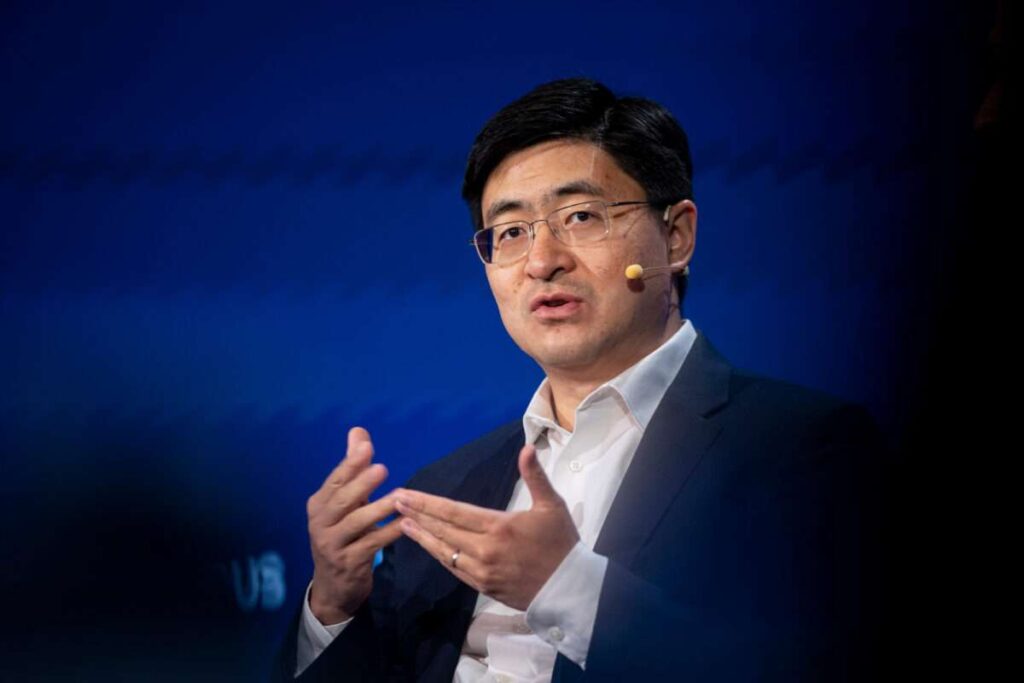
Northwestern University has appointed Mung Chiang as its next president, with the term set to begin on July 1. The appointment follows the resignation of former president Michael Schill in September 2025 and marks a new phase in institutional leadership.
Leadership Transition And Academic Background
Interim president Henry Bienen will continue in the role until the end of June. He previously served as president from 1995 to 2009 and returned to guide the university during the transition period. This timeline ensures administrative continuity across academic and operational functions.
Mung Chiang currently serves as president of Purdue University, a major research institution, a role he assumed in January 2023. His academic credentials include a bachelor’s degree in electrical engineering and mathematics, along with a master’s degree and a PhD in electrical engineering from Stanford University.
Before his presidency, Chiang held key academic leadership roles at Purdue. He served as dean of the College of Engineering from 2017 to 2023 and as executive vice president for strategic initiatives from 2021 to 2023. His earlier career includes 14 years at Princeton University, where he held senior academic positions and contributed to engineering education and innovation programs.
Research Focus And Institutional Impact
Mung Chiang’s leadership has focused on expanding research capacity and strengthening interdisciplinary collaboration. At Purdue, he supported initiatives that secured $3.9 billion in investments for infrastructure, including facilities linked to artificial intelligence and advanced engineering systems. These developments contributed to research output and institutional capacity.
Northwestern operates across 12 colleges and schools, providing a wide academic base across disciplines. The institution also includes 21 sports teams, reflecting a broad campus structure. The scale of operations requires coordination across academic units, research centers, and student programs.
The university’s interdisciplinary model remains central to its academic system. This structure allows collaboration between departments such as engineering, medicine, and the arts. It supports integrated research and teaching across fields, contributing to innovation and academic output.
Mung Chiang has indicated that engagement with academic units, students, and institutional groups will be part of his initial approach. This includes interaction with all 12 colleges and schools to understand program needs and align priorities. The approach reflects a structured method to assess academic and operational requirements.
His experience across multiple research institutions positions him to oversee academic planning and research expansion. The transition is expected to maintain continuity in academic programs while supporting future development in research infrastructure and interdisciplinary education.
The appointment also reflects a continuation of leadership drawn from major research universities. Previous leaders have held academic roles at institutions such as Princeton, indicating a pattern of experience aligned with research-focused environments.
As the transition progresses, the focus remains on maintaining academic stability, supporting research initiatives, and ensuring continuity across educational programs. The combination of leadership experience, research focus, and institutional scale defines the next phase of development for Northwestern University.
Visit Future Education Magazine to read more.