
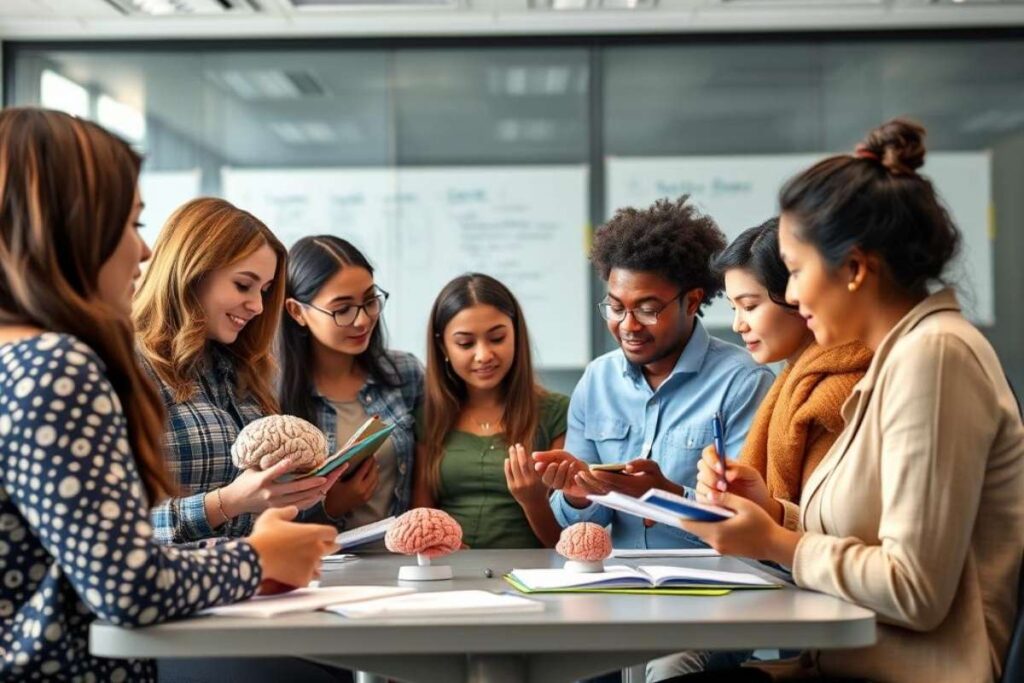
The benefits of experiential learning include higher retention, stronger critical thinking, and better engagement and skill transfer. Unlike passive instruction, experiential learning works with how the brain is wired. This article breaks down the science behind it and shares a real university case study. Dive in to gain a deeper understanding.
Think back to the last thing you truly learned. Was it from reading a textbook, or from doing something yourself?
Most people remember lessons tied to real experiences. A science fair experiment. A class debate. A field trip that brought history to life. That is experiential learning. The benefits of experiential learning are a deeper understanding and better retention than passive instruction alone.
This article breaks down the experiential learning benefits, how it works in the brain, and what it looks like in real classrooms today.
Key Benefits of Experiential Learning: What Makes It So Effective?
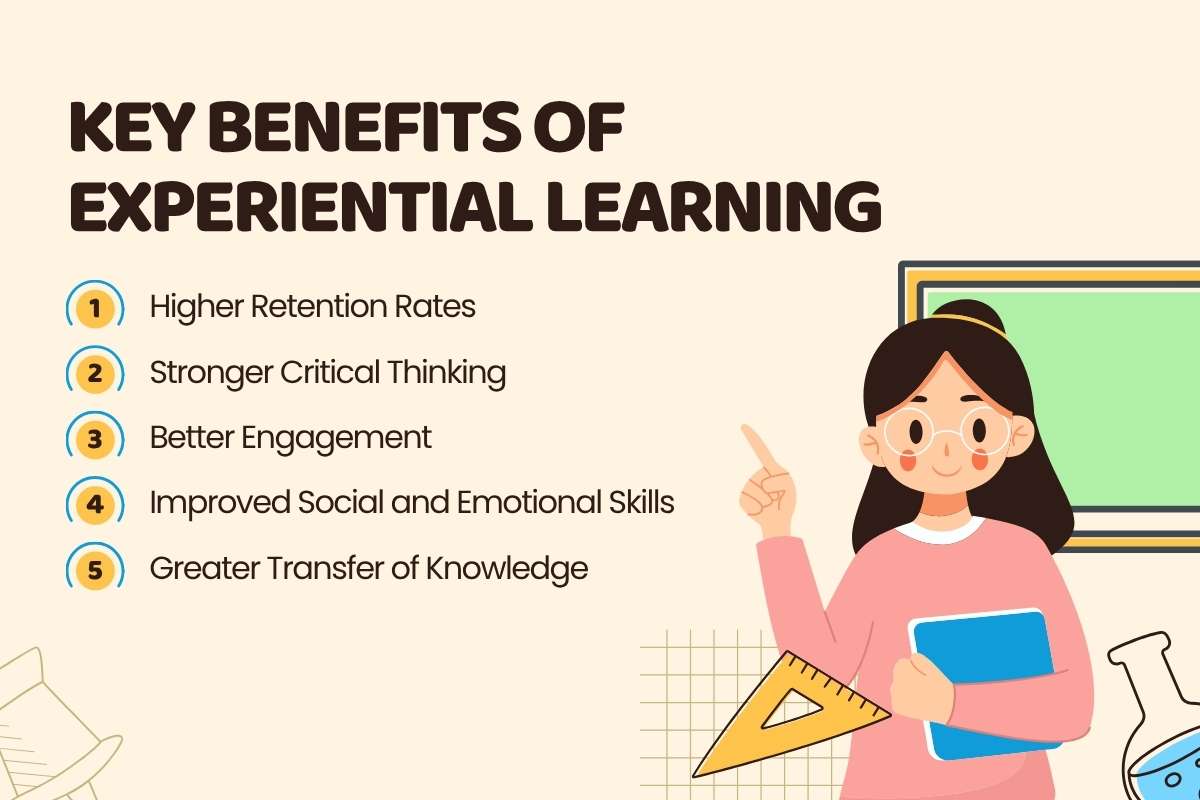
Experiential learning is learning by doing. Students engage with real tasks, reflect on what happened, and apply what they learned to new situations. The benefits of it go beyond “students enjoy it more.” Neuroscience explains what happens at the brain level.
1. Higher Retention Rates
One of the clearest benefits is how much more students remember, and for how much longer. Traditional lectures lead to around 20% retention after 24 hours. Active learning methods push retention to 70–90%.
What Neuroscience Says:
This happens because doing something new releases dopamine. This chemical strengthens how memories form and stay stored. A 2024 review in Frontiers in Education found that synaptic plasticity is most active during hands-on learning. Synaptic plasticity is the brain’s ability to build stronger connections between neurons. Passive listening activates far fewer pathways. That is why lecture-only learning fades fast.
2. Stronger Critical Thinking
Experiential learning does not just teach facts. It trains the brain to reason through real, messy problems, the way professionals actually do. When students solve real problems, they practice analyzing, evaluating, and creating. These are the top three skills on Bloom’s Taxonomy. They are also the skills most valued at work.
What Neuroscience Says:
This connects directly to the prefrontal cortex, the brain’s center for decision-making and problem-solving. MRI studies show this region becomes more active when students face real problems instead of abstract content. In one study, students learned physics through hands-on tasks. They showed increased activity in the brain area linked to mental simulation and evaluating outcomes. Their brains were doing more, so they thought more deeply.
3. Better Engagement
This is one of the benefits of experiential learning that shows up fastest. It is a measurable shift in how present and motivated students feel. Many students report feeling disengaged in school or college. Hands-on learning fixes this by making content feel relevant.
What Neuroscience Says:
The brain has two modes in any learning environment: threat mode and reward mode. Fear of failure or rigid testing triggers threat mode. This releases cortisol, which reduces prefrontal cortex activity and shifts focus to survival, not learning. Safe, hands-on tasks trigger reward mode instead. This releases dopamine and keeps students engaged longer. It is a biological state, not just a mood.
4. Improved Social and Emotional Skills
Working alongside others does something a textbook cannot. It trains the brain’s social circuitry directly. Team-based experiential activities build communication and empathy. They also teach conflict resolution, a skill no worksheet can.
What Neuroscience Says:
This skill is rooted in mirror neurons. These are brain cells that activate both when we act and when we watch someone else act. They let students internally simulate what a teammate is feeling. This is the neural basis of empathy. Working in groups also triggers oxytocin, a hormone tied to trust and bonding. This strengthens the mirror neuron response even further. The result is real, brain-level practice in reading people.
5. Greater Transfer of Knowledge
The real test of learning is not what students remember in class. It is whether they can use it somewhere else, weeks or years later. Students who learn through doing are better at applying concepts in unfamiliar situations. This is called “transfer.” It is one of the hardest outcomes to achieve with passive learning.
What Neuroscience Says:
When students repeat an action in varied real-world contexts, synaptic connections strengthen. This happens through a process called long-term potentiation (LTP). Synaptic changes require consistent, experience-based repetition for knowledge to consolidate. A one-time lecture rarely provides. In short, the brain does not transfer knowledge it has only heard about. It transfers the knowledge it has practiced.
Together, these are the benefits of experiential learning that make it so effective, not as classroom theory, but as how the brain is wired to learn. The example below proves this in practice.
Experiential Learning in Action: An Example That Shows These Benefits
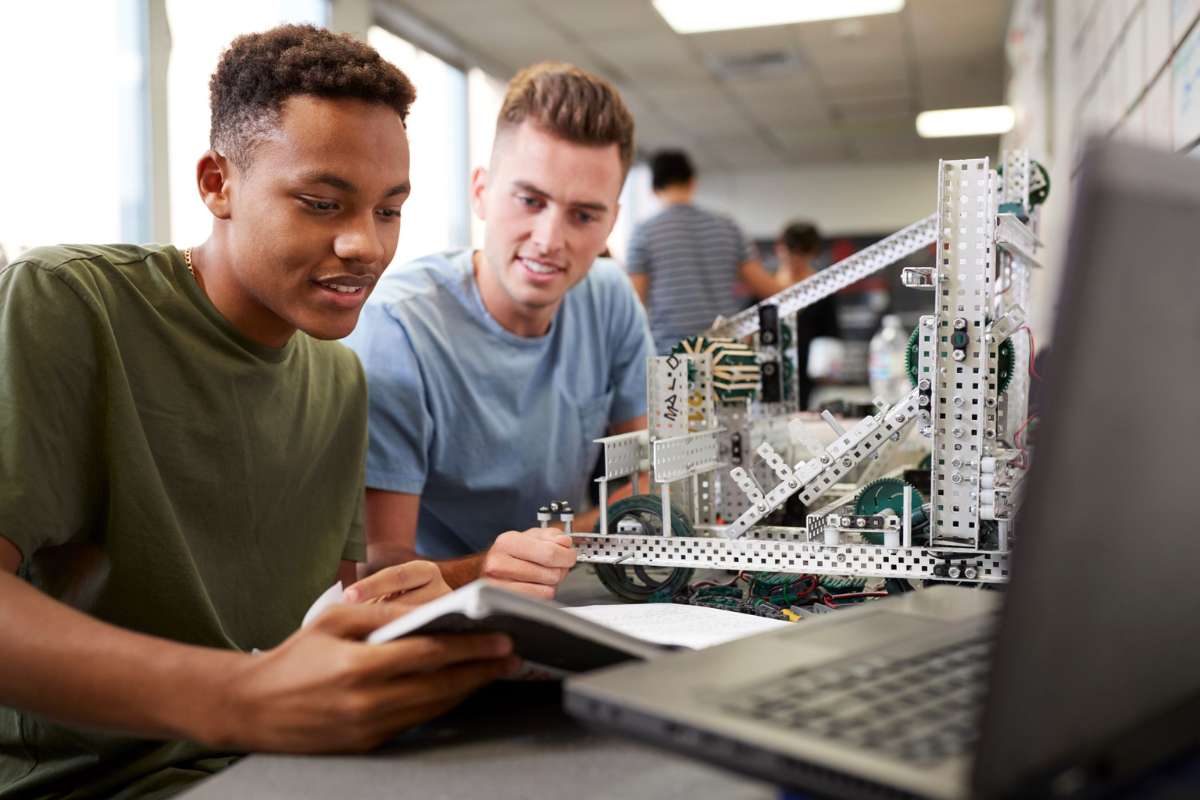
- University: University of Cincinnati (UC), Ohio
- Approach: Co-operative Education (UC literally invented it in 1906)
UC is the global founder of cooperative education. Students alternate between semesters of academic study and full-time paid work in their field. They complete real projects for employers like NASA, Apple, Boeing, and Nike before they graduate.
The results speak directly to several of the benefits of experiential learning:
- Engagement: 93% of co-op participants rate their experience as “good or excellent”. This is among the highest satisfaction rates of any university program in the country.
- Transfer of Knowledge: UC students earn a collective $94 million annually in co-op placements. Employers pay for their work because it has real value, which is the signal that learning has transferred.
- Critical Thinking and Entrepreneurship: A Stanford University study found UC graduates are more likely to found billion-dollar companies, ahead of alumni from Harvard and MIT.
The benefits are clearest when they show up outside the classroom. At UC, they show up in the real economy.
How Does Experiential Learning Benefit Students Differently?
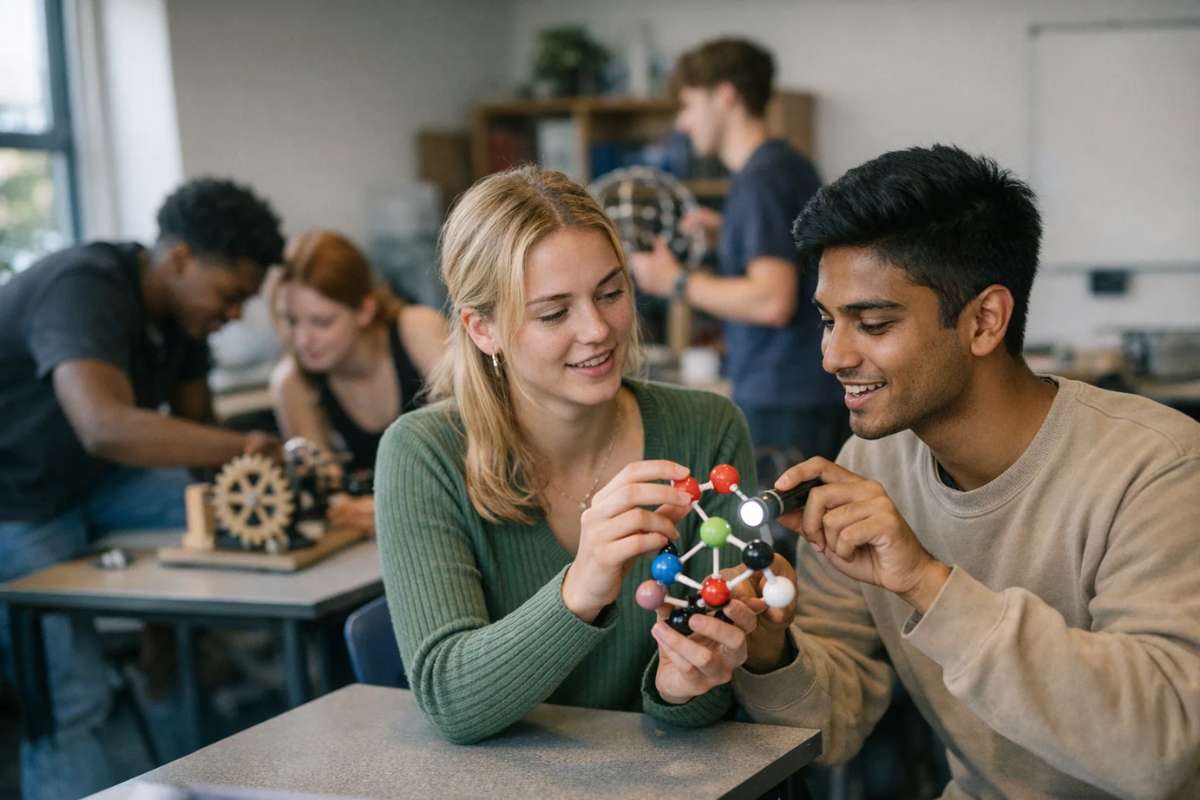
Not all students learn the same way. Here is how experiential learning supports different learner profiles:
- Kinesthetic learners finally engage with material in a way that fits how their brain processes information
- Struggling readers access content through action, not text
- Advanced learners are challenged beyond rote recall into real problem-solving
- English Language Learners (ELL) can demonstrate understanding without relying solely on language
The benefits of experiential learning extend across ability levels. That is rare in education.
Experiential Learning in the Digital Age
Digital tools have expanded what “doing” can look like in a classroom:
| Tool Type | Example | Application |
| Simulations | PhET Interactive Simulations (University of Colorado) | Science and math concepts |
| Virtual Reality | Google Expeditions, Labster | Field trips, lab experiments |
| Project platforms | Scratch, Tinkercad | Coding, design, engineering |
| Real-world data | Google Trends, Our World in Data | Research and analysis |
Online experiential learning is not a replacement for in-person doing. But it removes barriers like geography, cost, and resource limits. A student in a rural school can run a chemistry simulation that their lab budget could never afford.
Conclusion
Experiential learning is not a trend. It is backed by decades of research in education, psychology, and neuroscience. The benefits of experiential learning are specific and measurable. They include higher retention, stronger critical thinking, better engagement, and skills that transfer to real life.
The good news? You do not need a big budget or a complete curriculum overhaul to start. A single hands-on project or a reflection journal will do. Start small. Let students do. Then watch what they remember.
Frequently Asked Questions
1. What is the aim of experiential learning?
The aim is to help learners build knowledge and skills through direct experience. It allows learners to reflect rather than passive instruction.
2. Who benefits the most from experiential learning?
Disengaged learners, kinesthetic learners, and those from underserved communities benefit the most.
3. What are three types of experiential learning?
The three most common types are project-based learning, internships, and service learning. Each place students in real, meaningful situations.
4. How to implement experiential learning in the classroom?
Start with one project that links a core concept to a real problem. Build in time for student reflection after the activity. Use structured prompts like “What happened? What did I learn? What will I do differently?”
5. What is the role of the teacher in experiential learning?
The teacher acts as a facilitator and coach. He/She designs the learning experience, guiding reflection, and letting students lead their own discovery. He/She acts as a medium so the benefits of experiential learning reach students in the classroom.