
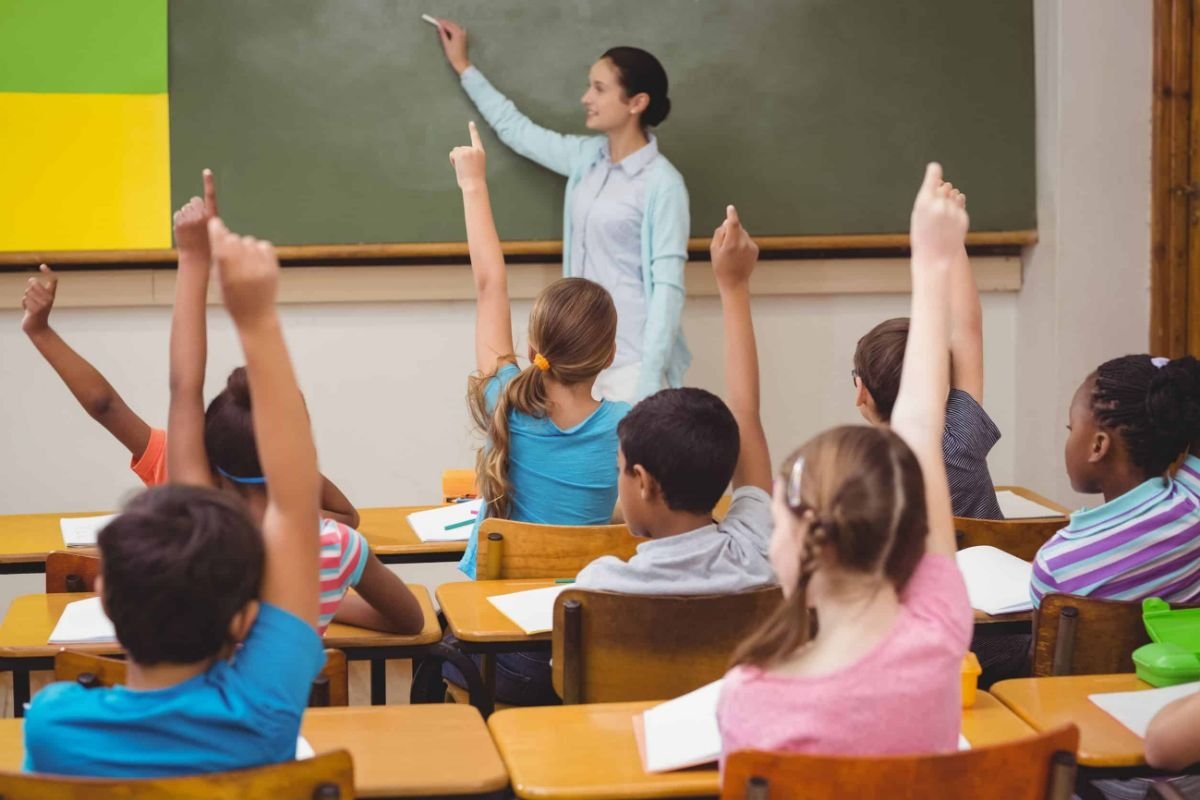
Effective classroom management starts with clear rules, daily routines, and strong teacher-student relationships. Teachers can also use praise to encourage good behavior, make lessons more engaging, and choose suitable seating plans. Handling poor behavior calmly and giving students classroom duties also help create a positive learning space. These classroom management techniques help teachers reduce disruptions, build trust, and keep students focused.
But how can teachers put these methods into practice? This guide explains each technique and shares ways to improve classroom management skills.
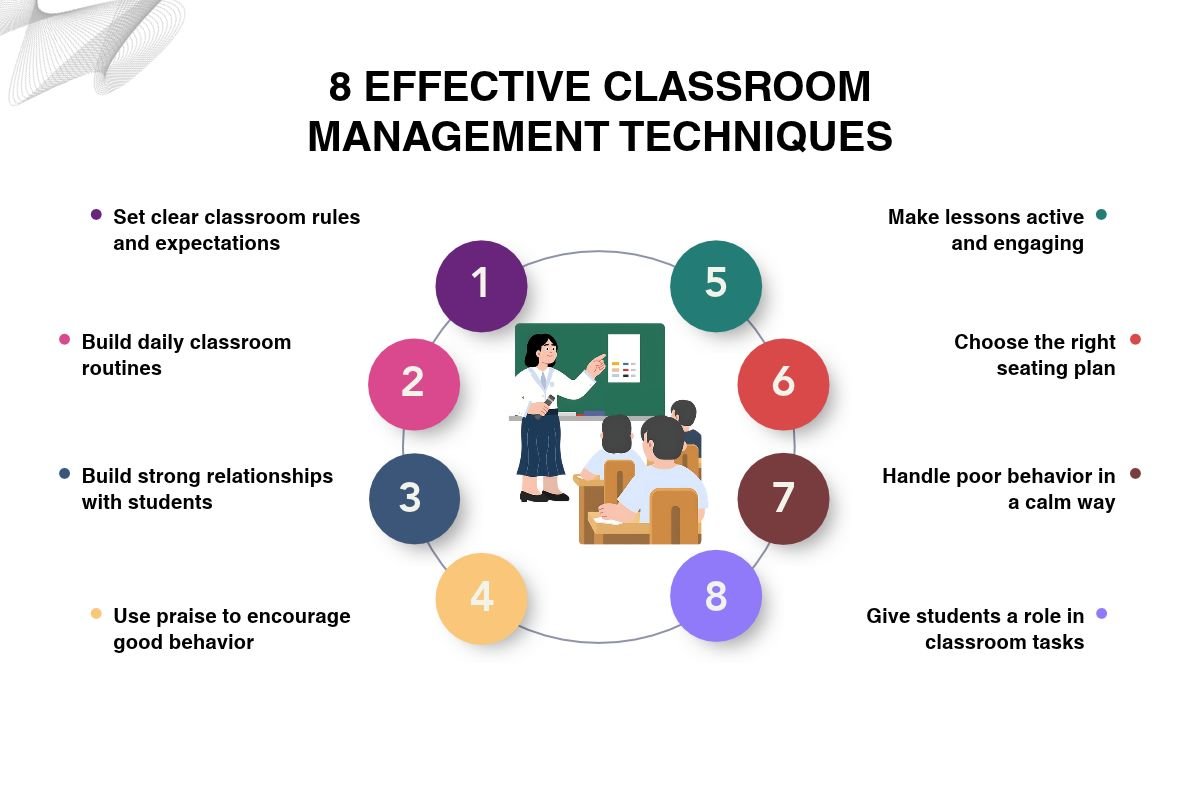
8 Effective Classroom Management Techniques Every Teacher Should Know
Classroom management is the way teachers plan and guide daily classroom activities. It includes setting rules, managing student behavior, and keeping lessons on track. It also helps students feel safe, respected, and ready to learn.
In his book Classroom Management Techniques, Jim Scrivener explains how teachers can manage lessons, students, and the learning space. He also highlights the value of learner independence.
Here are eight ways teachers can put these ideas into practice.
1. Set clear classroom rules and expectations
Clear rules help students understand what teachers expect from them. They also make it easier to handle poor behavior in a fair way.
Keep classroom rules short and easy to follow. For example:
- Listen when someone else is speaking.
- Raise your hand before answering.
- Respect other students and their views.
- Finish tasks within the given time.
- Keep the classroom clean.
Let students help create these rules. This gives them a sense of duty and makes them more likely to follow them.
Display the rules where everyone can see them. Explain each rule with simple examples. Apply the same rules to all students to avoid unfair treatment.
2. Build daily classroom routines
Daily routine is one of the most important classroom management techniques. It helps students know what to do and when to do it. They also save lesson time and reduce confusion. Harry Wong, an expert in classroom management, explains, “Classroom management is the practices and procedures that allow teachers to teach and students to learn.”
Set clear steps for common tasks, such as:
- Entering the room and getting ready for class.
- Collecting books and other learning tools.
- Moving from one task to another.
- Asking questions or seeking help.
- Handing in work before leaving.
Show students how each routine works. Let them practise until they can follow the steps on their own.
3. Build strong relationships with students

Students are more likely to take part when they feel safe and valued. Good teacher-student bonds also make it easier to discuss problems.
Teachers can build trust through small daily actions:
- Greet students when they enter the room.
- Learn their names and use them often.
- Listen to their views and concerns.
- Show interest in their skills and hobbies.
- Offer help when they face a problem.
Avoid comparing students or making them feel ashamed. Give each student fair attention and support. This helps create a kind and open learning space.
Also Read: Enhancing Classroom Communication: The Power of Hand Signals for Classroom Management
4. Use praise to encourage good behavior
Praise is one of the most effective classroom management techniques for encouraging good behavior. It helps students see which actions are worth repeating. It also shifts the focus from mistakes to positive actions.
Give clear praise when students follow rules, help others, or finish a task. For example, say, “You waited for your turn before speaking.” This tells students what they did well.
Teachers can also use simple rewards, such as:
- Thank-you notes.
- A chance to lead a class task.
- A place on the class praise board.
- Small awards for team effort.
Keep praise honest and fair. Avoid praising only students who get high marks. Also, value effort, teamwork, and progress.
5. Make lessons active and engaging
Students are more likely to stay focused when they take part in lessons. Long talks and repeated tasks can make them lose interest.
Use a mix of activities to keep lessons fresh:
- Group talks: Let students share ideas and views.
- Short quizzes: Check what students have learned.
- Role-play: Help students act out real-life events.
- Group projects: Give students a shared task to finish.
- Learning games: Make hard topics easier to grasp.
Choose tasks based on the subject and age group. Give clear steps before each task begins. This helps students stay on track.
6. Choose the right seating plan
Among classroom management techniques, seating plans affect how students talk, work, and take part. Choose a setup that fits the lesson and the needs of the class.
| Seating plan | Best suited for |
| Rows | Tests and solo work |
| U-shape | Class talks and talks by students |
| Small groups | Team tasks and shared work |
| Circle | Open talks and group sharing |
Think about class size, room space, and student needs. Place students who need extra help where you can reach them with ease. You can also change seats to match each task. For example, use rows during tests and small groups for teamwork.
7. Handle poor behavior in a calm way
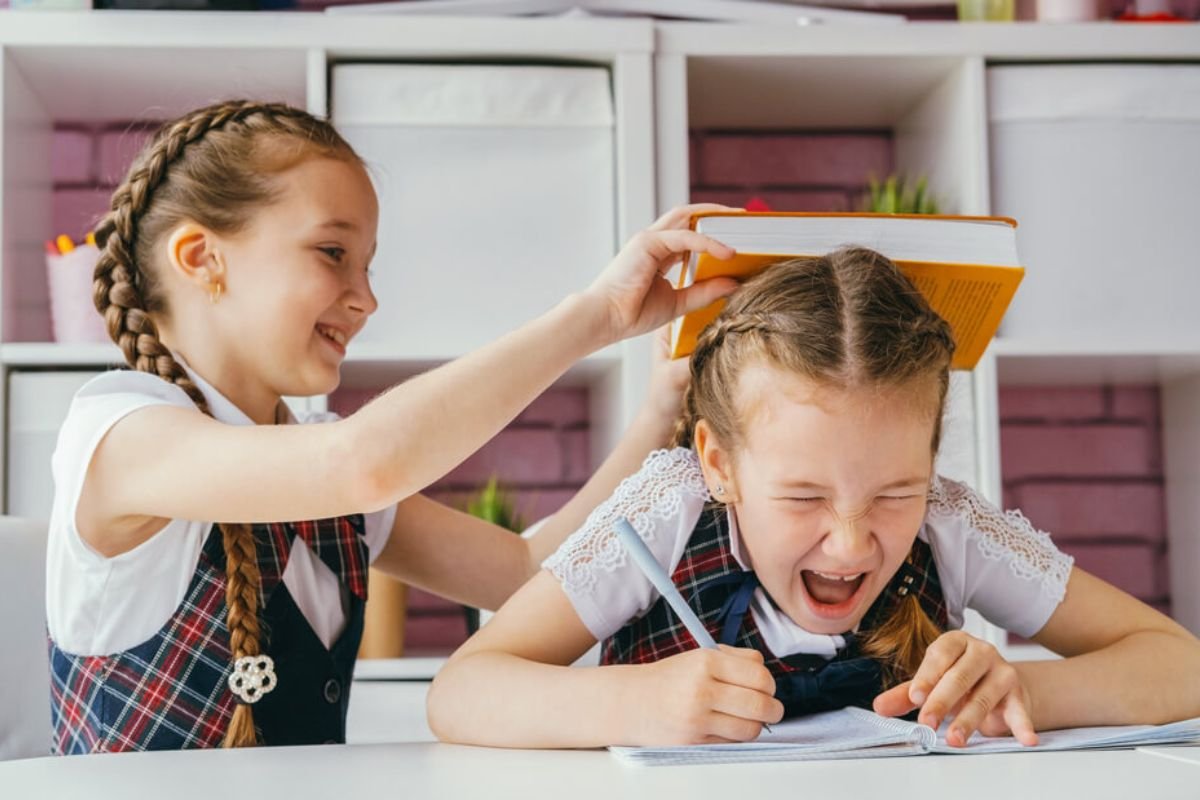
Poor behavior can break the flow of a lesson. Teachers should act early and deal with the issue in a calm way.
Use these steps to manage the situation:
- Find out what caused the behavior.
- Use eye contact or a hand sign as a first step.
- Give a calm and clear reminder.
- Speak to the student in private if it happens again.
- Use fair action if the behavior does not stop.
Avoid shouting or shaming students in front of others. It is not helpful in improving student behavior. A study was done on the frequency of disruptive behaviours by first-grade children. Baseline disruptive behaviors were seen in 54% of the time intervals. Loud reprimands kept these behaviours high at 53%, whereas simply ignoring these behaviors reduced them to 32%.
Also Read: Enhancing Academic Success: Effective Student Engagement Strategies
8. Give students a role in classroom tasks
Students should take part in more than just lessons. Giving them small duties helps them build trust, care, and a sense of duty. Scrivener says, “The more a person makes decisions for themselves, the more motivated he or she is likely to feel.”
Try these simple steps:
- Give students turns to manage class duties.
- Let them lead group talks.
- Ask them to set their own study goals.
- Let them give feedback to their peers.
- Offer choices in some class tasks.
Scrivener’s book also stresses the value of learner independence. Students should have chances to make choices and take charge of their work. When students share classroom duties, teachers do not have to manage every small task. It also helps students become more active and self-reliant.
How Can Teachers Improve Their Classroom Management Skills?
The effectiveness of classroom management techniques depends on teachers. Classroom teachers can improve their skills through practice, feedback, and regular training. They should review their lessons and find out which methods work best.
Here are five ways to improve:
- Watch skilled teachers: See how they guide students and handle class tasks.
- Ask students for feedback: Find out which rules and tasks help them learn.
- Join training programs: Take part in sessions on student behavior and teaching skills
- Review each lesson: Note what worked well and what needs change.
- Share ideas with peers: Talk to other teachers about common class issues.
Harry Wong stresses the value of clear steps and practice. Teachers should show students how to follow a rule, not just tell them what to do. Education researcher John Hattie highlights the value of student feedback. He says, “The more that you hear, understand an action, the feedback you get, the greater the impact it has on the student.”
What are the Common Classroom Management Challenges?
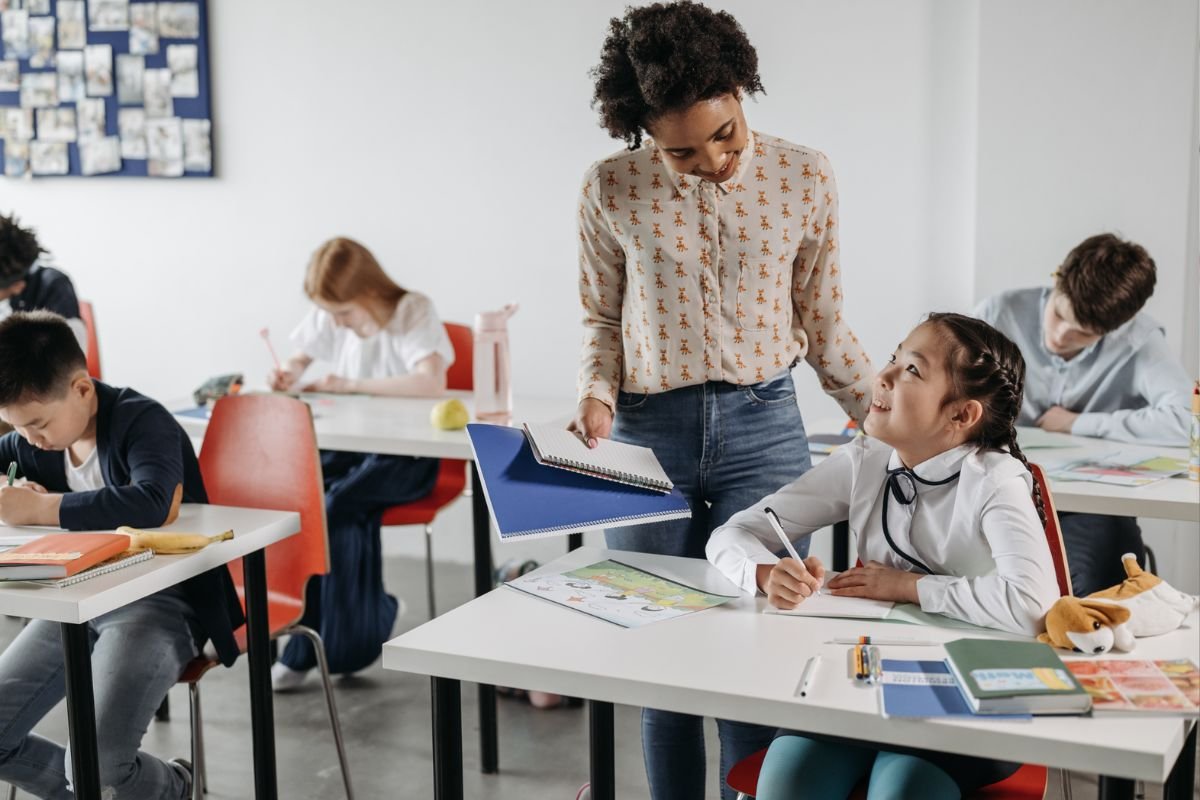
Teachers face many issues while managing a class. These include poor student behavior, large class sizes, low interest, and a lack of teaching tools. Different learning needs can also make it hard to give each student enough time.
Some common issues include:
- Poor behavior: Frequent breaks in lessons make it hard to teach.
- Large classes: Teachers may not have time for each student.
- Different learning needs: Students may need varied levels of help.
- Few resources: A lack of books and tools can affect lessons.
- Time limits: Teachers must balance lessons, tests, and other tasks.
A 2024 NCERT survey found that 46% of teachers saw managing student behavior as a major teaching challenge. This shows why teachers need better support and training.
Why are Classroom Management Techniques Important?
Good classroom management helps students focus and take part in lessons. It also gives teachers more time to teach and less time to handle daily issues. Clear rules and fair steps help build trust and make students feel safe.
Key benefits include:
- Better focus: Clear steps help students stay on task.
- Fewer disruptions: Daily rules help prevent common issues.
- Stronger bonds: Trust helps teachers and students work well together.
- More learning time: Fewer breaks give teachers more time to teach.
- Student growth: Class duties help students build self-control.
A 2025 meta-analysis by Korpershoek and other researchers reviewed 76 classroom management studies. It found a small but clear positive effect on student outcomes (Hedges’ g = 0.23). These results covered learning, behavior, social skills, and student drive.
This shows that classroom management is about more than keeping order. It also helps students grow and learn.
Also Read: 10 Strategies for Enhancing Your Management Skills
Conclusion
A well-managed class gives students the space and support they need to learn. Clear rules, daily routines, praise, and strong teacher-student bonds can reduce disruptions. Teachers should also review their methods and meet the needs of each student. Start with these eight classroom management techniques and build a safe, active, and positive space for learning.
FAQs
1. What are the five key parts of classroom management?
Clear rules, daily routines, positive bonds, student interest, and fair ways to guide behavior.
2. How can teachers manage students who disrupt lessons?
Stay calm, find the cause, remind students of the rules, and use fair steps.
3. What is the best way to manage a classroom?
Set clear rules, build daily routines, and form strong bonds with students.
4. How do classroom management techniques affect student learning?
It cuts down on breaks, builds focus, and gives students more time to learn.
5. How can new teachers improve their classroom management skills?
They can watch skilled teachers, practise daily routines, ask for feedback, and join training sessions.