
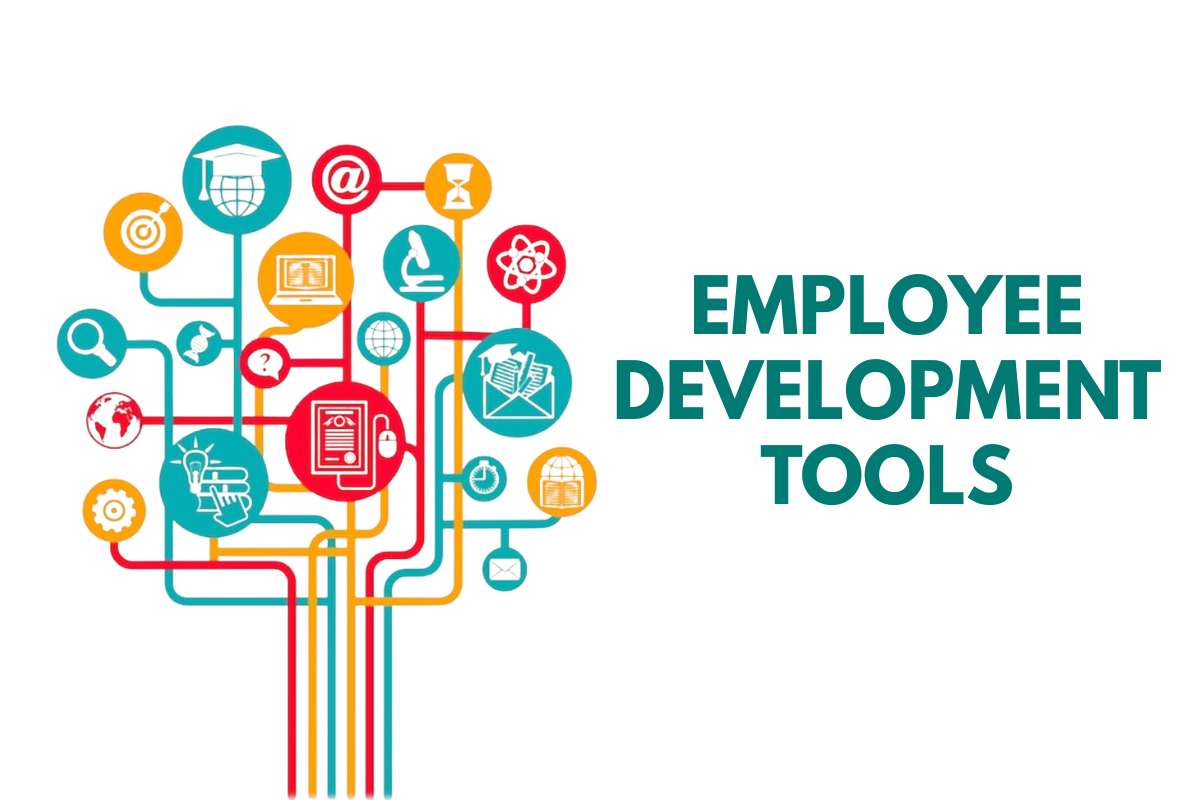
Employee development tools help businesses train staff, build new skills, and support career growth. Common examples include Workday Learning, LinkedIn Learning, Coursera, and Udemy Business. This guide covers tools for learning, coaching, mentoring, performance management, and skills tracking. It also explains how to choose the right tools. Use this guide to compare options and build a simple stack that gives real value.
Employee skills can become outdated fast. New tech, changing customer needs, and new ways of working all add pressure. At the same time, employees want clear chances to learn and grow.
Because of this, employee development is key to business success. It helps companies stay competitive and keeps employees engaged. Providing learning opportunities is the No. 1 retention strategy reported in the 2025 Workplace Learning Report. The right employee development tools can make this easier.
This guide looks at 15 popular tools. They cover learning, skills, coaching, mentoring, performance, and content creation. The goal is to help you understand what each tool does and when to use it.
15 Best Employee Development Tools to Consider for Your Organization
These tools are digital platforms that help companies clearly improve employees’ skills, knowledge, and performance. They support broader employee development strategies by making learning and growth easier to manage. Here is what they help with:
- Finding skill gaps
- Delivering training
- Creating learning content
- Tracking progress
- Supporting coaching and mentoring
- Managing goals and feedback
- Building career paths
- Measuring results
These 15 employee development tools were chosen based on use, ease, scale, and fit for different company sizes. The list includes different types of tools, not just learning platforms. This matches CIPD guidance, which says learning should link to real business needs and performance goals.
1. Workday Learning
Workday Learning is built for large companies that want learning fully linked to HR and talent systems.
It supports structured programs, self-paced courses, virtual classes, and compliance training. A key strength is its link to Workday HCM. Workday stands out because learning, HR, and talent data sit in one system.
Best for: Large companies that want learning, HR, and talent data in one system.
2. LinkedIn Learning
LinkedIn Learning offers a large library of short, practical courses in business, tech, leadership, and creative skills. Content is updated often, which helps keep skills fresh.
It also uses LinkedIn data to suggest courses based on job roles and trends. Employees can follow learning paths or pick single courses. Managers can assign learning, track progress, and link courses to goals.
Best for: Companies that want fast access to many professional skills.
3. Coursera for Business
Coursera for Business focuses on deeper learning. It works with universities and global companies to offer certificates, specializations, and degree-level content.
It is strong in areas like data science, AI, cloud, and business analytics. Many courses include projects, quizzes, and graded tasks. This helps companies measure real skill growth. Only a few employee development tools offer this level of depth.
Best for: Companies that need formal, measurable skill development.
4. Udemy Business
Udemy Business gives access to thousands of courses in business, tech, leadership, and personal growth. Courses are short, practical, and easy to use.
Employees can learn at their own pace, which helps busy teams. Companies can also build custom learning paths for roles or projects. Analytics help HR teams see what people learn and where engagement is high.
Best for: Teams that want flexible, on-demand learning at scale.
5. 360Learning
360Learning focuses on team-based learning. Instead of only L&D teams, internal experts can create and update courses.
This helps fast-changing industries where knowledge must move quickly. It also boosts engagement because employees learn from real experts inside the company. The platform includes quizzes, feedback tools, and analytics.
Best for: Companies that want employees to create and share knowledge.
6. Docebo
Docebo is an enterprise learning platform for complex organizations. It supports many groups, such as employees, partners, and customers.
It has automation that assigns learning by role and team. It also uses AI to suggest content. Its reports help HR track compliance, progress, and skills across large groups.
Best for: Large companies with complex training needs.
7. Moodle Workplace
Moodle Workplace is a flexible learning platform. It lets companies build their own training system. It supports courses, certificates, and learning programs.
Its strength is control. Companies can design learning paths, roles, and reports. It is often used by companies that want full control over their learning system.
Best for: Companies that want a highly flexible learning platform.
8. Articulate 360
Articulate 360 is a content creation tool for L&D teams. It helps build e-learning courses, simulations, quizzes, and training.
Tools like Storyline and Rise make it easy to build mobile-friendly learning without coding. It is often used to turn internal knowledge into training.
Best for: Teams that need to create their own learning content.
9. BetterUp
BetterUp provides one-to-one coaching for employees. Coaches help with leadership, communication, confidence, and career growth.
Employees are matched with coaches based on goals. Sessions are structured but flexible. It also gives insights on coaching use and results.
Best for: Companies investing in leadership and personal growth.
10. Lattice
Lattice combines performance reviews, goals, and feedback in one system. It supports full development planning.
It helps managers talk with employees more often rather than just occasionally. Employees can set goals, track progress, and ask for feedback anytime. This makes Lattice a useful tool for continuous employee growth.
Best for: Companies that want regular performance and growth talks.
11. Culture Amp
Culture Amp focuses on employee feedback, surveys, and performance tools. It helps companies understand how employees feel and what affects performance.
It links feedback to action, so HR can see where support is needed. It also offers benchmarks to compare with other companies.
Best for: Companies that want to link employee experience with growth.
12. Degreed
Degreed brings learning, skills data, and career growth into one platform. Employees get personal learning paths, while companies manage strategy.
Like many modern employee development tools, Degreed helps find skill gaps, map roles, track progress, and measure learning. Its skills-first design helps companies build strong workforce plans and employee upskilling programs.
Best for: Companies building a skills-based workforce strategy.
13. Skillsoft Percipio
Skillsoft Percipio offers business, tech, leadership, and compliance learning. It includes courses, videos, books, audiobooks, live learning, labs, and tests.
This gives employees many ways to learn and practice skills. It is built for large companies, especially in regulated industries. It also uses AI to suggest learning paths.
Best for: Large companies that need ready-made learning content.
14. MentorcliQ
MentorcliQ helps companies run mentoring programs. It matches mentors and mentees based on goals and skills.
It supports career, leadership, and onboarding mentoring. It also tracks progress and results, so HR can measure impact.
Best for: Companies that want structured mentoring at scale.
15. Microsoft Viva Learning
Viva Learning brings training into Microsoft Teams. Employees can find and complete learning without leaving work.
It brings together learning from Microsoft, company content, LMSs, and tools like LinkedIn Learning. This makes learning easier to access and use.
Best for: Companies using Microsoft 365 that want learning in daily work.
Which Employee Development Tools Fit Different Needs?
39% of workers’ core skills are expected to change by 2030, highlighting the need for continuous learning and upskilling. That’s why you need the right mix of tools depending on your goals. These goals can also help you create a focused employee development plan for each team or role.
| Need | Tools | Why |
| Enterprise learning | Workday, Docebo, Moodle | Large-scale training |
| General skills | LinkedIn Learning, Udemy | Wide course libraries |
| Technical skills | Coursera, Udemy | Structured learning |
| Custom training | Articulate, 360Learning | Build internal content |
| Coaching | BetterUp | Personal growth |
| Performance | Lattice | Goals and feedback |
| Employee feedback | Culture Amp | Engagement insights |
| Skills focus | Degreed | Skills tracking |
| Mentoring | MentorcliQ | Structured mentoring |
| Daily learning | Viva Learning | Learning in Teams |
CIPD guidance also says learning should match real work needs, not just trends.
How to Build the Right Employee Development Tools Stack?
Start with business goals, then find real skill gaps. Choose a small set of tools that cover learning, performance, and growth. Make sure they work well together and are easy to use. Focus on real employee development results, like skill growth and job performance. Even 91% of L&D professionals agree that continuous learning is more important than ever for career success.
What should you check before choosing a tool?
- Does it solve a real problem?
- Is it easy to use?
- Can it track skills and progress?
- Does it support managers?
- Does it connect with other systems?
- Can it scale with the business?
- Does it measure real results?
- Is the cost worth it?
Conclusion
SHRM’s 2025 L&D benchmarking report found that organizations spend more than $400 per full-time employee on learning and development, yet employees spend only about eight hours a year on learning. This highlights why companies need development solutions that employees can actually use and engage with. The best employee development tools are simple, focused, and tied to real business needs.
First, find skill gaps in your team. Then choose tools that support learning, mentoring, and performance tracking. Do not add tools just because they look advanced or popular. Extra features that do not solve a real problem only add cost and confusion.
FAQs
1. What actually are employee development tools?
They are systems that help companies train staff, build skills, and improve performance.
2. How do they improve performance?
They help employees learn skills, get feedback, and use knowledge at work.
3. Are they useful for small businesses?
Yes. Small businesses can start small and grow over time.
4. How do you measure success?
Look at skills, performance, engagement, and business results.
5. What is the difference between an LMS and development tools?
An LMS delivers training. Development tools also include coaching, mentoring, and performance management.