
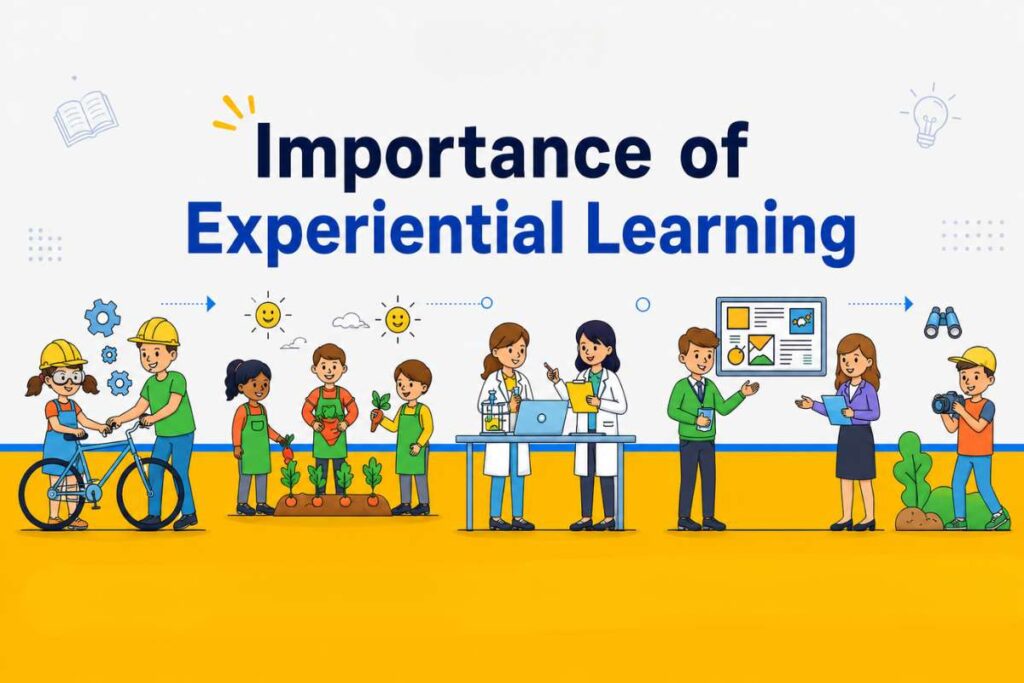
Experiential learning means learning through direct experience. The importance of experiential learning lies in building practical skills and improving retention. It prepares learners for real-world challenges. This article covers 10 research-backed reasons it works, an age-wise breakdown, and key challenges educators face today.
A medical student can memorize every bone in the human body. But that doesn’t mean they’re ready to treat a patient.
This gap between knowing and doing is what experiential learning addresses. Learners don’t just absorb information. They engage with it through practice, reflection, and application. This article explores the importance of experiential learning across all age groups, backed by research and real examples.
The Importance of Experiential Learning: Why It Outperforms Traditional Methods?
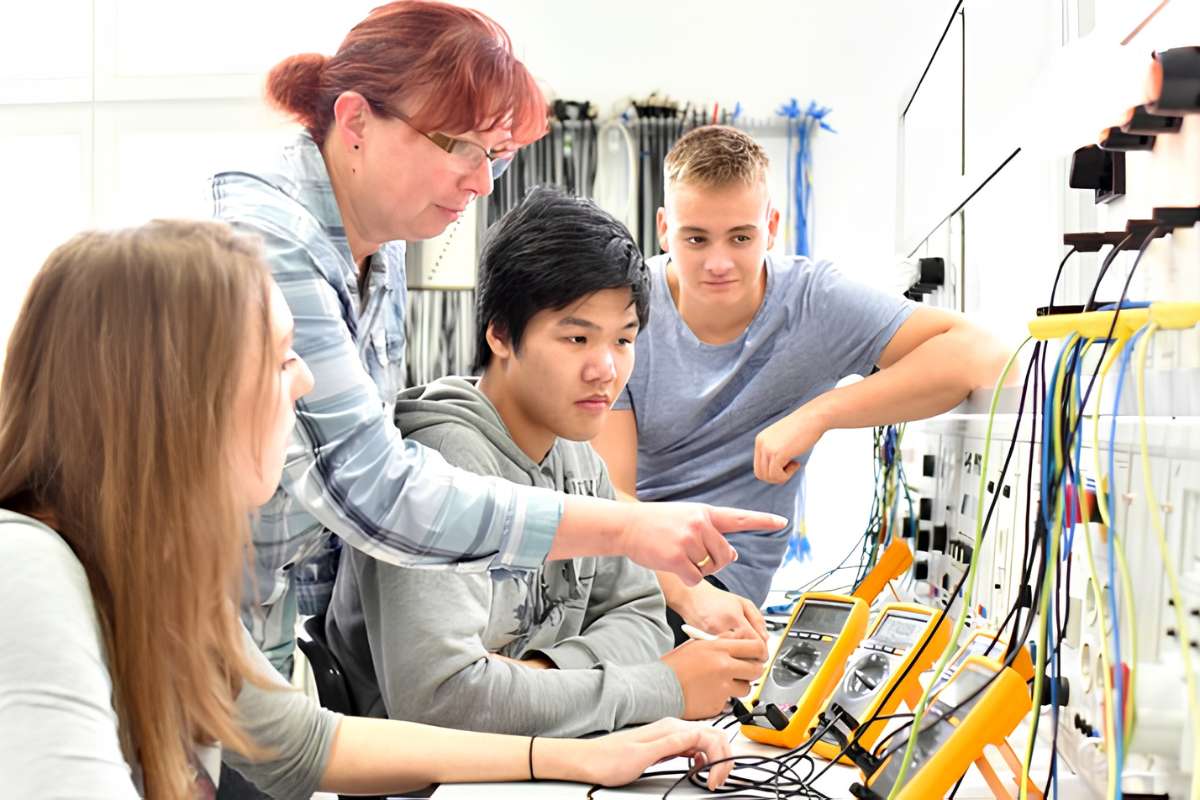
Experiential learning is learning through direct experience. The learner does something, thinks about what happened, draws a lesson, and applies it next time. Each round builds a deeper understanding.
The Single Biggest Reason It Works
People remember what they do far better than what they hear. Research suggests hands-on practice leads to retention rates of 70–90%, compared to just 10% from lectures.
When learners are active, knowledge sticks. This is why pilots train in simulators, surgeons practice on models, and sales teams run role-plays before real calls. Doing creates memory. Listening often doesn’t.
10 Reasons Why the Importance of Experiential Learning Goes Beyond the Classroom
1. It improves how much learners remember
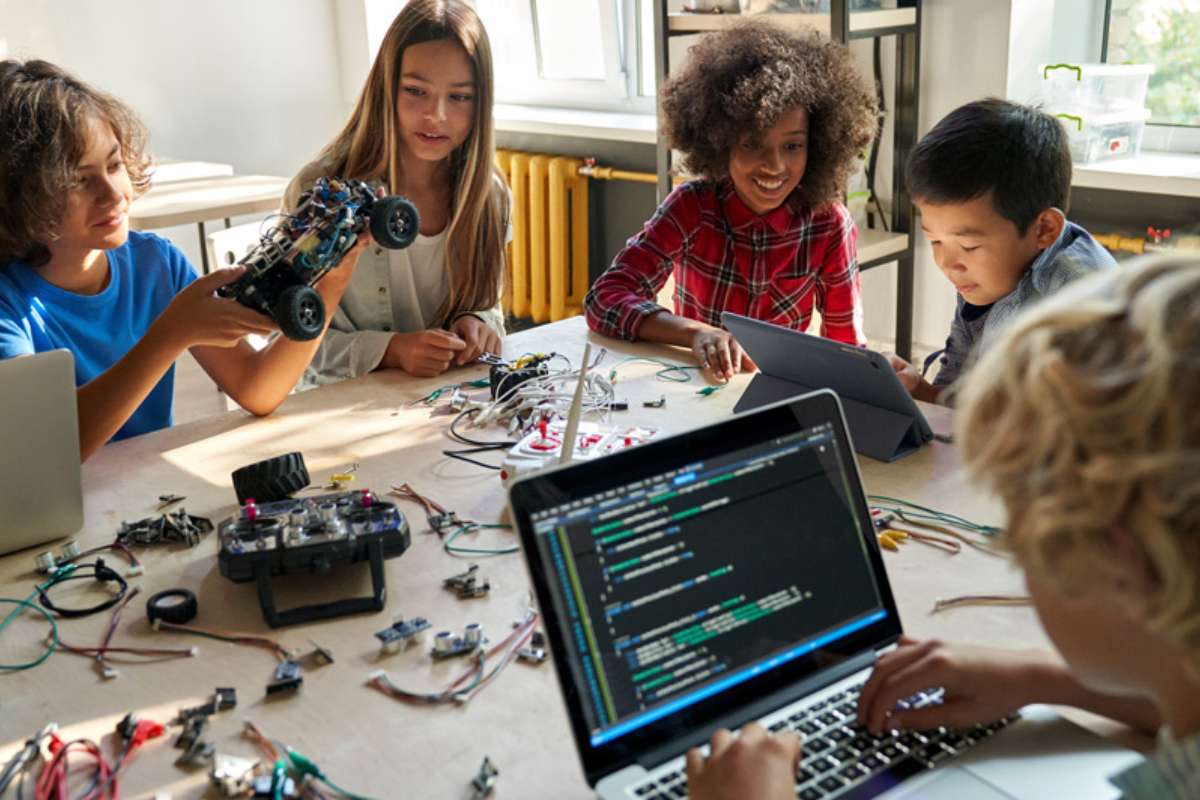
Most people forget up to 70% of a lecture within 24 hours. This is the Ebbinghaus Forgetting Curve. Experiential learning works differently. When you solve a real problem or build something, the brain stores it more durably. Experience leaves a stronger mark than notes ever will.
2. It builds skills employers actually want
Reading about negotiation won’t make you a better negotiator. Practicing will. Simulations, case studies, and internships build communication, critical thinking, and teamwork. These skills show up directly in job performance. Classroom learning alone rarely does that.
3. It sharpens critical thinking
Multiple-choice tests don’t build critical thinkers. Real challenges do. When there’s no scripted answer, learners must study the situation, weigh options, and decide. That process, repeated over time, builds sharper thinking.
4. It teaches collaboration by doing it
You can’t learn teamwork from a textbook. Group projects and team simulations put learners in real social situations. They divide tasks, handle disagreements, and work toward a shared goal. That’s exactly what every workplace looks like.
5. It keeps learners engaged
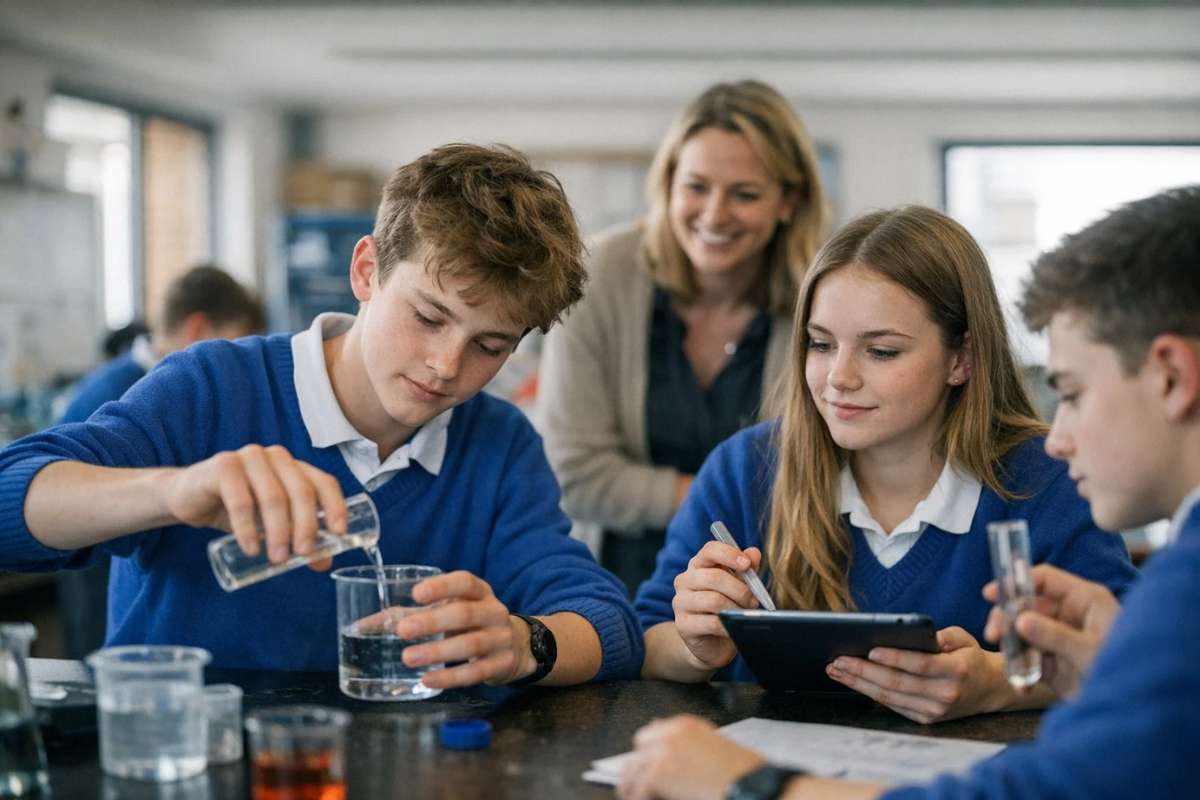
Boredom kills learning. Students with at least one applied learning experience in college are twice as likely to stay engaged in their careers. When learning feels active and relevant, motivation follows.
6. It builds self-awareness
After each experience, learners ask: what worked, what didn’t, and why? This habit is called metacognition. It means knowing how you think. It is a strong predictor of long-term success in school and work. This is why the importance of experiential learning goes well beyond skill-building.
7. It grows emotional intelligence
Role-plays, community service, and group work expose learners to different views and backgrounds. Over time, this builds empathy, self-control, and social awareness. These are qualities that technical training rarely develops.
8. It prepares learners for the unexpected
Real experiences don’t always go as planned. That’s the point. When learners practice in unpredictable conditions, they get better at adapting. This matters most in healthcare, technology, and emergency response, where situations shift fast.
9. It connects theory to real life
There’s a big difference between understanding something in class and using it in the real world. Experiential learning closes that gap. A business student who runs a mock company understands profit margins in a way no textbook can fully teach.
10. It works for every type of learner

Not everyone learns best by reading or listening. Some people need to move, build, or discuss to truly understand. Labs, fieldwork, and project-based tasks give visual, kinesthetic, and social learners a real path to success.
Does Age Change How Experiential Learning Helps?
Yes. The importance of experiential learning shows up differently at each life stage. Here’s a clear breakdown:
| Learner Group | How It Helps | Common Methods |
| Early Childhood (Ages 3–8) | Builds motor skills, language, and curiosity | Sandboxes, role play, arts and crafts, outdoor play |
| Middle School (Ages 11–14) | Develops social skills and abstract thinking | Science experiments, debates, and group projects |
| College/University | Connects theory to career readiness | Internships, research projects, case studies |
| Adult/Corporate Learners | Solves work problems and builds leadership | On-the-job training, mentoring, simulations |
For young children, play is the most natural form of experiential learning. It supports cognitive, social, and emotional growth better than direct instruction alone.
For adult learners, the stakes shift. Adults learn best when new knowledge connects to a problem they face right now. This is why mentoring and job rotations work better than sit-and-listen workshops.
Why is There a Growing Need for Experiential Learning?
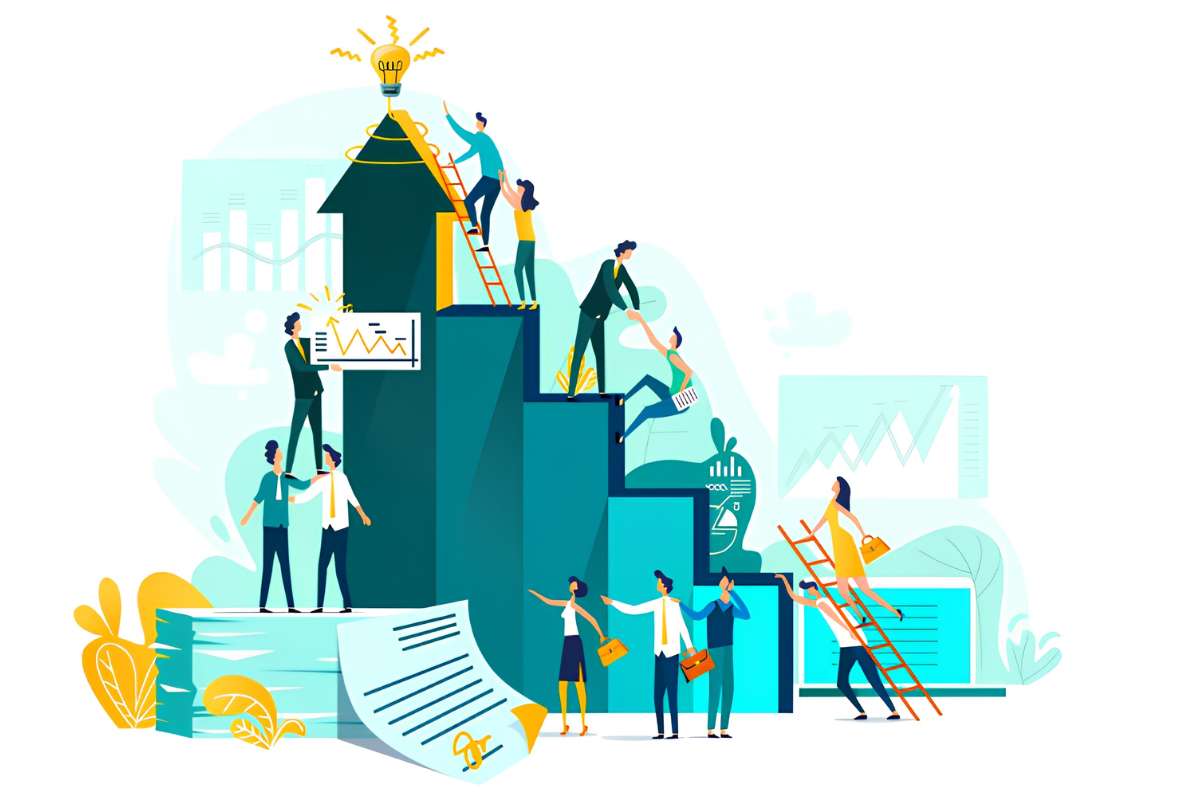
The world of work has changed. Employers now rank analytical thinking as the top skill they need. 7 out of 10 companies call it essential in 2025. Resilience, agility, and social skills follow closely behind.
At the same time, automation is replacing routine tasks. Workers now need judgment, creativity, and human connection. None of these can be built by memorizing notes. Healthcare, technology, and education are already feeling this pressure.
The growing need for experiential learning isn’t just an education trend. It’s a direct response to a real skills gap.
What Gets in the Way? Challenges and Opportunities
The importance of experiential learning is clear. But putting it into practice isn’t always easy.
Common Challenges:
- Cost and Resources: Field trips, simulations, and labs cost more than a lecture hall
- Time Constraints: Curriculum pressure leaves little room for open-ended learning
- Assessment Difficulty: Grading collaboration or problem-solving is harder than marking a written test
- Trainer Readiness: Many educators were trained in traditional methods and need support to shift
But the Opportunities Are Real:
- Technology makes simulations and virtual labs more affordable and accessible
- Remote internships and online project-based courses reach more learners than ever
- Companies like Google, Microsoft, and Salesforce have built experiential modules into internal training, with measurable gains in performance and retention
Also read:
- Benefits of Experiential Learning: What Neuroscience and Real Classrooms Reveal?
- Why Experiential Learning in Higher Education is No Longer Optional
Conclusion
The importance of experiential learning goes beyond a classroom trend. It reflects a shift in how people build skills, solve problems, and grow through life. Whether it’s a five-year-old learning through play, a high schooler running a business simulation, or a manager practicing conflict resolution, doing beats passive listening every time.
For educators, trainers, and learners, the question isn’t whether to adopt experiential learning. It’s how to make it more accessible, more intentional, and more effective for everyone.
Frequently Asked Questions
1. What are the benefits of experiential learning?
It builds real-world skills, improves retention, and keeps learners more engaged than passive methods like lectures or reading.
2. What are examples of experiential learning?
Common examples include internships, lab experiments, role-plays, field trips, service-learning projects, simulations, and on-the-job training.
3. What is experiential learning also called?
It is commonly called “hands-on learning” or “active learning.” In corporate settings, it is often called “action learning.”
4. What are the characteristics of experiential learning?
It involves direct experience, personal reflection, real-world application, active engagement, and ongoing feedback.
5. Which is a common form of experiential learning?
Internships are very common, especially in higher education. Placing learners in real work environments shows them the importance of experiential learning.